


Edwardian Animal Portrait Painting
An edwardian animal portrait painting captures the distinct personality of a beloved dog, cat or horse with remarkable fidelity.
Edwardian Animal Portrait Painting
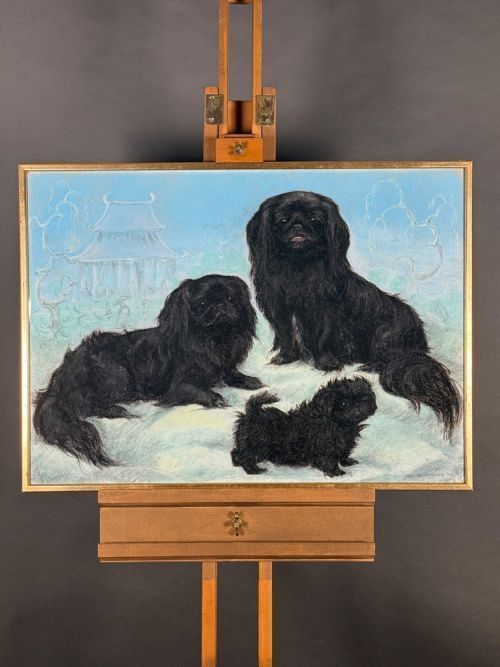
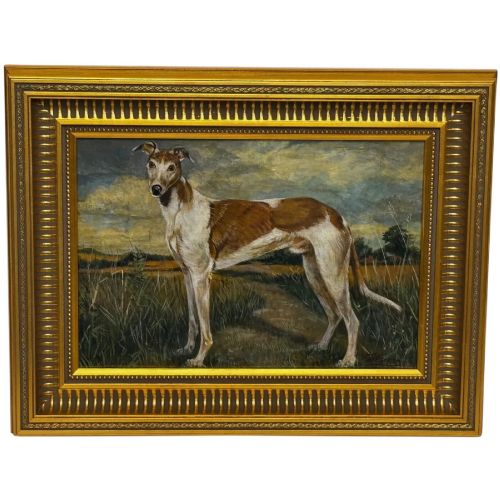
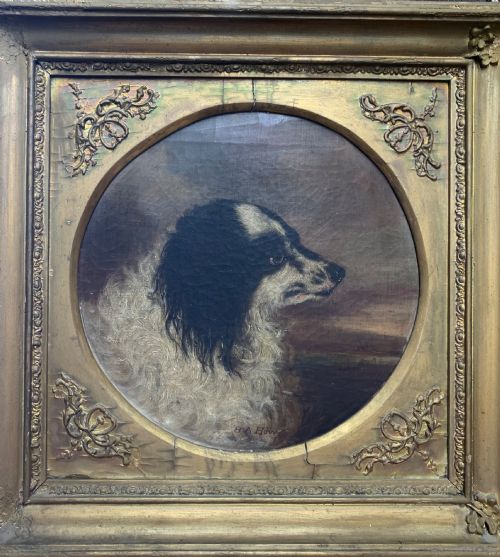
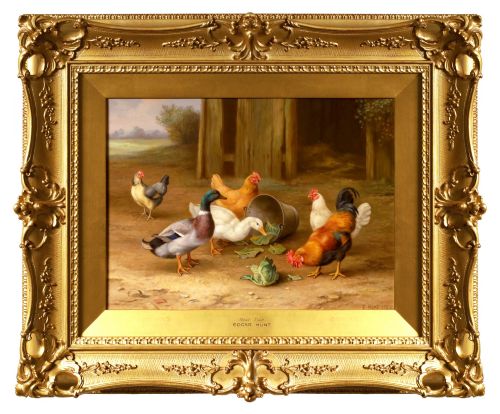
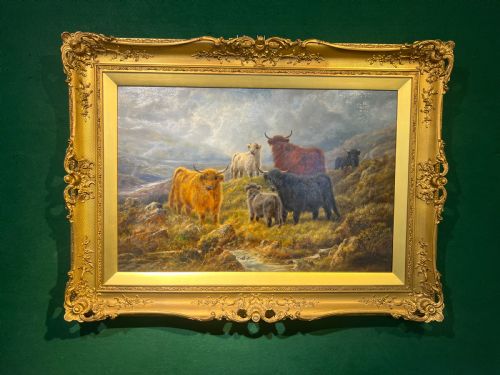
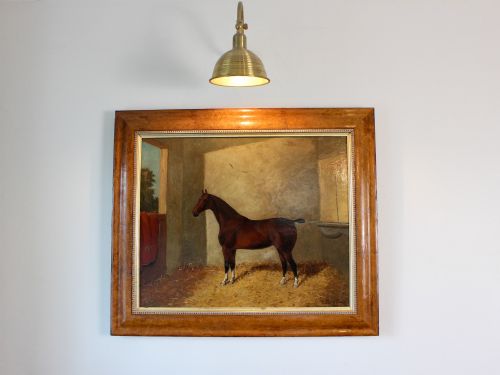
When you examine an edwardian animal portrait painting, you encounter detailed depictions of dogs, cats, horses and livestock rendered with careful attention to character and anatomy. The pieces on this page span styles from British sporting art and animalier to folk art, capturing everything from champion greyhounds to playful kittens. Most works appear as framed oil paintings on canvas, reflecting the period's preference for rich, durable mediums.
Subjects range from individual terriers and spaniels in natural landscapes to elaborate group scenes like kittens at play or working farm animals. While the core of these works aligns with the early twentieth century, you will also spot pieces stretching back into the nineteenth century and forward toward mid-century pastels. Each painting offers a direct window into historical domestic and rural relationships with animals.
Materials and construction
Artists of this era typically applied oil paint onto stretched canvas, utilising wood stretcher frames to maintain structural tension. Many works incorporate original or period-appropriate giltwood and gold leaf frames that enhance the depth of the painted surface.
The technique relies on layered oil pigments to build texture in fur, manes and landscapes, sometimes supplemented by pastel on paper in select portrait studies. These traditional materials account for the remarkable survival and enduring colour richness of the surviving canvases.
Frames range from simple wood mouldings to elaborate giltwood designs, accommodating subjects from individual dog portraits to multi-kitten tea parties.
Judging quality in animal portraiture
Quality rests primarily on the artist's ability to render the subject's anatomy and expression with convincing realism rather than mere sentimentality. Superior works display confident brushwork in the rendering of fur texture, realistic eye reflections and a natural integration of the animal within its landscape or interior setting.
The handling of light and background detail further separates accomplished studio works from simpler folk art interpretations. Additionally, the presence of an intact period giltwood frame contributes to the overall integrity and visual impact of the piece.
Edgar Hunt·John Emms·Valentine Thomas Garland·John Trivett Nettleship·Agnes Augusta Tallboys·Philip Eustace Stretton·Cuthbert Edmund Swan·Bessie Bamber·Samuel Fulton
The Edwardian Animal Portrait Painting Glossary
- Animalier
- A nineteenth and early twentieth century art movement focusing on the realistic portrayal of animals. Painters in this tradition studied anatomy closely to capture domestic and wild creatures with precision.
- Giltwood
- Wood that has been treated with a thin layer of gold leaf or gilt paint. This finish frequently appears on the decorative frames housing period oil paintings.
- Oil on Canvas
- A traditional painting medium consisting of pigment suspended in drying oils applied to a woven fabric support. This combination provides exceptional longevity and depth of colour.
- Sporting Art
- A genre of painting dedicated to horses, dogs, shooting and rural sports. These works often document specific prize-winning animals or hunting scenes.
- Pastel on Paper
- A dry medium using pigment sticks rubbed onto a paper support. It offers soft gradations of tone, often utilised for intimate animal studies.
Edwardian Animal Portrait Painting: Frequently Asked Questions
How do I care for an oil painting?
Keep the canvas away from direct sunlight and dramatic shifts in temperature or humidity. Dust the surface gently with a soft, dry cloth without applying pressure.
Avoid using water, chemical cleaners or oils on the paint surface. Consult a professional conservator if the canvas requires cleaning or structural repair.
Are these paintings signed by the artist?
Many of the works feature signatures or monogram initials applied by the artist, often located near the lower corners of the canvas. Some pieces also carry contemporary inscriptions or archival notes on the reverse.
Unsigned works frequently attribute to specific schools or followers based on technique, palette and subject matter. Documentation and stylistic comparison help establish these attributions.
What subjects are most common?
Canines dominate the selection, ranging from working terriers and collies to spaniels and lapdogs. Feline groups, horses and rural livestock also appear frequently across the available canvases.
Artists captured these animals either in solitary profile, within pastoral landscapes, or engaged in playful domestic scenes. Each subject reflects the prevailing tastes of historical animal patronage.
How do I identify the period?
Dating relies on a combination of stylistic markers, framing techniques and artist biographical records. Victorian pieces often favour darker, dramatic lighting while early twentieth-century works display brighter palettes.
Canvas stamps, stretcher construction and handwritten notes on the wood frame offer further clues to the exact era. Comparing the handling of the subject to dated works by known artists solidifies the timeline.