






British Canine Oil Portrait
A british canine oil portrait captures character and pedigree on canvas, offering an enduring glimpse into the past relationship between owners and their dogs.
British Canine Oil Portrait
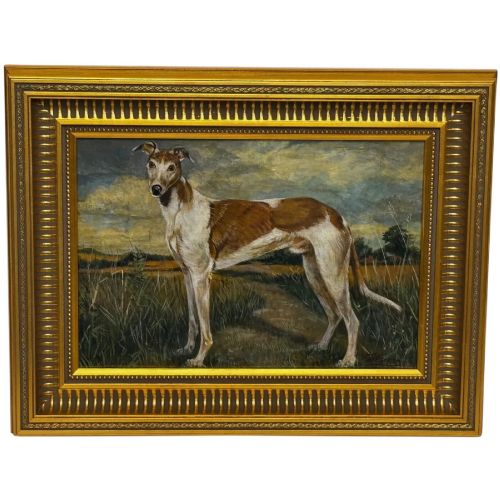
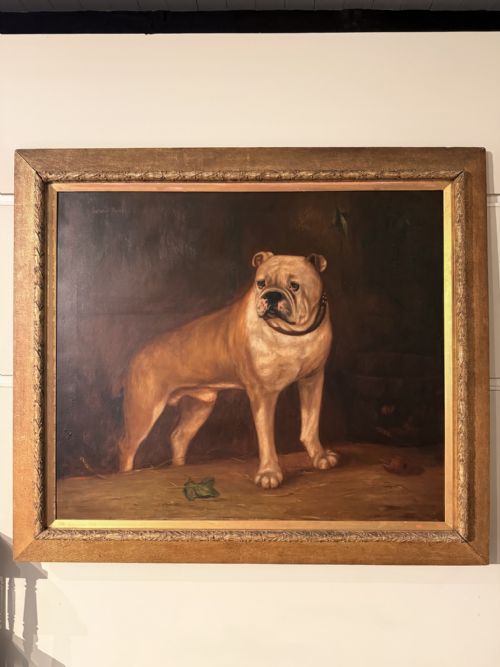
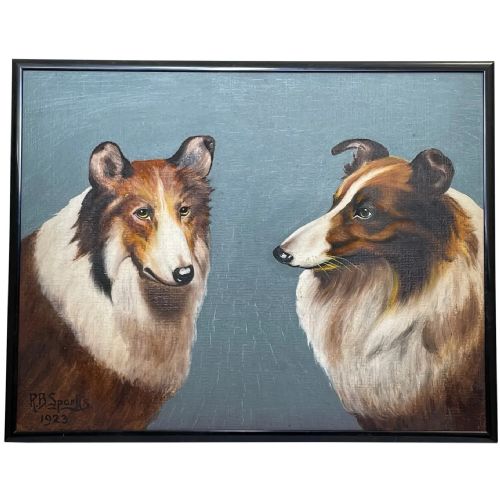
A british canine oil portrait represents animals in various settings, ranging from expansive landscapes to domestic interiors. Buyers searching this phrase encounter works originating across the nineteenth and twentieth centuries, capturing specific breeds like collies, terriers, and spaniels.
The prevailing examples on this page span the Victorian and Edwardian eras, alongside pieces from the nineteen-twenties and nineteen-forties. These artworks document individual animals, some noted as specific favourites of historical figures, rendered through traditional painting methods.
Judging Quality
Quality rests in the anatomical accuracy of the animal and the finesse with which the fur, expression, and light are rendered. Stronger works convey distinct personality and realistic physical structure rather than generic canine forms.
The handling of the surrounding environment, whether an interior domestic scene or an outdoor landscape, contributes significantly to the overall merit of the painting.
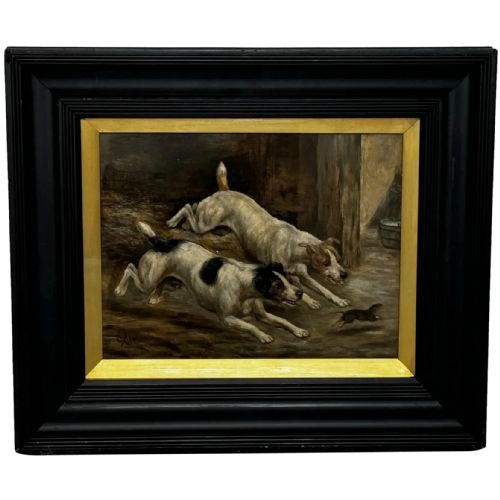
Several portraits capture dogs caught mid-action, including Jack Russells actively chasing rats across barn floors.
Valentine T Garland·John Emms·William Barraud·John Trivett Nettleship·Sir Edwin Landseer·Florence Mabel Hollams·Philip Eustace Stretton·Dixon Clark·Samuel John Carter·William Albert Clark
The British Canine Oil Portrait Glossary
- Oil on Canvas
- Pigments suspended in a drying oil applied to a woven fabric support stretched across a wooden frame. This medium allows for rich colour depth and subtle blending.
- Gesso
- A paint mixture consisting of a binder mixed with chalk, gypsum, or pigment, used to prepare wood or canvas surfaces. It formed a smooth base before gilding.
- Giltwood
- Wood carved and subsequently coated with gold leaf or gold paint. Frames of this material frequently accompany traditional paintings.
- Victorian Sporting Art
- Artwork depicting rural pursuits, animals, and field sports popular during the nineteenth century. These pieces often focus on working dogs and horses.
- Oil on Board
- Pigments applied directly to a rigid wooden or composition board rather than woven fabric. This surface offered a stable, flat support for smaller painted studies.
British Canine Oil Portrait: Frequently Asked Questions
What periods do these dog paintings come from?
The works span from the nineteenth century through the Victorian and Edwardian periods up to the nineteen-forties. Artists captured canine subjects across these changing decades using traditional oil techniques.
Most pieces reflect the artistic conventions of their specific era, from nineteenth-century realism to twentieth-century sporting art.
Which dog breeds appear most often?
Collies, terriers, spaniels, and lurchers feature prominently among the painted subjects. Individual portraits often record specific named dogs or working animals of the period.
Artists also depicted bulldogs, Pekingese, and mixed terrier types in both rural landscapes and domestic interiors.
How should I hang an oil portrait?
Position the painting away from direct sunlight and damp environments to protect the canvas and oil pigments. Stable indoor temperatures prevent the wooden stretcher frames and gesso from warping.
Ensure the weight of the gilt or wooden frame is supported securely by appropriate wall fixtures.
Are these works signed by the artists?
Many pieces are attributed to known painters of animal and sporting subjects, whilst others originate from the broader British School. Signatures or inscriptions occasionally appear within the corners of the canvas.
Historical attribution relies on stylistic comparison with documented works by artists active in the nineteenth and twentieth centuries.