


Edwardian Animal Painting
Edwardian animal painting captures the character of beloved pets and farm livestock through detailed oil on canvas and cold-painted bronze.
Edwardian Animal Painting
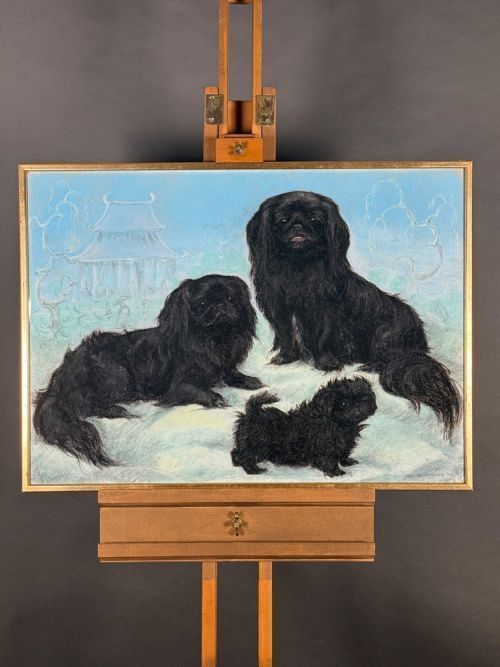
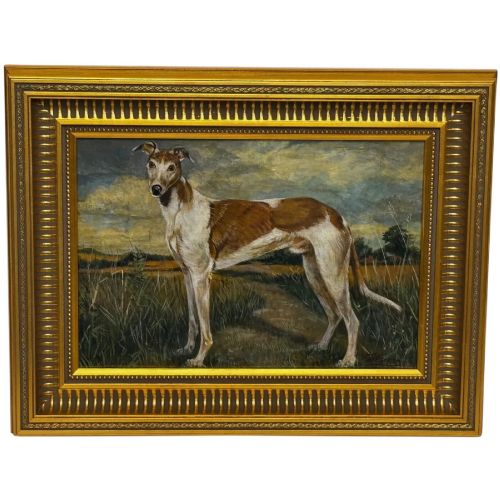
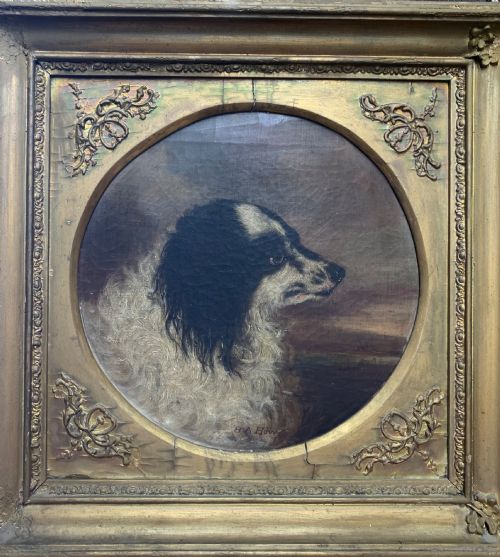
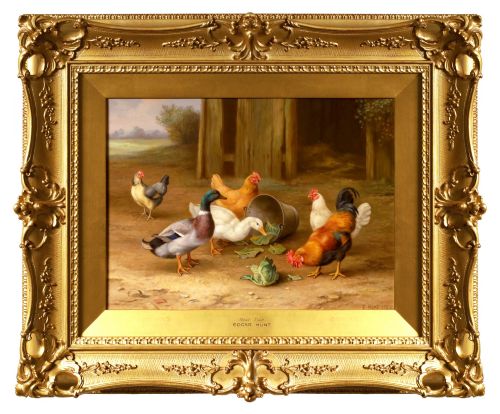
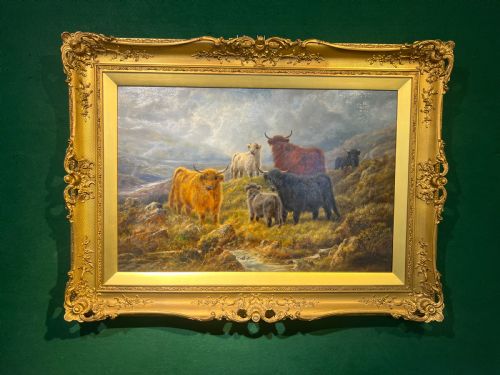
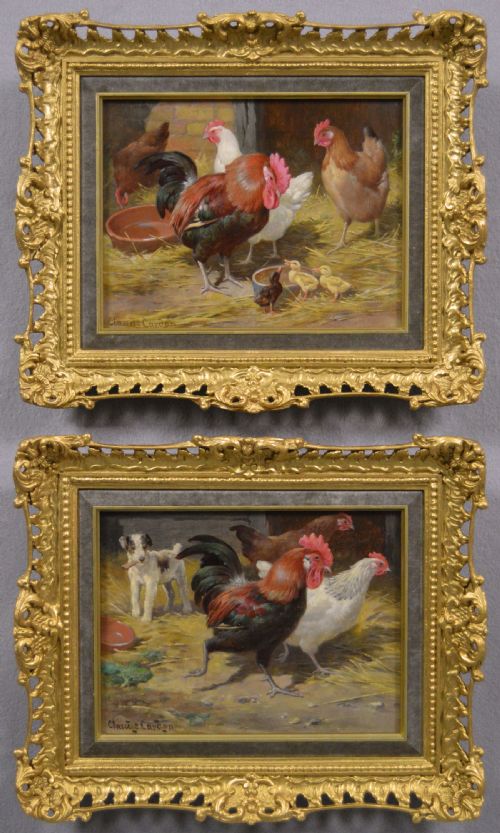
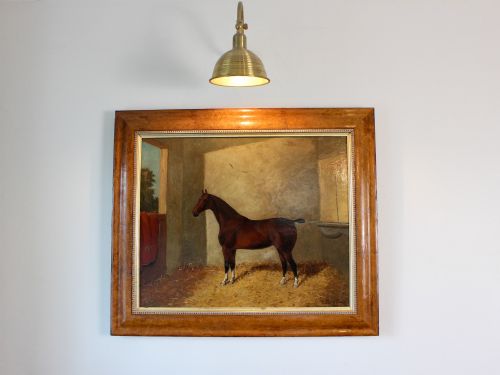
When you examine an edwardian animal painting, you encounter intimate portrayals of dogs, farmyard poultry, and horses rendered with careful observation. The selection ranges from oil portraits of prize-winning terriers and collies to pastoral scenes featuring cattle and sheep.
You are most likely to meet oil on canvas works alongside cold-painted bronze sculptures and occasional watercolours from the early twentieth century. These pieces reflect a period when domestic pets and prized livestock held a central place in household affections and estate pride.
Materials and construction
Artists primarily used oil paint on woven canvas, building up layers of pigment to capture the texture of fur, feathers, and landscape backgrounds. Giltwood and wooden frames completed these artworks, often retaining their original period mounts.
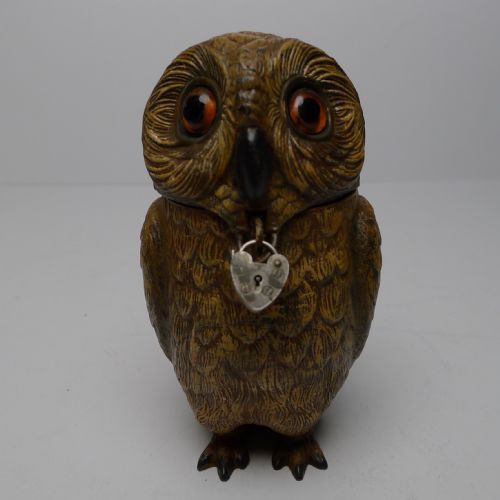
Sculptural pieces utilised bronze and spelter, frequently enhanced with cold-painted polychrome decoration applied over metal surfaces. Paper and pastel also appeared in intimate drawings and studies of animals.
A surprising number of Edwardian dogs apparently consented to sit entirely still for tea parties.
Judging the work
Quality rests upon the artist's ability to render anatomical accuracy and convincing animal expressions without stiffness. Superior examples demonstrate confident brushwork in the rendering of coats and immediate vitality in the creature's posture.
The integration of the subject within its natural landscape or interior setting distinguishes finer canvases from formulaic studio productions. Original matching frames and well-preserved painted surfaces on bronzes elevate the standing of a piece.
Franz Bergman·Edgar Hunt·Claude Cardon·John Emms·William Sidney Cooper
The Edwardian Animal Painting Glossary
- Cold-painted bronze
- A method where bronze figures received several layers of unfired oil paint applied over a metallic base. This technique was widely utilised by Viennese foundries to create small animal ornaments and inkwells.
- Spelter
- An alloy of zinc and lead used as a less costly alternative to bronze for casting decorative figures and money boxes. It was often painted to resemble more expensive metals.
- Canvas
- A heavy woven fabric stretched across a wooden frame to provide the primary support for oil paintings. Artists primed these surfaces before applying their pigments.
- Pastel
- A dry drawing medium composed of powdered pigment and a binder, shaped into sticks. Works executed in this medium require glass protection to prevent smudging.
- Giltwood
- Timber carved and surfaced with a thin layer of gold leaf. Frames finished in this manner were designed to complement the tones of the oil painting within.
Edwardian Animal Painting: Frequently Asked Questions
What subjects appear most often?
Dogs dominate the pictorial works, particularly terriers, collies, and spaniels depicted either individually or in groups. Farmyard scenes featuring chickens, cattle, and sheep are equally common.
Pets were treated as family members during this era, prompting owners to commission skilled portraitists to record their animals.
How do I care for oil paintings?
Keep canvases away from direct sunlight and dramatic shifts in temperature to prevent the paint layer from cracking. Dust gently with a soft, dry brush without applying pressure.
Avoid using liquid cleaners on the canvas or the original giltwood frame to preserve the delicate surface finishes.
Are bronze sculptures marked?
Many cast metal pieces carry foundry stamps, numbers, or artist signatures hidden within the base or near the feet. Cold-painted surfaces can lose pigment over time through handling.
Examining the underside often reveals the casting method and the quality of the original metalwork beneath the paint.
Where were these painted?
Artists worked both in rural settings observing farm animals directly and in urban studios from life or sketches. Sporting art commissions took painters directly onto estates and racing yards.
This direct observation accounts for the specific breed characteristics visible across the painted works.