




Edo Style Porcelain
Edo style porcelain offers striking plates, chargers, bowls, and vases rooted in Japanese traditions.
Edo Style Porcelain
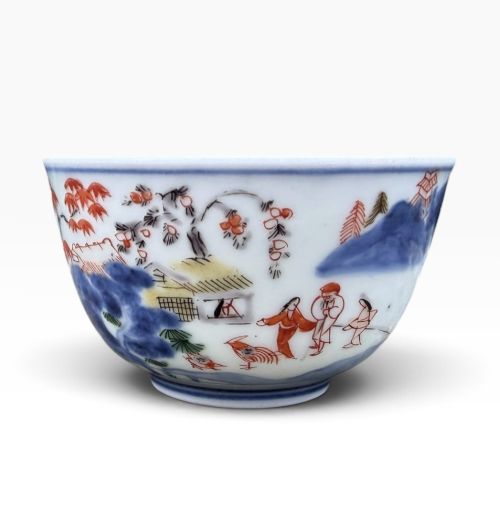
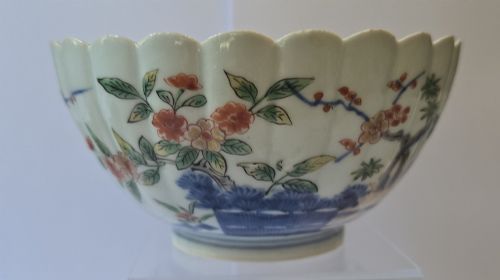
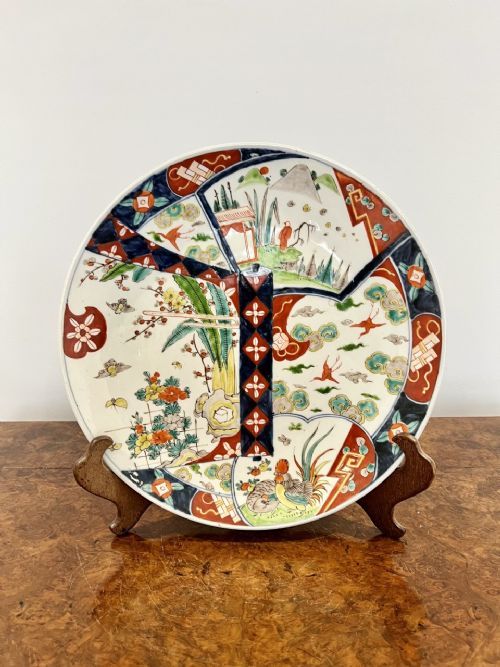
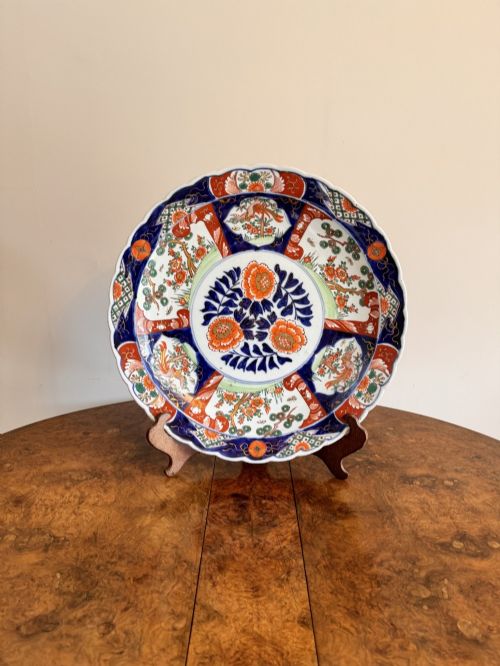
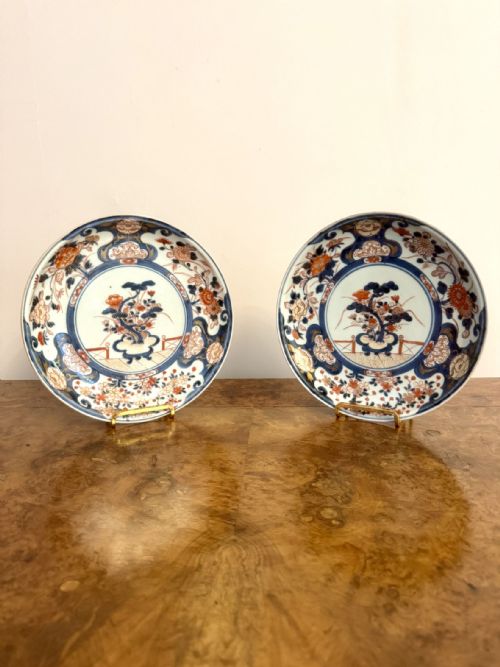
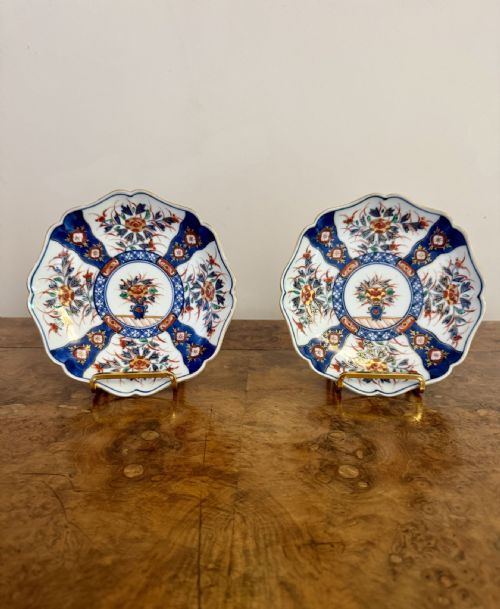
When you search for edo style porcelain, you find decorative ceramics encompassing plates, chargers, bowls, and vases originating from Japanese and French workshops. The pieces span periods from the seventeenth century through the Edwardian era, reflecting historical design influences.
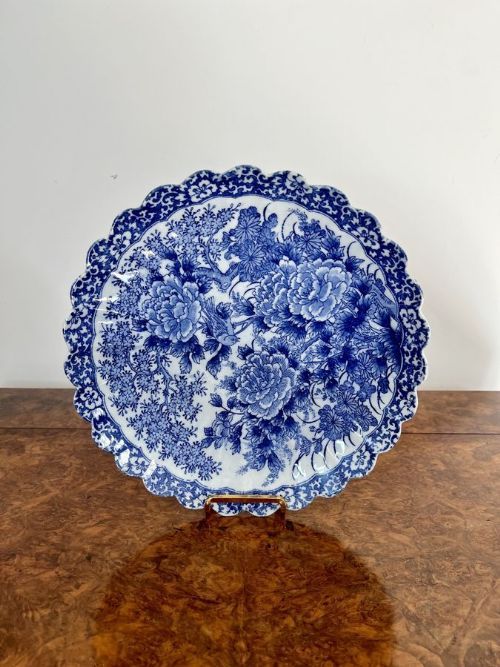
You are most likely to encounter nineteenth and early twentieth century Japanese Imari plates and chargers featuring distinctive scalloped edges and blue and white designs. These ceramics showcase traditional forms such as trumpet shaped beaker vases and ewers alongside standard decorative dishes.
What varies in quality
The sophistication of the hand painted brushwork separates standard domestic items from finer decorative pieces. Precision in cobalt underglaze lines and the careful application of enamel and gilt determine visual depth.
The crispness of moulded forms, particularly on scalloped edges and trumpet shaped beakers, indicates the skill involved in production. Consistency in glaze finish and the preservation of gold leaf contribute to overall visual strength.
Edo Style Porcelain Retail Price Guide 2026
Typical asking prices for edo style porcelain among the pieces listed under this phrase on Sellingantiques today, from the lower quarter to the upper quarter. They describe what is for sale here now, not the wider market.
Many seventeenth century beakers survived simply because someone decided a trumpet shaped vase looked rather dashing on a shelf.
The Edo Style Porcelain Glossary
- Imari
- A style of Japanese porcelain featuring distinctive blue, iron red, and gold decoration. It originated in Arita and became widely exported.
- Charger
- A large decorative plate or platter intended for display rather than serving food. These pieces often showcase intricate surface designs.
- Ewer
- A large pitcher with a wide spout used for pouring liquids. In ceramics, these items combine practical forms with decorative painting.
- Glaze
- A glassy coating fused to ceramic pottery through firing. It seals the clay body and provides a smooth or glossy surface.
- Bequer
- A trumpet shaped vessel lacking handles. These vases expand outward toward the rim.
Edo Style Porcelain: Frequently Asked Questions
How do I display a charger?
Chargers suit wall mounting or display on sturdy stands due to their generous size.
Their decorative surface patterns reward placement in well lit areas where the colours remain visible.
What is Arita porcelain?
Arita porcelain refers to wares produced in the Hizen province of Japan around the town of Arita.
Kilns there pioneered many techniques associated with classical Japanese ceramic exports.
How do I clean antique porcelain?
Dust these ceramics gently with a soft, dry cloth to prevent surface abrasion.
Avoid immersing pieces with delicate gilt or enamel highlights in water.
What defines Japanese Imari?
Japanese Imari typically combines cobalt underglaze blue with iron red enamel and gold accents.
Designs often incorporate floral and geometric motifs arranged in symmetrical panels.