




Edo Porcelain Vessel
An edo porcelain vessel brings the artistry of historical Japanese kilns directly into your interior, offering tangible craftsmanship from earlier centuries.
Edo Porcelain Vessel
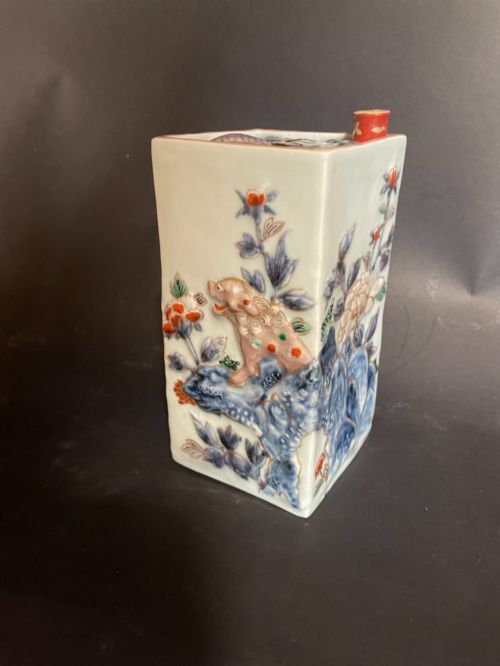
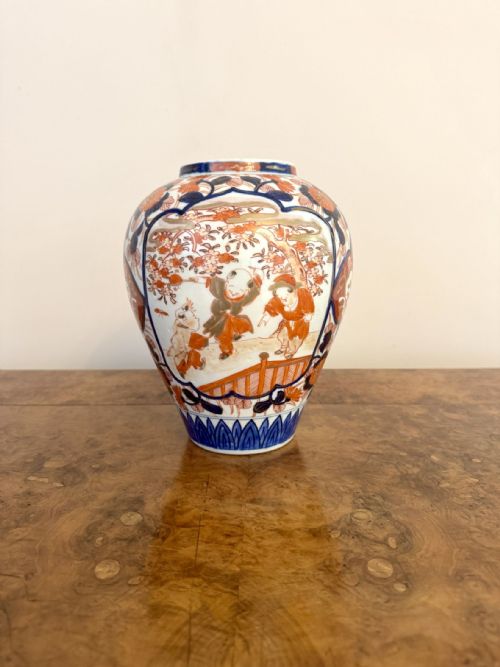
When you search for an edo porcelain vessel, you encounter forms that span centuries of Japanese ceramic tradition, ranging from the seventeenth century through to later nineteenth-century interpretations. The selection frequently includes Japanese Imari and Kakiemon styles, displaying the distinct decorative approaches of their respective workshops.
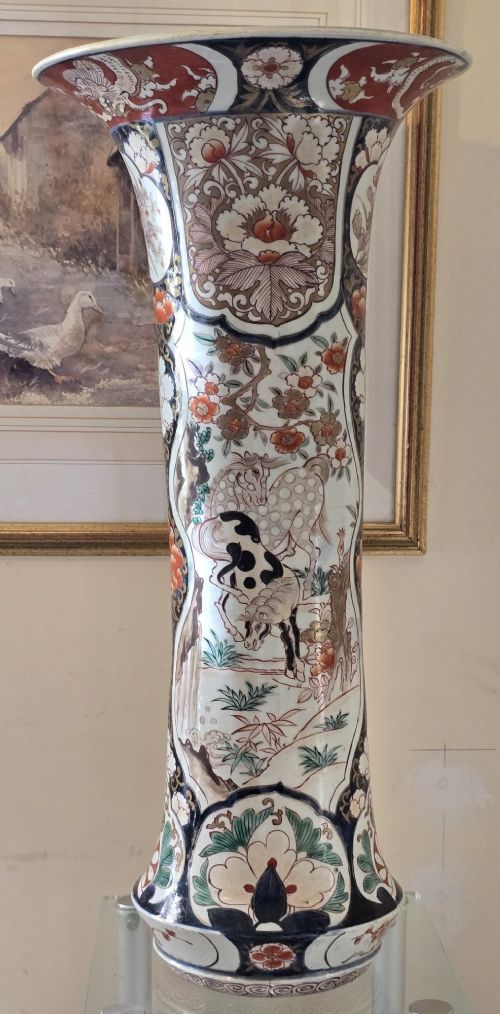
The objects themselves vary widely in utility and shape, covering functional items like sake flasks and ewers alongside decorative bowls, shaped dishes, jardiniere, and lidded jars. Trumpet vases, hexagonal vessels, boat-shaped dishes, and incense burners or censers appear among these forms, reflecting diverse domestic and ceremonial uses.
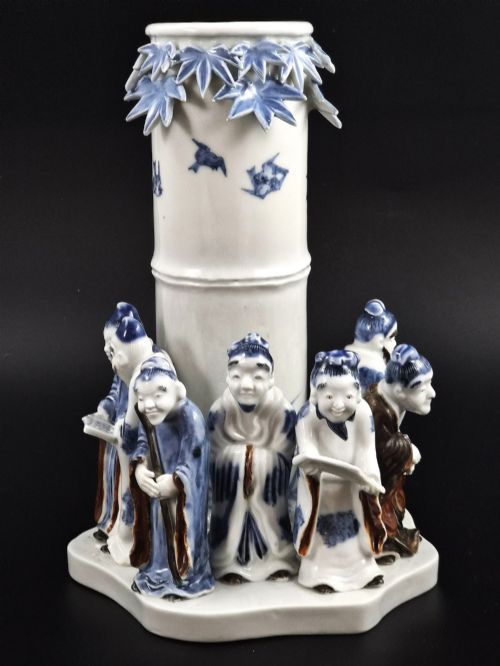
Originating predominantly from Arita and Mikawachi, these pieces showcase the output of historical kilns operating during the Edo period and subsequent Bakumatsu era. You are most likely to meet Japanese Imari examples on this page, alongside specific regional types such as Hirado figural bamboo vases.
Materials and methods of manufacture
The foundation of every piece relies on porcelain clay fired at high temperatures to achieve a vitrified body. Artisans then applied decoration using cobalt oxide underglaze, alongside various enamel colours.
Surface enhancement often involved the addition of gold leaf, gilt, and gilding over the glaze. Metal components occasionally complete the construction, particularly on incense burners and censers.
Edo Porcelain Vessel Retail Price Guide 2026
Typical asking prices for edo porcelain vessel among the pieces listed under this phrase on Sellingantiques today, from the lower quarter to the upper quarter. They describe what is for sale here now, not the wider market.
Some eighteenth-century vessels bravely depict horses, proving that even fine porcelain masters occasionally enjoyed horsing around.
Distinctions in quality and execution
The hierarchy of quality rests primarily in the crispness of the hand-painted decoration and the precision of the form. Pieces exhibiting finely controlled cobalt oxide work and accurately shaped edges stand apart from simpler commercial output.
The complexity of the form and the richness of the palette also define distinction. Vessels featuring detailed pictorial schemes, such as horse decoration or figural motifs, demonstrate superior artistic ambition compared to plain or repetitive patterns.
Arita Japan·Mikawachi
The Edo Porcelain Vessel Glossary
- Imari
- A style of Japanese porcelain featuring a palette of underglaze blue, iron red, and gilt. It originated in Arita and became immensely popular for export.
- Kakiemon
- A refined style of Japanese ceramic decoration characterised by an asymmetrical arrangement of delicate enamels. The palette typically includes soft red, yellow, green, and blue.
- Tokuri
- A traditional Japanese flask primarily used for serving sake. These vessels often feature a rounded body tapering to a narrow neck.
- Koro
- A Japanese incense burner, typically fitted with a pierced cover. They appear in various forms, including tripod vessels and handled pots.
- Jardiniere
- A large ornamental pot or container designed to hold plants or flowers. In Japanese export wares, these items often display elaborate panelled decorations.
- Bakumatsu
- The final days of the Edo period spanning the mid-nineteenth century. This era produced distinctive wares during a time of immense social transition in Japan.
Edo Porcelain Vessel: Frequently Asked Questions
How were tokuri used historically?
A tokuri served as a flask for holding and pouring sake during meals or social gatherings. The narrow neck helped regulate the flow of the liquid when poured into small cups.
Over time, these vessels evolved in shape from simple utility items to highly decorative pieces displaying distinct regional painting styles.
What is an incense burner koro?
A koro functioned as a vessel for burning aromatic incense during religious ceremonies, tea gatherings, or daily domestic life. Their pierced lids allowed the fragrant smoke to disperse evenly throughout the room.
These pieces often incorporate metal components or three-legged supports to protect delicate surfaces from heat.
How do Imari and Kakiemon differ?
Imari porcelain relies on a strong visual impact created by dense underglaze cobalt blue combined with iron red and abundant gilding. The overall effect tends to be rich and colourful.
Kakiemon porcelain utilises a more restrained aesthetic with asymmetrical motifs painted in soft enamel colours on a milky white porcelain body, leaving ample negative space.
How do I care for antique porcelain?
Antique porcelain requires gentle handling and should be cleaned manually using lukewarm water and mild soap when necessary. Avoid harsh chemical cleaners or abrasive sponges that could damage the overglaze enamels or gold leaf.
Display these vessels in stable environments away from direct sunlight and sudden temperature fluctuations to preserve the glaze and pigments.