






Edo Period Lacquer
Edo period lacquer brings together centuries of Japanese craftsmanship, offering intricate wood and metalwork for collectors of traditional design.
Edo Period Lacquer
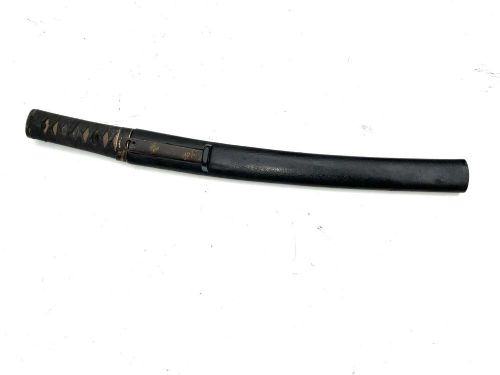
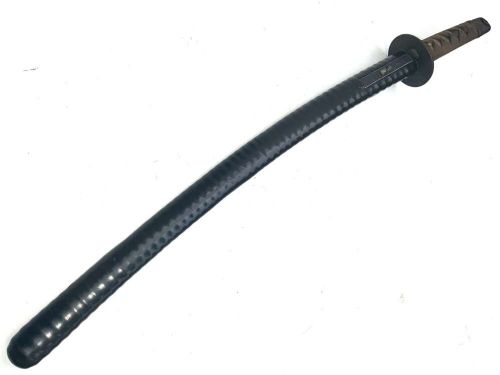
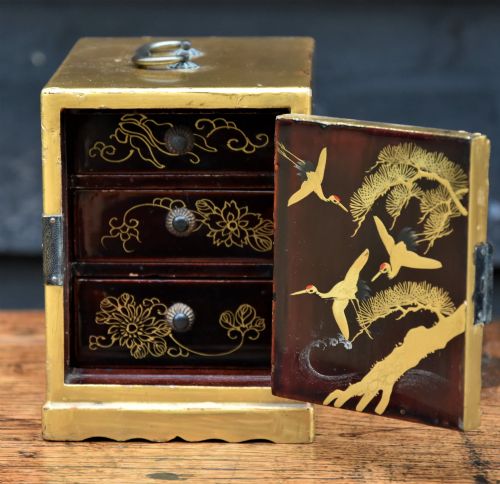
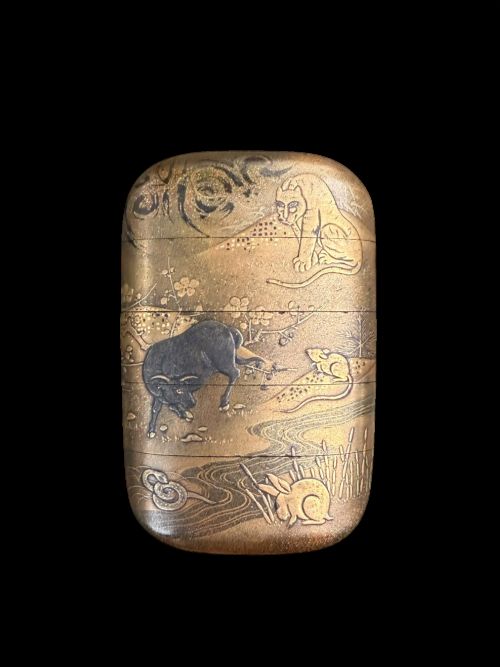
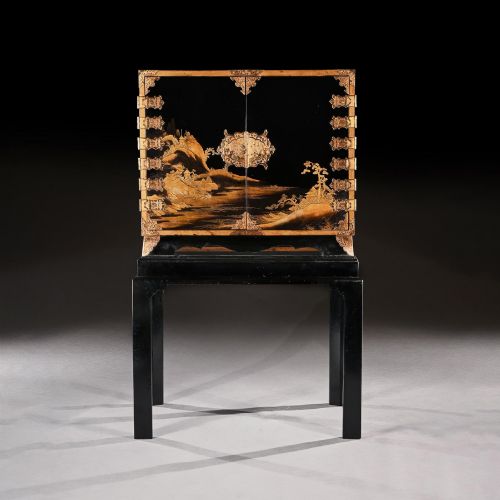
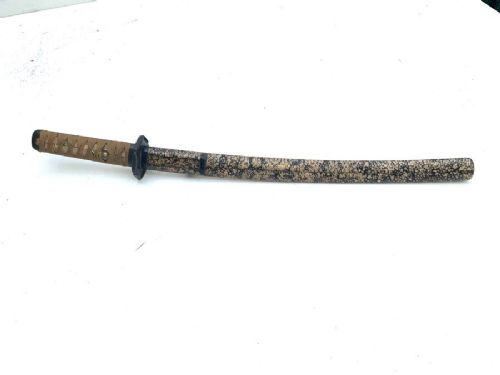
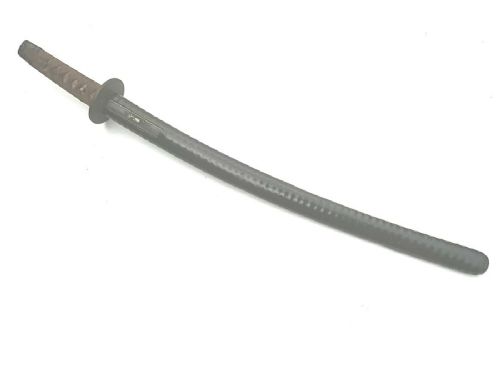
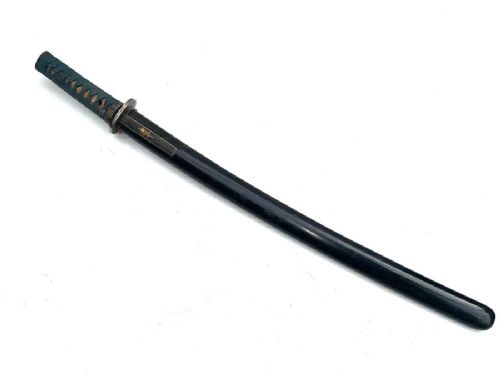
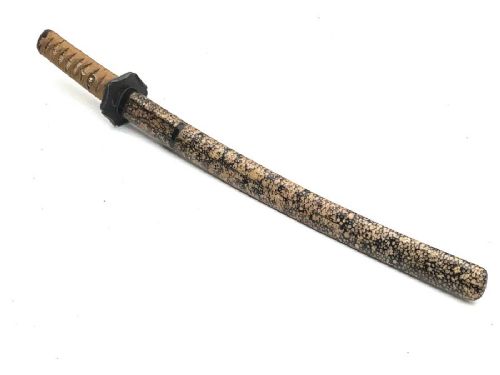
Edo period lacquer encompasses a range of objects including jewellery boxes, inro, cabinets on stand, and samurai swords mounted with lacquered details. These pieces originate primarily from the 17th century through the 19th century, reflecting the material culture of traditional Japan.
Buyers frequently encounter decorative boxes, storage cabinets, and edged weapons on this page. The forms range from portable inro and kodansu jewellery boxes to larger tansu chests and cabinets on stand.
The objects demonstrate the intersection of utilitarian function and decorative refinement. Makers applied finishes to wood, creating durable surfaces that protected contents while displaying visual motifs.
How they were made
Makers utilised wood as the core structural material for boxes, cabinets, and chests. This substrate received coats of lacquer to seal and prepare the surface for subsequent ornamentation.
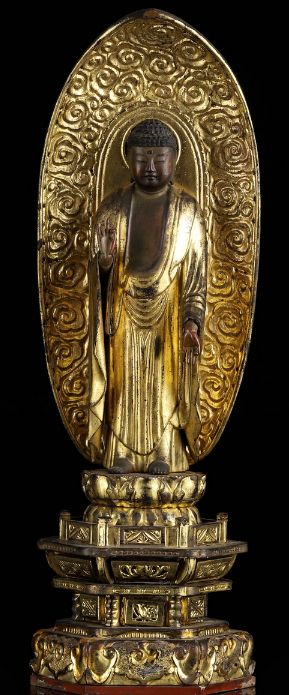
Gold leaf appeared frequently as a decorative element, applied over the lacquered surfaces to create contrasting highlights and motifs. Artisans also incorporated steel, iron, brass, and ray skin in sword mountings and cabinet fittings.
Edo Period Lacquer Retail Price Guide 2026
Typical asking prices for edo period lacquer among the pieces listed under this phrase on Sellingantiques today, from the lower quarter to the upper quarter. They describe what is for sale here now, not the wider market.
Listings feature items spanning the seventeenth to the nineteenth century, utilising wood, lacquer, gold leaf, and iron.
What varies in quality
The refinement of the surface decoration separates standard utilitarian items from finer examples. The precision of gold leaf application and the depth of the lacquer finish indicate the level of artisan skill involved.
The integrity of the underlying wood and the preservation of associated metal fittings, such as brass and iron work on cabinets and swords, influence the overall character of the piece.
The Edo Period Lacquer Glossary
- Lacquer
- A durable finish derived from tree sap, applied in multiple coats to wood surfaces. It provides a protective and glossy exterior suited to decorative objects.
- Inro
- A small traditional Japanese case for holding small objects, suspended from a sash. These portable containers often feature detailed surface decoration.
- Kodansu
- A small table cabinet or jewellery box used for personal storage. These pieces frequently incorporate drawers and compartments.
- Wakizashi
- A traditional Japanese short sword carried by samurai. The mountings often include lacquered elements and metal fittings.
- Kiri wood
- A lightweight timber native to Japan, utilised for storage cabinets and chests. Its stability makes it suitable for enclosing sensitive items.
Edo Period Lacquer: Frequently Asked Questions
How do you date Edo period lacquer?
Dating relies on examining the construction methods, material combinations, and stylistic motifs characteristic of the 17th through 19th centuries. Changes in decorative preferences help place items within this timeframe.
Comparative analysis with documented examples provides further context for specific periods like the Meiji transition.
What is a kodansu cabinet?
A kodansu is a small tabletop cabinet designed for storing jewellery and valued personal possessions. These miniature case pieces feature multiple internal drawers.
Artisans decorated the exterior surfaces with techniques including gilt lacquer to enhance their visual appeal.
How should I care for lacquer?
Care involves maintaining stable environmental conditions away from direct sunlight and extreme humidity fluctuations. Gentle dusting with a soft cloth preserves the finish.
Avoiding harsh cleaning agents protects the underlying wood and decorative leaf layers from damage.