

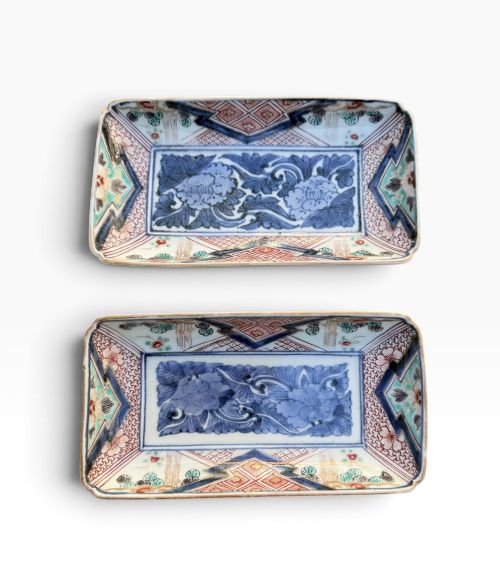
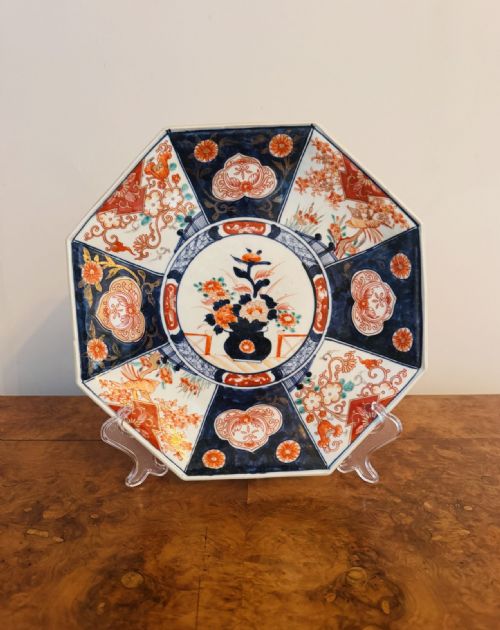

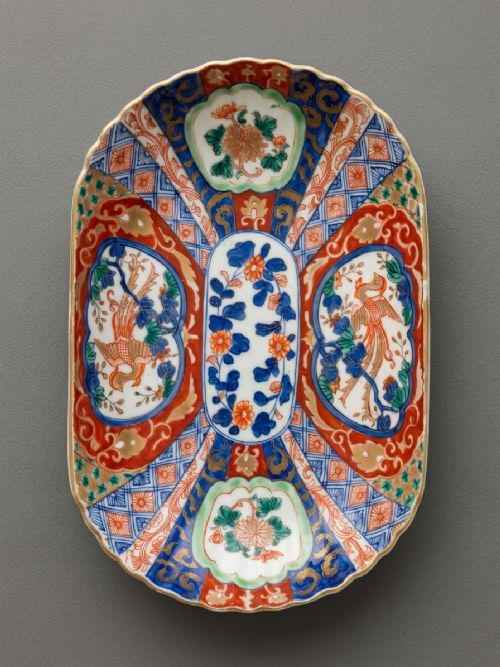

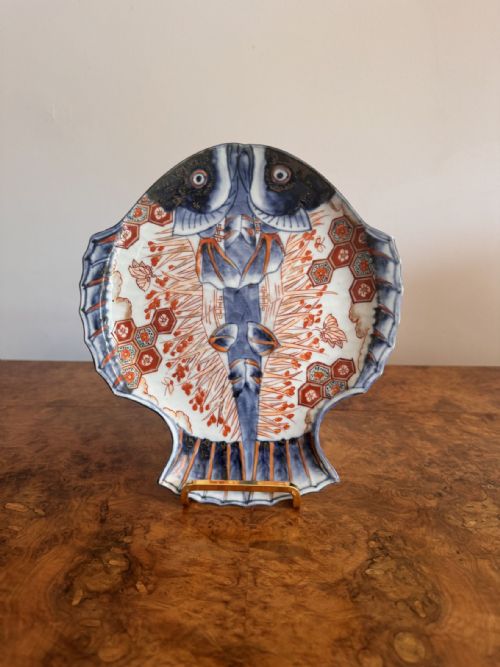

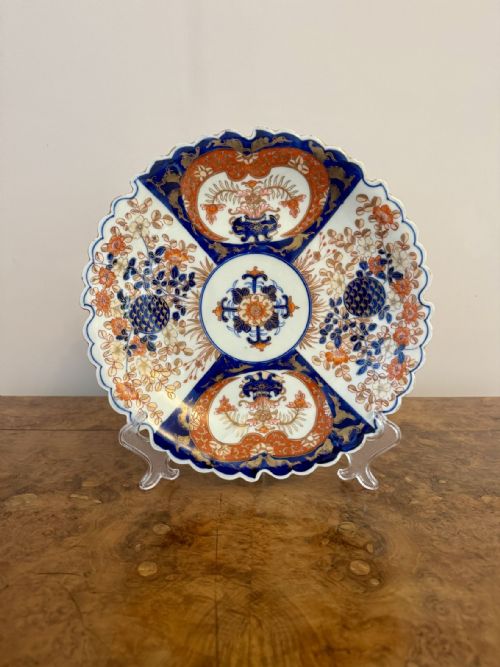
Edo Imari Dish
An edo imari dish brings centuries of Japanese ceramic artistry to a room, offering rich cobalt underglaze and enamel decoration on porcelain.
Edo Imari Dish
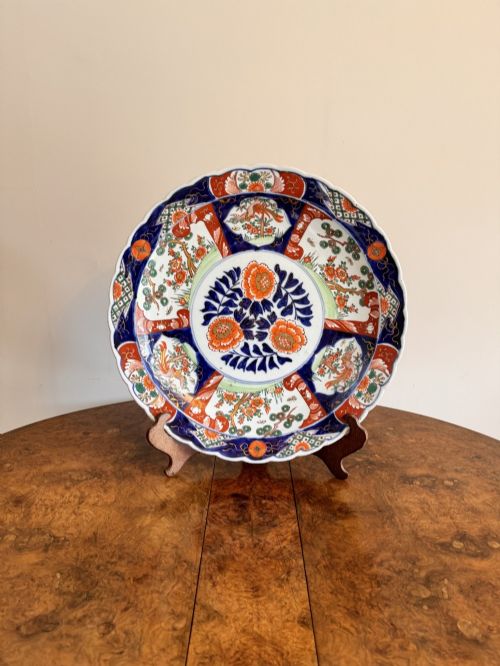
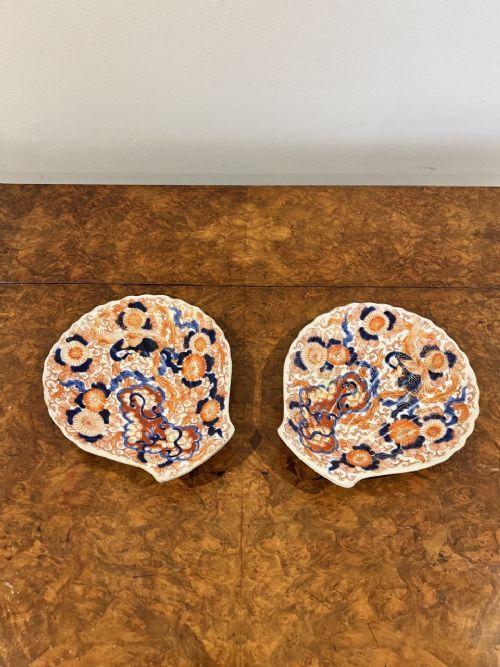
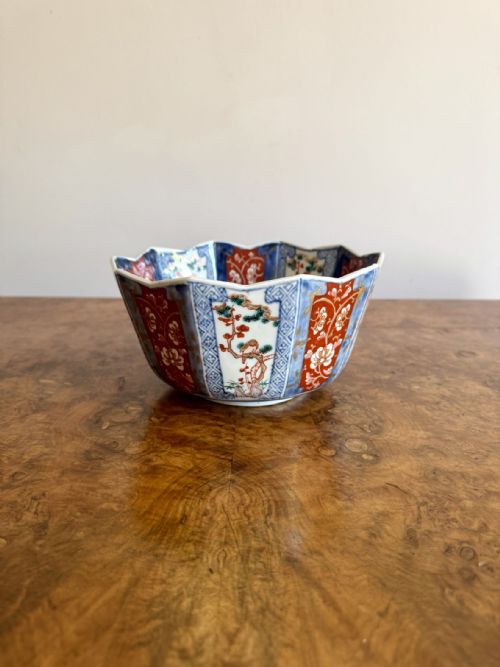
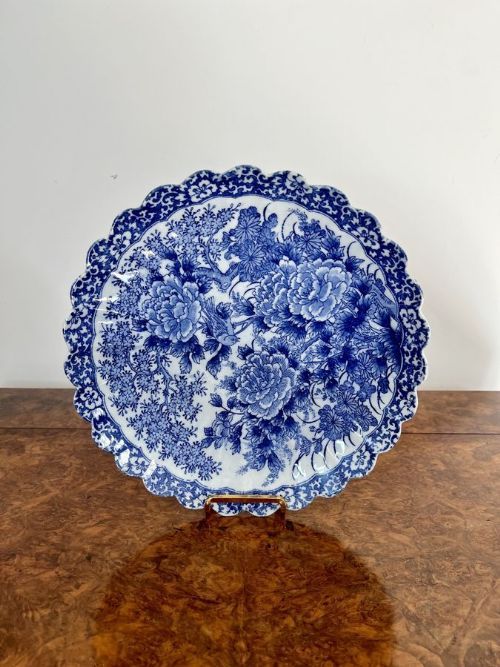
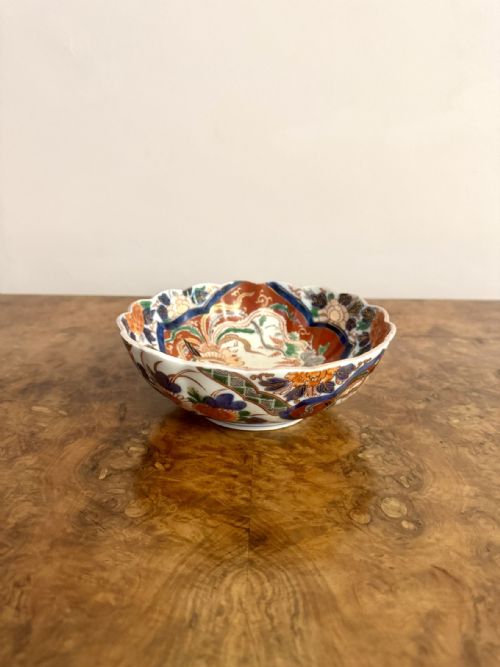
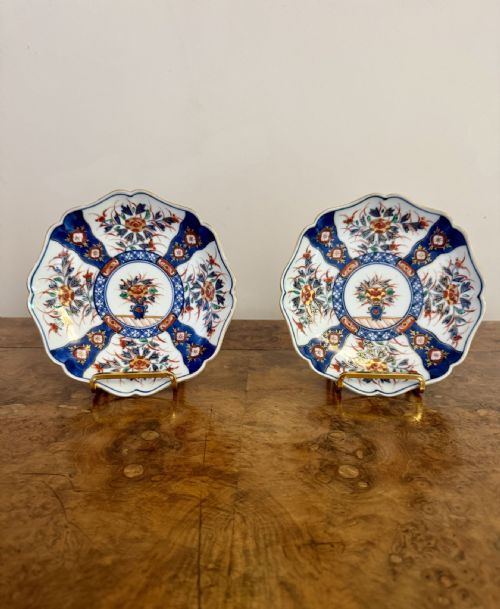
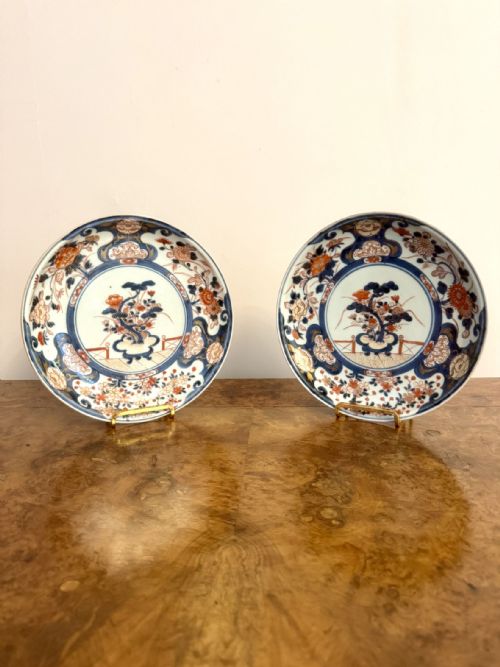
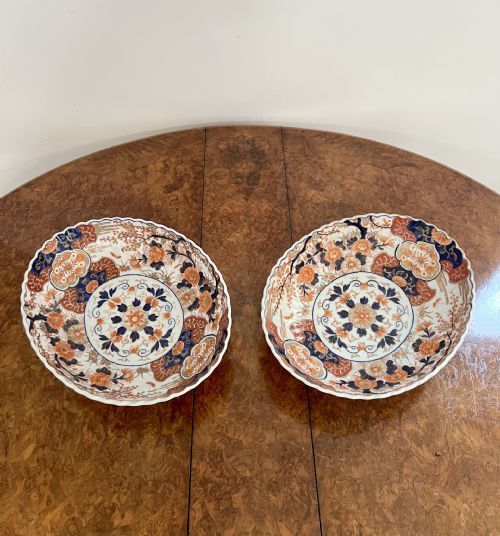
An edo imari dish represents a distinct tradition of Japanese porcelain originating from Arita and spanning the Edo period alongside later centuries. Collectors encounter various forms here, ranging from standard plates and chargers to specialised shapes such as hexagonal, scalloped, square, fan, leaf, fish, and shell designs.
The pieces present on this page bridge multiple eras, stretching from the seventeenth century through the nineteenth century and into the early twentieth century. Standard plates and chargers dominate the selection, accompanied by decorative bowls and shaped dishes.
How they were made
Potters shaped porcelain and ceramic bodies before applying cobalt underglaze pigments and colourful enamel decoration. Artisans often incorporated gold leaf and gilding to highlight specific details across the surface of the plate or bowl.
Firing techniques utilised high kiln temperatures to fuse the glaze and enamel layers to the ceramic base. Hand painting ensures each individual piece displays subtle variations in brushwork and pigment density.
Edo Imari Dish Retail Price Guide 2026
Typical asking prices for edo imari dish among the pieces listed under this phrase on Sellingantiques today, from the lower quarter to the upper quarter. They describe what is for sale here now, not the wider market.
Listings on this page span the seventeenth, eighteenth, nineteenth, and early twentieth centuries, featuring porcelain, enamel, gold leaf, and cobalt glaze.
What varies in quality
The finesse of the hand painted cobalt underglaze and enamel details separates standard examples from superior pieces. Crisp outlines and balanced colour application demonstrate higher skill from the artisan.
Moulding complexity also dictates distinction, particularly in non-standard forms like fish, leaf, and shell shapes that require precise ceramic manipulation during production.
The Edo Imari Dish Glossary
- Arita
- The Japanese town and surrounding region where the production of Imari porcelain originated. Kilns here produced the ceramic bodies for domestic use and export.
- Cobalt Underglaze
- A blue pigment applied to the raw ceramic body before glazing and firing. This method ensures the colour remains permanent and protected beneath the glassy surface layer.
- Charger
- A large decorative plate intended for display rather than standard dining use. These large items showcase more complex painted compositions.
- Scalloped
- An edge shaped into a series of continuous curves resembling the outline of a scallop shell. This decorative contour appears frequently on plates and bowls.
Edo Imari Dish: Frequently Asked Questions
What is an edo imari dish?
An edo imari dish is a piece of Japanese porcelain decorated with cobalt underglaze and enamel, originating from traditions associated with the Edo period and the town of Arita.
These ceramics encompass various forms, including standard plates, chargers, bowls, and shaped vessels designed for decorative display.
How were edo imari dishes used?
Historically, these ceramics served practical dining functions as well as decorative display roles within interiors. Large chargers and special shapes were often exhibited on walls or furniture.
Over time, collectors prized them for their intricate hand painted patterns and vibrant colour palettes.
How do you date an edo imari dish?
Dating relies on examining the ceramic body, the style of the cobalt underglaze, and the specific application of enamel and gold leaf. Different periods exhibit distinct painting conventions and potting techniques.
Comparing the form and decorative motifs to established historical examples helps place the piece within the seventeenth, eighteenth, or nineteenth century.
How do you care for an antique dish?
Care involves gentle handling and avoiding harsh cleaning agents that might damage the delicate enamel and gilding on the surface. Displaying the piece away from direct sunlight preserves the vibrancy of the pigments.
Hand washing with mild soap is recommended if cleaning is necessary, avoiding immersion in automated dishwashers.