
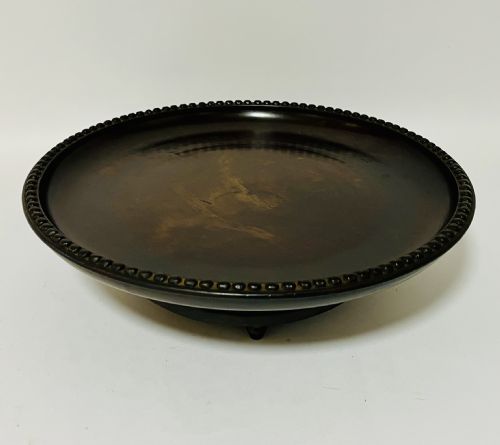


Ebonised Music Box
An ebonised music box brings dark, dramatic timberwork together with intricate mechanical sound, offering a tactile piece of Victorian parlour history.
What these pieces are
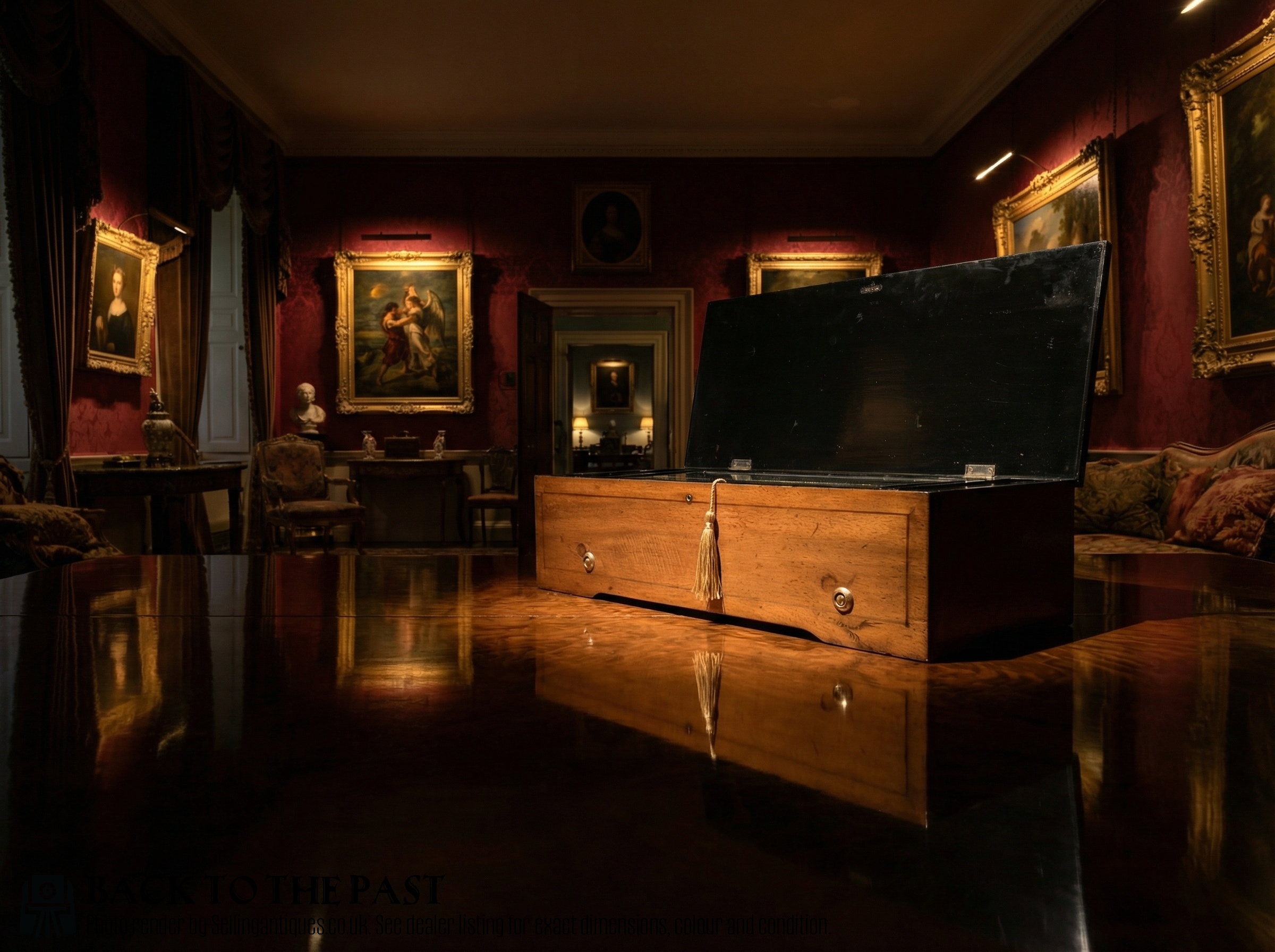
An ebonised music box is a mechanical sound machine housed in dark wood, primarily originating from the Victorian era and the late nineteenth century. These objects combine the visual weight of ebonised wood with the delicate engineering of pinned cylinders and steel combs.
Most examples found in these listings date from the Victorian period, around eighteen seventy-five to nineteen hundred, and often feature Swiss origins. Buyers frequently encounter musical boxes designed to play specific numbers of airs, sometimes incorporating visible bells.
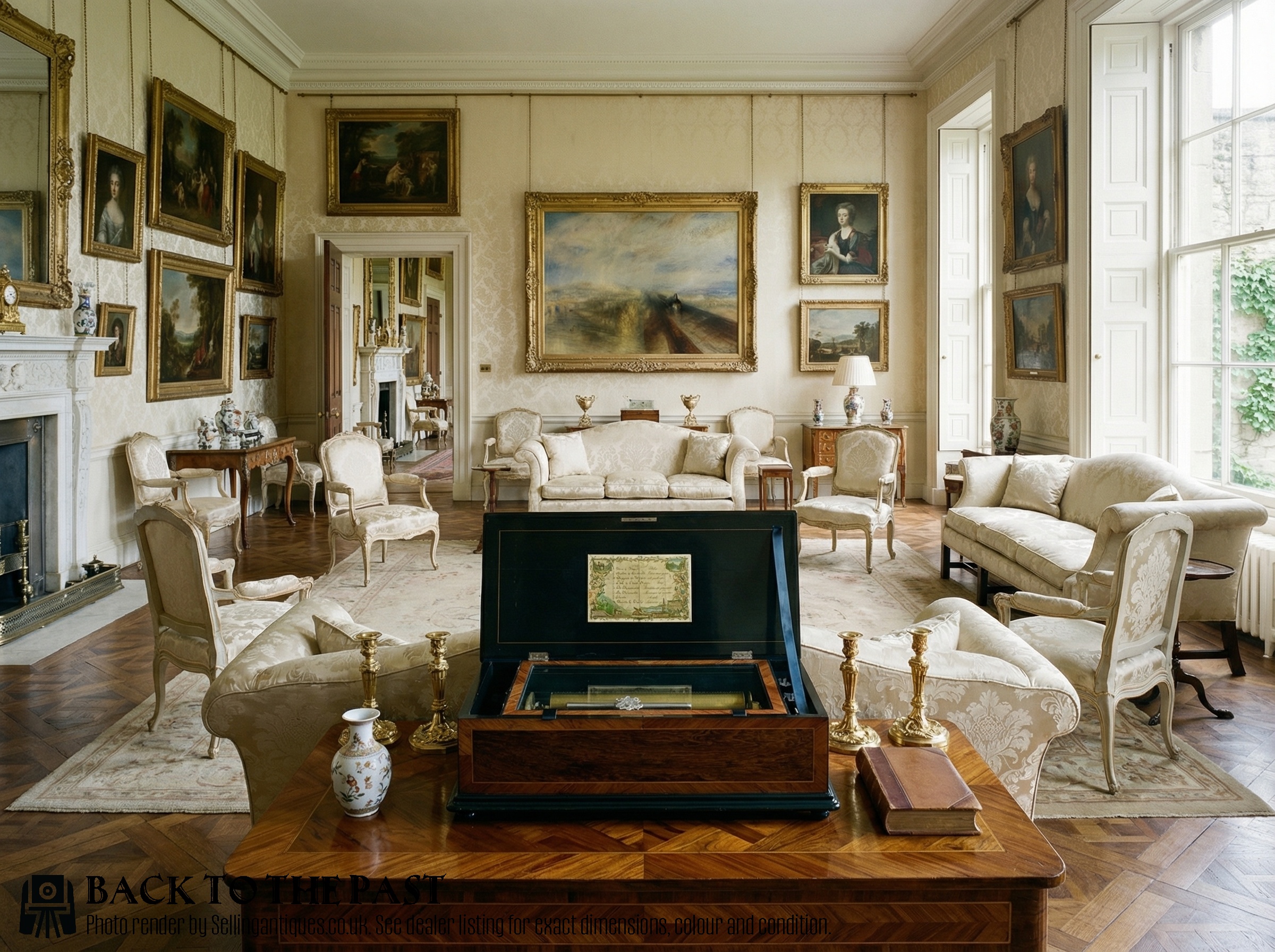
The decorative schemes on these boxes range from plain ebonised finishes to marquetry inlay and contrasting burr walnut or rosewood veneers. They serve as both furniture ornaments and functional instruments of domestic entertainment.
How they were made
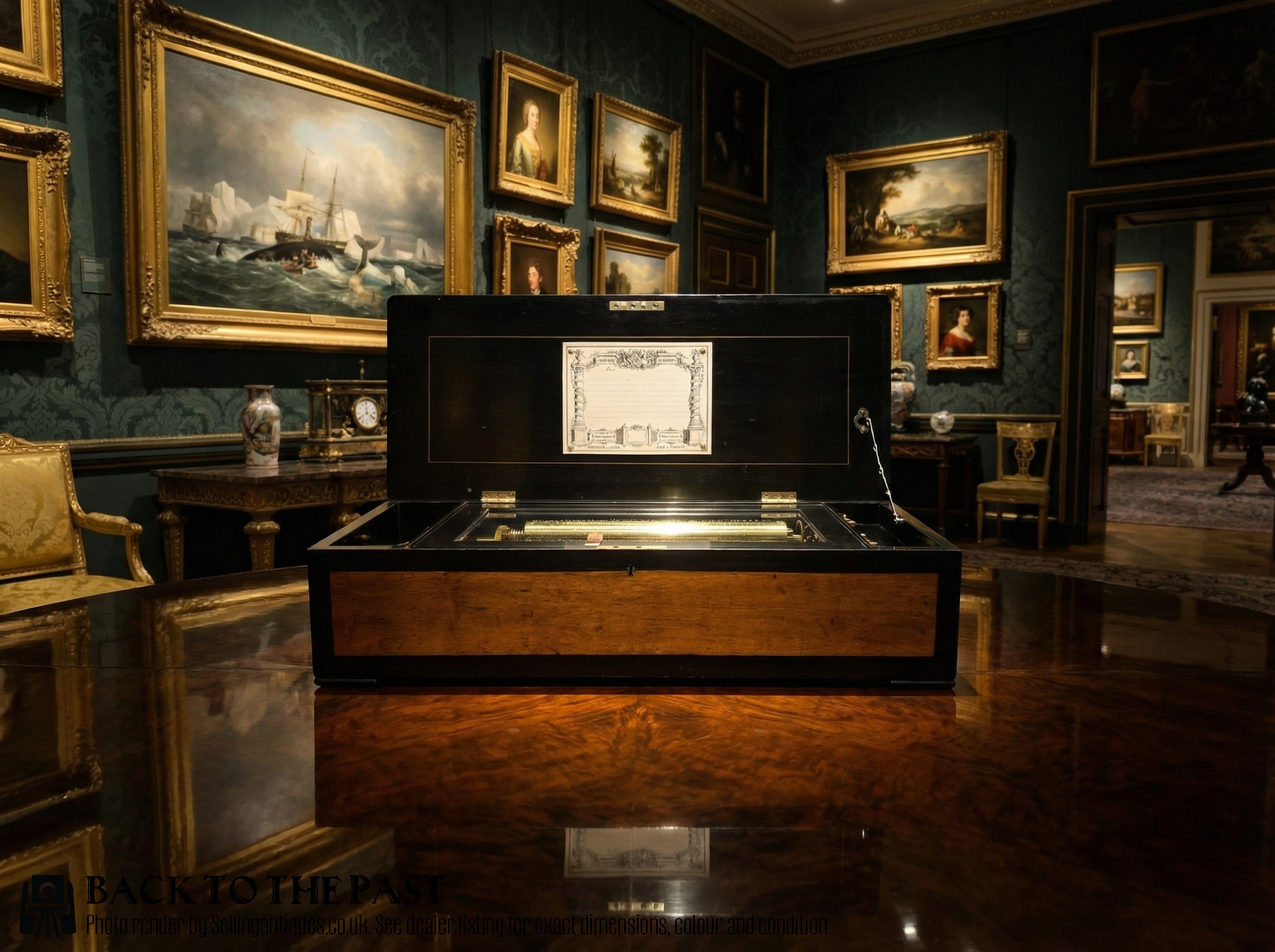
The construction relies on timber framing finished with ebonising, alongside secondary woods such as rosewood and burr walnut veneers. Metal components including brass, steel, and glass protect and operate the internal musical movements.
Makers pinned rotating metal cylinders by hand to pluck tuned steel comb teeth, producing programmed melodies known as airs. Hand crank mechanisms or spring-driven motors power the rotation, while visible bells add secondary percussion in elaborate models.
Retail Price Guide 2026
Typical UK retail prices for ebonised music box, calculated from the Sellingantiques database of over a million retail prices indexed since 2003. This retail price guide relies exclusively on Sellingantiques data; no external sources or auction records are used, so the figures do not describe the wider market.
Some nineteenth-century listeners preferred their mechanical music accompanied by the cheerful, visible ding of tiny brass bells.
What varies in quality
Quality separates simple wooden enclosures from intricate musical instruments by the precision of the pinned cylinder and the resonance of the steel comb. Boxes featuring visible bells and complex eight-air movements sit at a higher tier than basic single-tune machines.
The finish of the ebonised wood and the crispness of any marquetry inlay determine the visual distinction of the exterior. Well-preserved veneer work and clean internal brass components signal superior craftsmanship.
Nicole Freres
The Ebonised Music Box Glossary
- Ebonised wood
- Timber treated to imitate the dark appearance of ebony. This dark finish provides a formal, dramatic appearance popular in Victorian design.
- Air
- A distinct musical tune played by the pinned cylinder. Boxes are often classified by how many of these melodies they can perform.
- Cylinder
- The rotating metal barrel set with pins that pluck the steel comb. Its precise engineering dictates the complexity of the music.
- Marquetry
- Decorative veneer patterns formed from pieces of contrasting wood. Craftsmen apply these designs to enrich the exterior surfaces of the box.
- Comb
- The tuned plate of steel teeth plucked by the cylinder pins. Each tooth is hand-tuned to generate specific musical notes.
Frequently Asked Questions
What is an ebonised music box?
An ebonised music box is a nineteenth-century mechanical instrument housed in dark, treated timber. These pieces combine intricate gearwork with decorative cabinetry designed for Victorian parlours.
Inside, a pinned cylinder plucks a steel comb to produce programmed melodies. The dark exterior finish contrasts with the bright metal components visible when the lid opens.
When were these music boxes made?
The available examples date primarily from the Victorian era, spanning the late nineteenth century around eighteen seventy-five to nineteen hundred. Swiss workshops produced a significant portion of these cylinder musical boxes.
Stylistic markers and mechanical complexity help identify pieces from this period. Walnut veneers, marquetry, and ebonised timber dominate the design vocabulary of these decades.
What materials are used in their construction?
Construction involves ebonised wood alongside secondary veneers like burr walnut and rosewood. Internal mechanics utilise brass, steel, and sometimes glass protective covers.
Exterior decoration often incorporates detailed marquetry inlay to contrast with the dark primary timber. The interior brass plates house the pins, springs, and comb assemblies.