

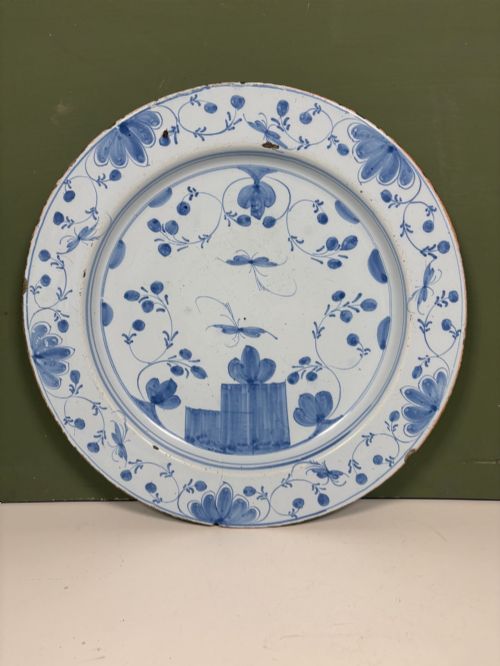


Earthenware Serving Platters
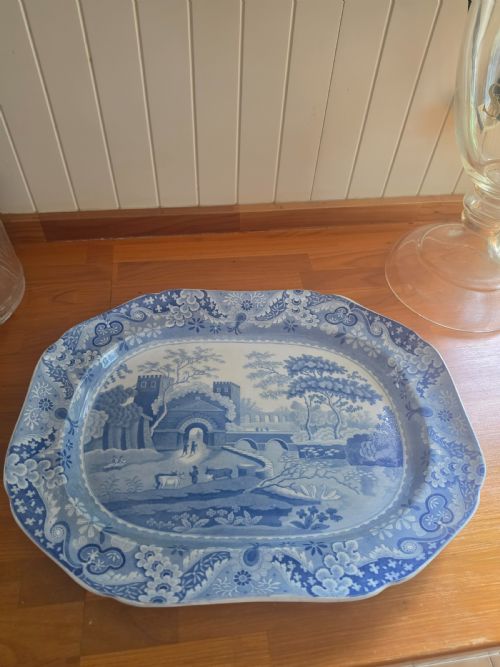
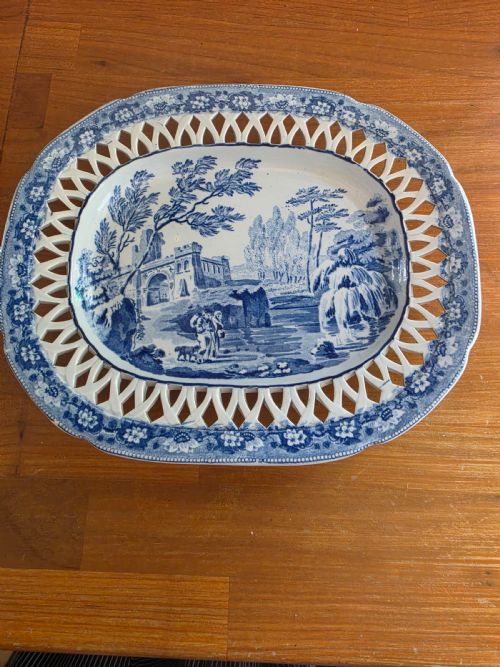
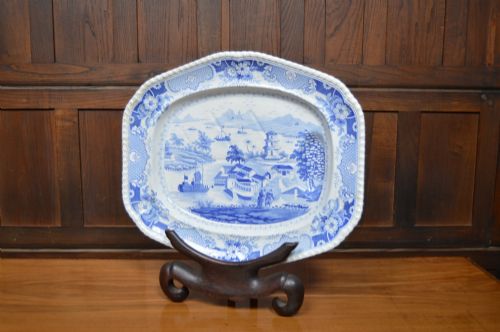
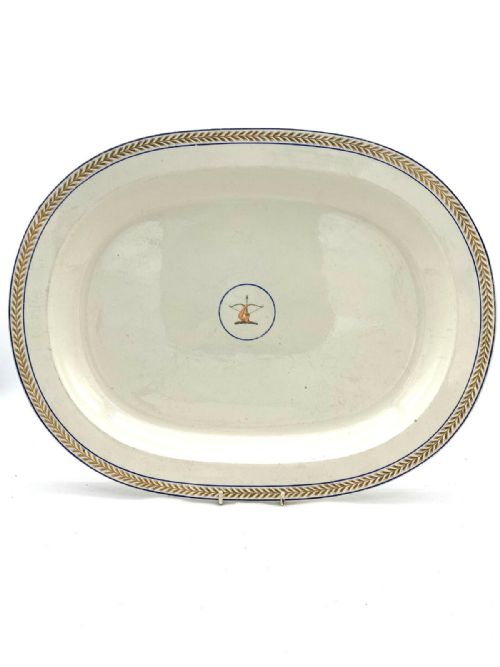
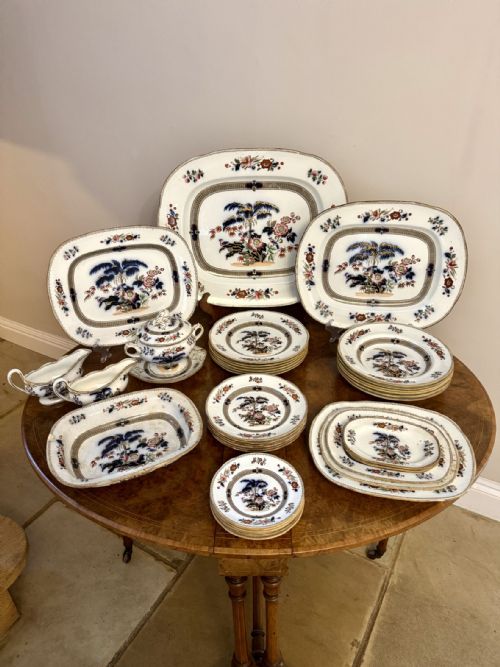
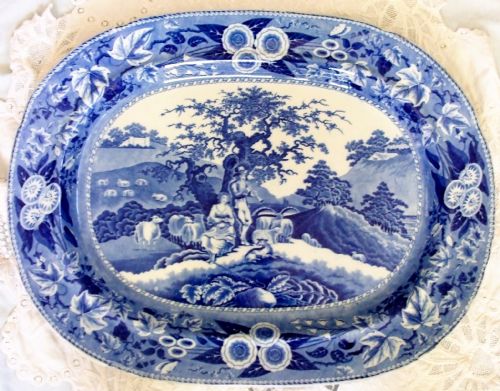
These earthenware serving platters bring nineteenth-century tables to life with blue and white transfer prints and creamware bodies.
Earthenware Serving Platters
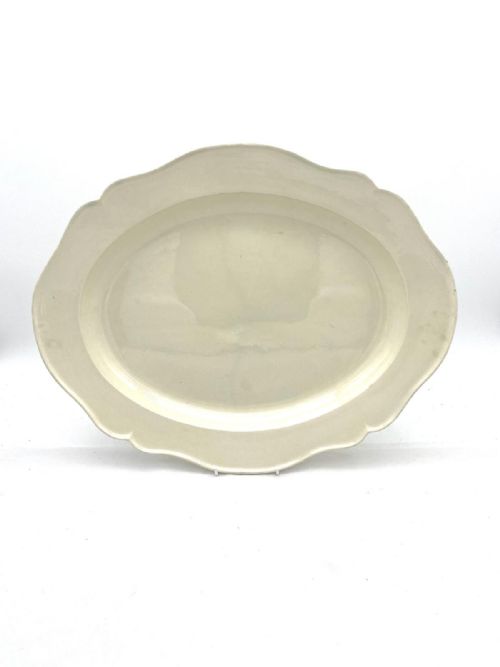
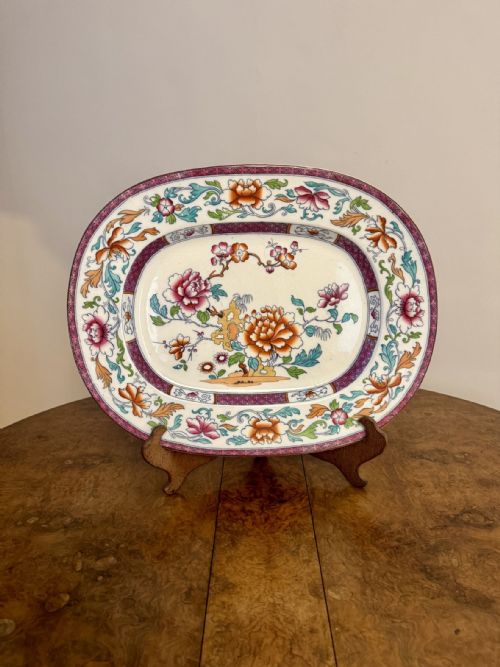
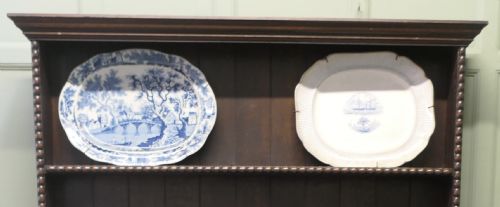
Earthenware serving platters include large meat plates, deep chargers and broad serving dishes made across the eighteenth and nineteenth centuries. These pieces provided the central vessels for family dining and formal entertaining before modern service sets took over.
Georgian and Victorian examples dominate the selection, stretching from creamware armorial platters to heavy blue and white transfer-printed meat dishes. Makers ranged from major Staffordshire potteries to Dutch delft workshops producing tin-glazed chargers.
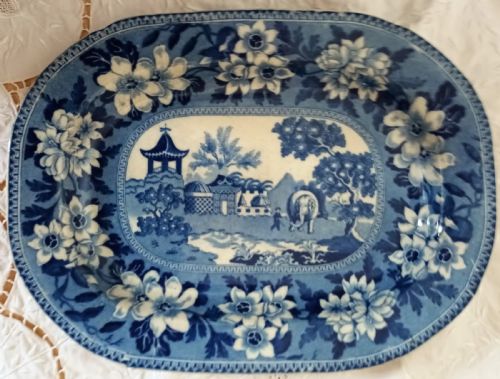
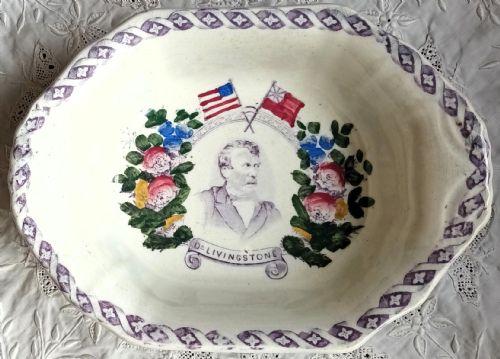
Buyers will find rectangular meat platters, round chargers and octagonal serving dishes decorated with transfer patterns like India Temple, Elephant, and various topographical views. These items span periods from the seventeen-hundreds through to late Victorian production.
Materials and Technique
Potters shaped earthenware bodies from refined clays, coating them in lead glazes, tin glazes or creamware finishes before kiln firing. Cobalt pigment was widely applied beneath the glaze to create deep blue transfer-printed scenes.
Transfer printing allowed potteries to apply intricate patterns onto ceramic surfaces using engraved copper plates and tissue paper. Early pieces also show hand-painted manganese and polychrome decoration on tin-glazed chargers.
The inventory records nineteenth-century British potteries alongside eighteenth-century delftware chargers and French Quimper faience dishes.
Quality and Execution
Quality rests in the crispness of the transfer print and the stability of the glaze during firing. Clear details on complex patterns like Chinese Marine or architectural views distinguish finer pieces from softer impressions.
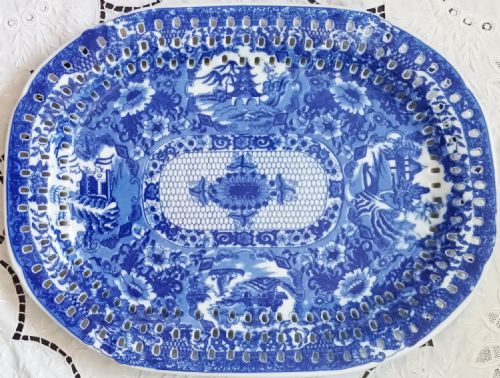
The weight and proportion of the earthenware body, alongside the crispness of moulded edges such as silver-shaped rims or pierced borders, indicate the skill of the original workshop.
Spode·Davenport·John Rogers and Son·Wedgwood·Copeland and Garrett·Minton·Booths
The Earthenware Serving Platters Glossary
- Creamware
- A fine light-coloured earthenware developed in Yorkshire and Staffordshire during the eighteenth century. It has a warm, pale yellow lead glaze.
- Transferware
- Pottery decorated by transferring a printed design from an engraved copper plate onto tissue paper and thence onto the ceramic body. This technique revolutionised mass production in the nineteenth century.
- Charger
- A large decorative plate or platter intended for display or ceremonial service at the table. Many examples date from the eighteenth century in delftware.
- Pearlware
- An refined earthenware developed to imitate Chinese porcelain, featuring a bluish glaze that pooled in recesses. It bridges creamware and later white ironstone.
- Slipware
- Pottery decorated with liquid clay applied to a contrasting clay body before firing. It appears on rustic serving dishes from the nineteenth century.
Earthenware Serving Platters: Frequently Asked Questions
How were earthenware platters used originally?
These platters held joints of meat, poultry and large courses at the centre of dining tables. Servants brought them from the kitchen to present food before individual carving.
Larger chargers also served as decorative wall plates or fruit stands in wealthy households during the Georgian and Victorian eras.
Can I use antique platters for serving food?
Most antique earthenware platters tolerate gentle hand washing, though old glazes can develop fine craze lines over centuries of use. Modern dishwashers and harsh detergents damage the soft lead glazes and nineteenth-century pigments.
Many collectors prefer to use them for dry foods or display them on sideboards rather than exposing them to heavy daily dining.
How do I date a blue and white platter?
Potters marked the backs of many nineteenth-century pieces with impressed names, registry diamonds or pattern titles. Stylistic clues like transfer-printed borders, body weights and the shade of the blue pigment also help place a dish in its correct decade.
Creamware bodies generally point to the eighteenth century, whilst dense ironstone and heavier Victorian bodies indicate production after eighteen-fifty.
What is the difference between creamware and pearlware?
Creamware has a warm, pale yellow tone created by a transparent lead glaze over a buff-coloured earthenware body. It was perfected by Staffordshire potters in the seventeen-seventies.
Pearlware uses a whiter body and a glaze containing a small amount of cobalt to produce a faint bluish tint in curves, designed to mimic Chinese export porcelain.