



Earthenware Art Pottery Bowl
An earthenware art pottery bowl brings hand-shaped character and rich historic glazes directly to your tabletop.
Earthenware Art Pottery Bowl
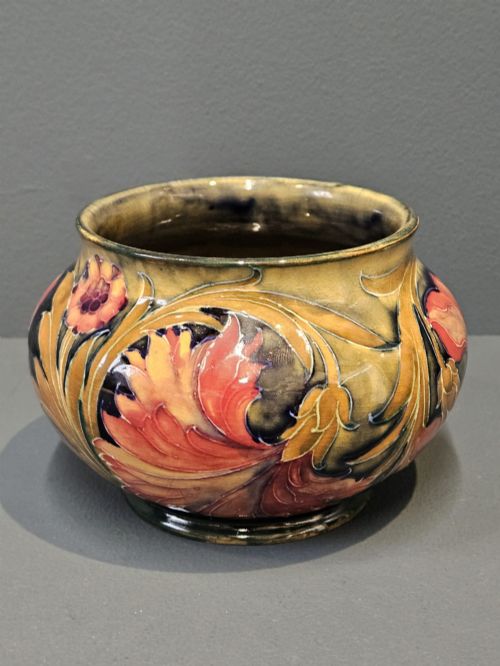
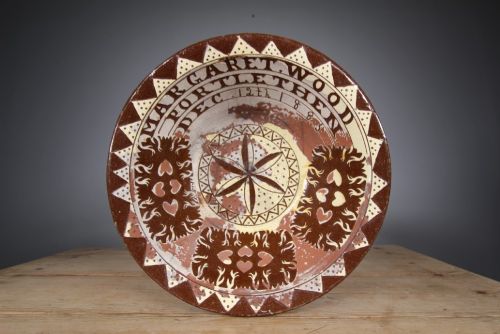
When you search for an earthenware art pottery bowl, you enter a diverse field spanning nineteenth-century folk traditions, Arts and Crafts experiments, and striking Art Deco designs. The pieces on this page range from modest nineteenth-century dairy vessels and wash basins to vibrant twentieth-century creations by renowned potteries.
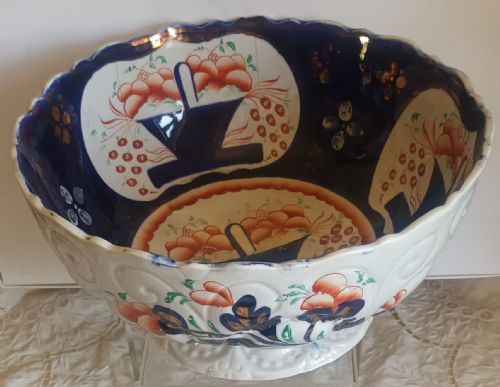
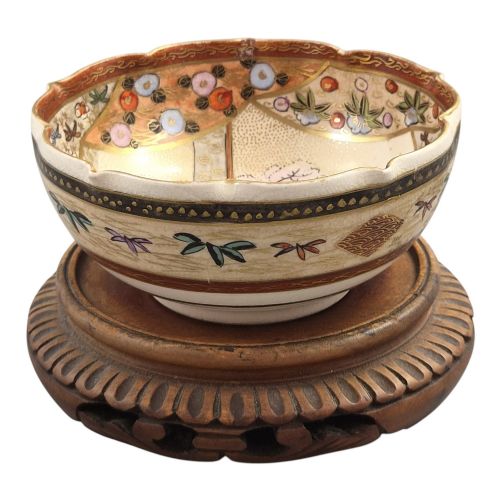
You will encounter forms that served practical household duties alongside decorative compote bowls and sugar basins intended for display. Slipware, faience, and Satsuma wares each represent distinct regional approaches to shaping and firing clay during these periods.
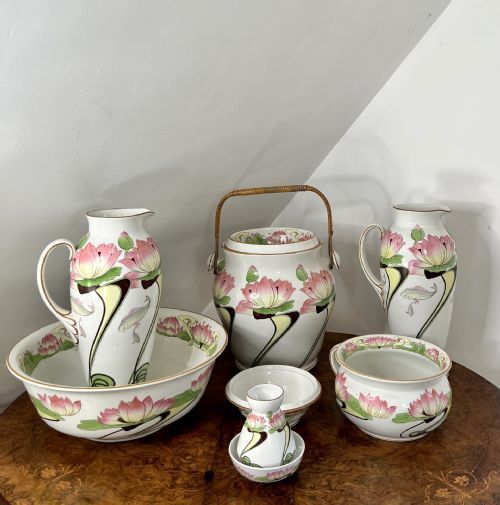
Victorian examples sit alongside Edwardian bathroom sets and later geometric patterns, offering a clear view of how domestic ceramics evolved across several decades. Each object retains the distinct marks of its maker and period style.
Materials and production
Potters built these vessels using porous earthenware bodies shaped by hand or turned on a wheel, applying slip or lead glazes to seal the surface. Many pieces utilise coloured enamels and slip glazes to build up surface patterns before the final kiln firing.
Decoration often involved hand-painted motifs, trailing slip, or applied gold leaf highlights that adhered to the fired glaze. These traditional methods ensure each bowl bears subtle variations in colour distribution and texture.
Earthenware Art Pottery Bowl Retail Price Guide 2026
Typical asking prices for earthenware art pottery bowl among the pieces listed under this phrase on Sellingantiques today, from the lower quarter to the upper quarter. They describe what is for sale here now, not the wider market.
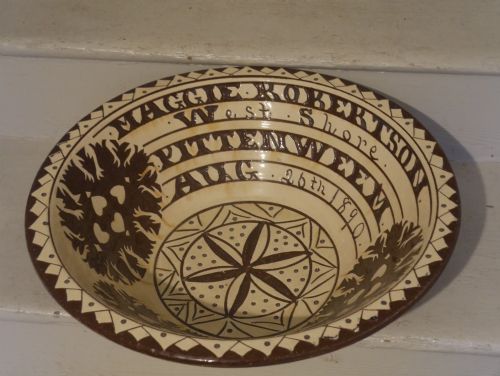
Early dairy bowls retain the quiet dignity of nineteenth-century farm kitchens, long retired from their original cream-skimming duties.
Assessing craftsmanship
Quality rests upon the control of the glaze and the crispness of the hand-painted or moulded decoration. Superior examples display harmonious colour integration and secure application of slip or enamel details.
The precision of the form and the depth of the glaze pooling distinguish standard domestic ware from ambitious studio and factory pieces. Makers who mastered complex kiln chemistry achieved richer surfaces and more durable finishes.
Seaton Pottery·Maling·Clarice Cliff·Charlotte Rhead Bursley Ware·Moorcroft Macintyre And Co·Hododa Yokohama
The Earthenware Art Pottery Bowl Glossary
- Earthenware
- Porous pottery fired at lower temperatures than stoneware or porcelain, requiring a glaze to hold liquids. It forms the structural base for traditional slipware and decorative majolica.
- Slip glaze
- Liquid clay applied to the pottery body to alter its colour or provide a smooth surface for further decoration. Potters often trailed contrasting slip to create linear patterns.
- Lead glaze
- A traditional shiny coating containing lead compounds that vitrifies during firing to create a transparent, glossy finish. It enhances the earthy tones of the underlying clay body.
- Compote bowl
- An elevated vessel on a stem and foot, traditionally used for serving fruit or sweets. These decorative forms highlight the stylistic ambitions of early twentieth-century makers.
Earthenware Art Pottery Bowl: Frequently Asked Questions
How do I clean an antique earthenware bowl?
Wash the piece gently by hand in warm water using a mild, non-abrasive detergent and a soft cloth.
Avoid soaking porous earthenware or exposing sudden temperature shifts that might stress historic glazes.
Can I use these bowls for serving food?
Many older earthenware pieces feature lead glazes or porous bodies that are unsuited for modern acidic foods and frequent dishwashing.
Reserve most antique and vintage examples for decorative display rather than daily culinary use.
What defines Arts and Crafts pottery?
Arts and Crafts ceramics emphasise handmade textures, naturalistic motifs, and the visible skill of the individual decorator or studio.
These pieces reject mass-produced uniformity in favour of distinct local clays and hand-applied slip designs.
How do I date a marked pottery bowl?
Look for impressed factory stamps, painted signatures, or registration numbers on the underside of the base.
Comparing these marks against standard ceramic reference guides reveals the specific working dates of the pottery.