




Earthen Tone Landscape Artwork
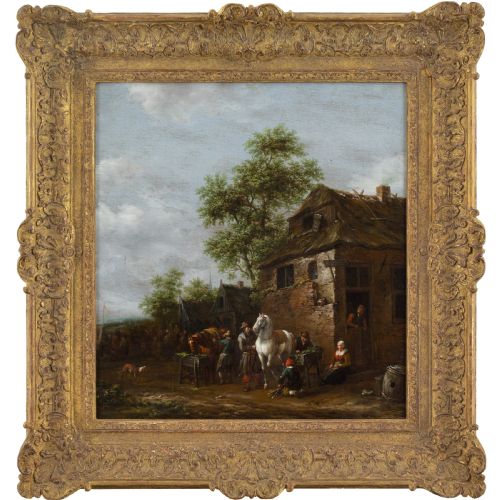
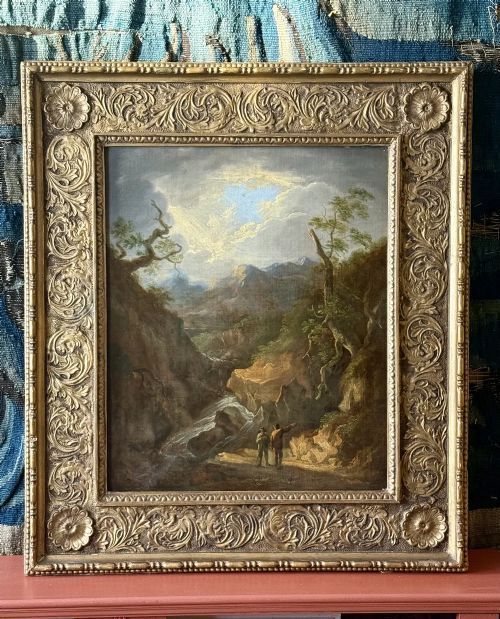
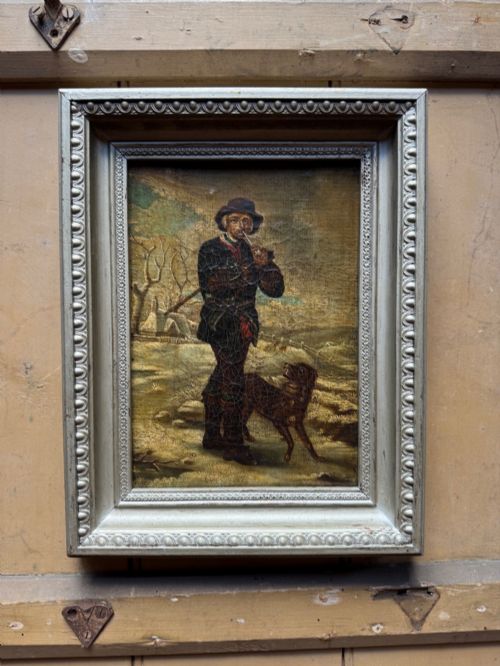
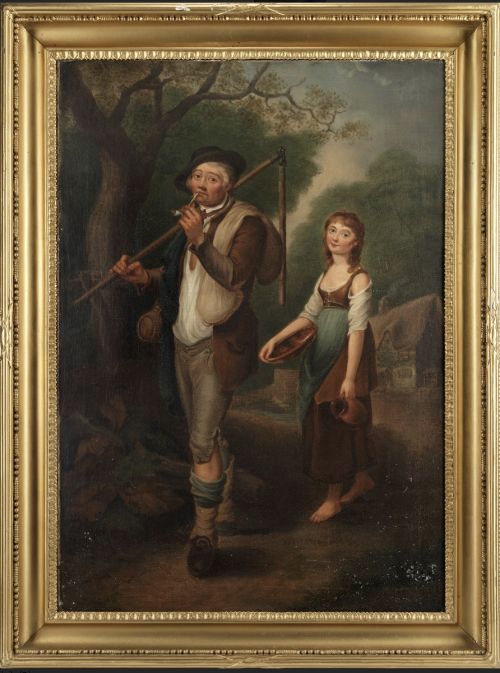
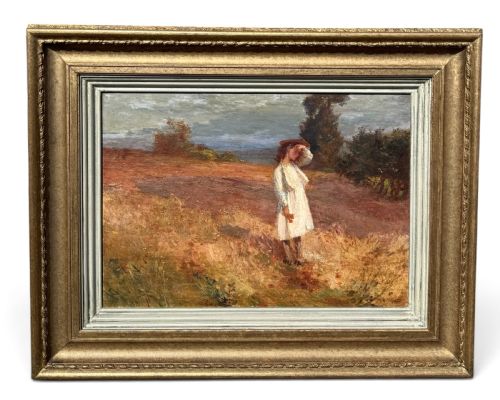
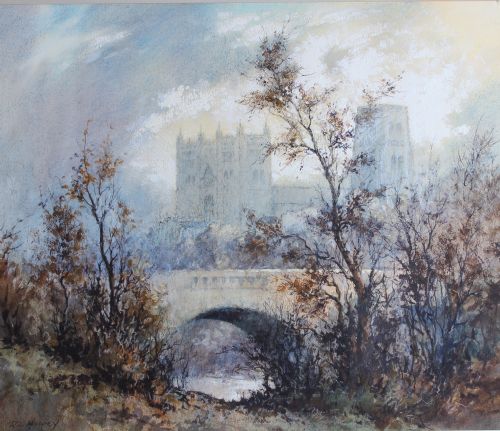
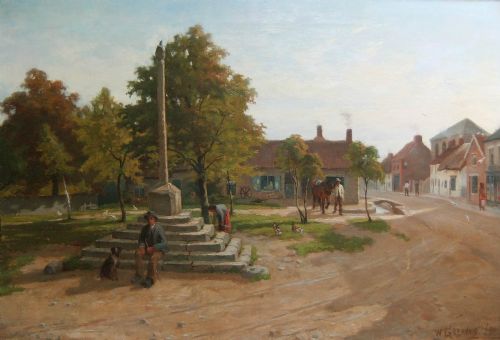
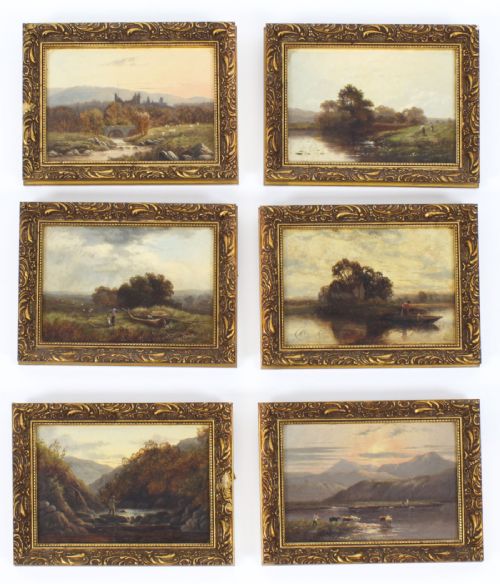
These earthen tone landscape artwork pieces capture quiet rural scenes and pastoral views in traditional oil and watercolour.
Earthen Tone Landscape Artwork
Earthen tone landscape artwork encompasses paintings depicting natural scenery, country scenes, and rural architecture rendered in muted, organic palettes. Buyers seeking this aesthetic will find works originating from the eighteenth, nineteenth, and mid-twentieth centuries.
The pieces on this page are predominantly oil paintings on canvas or board, alongside watercolours on paper. Subjects range from classical compositions and French views to British regional scenes featuring cathedrals, rivers, and farmyards.
Victorian and Georgian periods provide the bulk of these historic depictions, often framed in wood with gesso and gold leaf. Buyers are most likely to encounter nineteenth-century oil paintings and watercolours capturing quiet agricultural and domestic country life.
Materials and techniques
Artists utilise oil paint on canvas, panel, or board, building up rich textures and deep palettes. Watercolours on paper offer a more fluid representation of light and atmosphere in regional British landscapes.
Frames play a structural and aesthetic role, frequently constructed from wood and finished with gesso and gold leaf. Sand pictures also appear as a textured medium for depicting farmyard scenes.
Pigments focus on natural browns, greens, and ochres to reflect rural terrain, agricultural fields, and pastoral skies.
Earthen Tone Landscape Artwork Retail Price Guide 2026
Typical asking prices for earthen tone landscape artwork among the pieces listed under this phrase on Sellingantiques today, from the lower quarter to the upper quarter. They describe what is for sale here now, not the wider market.
Listings span from the 18th century to the mid-20th century, utilising oil, watercolour, canvas, wood, and gold leaf.
Distinctions in quality
Quality rests upon the sureness of the artist's brushwork and the precision with which depth and atmosphere are rendered across the canvas or paper. Stronger examples display a confident handling of light within pastoral settings, whether portraying Durham Cathedral or a quiet Yorkshire village.
The integrity of the original frame, particularly where gesso and gold leaf are present, influences the overall character of the piece. Works retaining their period presentation offer a more cohesive historical object for collectors.
Thomas Barker of Bath·Umberto Volpato·Robert Leslie Howey·William Greaves·James Orrock·Alphonse Robert·Francesco Zuccarelli·Thomas Whittle the Younger·Owen Bowen·Frederick W. Jackson·Ernest Higgins Rigg·Fred Lawson·James Ward·George Morland·James Hughes Clayton·Philip Naviasky·Edward John Cobbett
The Earthen Tone Landscape Artwork Glossary
- Oil on canvas
- Pigments suspended in drying oil applied to a stretched woven fabric support. This medium allows for deep layering and rich earthen tones.
- Water watercolour painting
- Pigments ground in a water-soluble binder applied to paper. It produces translucent washes ideal for atmospheric skies and water.
- Gesso
- A paint mixture consisting of a neutral binder mixed with chalk, gypsum, or pigment. It prepares wooden frames and panels for gilding with gold leaf.
- Impressionism
- A style involving thin brush strokes and an emphasis on accurate depiction of light. British examples capture changing weather across fields and rivers.
Earthen Tone Landscape Artwork: Frequently Asked Questions
What periods do these landscapes cover?
The selection spans from the eighteenth century through the nineteenth and into the mid-twentieth century. Works range from classical eighteenth-century compositions to Victorian realisms and mid-century British expressions.
Most pieces cluster around the nineteenth century, reflecting the era's strong focus on pastoral and rural subject matter.
How should I care for these paintings?
Keep oil paintings and watercolours away from direct sunlight and excessive humidity to protect the canvas, paper, and pigments. Maintain stable indoor temperatures to prevent warping in wooden panels and gesso frames.
Dust frames gently with a dry cloth and avoid chemical cleaners on both the artwork surface and the original gilding.
Are original frames common?
Many works retain period wooden frames, often finished with gesso and gold leaf that complement the age of the painting. These frames provide important historical context for the artwork.
Framing styles vary from simple moulded wood to ornate gilded designs depending on the period and origin of the piece.
What subjects feature in these works?
Subjects focus primarily on rural and regional British and European scenes. Common motifs include river landscapes, cathedrals, farmyards with animals, cornfields, and domestic country activities.
Artists frequently portrayed everyday agricultural life, capturing haytime, cottage dwellings, and figures tending to livestock.