


Early Wooden Furniture
Early wooden furniture brings substance to a room, offering centuries of joinery and domestic history in oak, walnut and mahogany.
Early Wooden Furniture
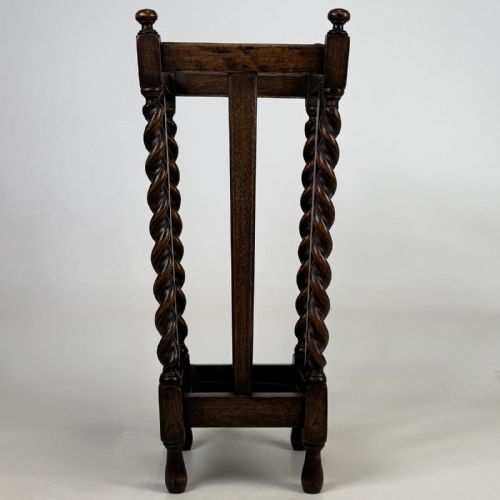
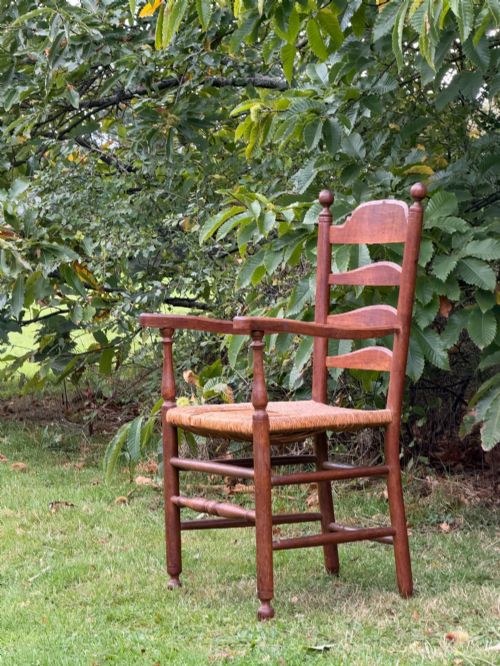
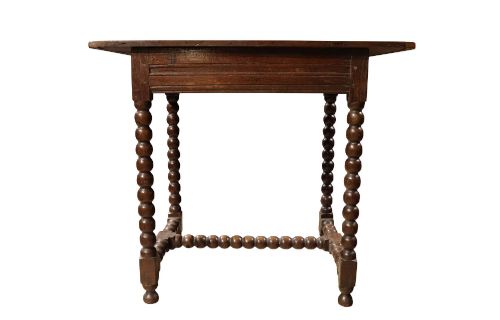
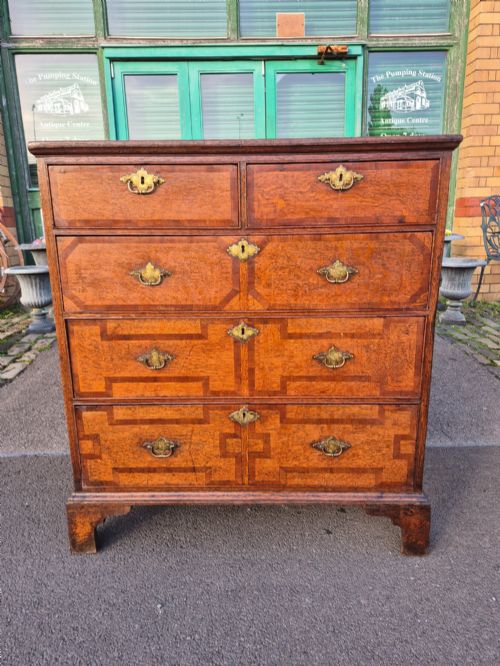
Early wooden furniture encompasses pieces produced from the sixteenth century through the early twentieth century, spanning eras from the Tudor period to the Edwardian decades. Buyers searching for early wooden furniture encounter practical domestic forms such as chests of drawers, joint stools, side tables, and armchairs designed for daily use.
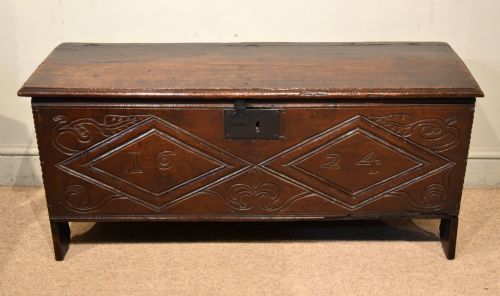
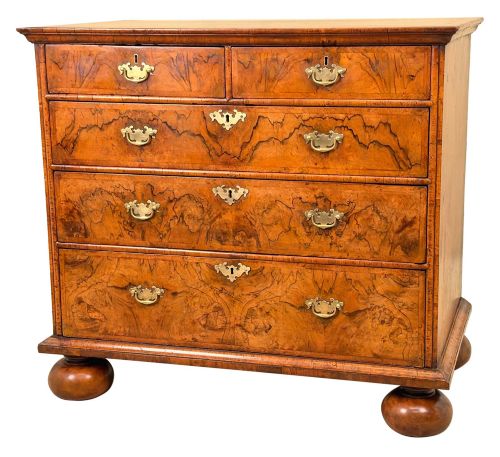
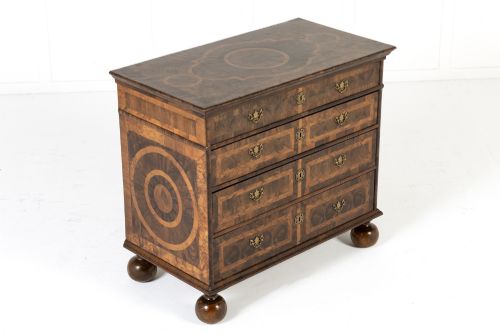
The versions most frequently met on this page include sturdy oak seating from the seventeenth century and figured walnut or mahogany case pieces from the Georgian and Queen Anne periods. These survivors demonstrate the shift from joined framework construction to veneered cabinetry and regional domestic craftsmanship.
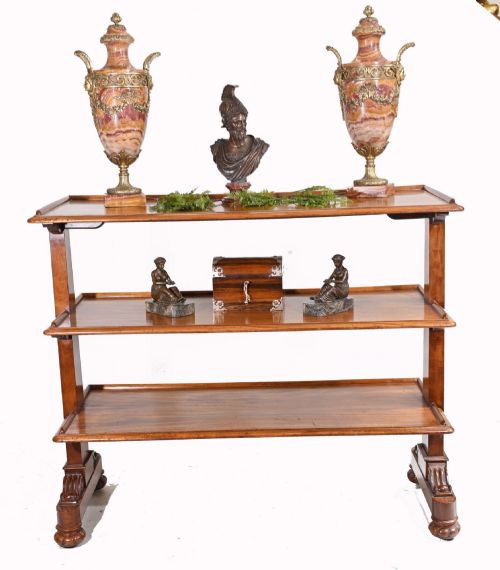
Originating from English, European, and broader international workshops, the inventory includes country pine items, colonial hardwood chests, and formal Regency dining furniture. Each object reflects the prevailing materials and aesthetic standards of its specific century.
Materials and construction methods
Makers relied on solid native timbers such as oak, elm, and pine for early joined pieces, utilising mortise and tenon joints secured with wooden pegs. As centuries progressed, workshops turned to imported hardwoods like mahogany, rosewood, and camphor wood, often applying walnut or burr elm veneers to decorative surfaces.
Surface treatments ranged from simple wax polishing on early rustic oak to intricate marquetry, oyster-veneering, and hand-painting. Structural support relied on turned legs, bracket feet, and robust iron or brass hardware fitted by hand.
Early Wooden Furniture Retail Price Guide 2026
Typical asking prices for early wooden furniture among the pieces listed under this phrase on Sellingantiques today, from the lower quarter to the upper quarter. They describe what is for sale here now, not the wider market.
Secret compartments hidden within nineteenth-century collectors cabinets reveal that early craftsmen took genuine delight in outwitting the inquisitive visitor.
Judging quality in historic woodwork
Quality rests in the integrity of the original construction and the preservation of timber surfaces over centuries of use. Pieces retaining their original hardware, uncompromised patination, and unaltered structural joinery stand apart from heavily restored examples.
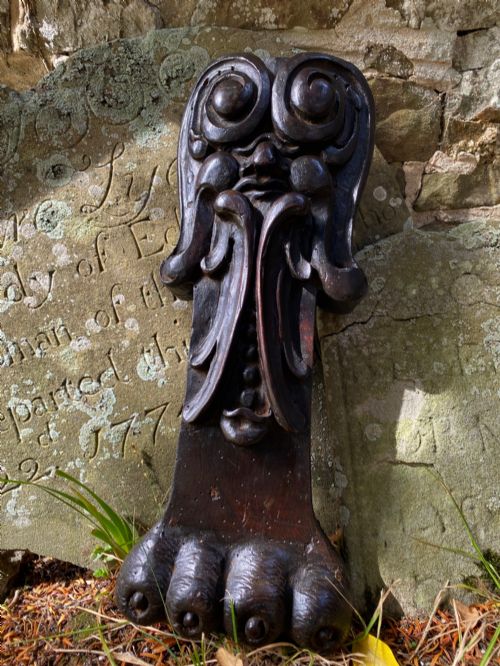
Refinement of proportion and the skill required to shape figured veneers or carve decorative panels dictate the standing of individual items. Master workshops achieved crisp detailing in mouldings and drawer linings that lesser regional pieces simply omitted.
Gillows and Co·Finnigans
The Early Wooden Furniture Glossary
- Joint stool
- A low wooden seat constructed with mortise and tenon joints rather than turned legs and common in the seventeenth century.
- Oyster-veneering
- A decorative technique using thin circular cross-sections cut from small branches, arranged to form intricate patterns resembling oyster shells on walnut furniture.
- Lowboy
- A small side table with one or more drawers, popular during the early eighteenth century and often raised on cabriole legs.
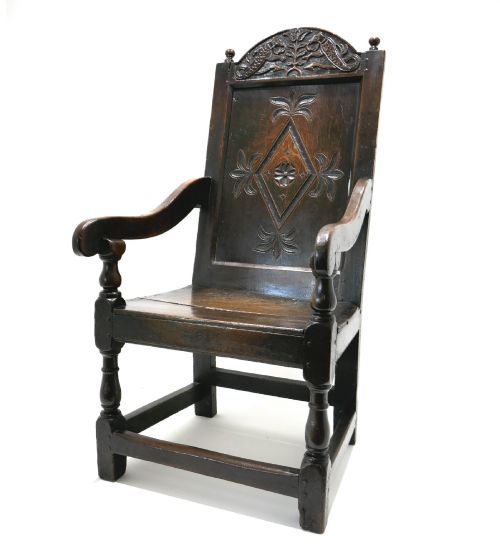
- Wainscot
- A type of heavy wooden armchair constructed from joined panels, typical of seventeenth-century domestic interiors.
- Campaign chest
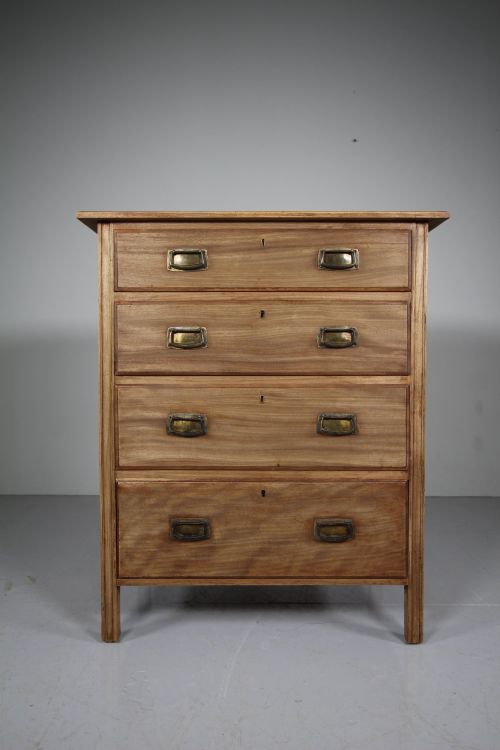
- A portable set of drawers made in sections with recessed brass handles, designed for military officers on the move during the nineteenth century.
Early Wooden Furniture: Frequently Asked Questions
How do I identify seventeenth-century oak furniture?
Seventeenth-century oak pieces rely on heavy frame-and-panel construction joined by wooden pegs rather than metal nails. Surfaces often display hand-riven grain patterns and traditional carving styles such as linenfold or geometric strapwork.
Over centuries, genuine pieces develop a deep, dry patination and visible wear around footings and touch points. Examining the underside and drawer interiors reveals the tool marks left by early joiners.
What is the difference between walnut and mahogany eras?
Walnut dominated formal British furniture production from the late seventeenth century through the reign of Queen Anne. Cabinetmakers utilised its rich figuring for veneering, frequently incorporating cross-banding and herringbone inlay.
Mahogany superseded walnut by the mid-eighteenth century due to its strength and stability under carved detail. This dense imported timber allowed makers to execute sharper mouldings and robust claw-and-ball feet without relying on delicate veneers.
Can I use an antique chest of drawers daily?
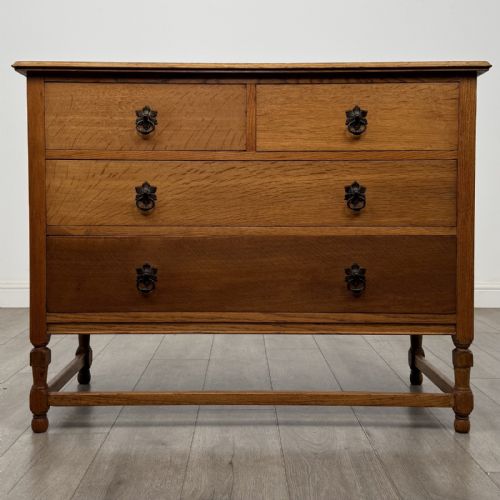
Solidly constructed antique chests of drawers function reliably in modern homes when treated with reasonable care. Oak and mahogany case pieces offer deep storage and sturdy frames built to withstand everyday domestic routines.
It helps to maintain consistent indoor humidity to protect old timber and veneers from drying out or splitting. Drawer runners on older pieces may require occasional waxing to ensure smooth operation.
How should I care for waxed wood surfaces?
Historic timber surfaces benefit from occasional applications of natural beeswax rather than modern liquid silicone polishes. Buffing the wood with a soft cloth preserves the breathable patina built up over generations.
Keep pieces away from direct heat sources and strong sunlight to prevent the timber from warping or fading. Simple dusting with a dry cloth is sufficient for routine maintenance.