





Early Victorian Pottery
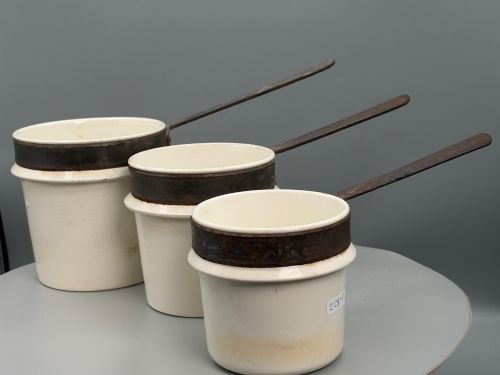
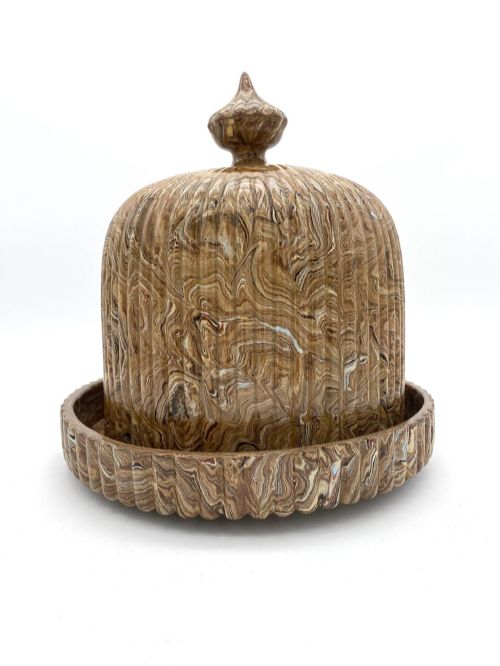
Early victorian pottery brings domestic earthenware and figures from the mid nineteenth century straight into modern rooms.
Early Victorian Pottery
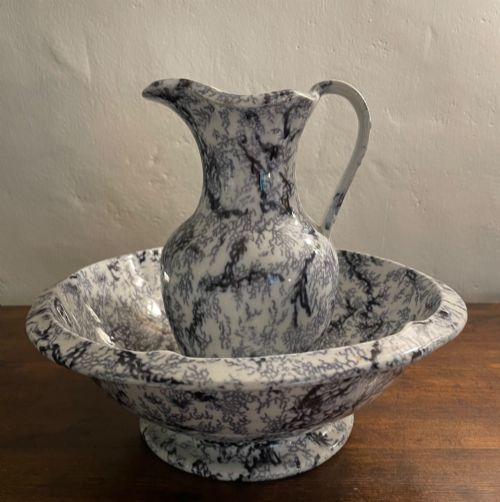
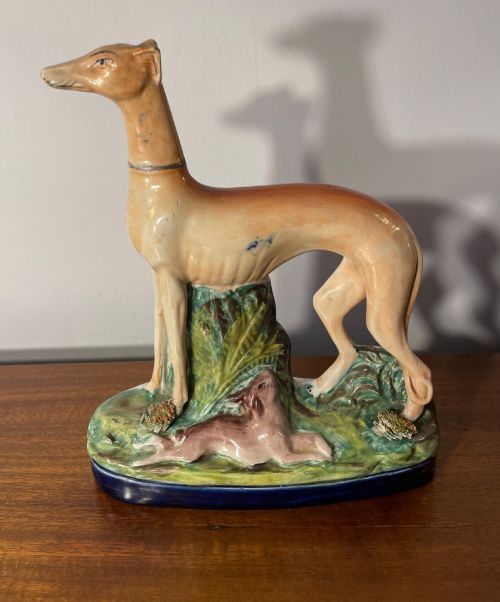
Early victorian pottery encompasses utilitarian wares and decorative figures produced across the nineteenth century, with a strong representation of Staffordshire workshops. Buyers searching for early victorian pottery encounter items ranging from blue and white transfer printed plates and flow blue jugs to earthenware money boxes and animal figurines.
How these pieces were made
Potters utilised earthenware and ceramic bodies, often applying lead glazes and enamel paint to finish the surface. Transfer printing allowed workshops to apply intricate patterns such as Chinese Garden scenes onto plates and basins with notable consistency.
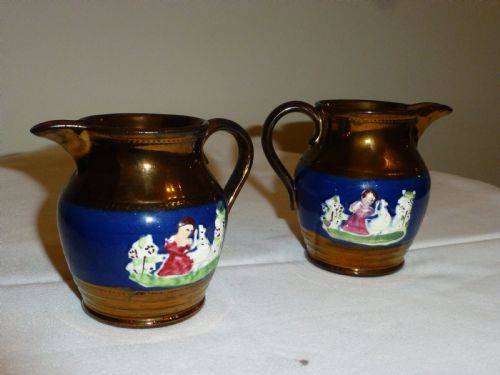
Lustre decoration involved metallic films applied to pottery to create reflective pink or copper surfaces, while pearlware bodies provided a paler base for transfer prints. Moulds shaped the figures and hollowware before hand painting or glazing took place.
Early Victorian Pottery Retail Price Guide 2026
Typical asking prices for early victorian pottery among the pieces listed under this phrase on Sellingantiques today, from the lower quarter to the upper quarter. They describe what is for sale here now, not the wider market.
Pug dogs and hares sit proudly among the teaware, proving that nineteenth century households loved their pets just as much as we do.
What varies in quality
The clarity of transfer printing sets finer examples apart, where lines remain sharp and the blue or mulberry pigment sits evenly across the ceramic body. Inferior pieces often show blurred transfers or pooled glaze that obscures the underlying detail.
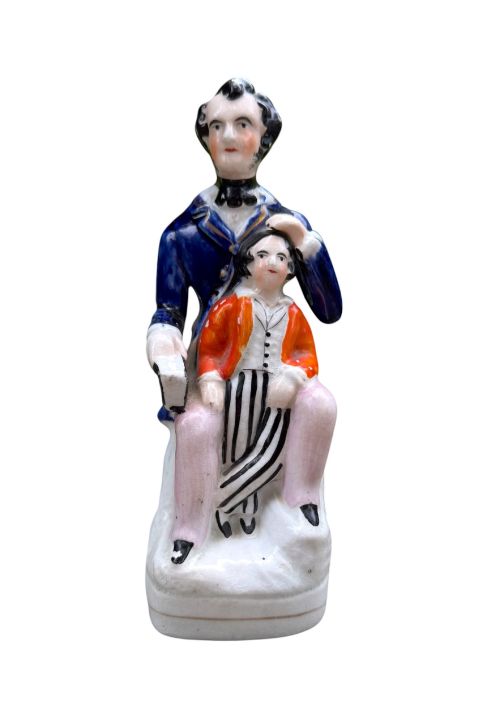
Model definition in figures dictates overall merit, distinguishing carefully moulded pugs and hounds from softer, less distinct casts. The application of lustre and enamel paint also varies, with precise brushwork marking out superior decorative wares.
Wooley Staffordshire·Doulton
The Early Victorian Pottery Glossary
- Earthenware
- Porous pottery fired at lower temperatures, commonly used for utilitarian vessels and figures before being glazed. This body forms the foundation for much of the nineteenth century output seen here.
- Transfer printing
- A technique where an engraved copper plate transfers a design onto tissue paper, which is then pressed onto the ceramic surface. This method enabled mass production of blue and white patterns.
- Lustre
- A metallic glaze application that produces a reflective, iridescent sheen in copper or pink shades. It was frequently used on jugs and decorative wares.
- Flow blue
- A style of transfer printing where the cobalt blue pigment intentionally bled into the surrounding white glaze during firing. This created a hazy, atmospheric effect popular on mid century jugs and basins.
Early Victorian Pottery: Frequently Asked Questions
How do I clean early victorian pottery?
Wash these ceramic pieces gently in warm water using mild soap, avoiding harsh scrubbing or soaking that might damage the old glaze or enamel paint.
Dry them thoroughly with a soft cloth to protect the surface, keeping them away from modern dishwashers entirely.
Can I use these plates for food?
Display these transfer printed plates and bowls as decorative items rather than using them for daily dining. Historic glazes can contain lead, and the fragile ceramic bodies risk damage from modern cutlery and heat.
Enjoy them on walls or dresser shelves where their age and pattern remain visible without risk.
How do I date a Staffordshire figure?
Examine the base, modelling style, and colouring to estimate the period of manufacture, noting that figures from around eighteen forty often feature simpler flat backs and restrained enamel decoration.
Compare the subject matter with known historical figures or animal models from the same decade to narrow down the timeframe.
What is pink lustre ware?
Pink lustre ware is pottery finished with a metallic gold solution that fired to a shimmering pink shade, often combined with transfer printed scenes. Sunderland potteries specialised in this reflective finish for jugs and tableware.
The resulting iridescent surface caught the light in dimly lit nineteenth century rooms.