





Early Victorian Mirror
An early victorian mirror brings a defined nineteenth-century presence to a room, combining warm timbers and gilded plaster with clear, historic glass.
Early Victorian Mirror
An early victorian mirror encompasses domestic and architectural looking glasses produced around the middle of the nineteenth century, most frequently taking the form of overmantel mirrors, dressing table toilet mirrors, and freestanding cheval glasses. These pieces were built to reflect light and anchor principal rooms or bedrooms, utilising substantial timbers and ornate plaster frames.
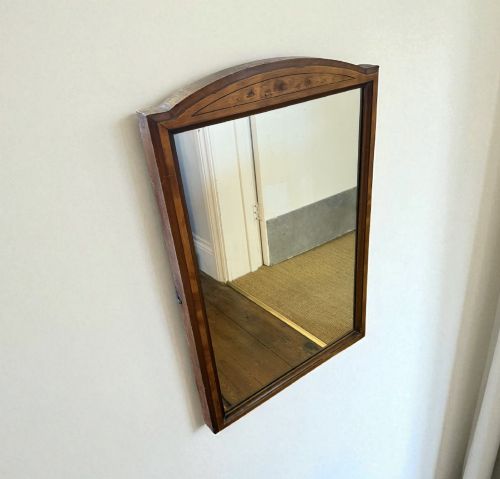
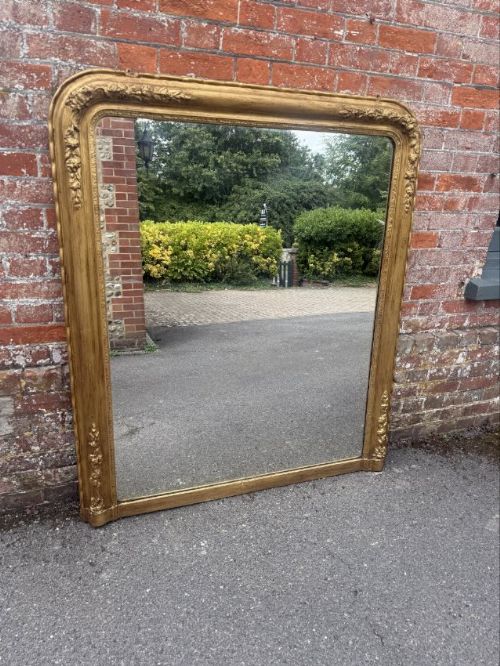
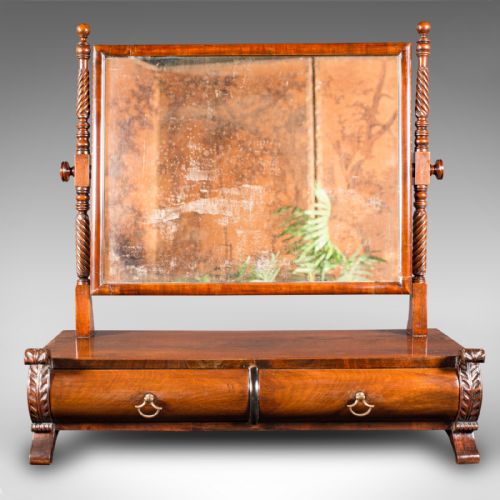
The version most commonly met on this page is the giltwood or timber-gilded wall mirror, alongside mahogany and rosewood dressing glasses fitted with pivoting frames and drawer bases. Smaller toilet mirrors and large architectural overmantels dominate the forms recorded, often displaying arched tops or classical proportions suited to period interiors.
How they were made
Frames rely heavily on dense hardwoods such as mahogany, rosewood, and walnut, frequently selected for figured or flame grain patterns. Alternatively, softer woods served as the base for applied gesso and gold leaf gilding, creating rich architectural mouldings and decorative reliefs.
Glass plates of the period were silvered and fitted into rebated wooden or plaster frames, sometimes supported by turned columns, carved scroll brackets, or shaped wooden uprights resting on bun feet.
Early Victorian Mirror Retail Price Guide 2026
Typical asking prices for early victorian mirror among the pieces listed under this phrase on Sellingantiques today, from the lower quarter to the upper quarter. They describe what is for sale here now, not the wider market.
Object forms recorded include wall mirrors, dressing tables, cheval stands, and chiffoniers alongside optical instruments.
What varies in quality
Quality rests in the depth of the carving, the crispness of the gesso mouldings, and the choice of timber veneer. Superior dressing mirrors utilise highly figured flame mahogany or burr walnut paired with finely dovetailed drawer construction.
Proportion and structural integrity define the higher tier of these pieces, where original gilding, balanced architectural framing, and undisturbed mercury or early silvered mirror plates remain intact.
Holland & Sons·Thomas Rubergall·Charles Nosotti
The Early Victorian Mirror Glossary
- Gesso
- A plaster-like mixture applied to wood frames and carved or moulded before being gilded. This technique creates the ornate relief decoration seen on nineteenth-century wall glasses.
- Overmantel mirror
- A large horizontal mirror designed to sit directly upon the mantelpiece above a fireplace. These architectural pieces expand visual space in principal rooms.
- Cheval mirror
- A freestanding full-length dressing mirror mounted in a frame with pivoting side pivots. Users tilt the glass to adjust the viewing angle.
- Toilet mirror
- A smaller tabletop dressing mirror, frequently set upon a base containing miniature drawers. They were essential bedroom furnishings for grooming.
- Pier mirror
- A tall, narrow mirror designed specifically to hang on the wall space between windows. They maximise natural light in Victorian interiors.
Early Victorian Mirror: Frequently Asked Questions
What is an overmantel mirror?
An overmantel mirror is a large, wide looking glass built specifically to be positioned on the wall above a fireplace mantel. They were proportioned to match the scale of nineteenth-century chimney breasts.
These pieces reflect natural light across the room and serve as a central decorative focal point in a period interior.
How do I use a toilet mirror?
A toilet mirror functions as a compact tabletop dressing glass, traditionally placed on a chest of drawers or a dedicated dressing table. The pivoting frame allows the user to angle the glass.
The small base drawers provide storage for personal items and jewellery.
What is a cheval glass?
A cheval glass is a tall, freestanding full-length dressing mirror suspended by vertical side pivots within a sturdy wooden frame. This allows the entire plate to swing freely.
They appear in bedrooms and dressing rooms to provide a complete view of attire.
How do I identify this period?
Identification relies on a combination of timber selection, construction methods, and frame styling characteristic of the mid-nineteenth century. Look for dense hardwoods, hand-applied gesso mouldings, and traditional cabinetmaking joints.
Proportions lean toward classical revival, architectural symmetry, and decorative gilt finishes.