



Early Victorian Drawers
Early victorian drawers bring solid proportions and fine timber grain into a room, offering practical storage with distinct period character.
Early Victorian Drawers
Early victorian drawers encompass sturdy chests, compact writing desks, and miniature cabinets originating from the mid-nineteenth century. Buyers searching for early victorian drawers most frequently encounter mahogany and pine chests featuring traditional multi-drawer configurations.
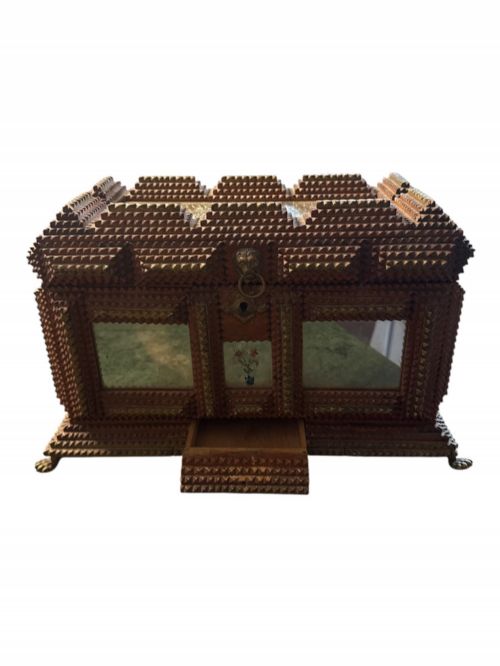
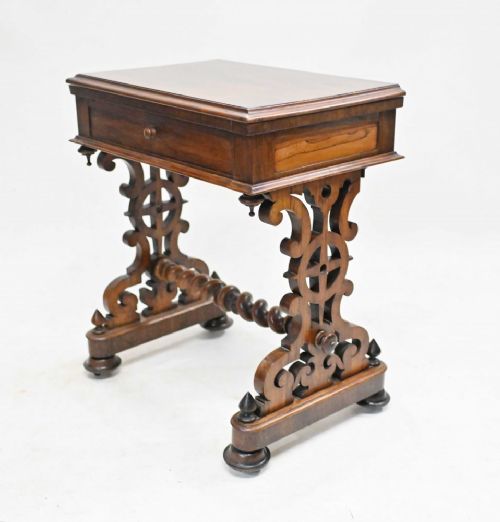
The selection extends beyond standard bedroom storage to include specialised pieces such as davenports, sofa tables, and Wellington chests. These items reflect the domestic utility and cabinet-making standards of the decades surrounding eighteen-fifties Britain.
How they were made
Cabinet makers relied primarily on solid mahogany and pine, often utilising flame mahogany veneers to create rich figuration on primary surfaces. Brass handles, glass knobs, and tooled leather inserts provided functional and decorative contrast.
Construction involved traditional joinery techniques, resulting in robust drawer boxes and sturdy carcases designed for daily household use. Secondary timbers such as oak or pine appear in drawer linings and internal divisions.
Listings feature mahogany, pine, and rosewood alongside walnut and brass hardware across nineteenth-century forms.
What varies in quality
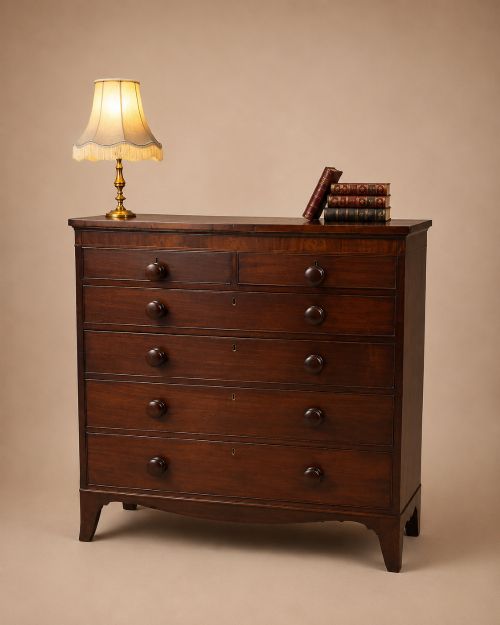
Quality depends upon the selection of timber veneers and the precision of the underlying joinery. Flame mahogany surfaces with consistent grain patterns distinguish higher-tier examples from simpler painted or plain pine storage.
The refinement of turned feet, original handles, and secondary details such as secret drawers or dovetailed drawer boxes indicate the standard of workshop execution. Original surfaces and minimal alterations preserve the integrity of the piece.
Howard and Sons of London
The Early Victorian Drawers Glossary
- Bow front
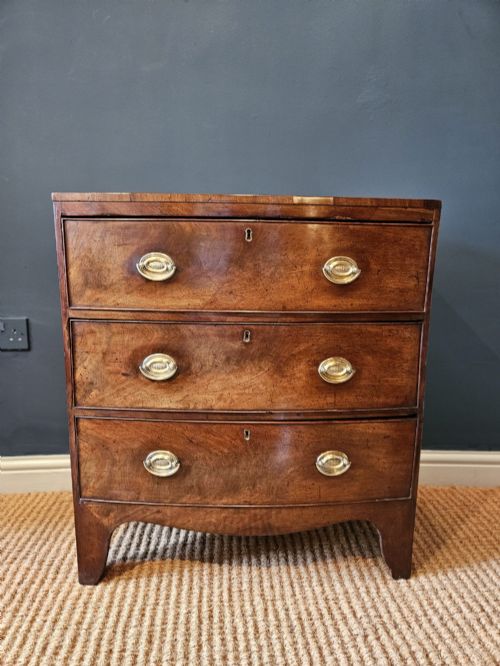
- A convex curved cabinet front that swells outward at the centre. This design is frequently found on mahogany chests from the period.
- Wellington chest
- A tall, narrow chest of drawers secured by a locking side pilaster hinged on one edge. These pieces typically contain six or seven drawers.
- Flame mahogany
- A veneer cut from timber where the branch meets the trunk, producing a distinctive flickering flame pattern. Cabinet makers reserved this timber for principal drawer fronts.
- Davenport
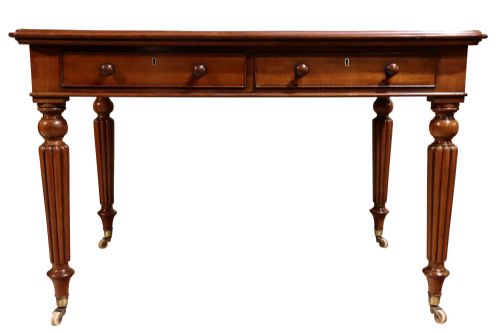
- A compact desk featuring a sloped, leather-lined writing surface above a bank of side drawers. Early versions often incorporate stationery compartments.
- Apprentice chest
- A small-scale cabinet constructed by a trainee to demonstrate proficiency to a guild or master. These miniature chests replicate the joinery of full-sized furniture.
Early Victorian Drawers: Frequently Asked Questions
How do I identify an early victorian chest?
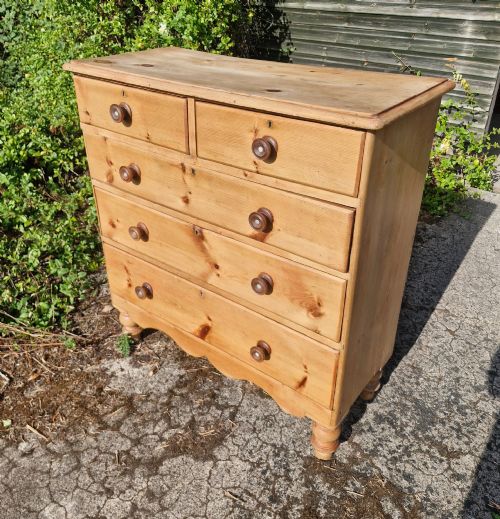
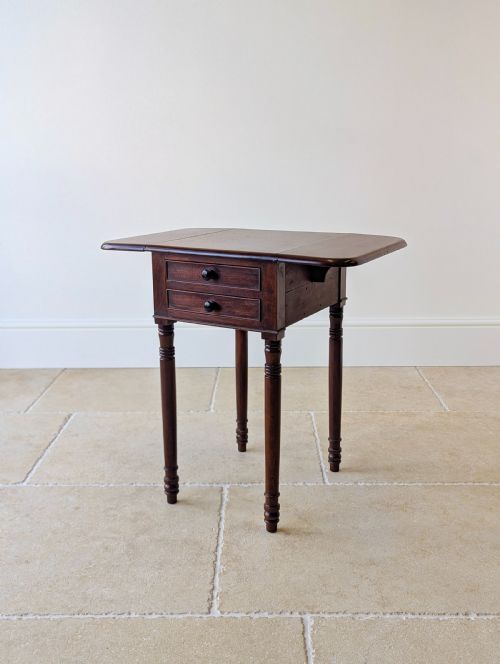
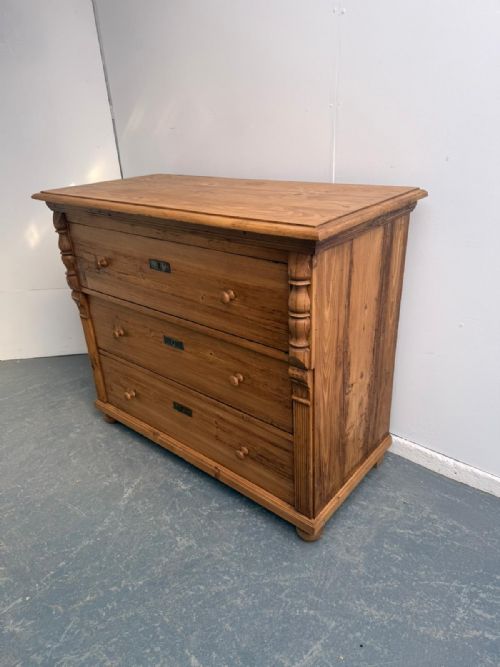
Look for combination layouts such as two small drawers over three long drawers, often paired with mahogany veneer or waxed pine. Turned wooden or glass knobs and bracket feet typically indicate the mid-nineteenth-century period.
Examine the secondary timbers inside the drawers and the construction of the drawer boxes. Hand-cut dovetails and traditional backboards support the dating of these items.
Were these drawers used only in bedrooms?
While standard chests served primarily for clothing storage in bedrooms, many variants existed for specialised domestic tasks. Hall dresser bases, collectors cabinets, and writing tables fulfilled organizational roles throughout the house.
Smaller formats like miniature chests and napkin drawers functioned as tabletop storage or salesmen samples. Their adaptable sizes allowed placement in reception rooms and studies.
What is the difference between mahogany and pine versions?
Mahogany pieces generally represent formal urban furniture featuring rich timber grain and polished finishes. They suit drawing rooms and principal bedrooms.
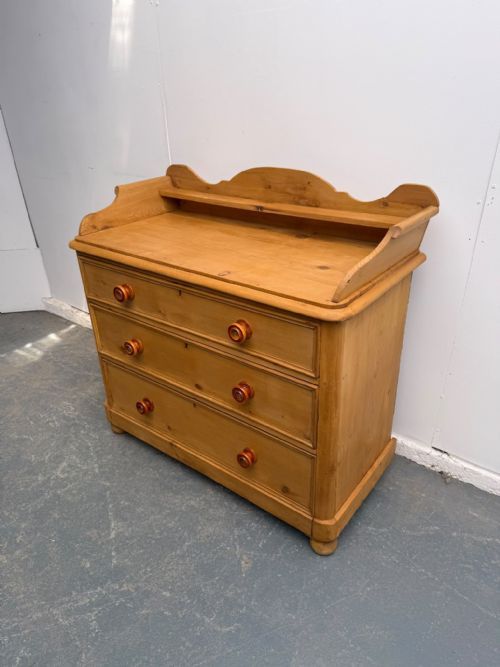
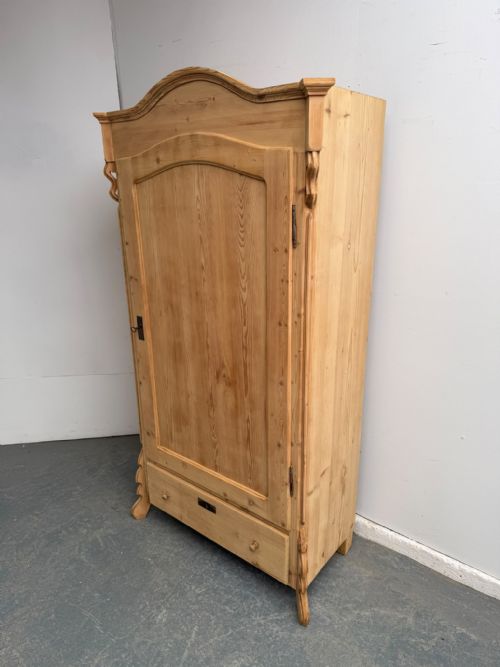
Pine versions often originate from country houses or rural workshops and were frequently painted or waxed. These offer a more rustic aesthetic suitable for cottage interiors.
How should I care for a waxed pine finish?
Maintain waxed pine surfaces by applying a traditional beeswax polish periodically to nourish the timber. Avoid placing the furniture near direct heat sources or strong sunlight to prevent splitting.
Dust regularly with a soft, dry cloth. Gentle maintenance preserves the historic patina and prevents the wax layer from drying out.