
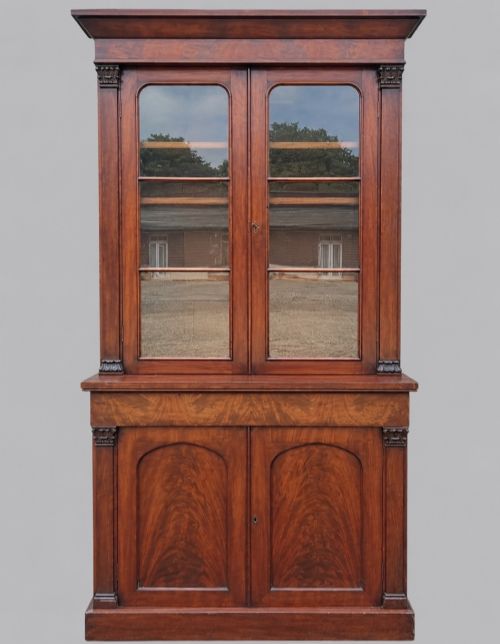
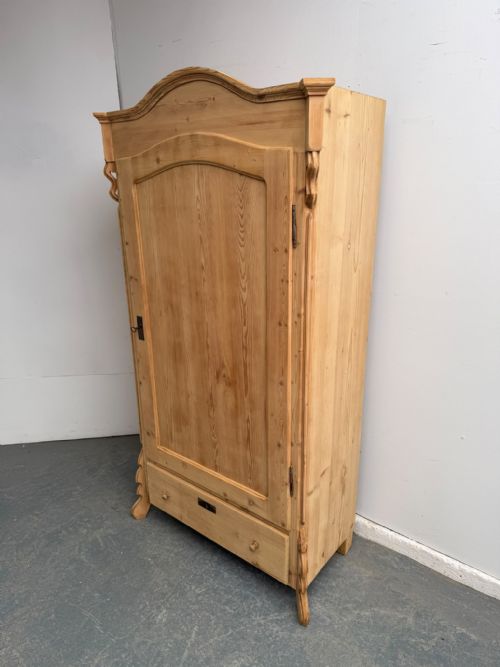
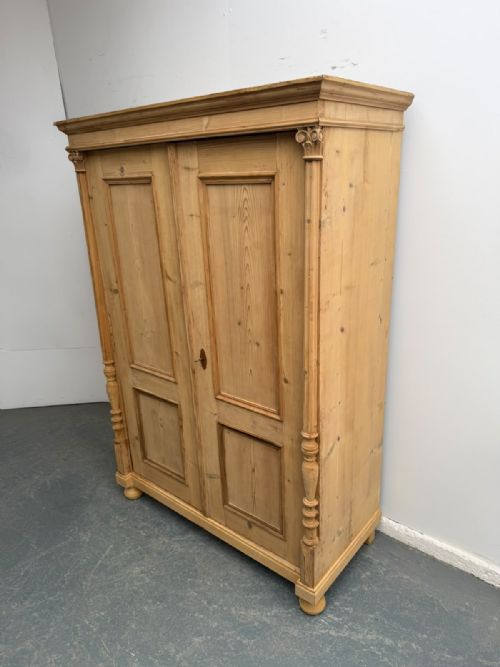
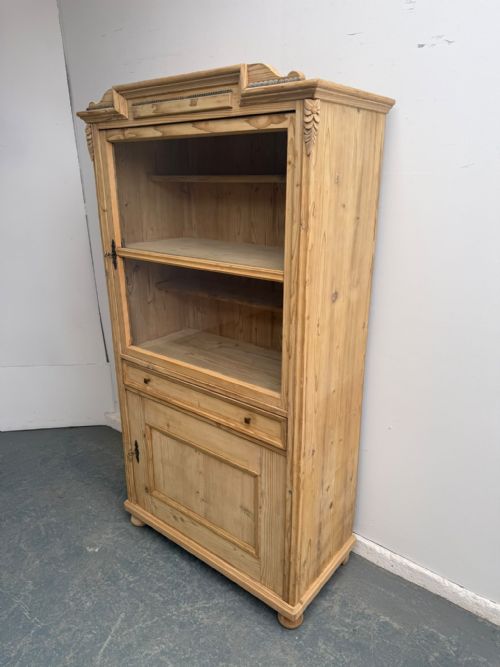


Early Victorian Cupboard
When you search for an early victorian cupboard, you enter a world of practical timber storage built during a time of immense craft confidence.
Early Victorian Cupboard
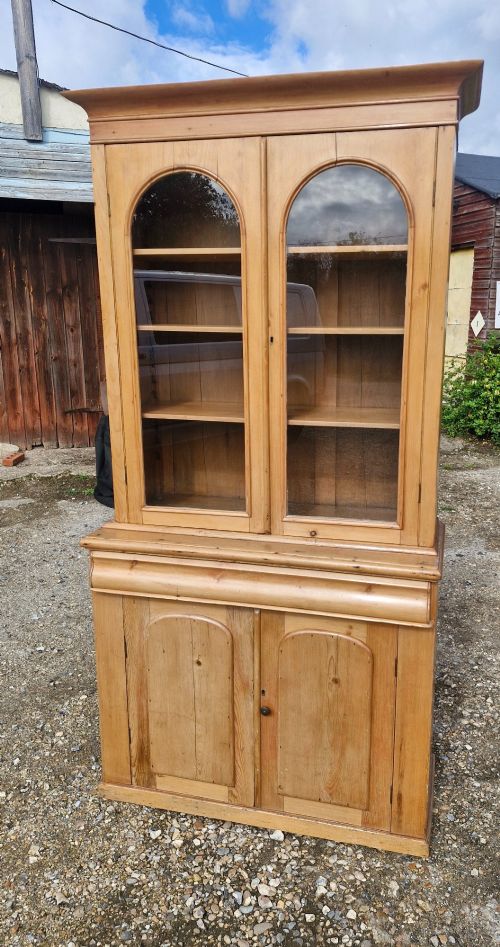
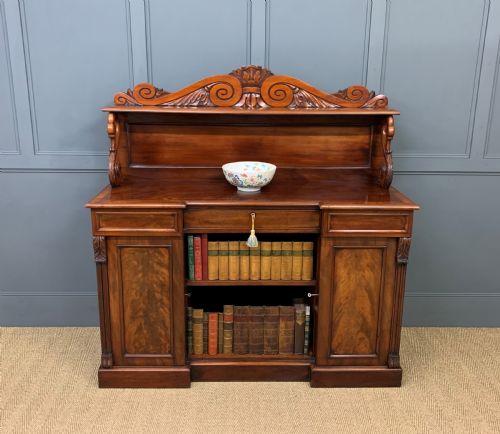
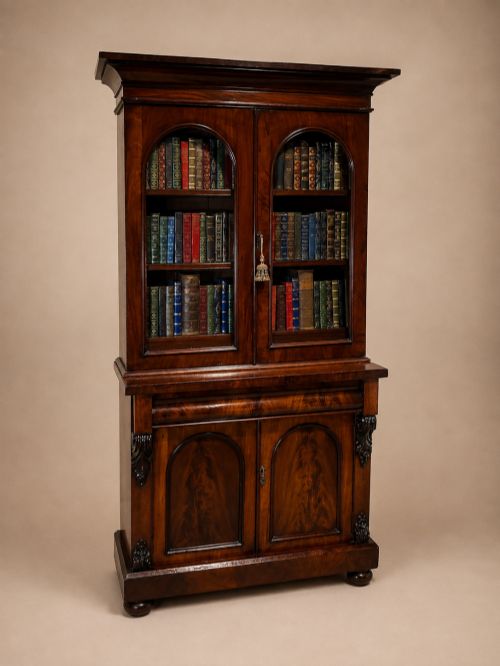
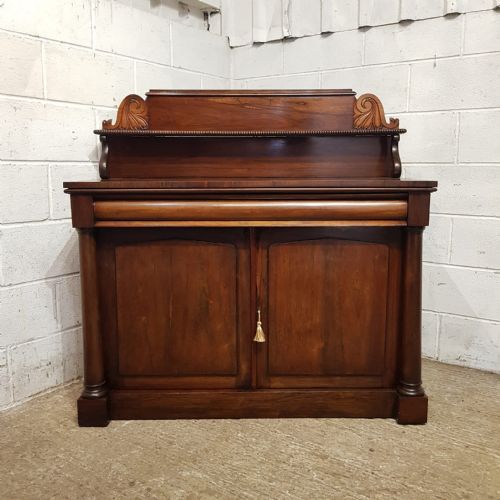
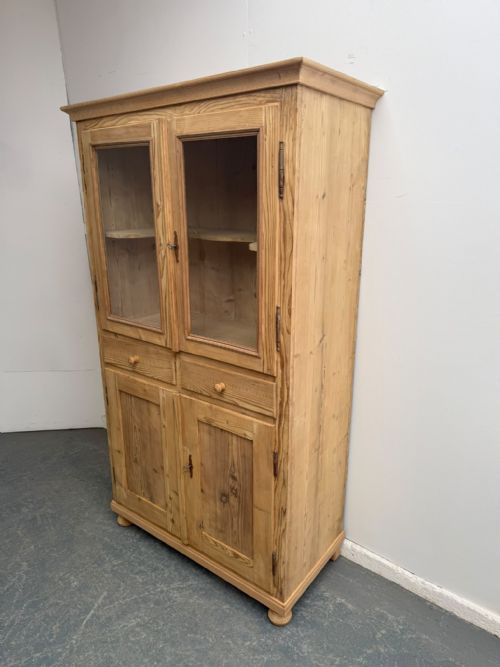
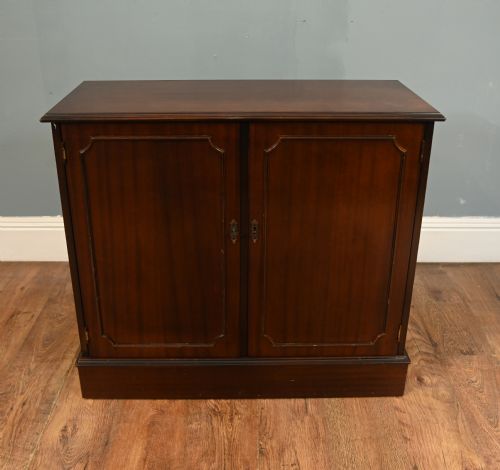
An early victorian cupboard encompasses a diverse group of domestic storage furniture made during the mid-nineteenth century, including compact bedside pot cupboards, tall linen presses, and expansive library bookcases. Buyers searching this phrase meet everything from humble pine kitchen larders intended for paint to finely polished mahogany chiffoniers designed for the parlour.
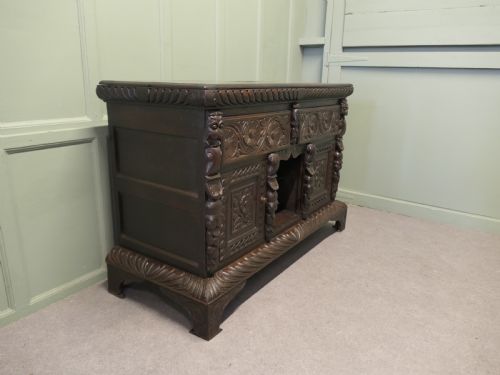
The selection ranges across distinct regional styles, balancing the formal mahogany pieces of urban drawing rooms with robust oak and pine country pieces from Wales and the provinces. Pieces often double as display cabinets with glazed doors or serve as low sideboard bases with shelved interiors.
Proportion and utility define the category, reflecting households that required dedicated storage for books, linen, and provisions before fitted kitchens and wardrobes became common.
Materials and Construction Methods
Cabinetmakers relied heavily on dense tropical hardwoods like mahogany and rosewood, frequently selecting flame veneers to create striking patterns on drawer fronts and doors. Indigenous timbers such as oak, pine, and walnut appear with equal regularity, fashioned into panelled doors, pegged frames, and sturdy shelving.
Construction techniques combine traditional joinery like dovetails for drawers and mortise and tenon joints for frames, supplemented by brass hardware, glass panes, and occasionally iron fittings. Pine pieces frequently show evidence of historical surface treatments, inviting modern buyers to wax or paint the soft timber according to preference.
Listings feature robust pine kitchen bookcases alongside formal mahogany breakfront bookcases and rosewood chiffoniers.
Differentiating Quality in Nineteenth-Century Storage
Quality rests upon the selection of timber and the precision of the joinery rather than mere scale, distinguishing standard utility furniture from high-status commissions. Figured timbers like flame mahogany or matched rosewood veneers indicate a higher tier of manufacture, demanding greater skill from the cabinetmaker.
Structural integrity reveals itself in the thickness of drawer linings, the snug fit of panelled doors, and the retention of original brass handles or locks. Pieces bearing maker stamps from established workshops demonstrate a level of documented provenance that elevates their standing within the market.
Holland and Sons·Gillows
The Early Victorian Cupboard Glossary
- Chiffonier
- A low sideboard cabinet featuring enclosed shelving below, sometimes surmounted by a raised mirrored or shelved back. This form became a staple of nineteenth-century sitting rooms for storing glassware and books.
- Flame Mahogany
- Timber cut at an angle to the branch junction, producing a swirling, fire-like grain pattern. Cabinetmakers used these choice veneers on prominent drawer fronts and doors.
- Pot Cupboard
- A compact bedside cabinet designed originally to house a chamber pot behind a single door. These small pieces often feature a marble or wooden top.
- Press Cupboard
- A tall storage piece containing sliding trays or shelves enclosed by large doors, traditionally utilised for linens and clothing. They appear frequently in sturdy oak regional variants.
- Scumbled Pine
- Softwood painted and treated with a glaze to imitate the richer grain of more expensive hardwoods. This decorative finish was popular in country houses.
- Green Man
- A sculptural architectural motif depicting a face carved from leaves and foliage, appearing on revival oak furniture from this era.
Early Victorian Cupboard: Frequently Asked Questions
What is an early victorian cupboard used for today?
These versatile pieces serve modern homes as hallway storage, bedside tables, living room display cabinets, and kitchen larders. Their sturdy timber construction allows them to hold books, dinnerware, and linens just as they did in the nineteenth century.
Buyers often place compact bedside versions beside low modern beds or utilise larger bookcases to anchor a study. The variety of internal configurations provides practical solutions for contemporary storage needs.
How do I distinguish mahogany from rosewood on these pieces?
Mahogany typically displays a warm reddish-brown hue with straight grain or striking flame patterns. Rosewood tends to be darker and heavier, featuring distinct purple-brown streaks against a deep brown background.
Both timbers received high polish during the nineteenth century, but close inspection of the grain reveals the contrasting botanical origins. Flame mahogany veneer remains especially bright, whereas rosewood offers a more sombre, rich tone.
Were these cupboards painted originally?
Many utilitarian pine cupboards were left unfinished or given basic protective coatings of wax or paint for domestic service. Surviving pine examples often show layers of old paint or scumbling designed to imitate finer woods.
Hardwood pieces like mahogany and rosewood were polished to highlight the natural grain rather than painted. Pine versions found on the market frequently invite buyers to strip, wax, or paint them to match modern interiors.
How do I date an early victorian piece accurately?
Dating relies on observing construction details such as hand-cut dovetails, secondary timbers like oak or pine linings, and the style of applied mouldings. Early nineteenth-century pieces often retain Regency influences before transitioning into heavier Victorian proportions around eighteen fifty.
Hardware such as brass locks, key escutcheons, and hinges also offer clues to the exact decade of manufacture. Documentation or maker stamps provide the most definitive chronological markers.