







Early Twentieth Century Statues
Early twentieth century statues bring home substantial presence and character through bronze, marble and carved wood figures shaped by decades of shifting European and American tastes.
Early Twentieth Century Statues
Early twentieth century statues encompass a diverse array of sculptural forms created across the decades leading up to and through the 1930s. Buyers searching this phrase encounter animalier studies, Grand Tour models, portrait busts and decorative obelisks designed for domestic display. The selection on this page leans heavily into cast bronze figures alongside carved wood, marble, terracotta and cast iron examples.
Makers and foundries from Britain, continental Europe and America produced these pieces during periods spanning the Edwardian era through the rise of Art Deco. Formats range from cabinet-sized cold-painted bronzes to life-size figures and garden statues. This breadth allows collectors to acquire both intimate animal studies and large architectural ornaments from the same foundational period.
Materials and Construction
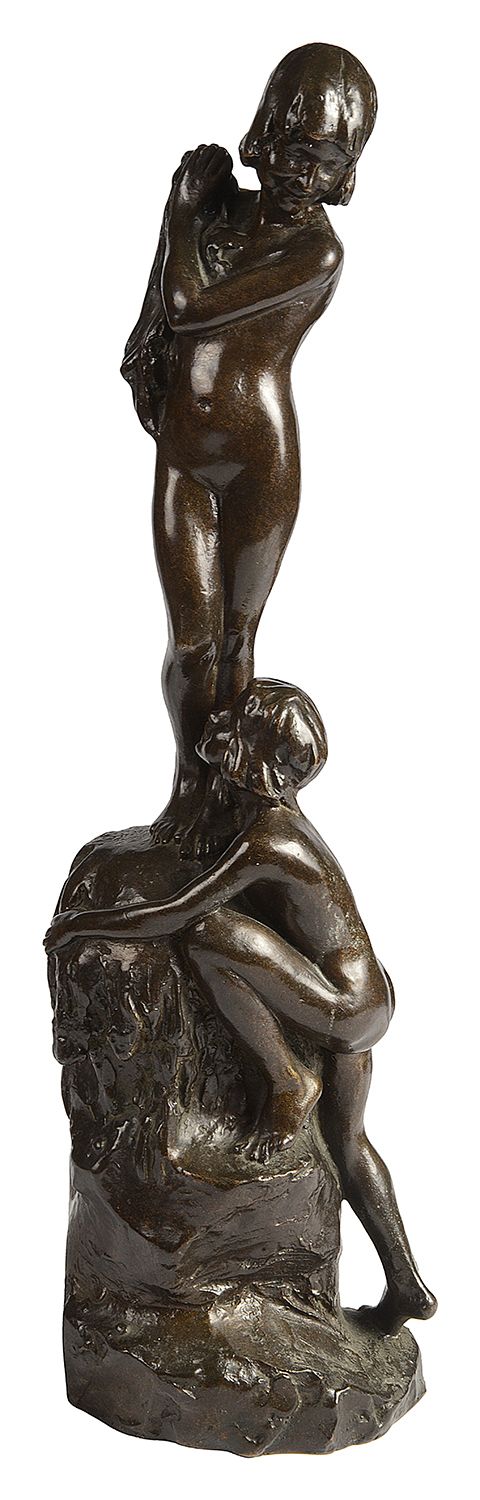
Foundries and studios utilised traditional casting methods for metal pieces, predominantly employing the lost-wax technique for bronze sculptures. Many of these bronzes received cold-painted surfaces or rich patinated metal finishes by hand. Marble, terracotta and carved wood served as alternative primary mediums for figurative and architectural pieces.
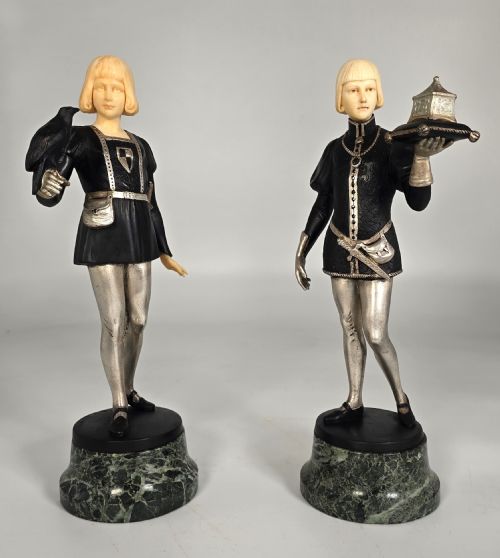
Makers frequently combined materials within single compositions, mounting bronze figures on marble bases or pairing bronze with carved ivory. Cast iron provided a durable medium for larger figures intended for heavier use. Surface decoration on terracotta and ceramic works involved hand-painted glazes and pigments applied prior to firing.
Early Twentieth Century Statues Retail Price Guide 2026
Typical asking prices for early twentieth century statues among the pieces listed under this phrase on Sellingantiques today, from the lower quarter to the upper quarter. They describe what is for sale here now, not the wider market.
An owl bird scarer stands ready to protect your garden alongside refined bronze hounds and neoclassical lions.
Assessing Quality and Execution
Quality in these statues rests upon the crispness of the initial cast and the precision of the subsequent hand-chasing. Superior bronze and iron pieces retain sharp anatomical detail in fur, feather and muscle, whereas inferior casts appear soft and blurred. The depth and subtlety of cold-painted or patinated finishes further separate standard workshop output from exceptional examples.
The sophistication of the modeling defines the upper tier of the range, visible in the naturalistic posture of animalier studies and human figures alike. Signed works by recognised sculptors command greater attention due to documented artistic provenance and superior foundry execution. The integrity of associated materials, such as original marble pedestals, contributes to overall merit.
Franz Bergman·Gotthilf Jaeger·Clovis Masson·P J Mêne·Jennings Brothers
The Early Twentieth Century Statues Glossary
- Animalier
- A nineteenth and early twentieth century art movement focusing on the realistic depiction of animals. Sculptors in this style studied living creatures closely to capture accurate movement and behaviour.
- Cold-painted bronze
- A technique where bronze figures are painted with oil or enamel paints without the application of heat. This method allowed for vibrant multi-coloured finishes on small decorative bronzes.
- Grand Tour
- The traditional trip of Europe undertaken by upper-class young men to absorb classical culture. Travellers frequently purchased miniature bronze or marble models of famous antiquities as souvenirs.
- Lost-wax casting
- A metal-casting method in which a molten metal is poured into a mould that has been created by means of a wax model. The wax is melted and drained away, allowing for intricate detail in the final bronze piece.
- Patinated metal
- A chemically induced surface coloration on bronze or other metals resulting from age or deliberate treatment. This finish protects the metal and provides subtle tones ranging from deep brown to green.
Early Twentieth Century Statues: Frequently Asked Questions
How do I care for bronze statues?
Bronze statues require minimal intervention beyond dusting with a soft dry cloth to prevent grime accumulation. Avoid applying abrasive cleaners or polishes that strip original patination.
Maintain stable indoor humidity levels to protect any underlying or attached materials such as marble bases or ivory components. Occasional application of microcrystalline wax helps shield the metal surface from atmospheric moisture.
What is cold-painted bronze?
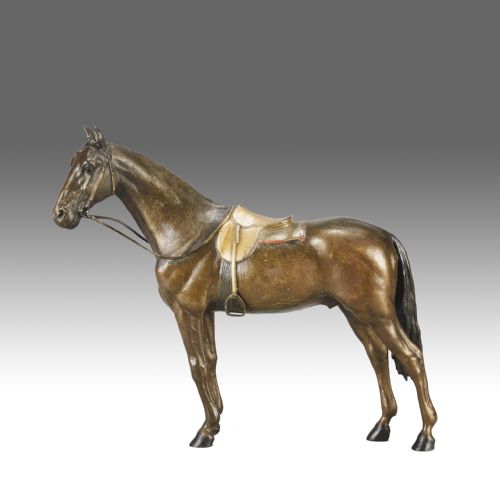
Cold-painted bronze refers to metal sculptures finished with oil-based paints applied directly to the cold metal surface rather than fired in a kiln. This technique flourished in Austrian workshops during the late nineteenth and early twentieth centuries.
Because the paint sits on the metal without high-temperature bonding, these surfaces benefit from gentle handling and protection from direct sunlight. Collectors prize examples where the original polychrome paint remains largely intact.
Are these statues life size?
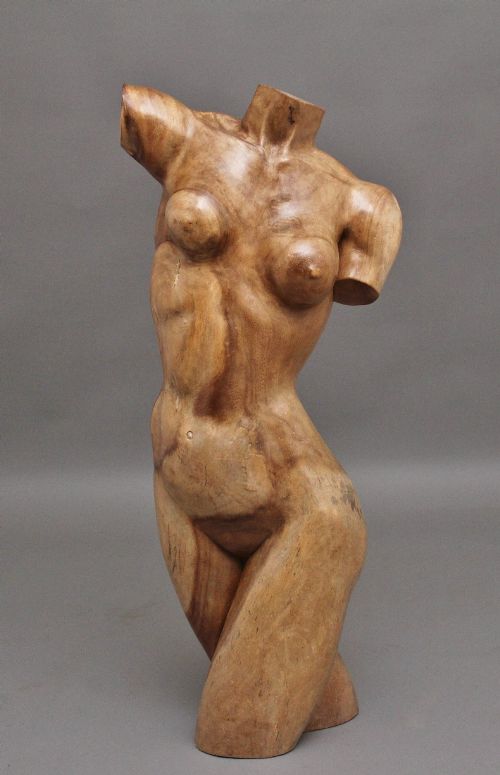
While the majority of decorative sculptures from this era sit comfortably on tabletops, mantelpieces or cabinets, larger works do exist. The selection includes life-size carved female torsos, decorated pugs and substantial garden statuary.
Checking dimensions in the individual listings ensures you select a piece appropriate for your intended display space. Scale varies significantly from miniature cabinet bronzes to commanding floor pieces.
How do I identify animalier bronzes?
Animalier bronzes focus specifically on naturalistic portrayals of wild and domestic animals in active or resting poses. Artists observed creatures in menageries and the wild to achieve anatomical precision.
Look for expressive postures, detailed musculature, and signatures or foundry marks on the base. These works frequently depict dogs, birds, horses and predatory cats.