




Early Twentieth Century Glass
Early twentieth century glass brings together decorative vessels and lighting shaped by the aesthetic shifts of the Edwardian era, Art Nouveau and the 1920s.
Early Twentieth Century Glass
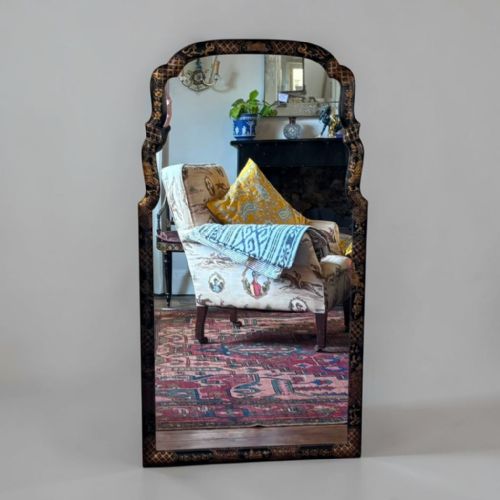
Vases and jugs form a significant part of the available range, often linked to distinct stylistic movements such as Art Nouveau and Vienna Secessionist designs. Buyers frequently encounter specialised pieces alongside functional domestic lighting.
The material vocabulary extends beyond pure glass to incorporate brass, silver, metal, oak and crystal within complex objects like chandeliers and display cabinets. These varied forms reflect both commercial production and artistic experimentation across European workshops.
How they were made
Makers utilised glassblowing and moulding techniques to create crackle effects, iridescent surfaces and opalescent finishes. These methods allowed artisans to manipulate light and colour within pieces like vases and perfume bottles.
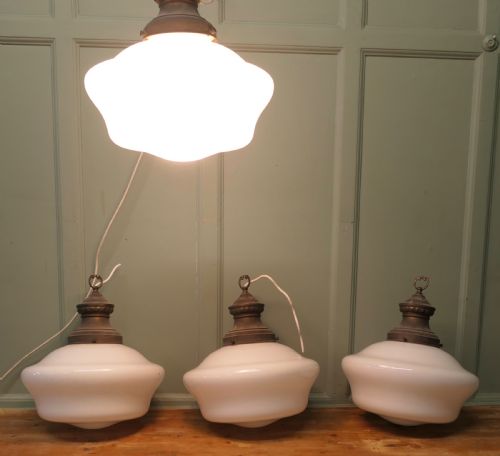
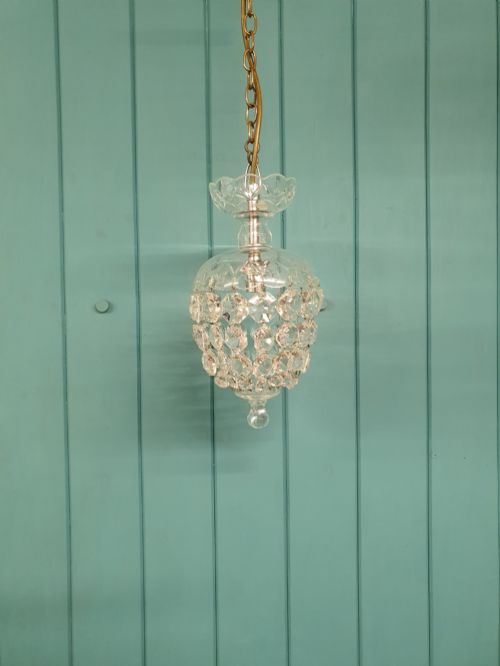
Lighting assemblies combined delicate glass shades with structural brass, metal and silver components to achieve functional durability. Workshops integrated different media, pairing blown glass elements with fitted metal frames and wooden bases.
The documented periods span the Edwardian era through the 1930s, including Vienna Secessionist and industrial forms.
What varies in quality
The execution of surface treatments and the complexity of the glass formulation distinguish finer examples from standard commercial output. Iridescent layers, crackle textures and controlled colour gradients require precise temperature management during production.
The integration of glass with supporting materials such as brass, silver and carved timber demonstrates the overall standard of construction. Superior pieces maintain a balanced proportion between the glass element and its metal or wooden mount.
Loetz Witwe·Koloman Moser·Moser·O. Comitti & Son
The Early Twentieth Century Glass Glossary
- Iridescent glass
- Glass treated with metallic salts to produce a rainbow-like sheen on the surface. This technique was widely favoured by Art Nouveau makers to mimic natural phenomena.
- Opal glass
- A translucent or milky-white glass often used for decorative vessels and light shades. It diffuses light softly across the object.
- Vaseline glass
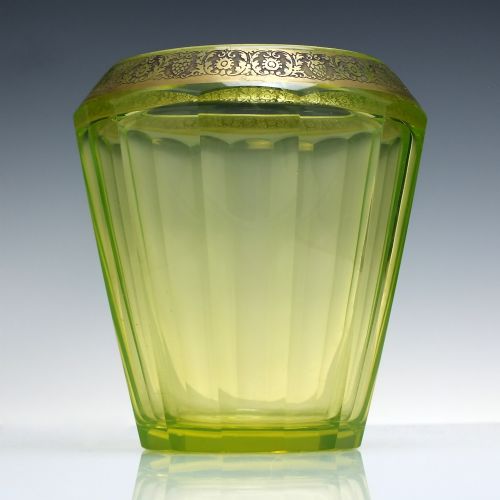
- Uranium glass that exhibits a distinct yellow-green fluorescence under ultraviolet light. It gained popularity during the late nineteenth and early twentieth centuries.
- Crackle glass
- Glass deliberately fractured during cooling and then reheated to fuse the outer layer while retaining the internal network of fissures. The resulting texture catches the light uniquely.
- Vienna Secessionist
- An artistic movement focusing on clean lines and geometric forms in reaction to historicism. Pieces from this tradition reject excessive ornamentation in favour of structured design.
Early Twentieth Century Glass: Frequently Asked Questions
How do I clean early twentieth century glass?
Wash delicate glass pieces gently by hand using lukewarm water and a mild detergent. Avoid abrasive sponges or harsh chemicals that can damage iridescent or crackle surfaces.
Dry each item thoroughly with a soft lint-free cloth to prevent water spots. Take extra care with pieces that incorporate metal mounts or wooden components, keeping moisture away from non-glass areas.
How do I identify Art Nouveau glass?
Look for organic motifs, flowing asymmetrical lines and iridescent surface finishes that mimic natural phenomena. Many pieces draw inspiration from plant forms and natural textures.
Examine the object for signatures or stylistic markers associated with prominent fin-de-siècle workshops. The integration of metallic sheens is a strong indicator of this period's aesthetic.
Can I use antique glass lighting daily?
Many early twentieth century lighting fixtures can be integrated into modern electrical systems with appropriate rewiring by a qualified professional. Ensure that structural components like brass arms and chains remain secure before installation.
Check the weight and mounting requirements of chandeliers and ceiling lights carefully. Professional installation guarantees that heavy glass and metal assemblies are safely supported.
What is the difference between crystal and glass?
Crystal contains mineral additives such as lead oxide that increase its weight, clarity and refractive index. This composition allows artisans to cut deeper facets and achieve greater brilliance.
Standard glass lacks these specific additives and tends to be lighter in weight. Both materials appear across different object types from the early twentieth century depending on the intended function.