

Early Oil Painting
When you search for an early oil painting, you encounter centuries of pigment layered on canvas, wood and board.
Early Oil Painting
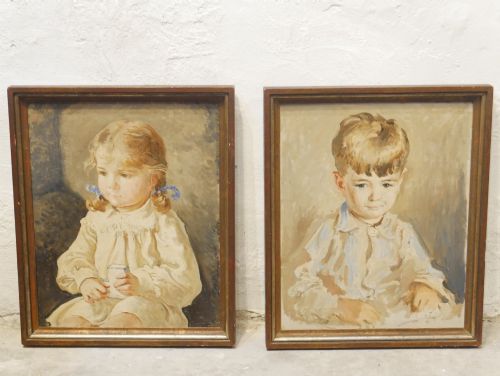
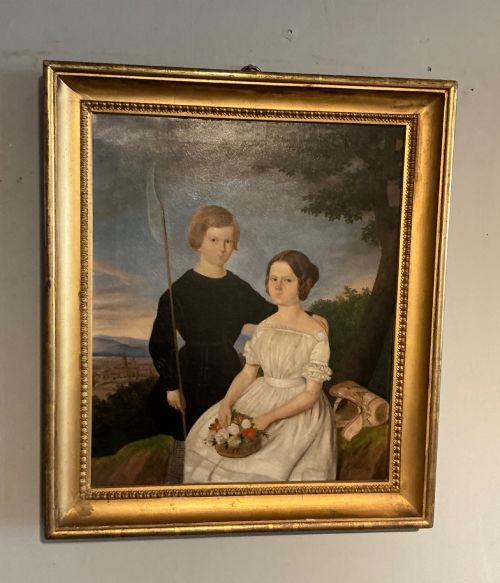
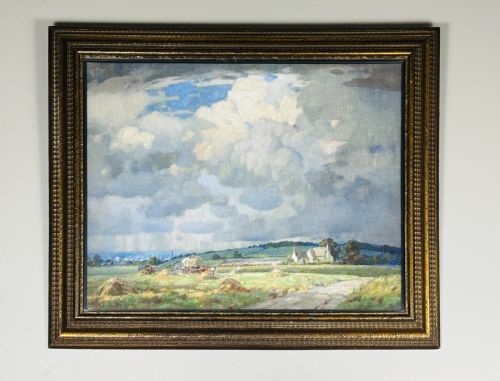
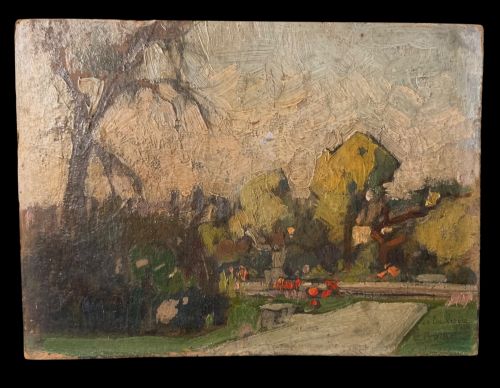
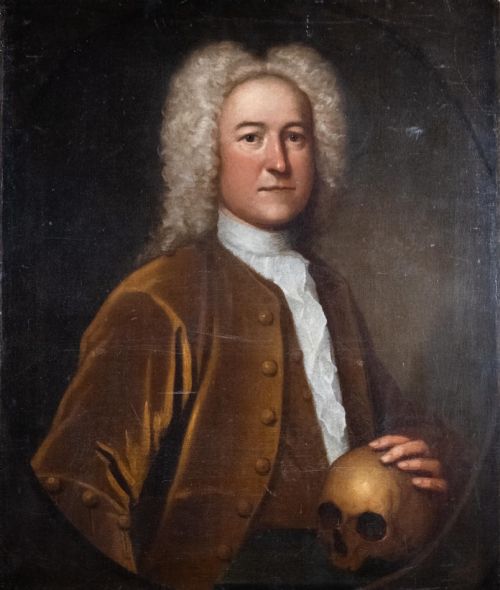
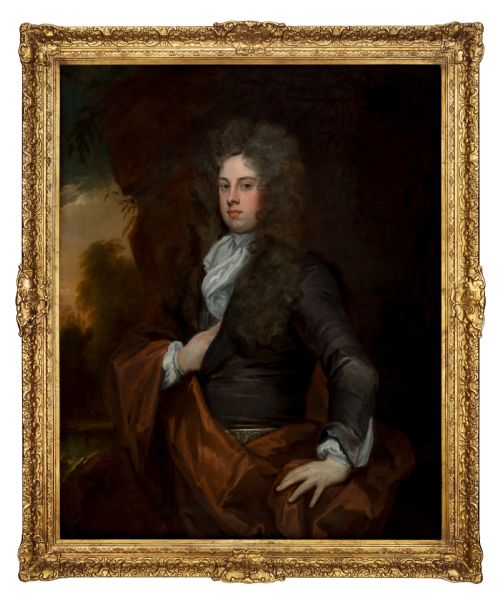
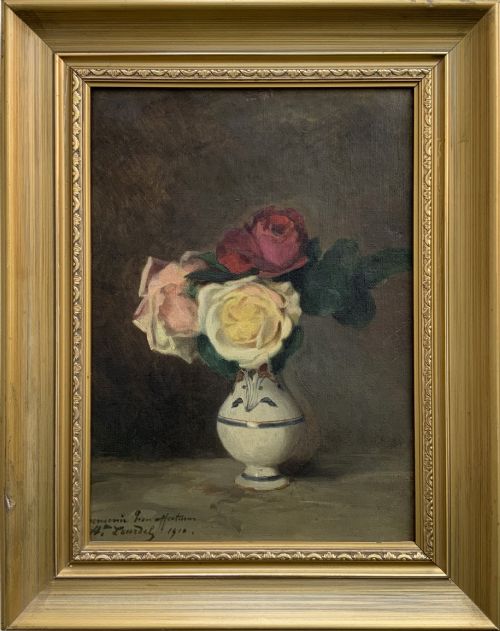
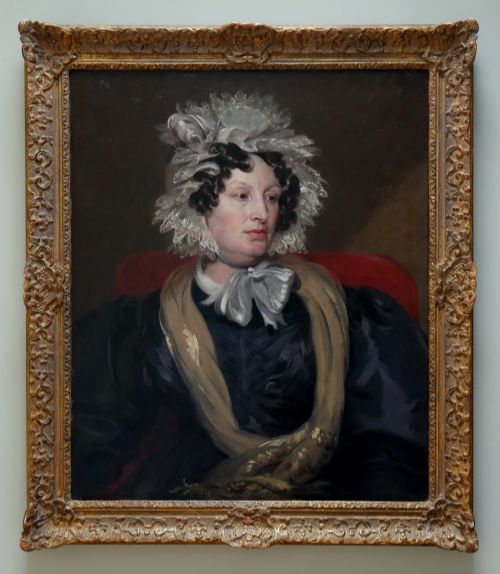
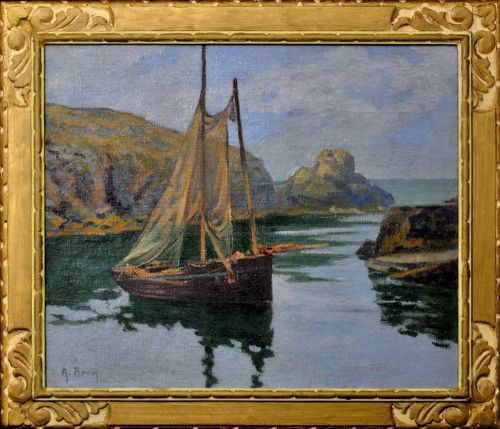
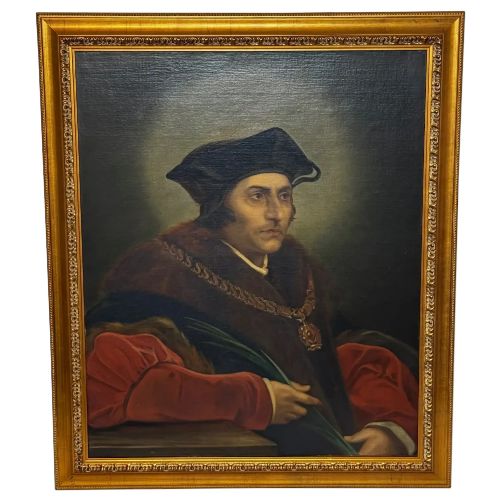
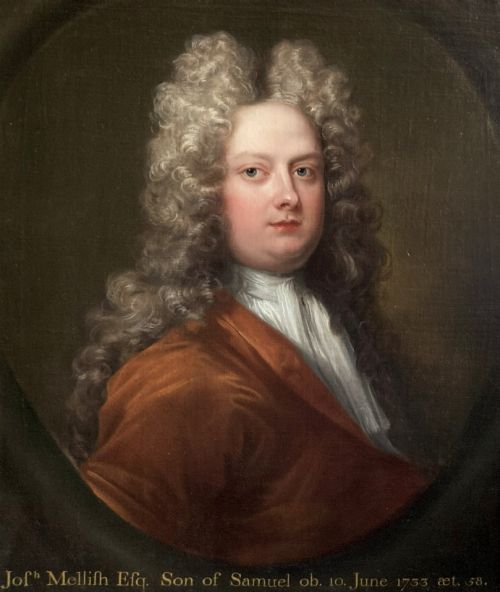
An early oil painting encompasses centuries of fine art, ranging from seventeenth-century portraits to early twentieth-century landscapes. The selection spans distinct periods including the Georgian and Edwardian eras, as well as movements such as Impressionism and Post-Impressionism.
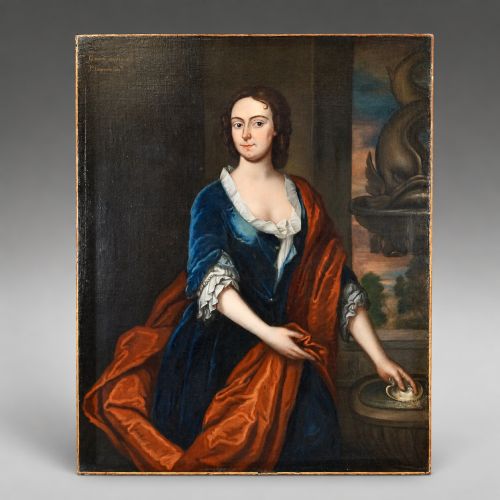
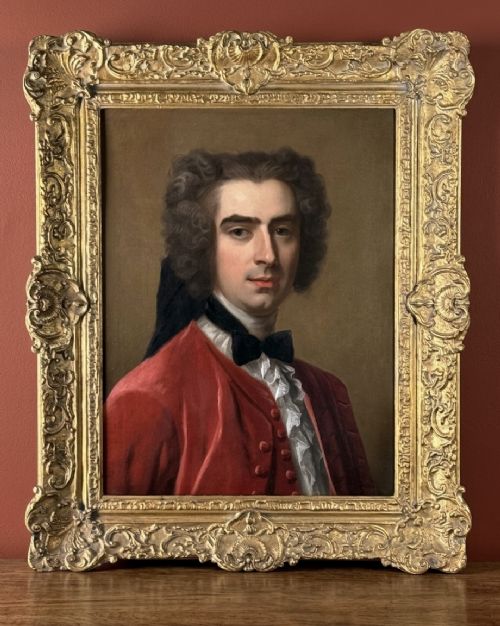
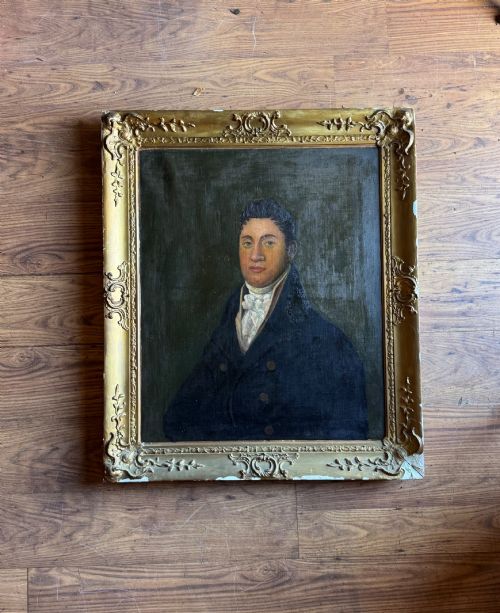
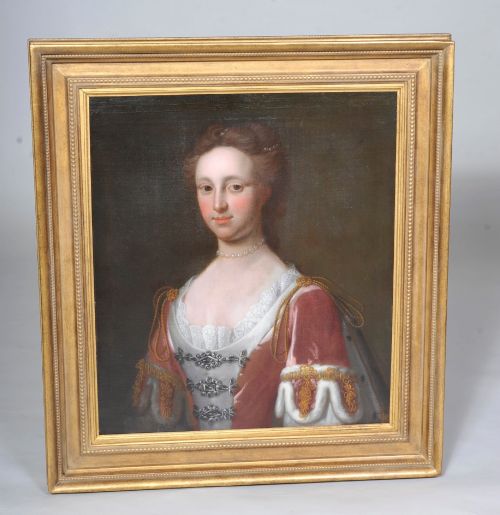
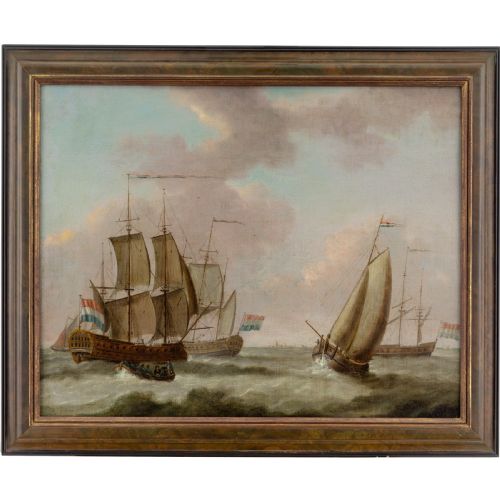
Portraits of aristocrats, military figures and gentlefolk dominate the earlier periods, often executed in oil on canvas. Later works shift toward British landscapes, marine scenes, still lifes and village gatherings.
Buyers frequently encounter works attributed to British and European schools, spanning Baroque traditions through to early twentieth-century experimentation. These pieces function as historical records as much as decorative wall art.
How they were made
Artists built these works primarily using oil paint applied to stretched canvas, wooden panels or boards. Prepared grounds of gesso or lead white provided a stable base for the application of rich pigments.
Many historical works utilise traditional varnishes to seal the surface and deepen the tones of the oil pigments. Giltwood frames frequently accompany these paintings, adding structural support and decorative framing.
Early Oil Painting Retail Price Guide 2026
Typical asking prices for early oil painting among the pieces listed under this phrase on Sellingantiques today, from the lower quarter to the upper quarter. They describe what is for sale here now, not the wider market.
Listings feature works spanning from the seventeenth century through to the early twentieth century, utilising oil on canvas, wood and board.
What varies in quality
The sophistication of brushwork and the confidence of draftsmanship separate accomplished pieces from simpler decorative works. Master painters achieved nuanced control over light, shadow and facial expression.
The integrity of the original canvas, wood panel and paint layer dictates the longevity and visual strength of the piece. Works retaining their original giltwood frames and untouched paint surfaces hold distinct historical weight.
Charles Jervas·Michael Dahl·Thomas Murray·Jeremiah Davison·Jean-Baptiste van Loo
The Early Oil Painting Glossary
- Oil on canvas
- A painting technique where oil-based pigments are applied to a woven fabric stretched across a wooden frame. This medium allowed artists to achieve rich colour blending and durability.
- Wood panel
- A rigid support base utilised by artists before canvas became the dominant medium. Panels were often prepared with gesso grounds to receive oil paint.
- Giltwood
- Timber decorated with a thin layer of gold leaf or gold paint. Elaborate giltwood frames frequently complement historical portraits and fine art.
- Baroque
- An artistic style spanning the seventeenth and eighteenth centuries characterised by drama, deep colour and intense light contrast. Works in this manner often display theatrical compositions.
- Post-Impressionism
- A late nineteenth and early twentieth-century art movement extending Impressionism while rejecting its limitations. Artists prioritised symbolic content and expressive use of paint.
Early Oil Painting: Frequently Asked Questions
How do I care for an antique oil painting?
Keep the artwork away from direct sunlight, excessive moisture and rapid temperature fluctuations to protect the canvas and wood.
Dust the surface gently with a soft, dry brush and avoid using chemical cleaning agents on the paint layer.
What is the difference between canvas and wood panel supports?
Canvas supports became widely used because they allowed for larger compositions and possessed natural flexibility. Wood panels provide a rigid, smooth surface often favoured in earlier periods.
Both materials require specific environmental conditions to prevent warping or canvas slackening over time.
How do I identify the period of an oil painting?
Examine the style of dress, hair and setting depicted in portraits or landscapes for historical clues. The stretcher frames, canvas type and framing materials also offer evidence of age.
Signatures, inscriptions and attribution notes recorded on the reverse provide further context for dating.
How should I hang an antique painting safely?
Use sturdy wall anchors and appropriate picture wire or brackets rated to bear the weight of the framed artwork. Ensure the hanging wall is structurally sound and free from dampness.
Position the painting at eye level to appreciate the composition and lighting dynamics.