

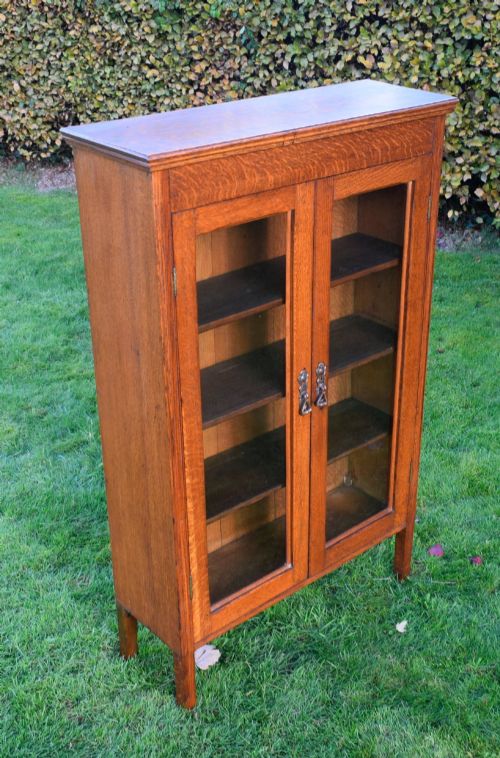
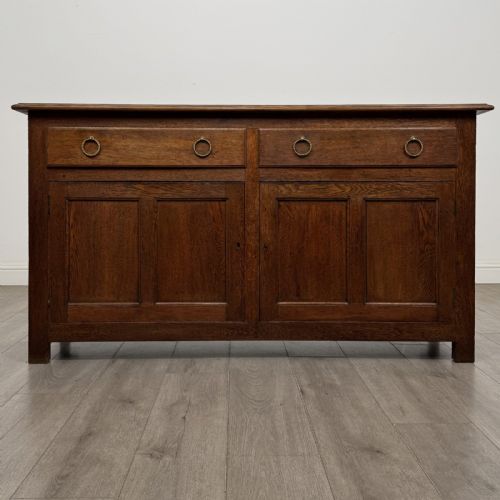
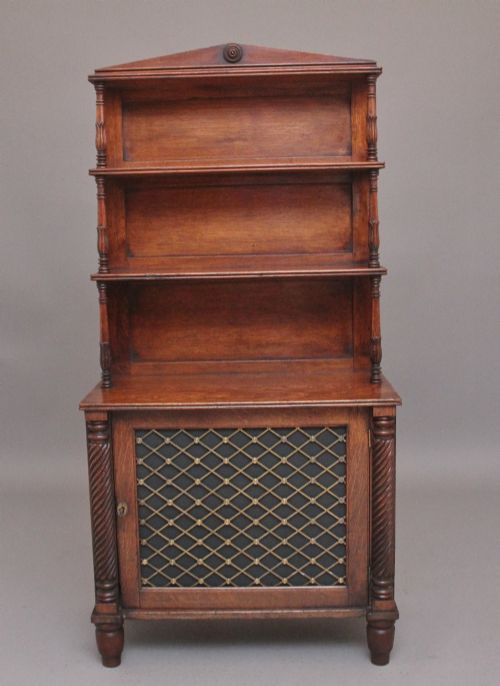
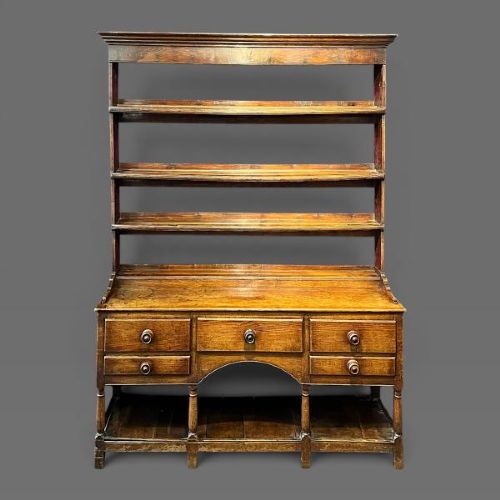


Early Oak Storage Cupboard
An early oak storage cupboard brings robust timber and centuries of domestic utility straight into a modern room.
Early Oak Storage Cupboard
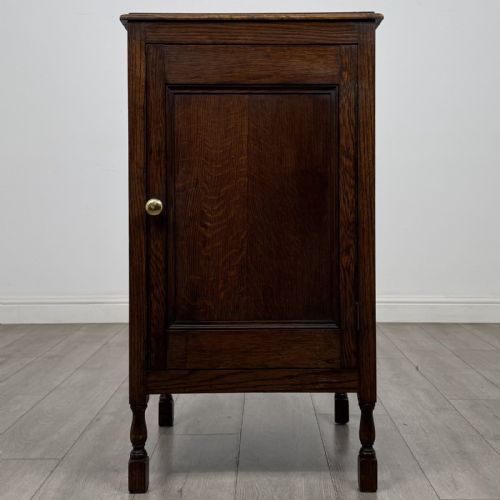
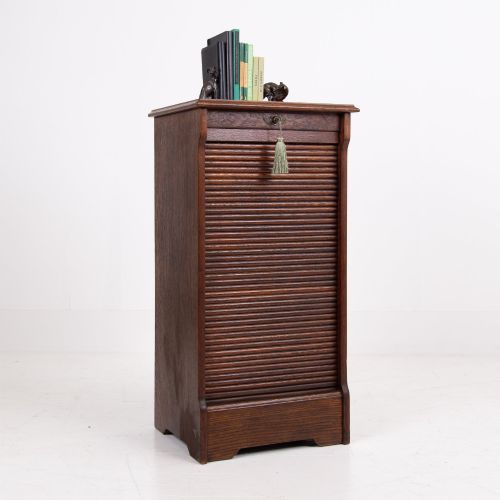
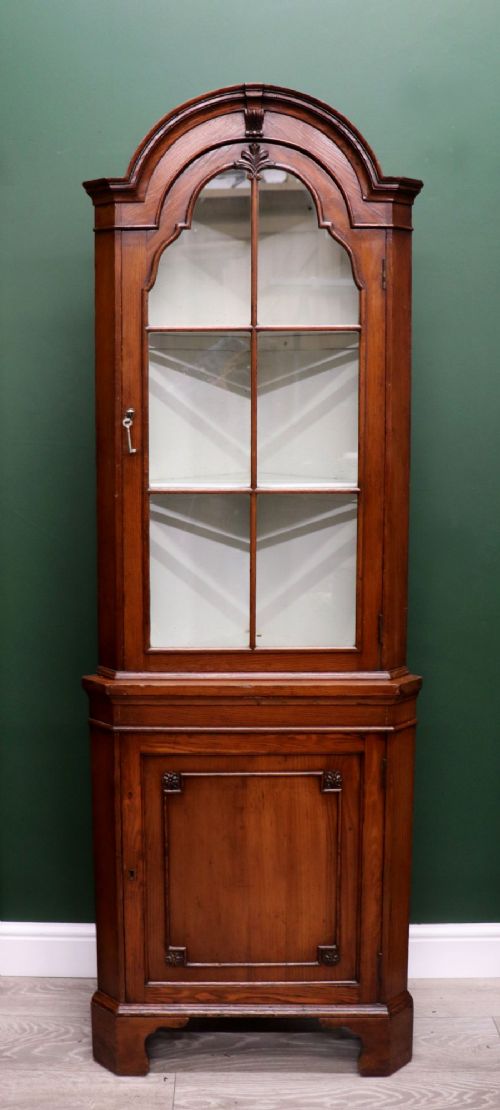
An early oak storage cupboard encompasses utilitarian corner cabinets, low floor-standing cupboards, and stately press cupboards spanning from the sixteenth century to the early twentieth century. You will encounter robust vernacular forms alongside revival styles that interpret earlier centuries through later hands.
The regional pieces often display regional characteristics, such as Welsh proportions or continental panels, while timber choices extend beyond plain boards to include burr elm marquetry and fruitwood inlay.
Corner cabinets and small provincial cupboards dominate the selection, offering practical storage solutions derived from Georgian and earlier domestic traditions.
Judging the standard
Quality rests in the crispness of carved detail, the integrity of the timber joints, and the retention of original brass or iron hardware. Pieces demonstrating thoughtful grain selection in the oak or refined marquetry separate themselves from plain utility furniture.
Structural honesty and the survival of original panelled doors without extensive replacement timber dictate the standing of any given example.
Early Oak Storage Cupboard Retail Price Guide 2026
Typical asking prices for early oak storage cupboard among the pieces listed under this phrase on Sellingantiques today, from the lower quarter to the upper quarter. They describe what is for sale here now, not the wider market.
Listings span eight distinct centuries, from sixteenth-century examples to pieces made around nineteen-thirty, utilising oak alongside brass, glass, and burr elm.
The Early Oak Storage Cupboard Glossary
- Press cupboard
- A large storage furniture piece featuring an upper and lower section, traditionally used for linens and garments. The form often incorporates panelled doors and internal shelving.
- Marquetry
- The art of applying pieces of veneer to a structure to form decorative patterns. In these pieces, burr elm and fruitwood create contrasting imagery against the oak ground.
- Vernacular
- Architecture and furniture built by local craftsmen using traditional methods and local materials. These items reflect regional utility rather than grand courtly design.
Early Oak Storage Cupboard: Frequently Asked Questions
How do I clean an oak cupboard?
Maintain the surface by dusting with a dry, soft cloth and occasionally applying a traditional beeswax to nourish the timber. Avoid modern silicone sprays that build up and attract dust over time.
Keep the piece away from direct heat sources and strong sunlight to prevent the oak from drying out or splitting.
Will these cupboards fit modern rooms?
Many examples, particularly corner cabinets and low cupboards, suit contemporary layouts by occupying minimal floor space while offering deep internal storage. Measuring your available wall space carefully ensures a proper fit.
Consider the door swing and clearance needed before placing a floor-standing cabinet in a tighter hallway or alcove.
How do I date an oak cupboard?
Examine the construction methods, tool marks, and hinge types to determine the period of manufacture. Hand-cut joints and pegged frames usually indicate earlier provincial work, whereas machine-sawn elements point to the nineteenth or twentieth century.
Stylistic cues like linenfold panels or Renaissance revival carving provide further clues to the era in which the piece was built.
What is a press cupboard used for?
Historically, households utilised press cupboards for storing textiles, woollens, and household linen away from dampness and pests. Today, they function well as substantial wardrobes or general storage units in living spaces.
The deep internal depth accommodates bulky items easily while concealing clutter behind solid panelled doors.