


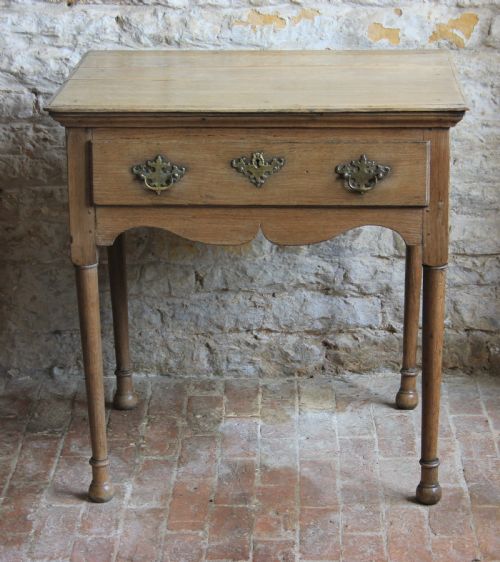


Early Oak Hall Table
An early oak hall table brings centuries of British domestic history into a modern hallway with honest timber and sturdy proportion.
Early Oak Hall Table
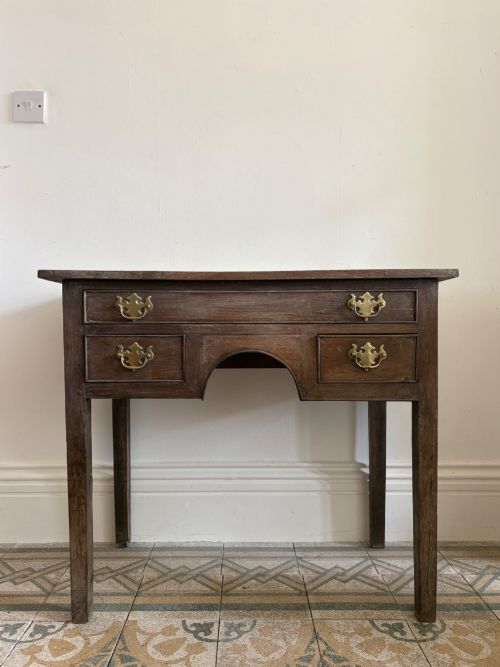
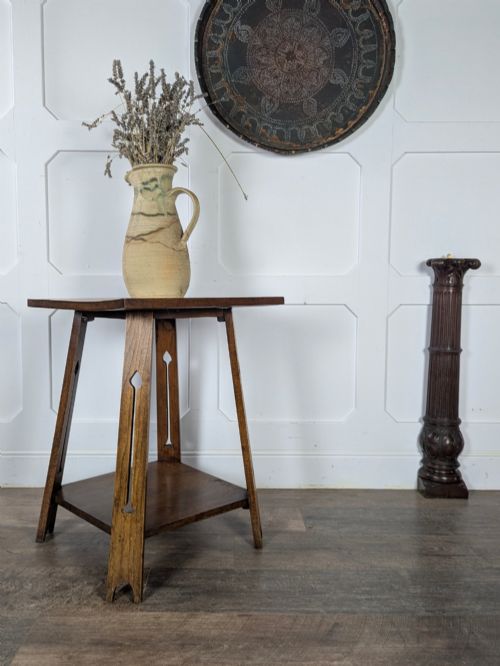
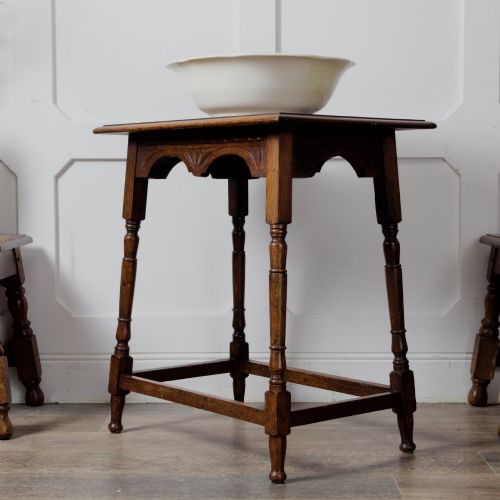
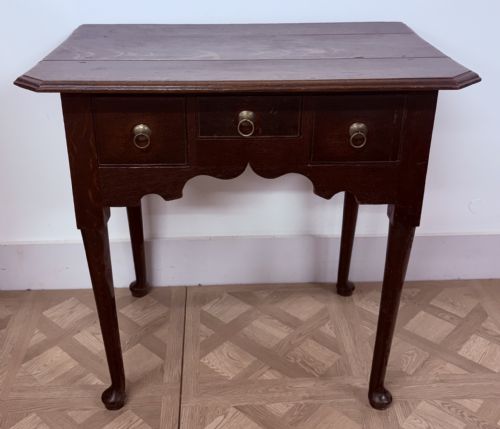
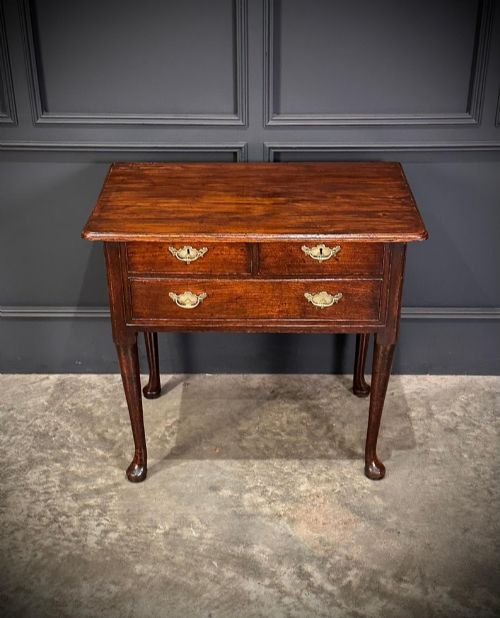
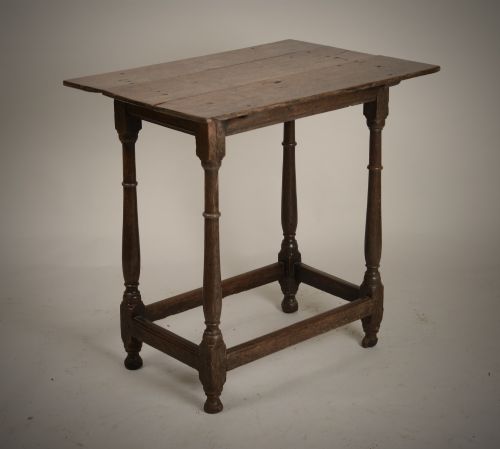
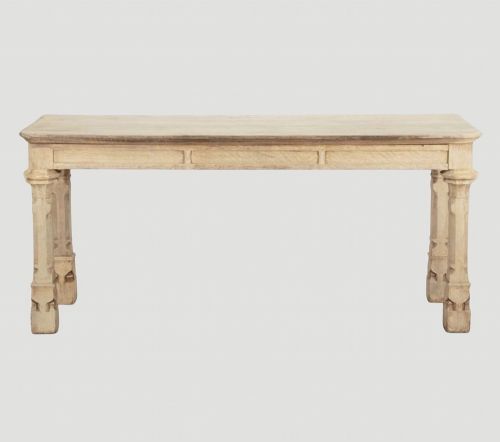
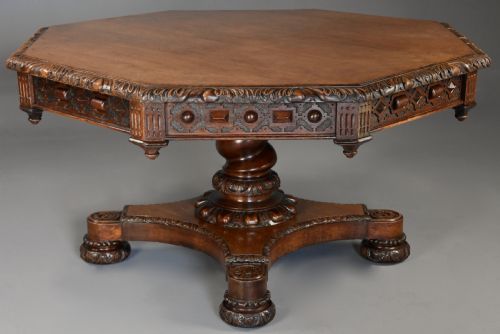
An early oak hall table spans several centuries of domestic furniture, appearing primarily as side tables, lowboys, and serving surfaces designed for practical use. The pieces seen here stretch from the seventeenth century through to the early twentieth century, encompassing revival styles and Georgian forms.
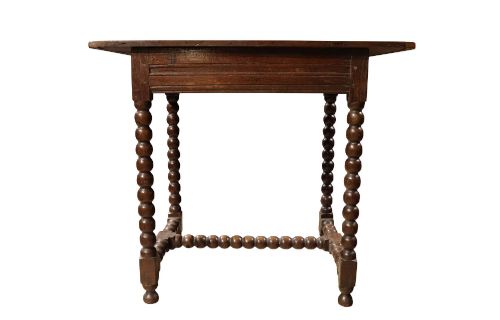
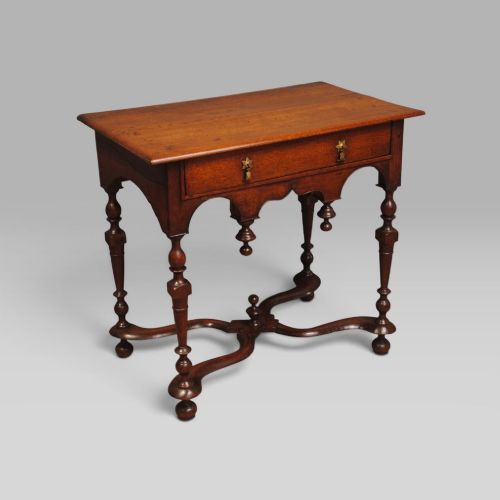
Lowboys and side tables dominate the selection, often featuring a single drawer and standing on square legs, bobbin-turned supports, or cabriole legs. These forms originated to serve utilitarian functions in country houses and taverns before becoming staples of period interiors.
Materials extend beyond standard timber to include burr oak, bleached oak, and walnut, alongside accents of brass and iron. Regional variations, such as Welsh country pieces, sit alongside formal George I and Queen Anne designs.
What varies in quality
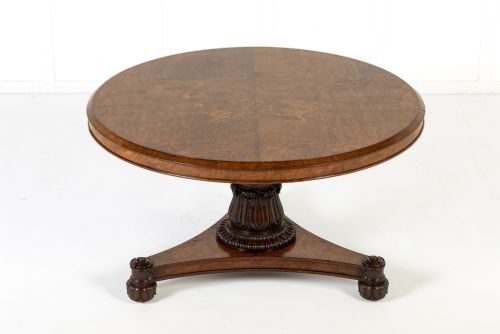
The distinction between standard utility items and finer examples rests in the selection of timber, such as figured burr oak, and the sophistication of the joinery. Carved detailing and the presence of original turned supports elevate the visual weight of a piece.
Proportion and surface finish dictate the character of the timber, with dry untouched surfaces and pale oak patinas holding particular distinction. Regional variations in country tables display distinct carpentry methods that separate provincial workshops from metropolitan cabinet makers.
Early Oak Hall Table Retail Price Guide 2026
Typical asking prices for early oak hall table among the pieces listed under this phrase on Sellingantiques today, from the lower quarter to the upper quarter. They describe what is for sale here now, not the wider market.
Some tables carry the quiet ghost marks of old tavern tankards and ink spills, recording centuries of heavy domestic life.
The Early Oak Hall Table Glossary
- Lowboy
- A small oak table with one or more drawers, commonly standing on tall legs and used historically as a dressing or side table. These pieces often display cabriole or square legs.
- Bobbin-turned
- A form of woodturning characterised by a series of rounded, spool-like shapes carved along the length of a table leg or support. This decorative technique appears frequently on seventeenth-century pieces.
- Burr oak
- A timber sourced from the growth deformations on an oak tree, yielding a highly swirled, mottled grain pattern. Cabinet makers utilised this prized material for decorative tabletops.
- Cabriole leg
- A furniture leg that curves outward at the knee and tapers inward toward the foot, mimicking animal limbs. This profile gained popularity during the Queen Anne and early Georgian periods.
- Tavern table
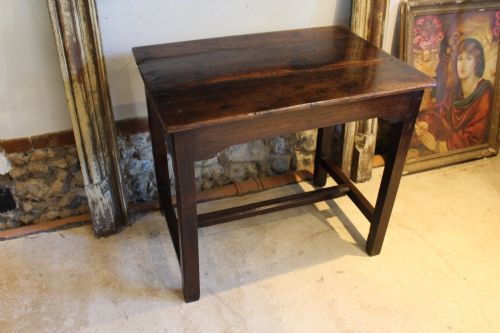
- A sturdy, utilitarian table constructed for heavy commercial or domestic use, typically featuring a robust timber top and straightforward framing. These items were built to endure constant daily handling.
Early Oak Hall Table: Frequently Asked Questions
How were lowboys used historically?
Lowboys served multiple functions within period homes, acting as writing desks, dressing tables, and general side surfaces for holding household items.
Their compact size and single drawer made them adaptable for placement in hallways, bedchambers, and reception rooms.
How do I identify a George I table?
George I tables typically feature restrained ornamentation, high-quality oak or walnut construction, and early eighteenth-century structural proportions.
Cabinet makers of this era often utilised cabriole legs and clean lines that marked a transition from heavier seventeenth-century styles.
Can I use a lowboy as a desk?
A lowboy functions effectively as a small writing desk due to its convenient working height and integrated drawer storage.
Buyers frequently place these tables in studies or hallways to serve as compact writing surfaces.