

Early Oak Cabinet
When you handle an early oak cabinet, you meet centuries of sturdy joinery, practical storage and honest timber that simply endure.
Early Oak Cabinet
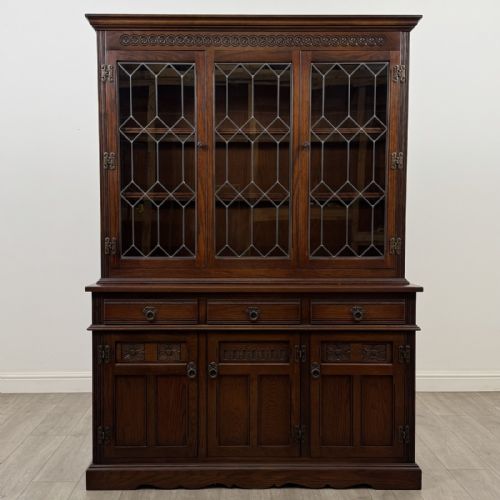
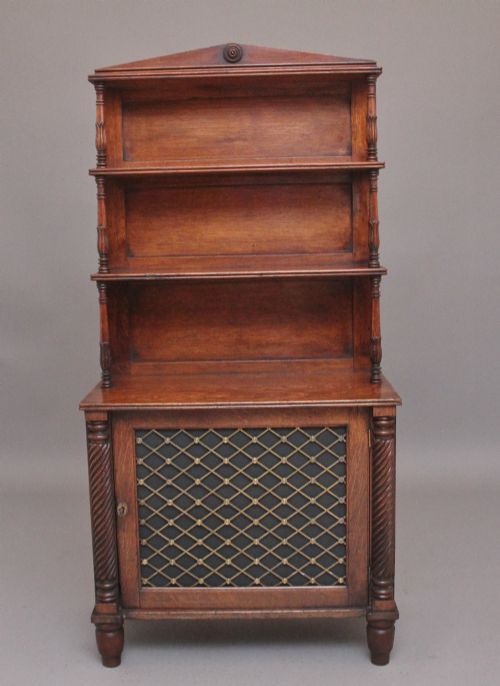
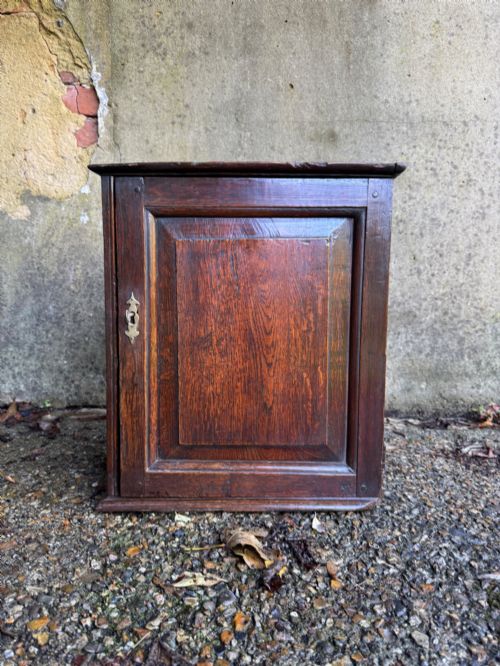
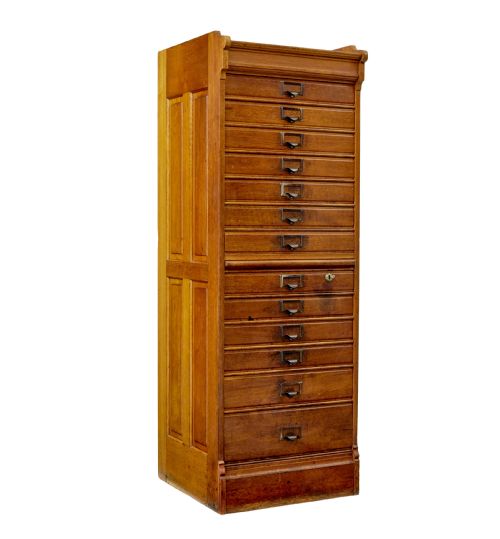
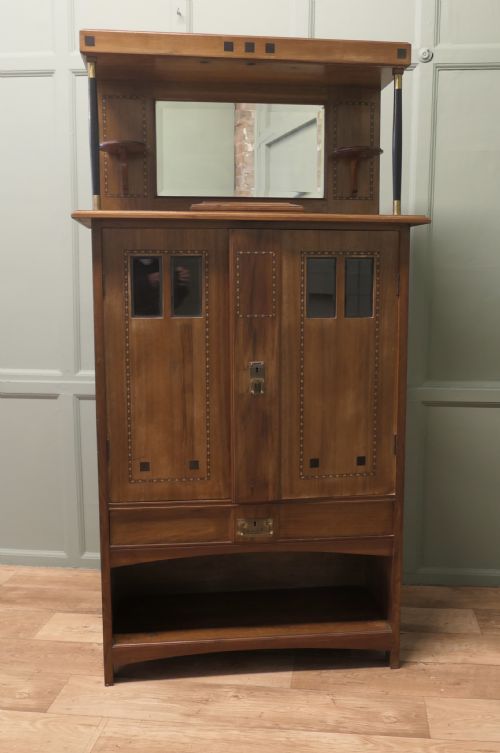
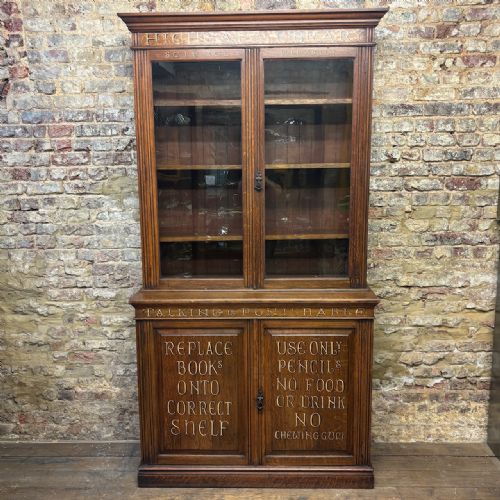
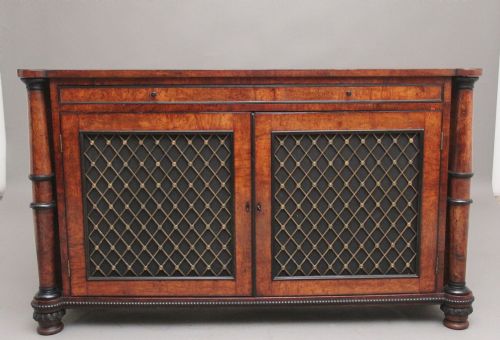
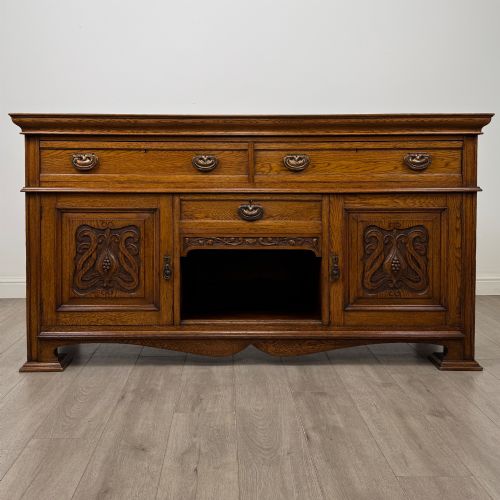
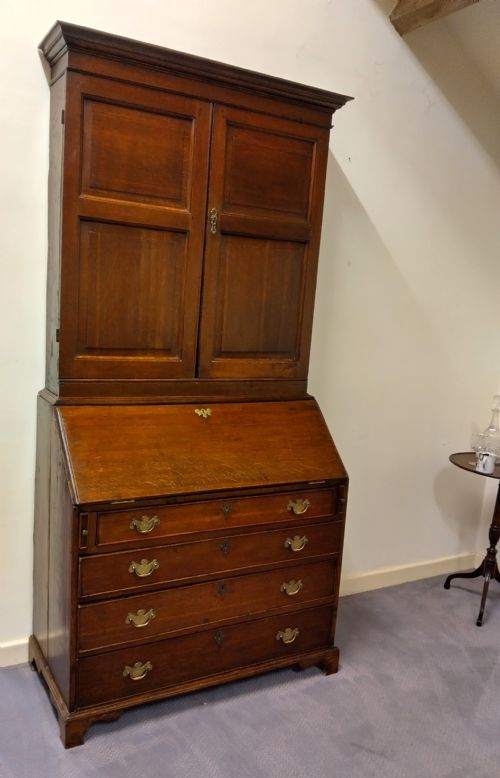
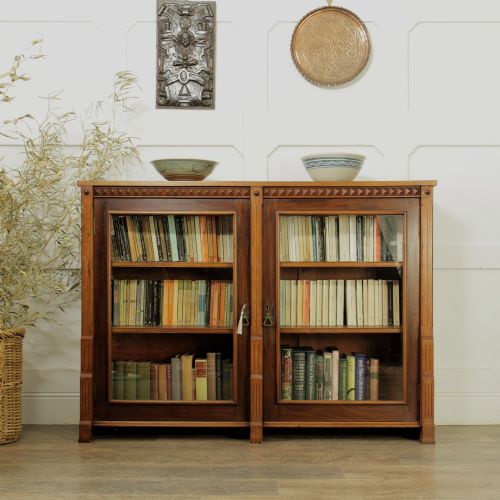
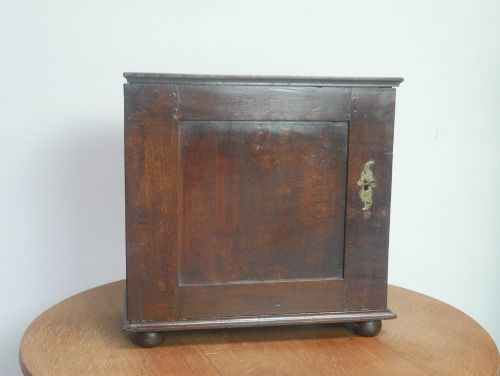
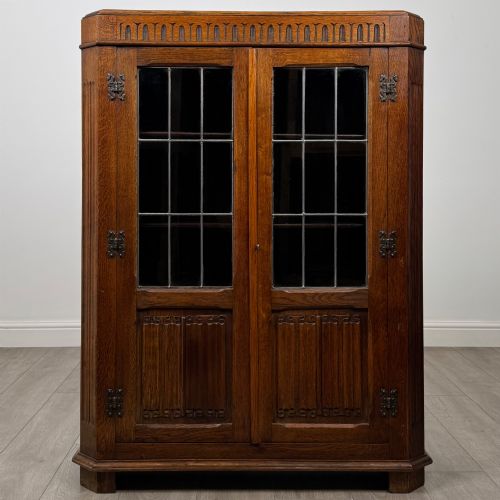
An early oak cabinet encompasses a wide variety of storage furniture, from seventeenth-century spice cupboards and press cupboards to twentieth-century filing units, bookcases and corner cabinets.
You will frequently encounter pieces originating from the eighteenth and early nineteenth centuries, alongside numerous examples produced during the early twentieth century and the Edwardian period.
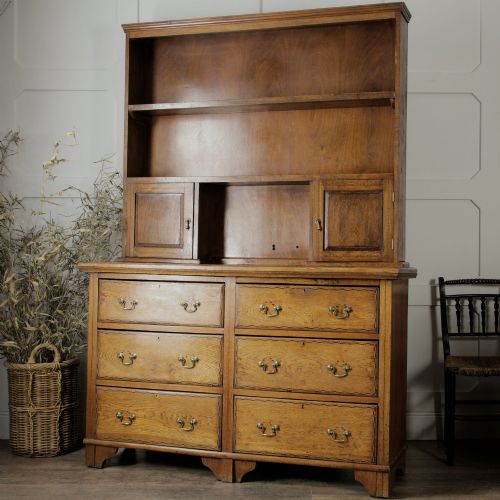
The functional forms span domestic kitchen dressers, shop display counters, music cabinets and bedside tables, reflecting how deeply oak was woven into daily life.
Materials and construction methods
Makers relied primarily on solid oak, often complemented by secondary timbers such as fruitwood or burr elm, paired with robust iron or brass hardware for hinges and locks.
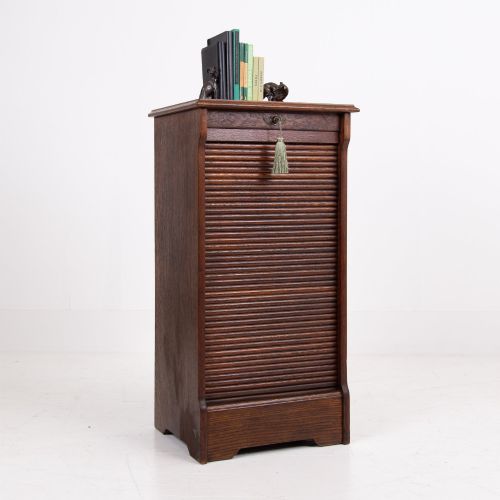
Earlier examples display traditional pegged frame-and-panel construction and hand-carved details, whereas later pieces incorporate mechanical elements like tambour doors and sectional stacking frameworks.
The recorded listings feature oak combined with brass, glass, iron, wrought iron, lead, and marble across multiple centuries.
Assessing quality in early oak furniture
The calibre of a piece rests largely on the integrity of its timber selection, the depth of its natural surface patina and whether original hardware remains intact.
Superior execution shows in tight, hand-cut joinery and uncompromised structural proportions that survive centuries of use without heavy modern alterations.
Heals of London·William Bird MD FLS·U Phone of Leeds
The Early Oak Cabinet Glossary
- Patina
- The surface sheen and mellow colour developed by timber over decades or centuries of handling and exposure to light. This quality distinguishes untouched antique surfaces from modern refinished wood.
- Tambour
- A flexible shutter door formed of narrow vertical strips of wood glued to a canvas backing, running in a grooved track. This mechanism allows smooth access to office and filing cabinets.
- Tridarn
- A traditional Welsh three-tiered oak cupboard used for storing and displaying provisions or household silver. These imposing pieces represent regional vernacular cabinet-making.
- Press cupboard
- A large storage furniture form featuring enclosed upper and lower compartments with panelled doors. They were traditionally utilised for linen and clothing storage.
Early Oak Cabinet: Frequently Asked Questions
How do I date an early oak cabinet?
Examine the construction methods, tool marks and timber selection used in the interior framing and drawer linings. Hand-riven boards and pegged joints usually point towards earlier centuries, while machine-cut elements indicate twentieth-century production.
Hardware styles, locks and hinges also provide reliable clues for narrowing down the decade of manufacture.
Were these cabinets used in homes or offices?
Early oak cabinets served diverse roles across both domestic interiors and commercial workspaces. You find pieces designed for kitchens, libraries and bedrooms alongside specialised office filing systems and shop display counters.
This versatility stems from the sheer durability of oak, which suited heavy daily usage in any environment.
How should I care for solid oak furniture?
Keep wooden cabinets away from direct heat sources and fluctuating humidity to prevent the timber from splitting or warping. Apply a traditional wax polish sparingly to nourish the grain and maintain the surface sheen.
Avoid modern silicone sprays, as they build up residue and harm the historic patina over time.
What is a Globe Wernicke cabinet?
A Globe Wernicke cabinet is a sectional barrister bookcase system featuring stacking glass-fronted tiers. Each modular tier lifts and slides inward on a metal track, allowing units to be stacked vertically.
This ingenious patent revolutionised office and library storage during the early twentieth century.