





Early Oak Bureau Desk
An early oak bureau desk is a sturdy writing cabinet built for paperwork, offering hidden compartments and drop-front slopes that make it a practical workspace.
Early Oak Bureau Desk
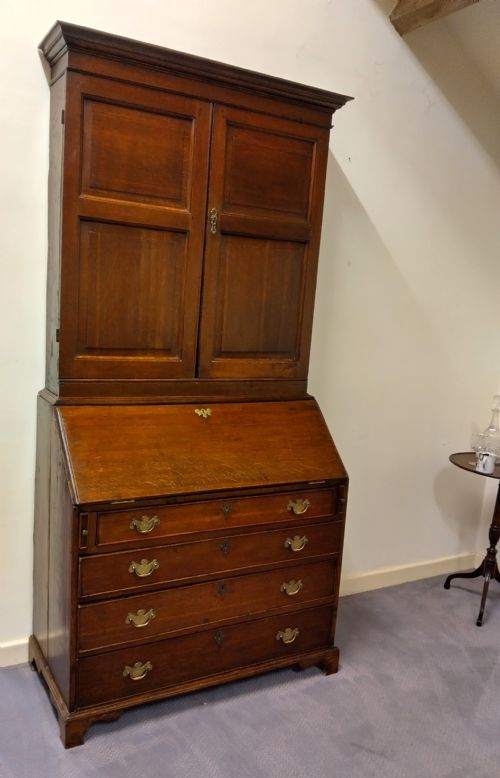
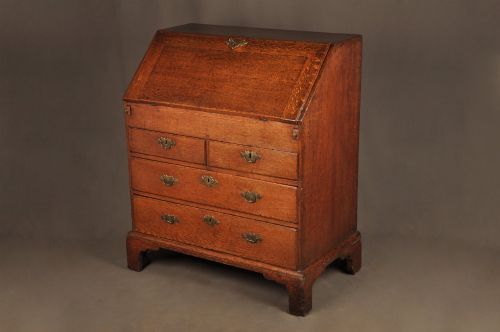
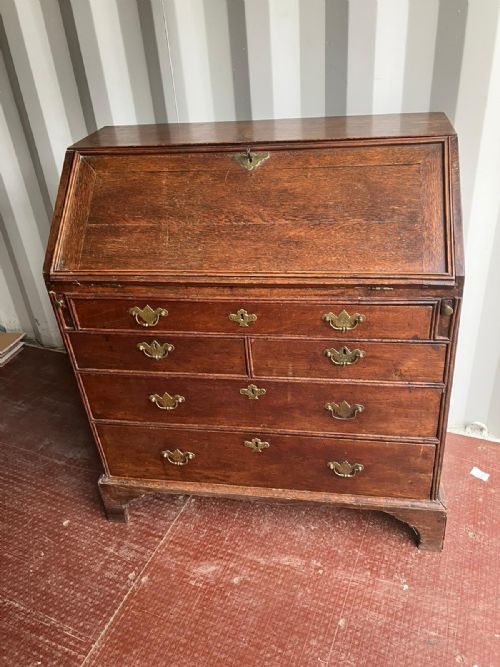
When you search for an early oak bureau desk, you encounter pieces spanning from the seventeenth century through the Georgian era and into later revival styles. The form typically combines a slanted writing flap that opens to reveal internal drawers with a chest of drawers or a cabinet base below.
You are most likely to meet standard bureaus, bureau bookcases, and writing desks rendered in solid timber. These items range from compact table top examples to tall dome top bureau cabinets designed for domestic study use.
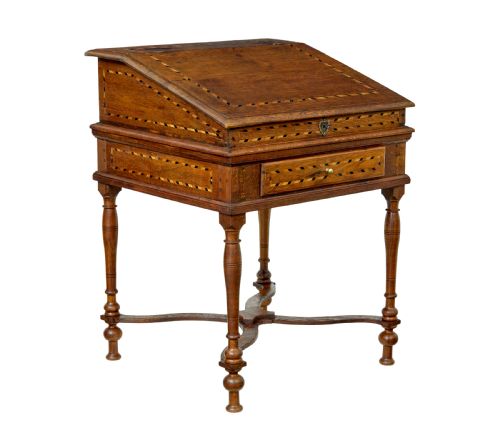
The regional origins and periods vary from seventeenth century English and provincial workshops to Dutch inlaid writing slopes and early eighteenth century George I designs. Each variation demonstrates how domestic writing furniture evolved to meet changing needs for storage and correspondence.
Materials and construction
These items are constructed predominantly from solid oak, sometimes combined with fruitwood or inlaid decorative elements, utilising brass for key escutcheons and handles. Iron hardware and leather writing surfaces appear on specific utilitarian or later variations.
Joinery methods rely on traditional framing and panel construction, with dovetailed drawer boxes and fitted interior compartments hidden behind the main writing flap. Carved detailing and geometric mouldings define the surface enrichment on specific seventeenth century and Victorian examples.
Early Oak Bureau Desk Retail Price Guide 2026
Typical asking prices for early oak bureau desk among the pieces listed under this phrase on Sellingantiques today, from the lower quarter to the upper quarter. They describe what is for sale here now, not the wider market.
Some seventeenth century strong boxes doubling as early desks kept coin hoards safe while double-checking the owner's handwriting.
Assessing quality
The distinction between tiers rests upon the choice of timber, the crispness of carved or moulded details, and the integrity of the internal compartments. Pieces retaining their original brass hardware, fitted pigeonholes, and secret drawers command greater interest.
Proportion and structural retention also differentiate examples, where undisturbed timber patination and honest period construction outweigh heavily altered or subsequently adapted frames.
The Early Oak Bureau Desk Glossary
- Bureau
- A writing desk featuring a sloping hinged lid that drops down to form a writing surface over a set of drawers. This term often describes pieces with fitted internal compartments.
- Bureau Bookcase
- A two-part furniture form combining a bureau desk base with an upper shelving or cabinet section enclosed by doors. These taller pieces provided combined storage for books and documents.
- Writing Slope
- A portable or table-mounted desk box with an angled top surface designed for penmanship. They often incorporate internal storage compartments for ink and paper.
- Strong Box
- A heavily reinforced security chest used for storing valuables, documents, or currency. These items frequently date to the seventeenth century and utilise robust iron work.
- Table Top Bureau
- A compact writing cabinet designed to sit upon a separate table or chest rather than standing independently on the floor. William and Mary examples illustrate this specific smaller scale.
Early Oak Bureau Desk: Frequently Asked Questions
What is an early oak bureau desk?
An early oak bureau desk is a traditional writing cabinet featuring a sloping lid that opens to reveal inner compartments and drawers. These pieces served as private workspaces for correspondence and document storage.
They appear in various forms, from small table top models and corner units to large bureau bookcases with upper shelving sections. The primary material across the selection is solid oak.
How do I date an oak bureau?
Dating relies on examining construction techniques, hardware styles, and overall proportions. Seventeenth century and early eighteenth century pieces often display pegged joinery, hand-cut dovetails, and simpler panel layouts.
Later Victorian and twentieth century interpretations introduce machine cutting, different handle styles, and revival motifs such as heavy carving or roll top mechanisms. Comparing the interior layout helps establish the period.
Where were these desks used?
These items were placed in parlours, studies, and libraries of period homes where household accounts and personal letters were managed. Their lockable drop fronts kept sensitive paperwork secure from general view.
Today, they function effectively in home offices or living rooms as writing surfaces and storage units. Their compact footprints suit modern interiors seeking traditional character.
What are secret compartments?
Secret compartments are hidden drawers or sliding panels built into the interior fitments of a bureau. They were designed to store valuables, coins, or private papers safely away from casual inspection.
Discovering them usually involves removing specific small drawers or pressing concealed spring releases within the pigeonhole section. They represent a signature feature of period writing furniture.