



Early Metalware
Early metalware encompasses centuries of utilitarian and decorative objects in brass, pewter, copper and iron that bring honest historical texture to a room.
Early Metalware
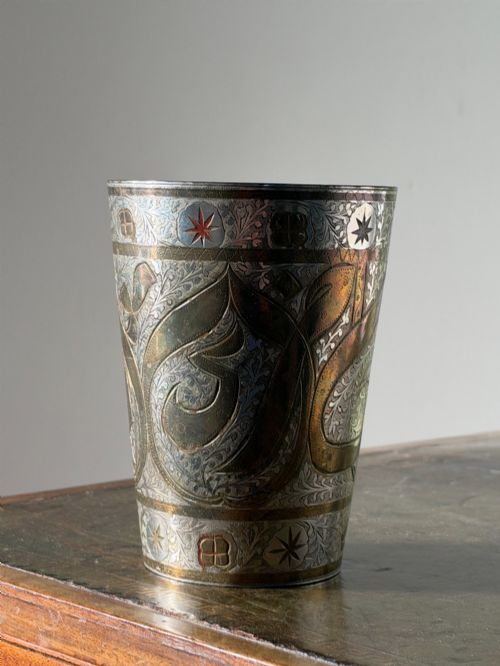
Early metalware covers a diverse array of domestic and personal artefacts forged, cast or beaten from base and precious metals across the seventeenth, eighteenth and nineteenth centuries. The pieces range from heavy hearth and lighting equipment to tabletop vessels and pocket items.
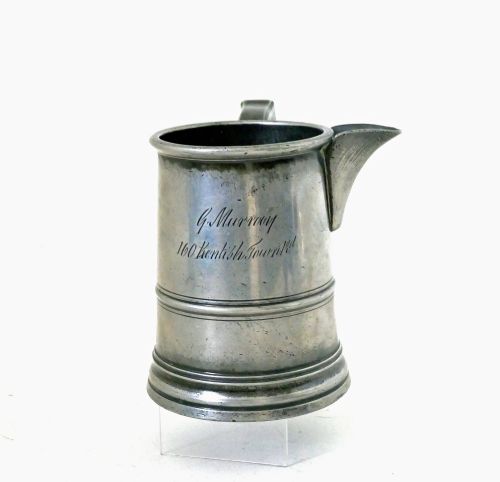
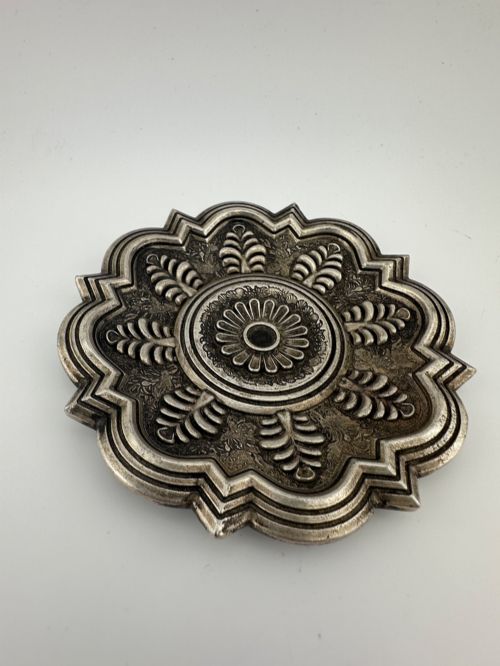
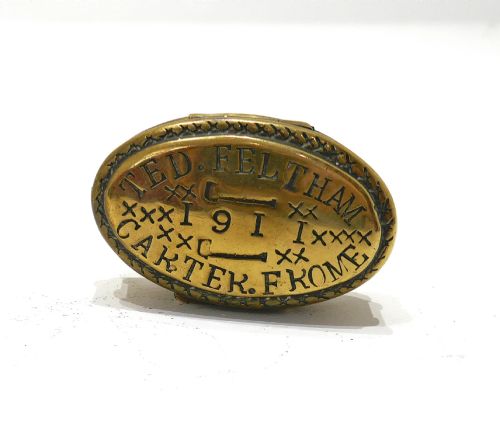
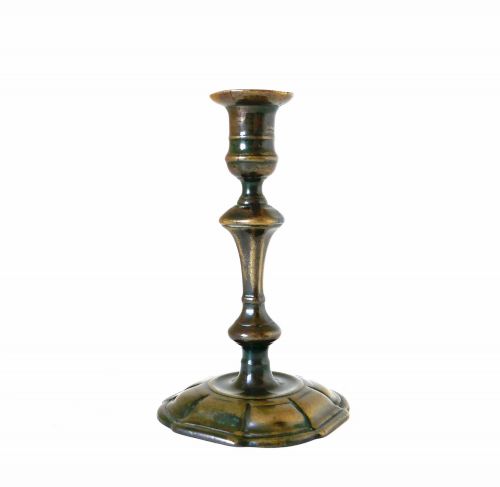
Candlesticks, ale jugs, spirit measures, chargers, andirons and pocket knives appear frequently within this grouping. These items reflect the everyday domestic and social routines of past households in England, Wales, Scotland, America, Holland, France and China.
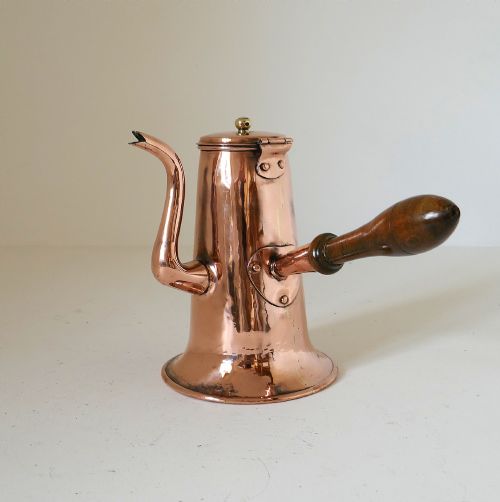
The materials span brass, pewter, copper, wrought iron, steel, silver plate, white metal and bronze, often paired with secondary elements like fruitwood. Surviving examples demonstrate how metal objects served essential functions in lighting, heating, drinking and dining.
Materials and construction
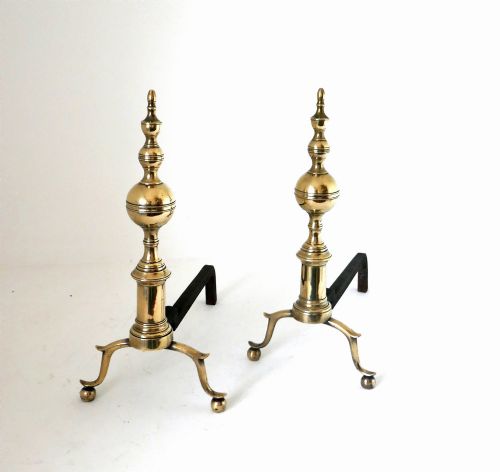
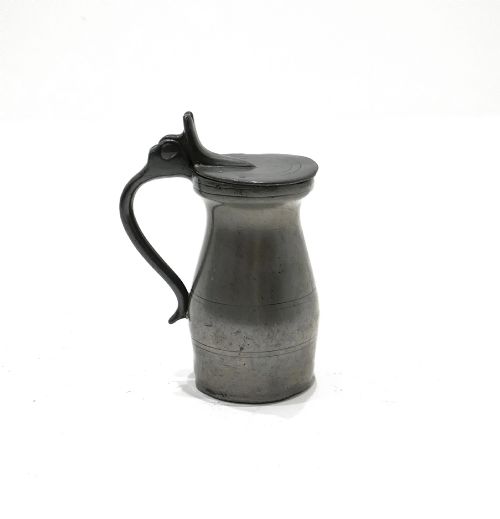
Pewter and brass objects rely heavily on casting and lathe-finishing techniques. Pewter vessels such as ale jugs, beakers and spirit measures utilise tin alloys shaped in moulds, while heavy ladles, mortars and andirons employ cast brass and iron.
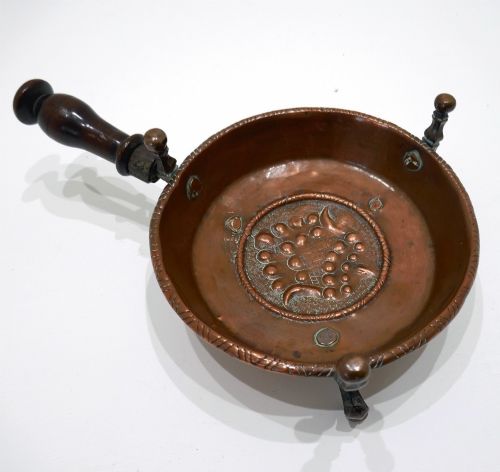
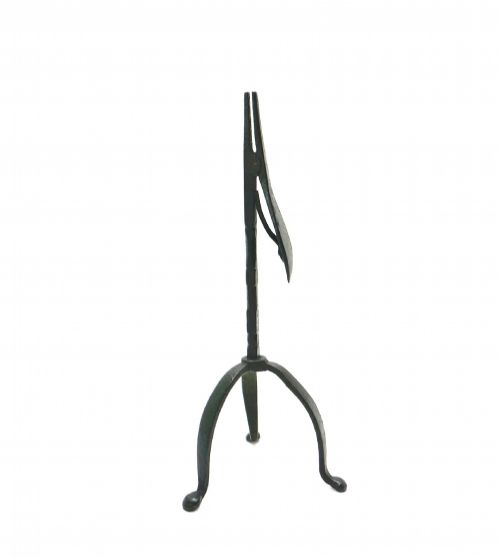
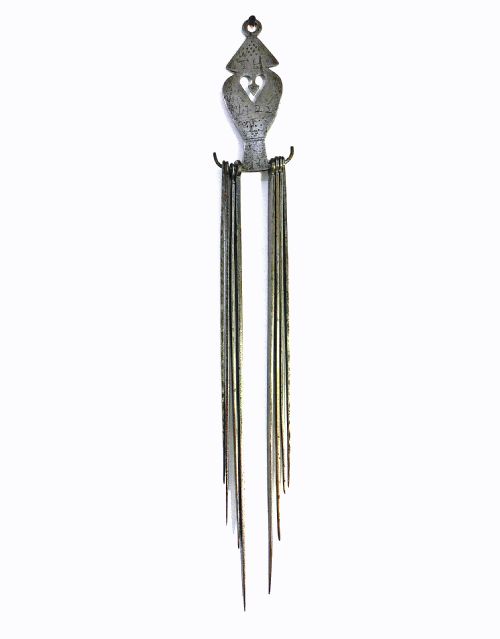
Copper and wrought iron items rely on hammering, riveting and forging. Items like coffee pots, kettles and rushlight holders show hand-beaten surfaces and forged joints that reveal the direct intervention of the smith or brazier.
Early Metalware Retail Price Guide 2026
Typical asking prices for early metalware among the pieces listed under this phrase on Sellingantiques today, from the lower quarter to the upper quarter. They describe what is for sale here now, not the wider market.
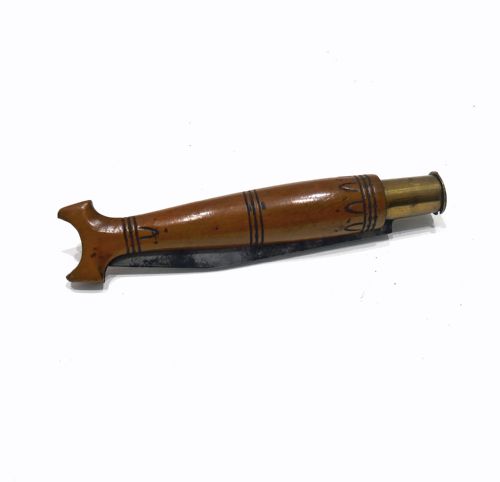
A nineteenth-century French fish-form penknife carved from fruitwood snaps open to reveal its hidden blade.
Judging quality in metal objects
Quality rests upon the crispness of casting, the integrity of the original surface patination and the preservation of maker marks or ownership engravings. Heavy gauge metal that maintains its intended wall thickness and structural proportion without excessive thinning indicates superior production.
Wear patterns that match the stated age without compromise to the underlying form distinguish high-grade survivals. Original components, such as matching lids on measures or unaltered iron spring mechanisms on rushlight holders, elevate an object's integrity.
The Early Metalware Glossary
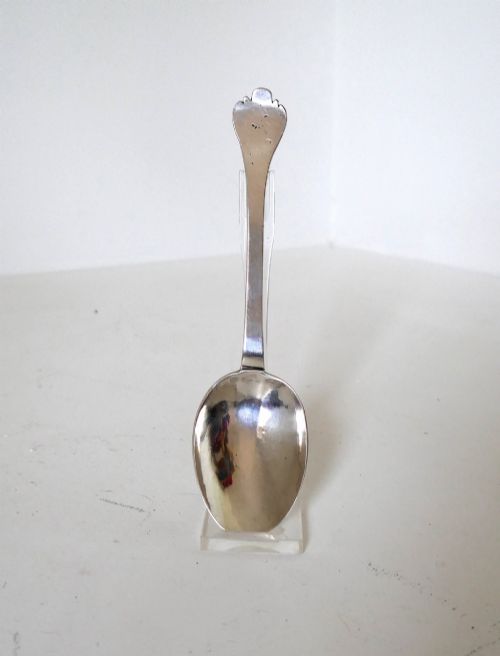
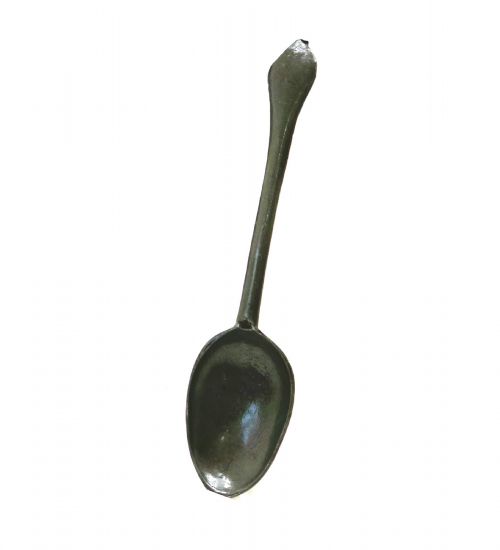
- Trefid spoon
- An early form of dining spoon featuring a broad, three-lobed terminal handle popular during the late seventeenth century. This style precedes the more rounded dog nose design.
- Rushlight holder
- A spring-action wrought iron device designed to grip a dried rush dipped in animal fat for domestic illumination. These lighting implements typically feature tripod or weighted bases for tabletop use.
- Pewter charger
- A large circular plate or dish intended for serving food or displaying wealth on a sideboard during the seventeenth and eighteenth centuries.
- Andirons
- Iron and brass firedogs placed in a hearth to support logs for burning. They often feature decorative cast brass terminals and iron billets.
- Spirit measure
- A standardised vessel used for pouring and serving alcohol before the adoption of modern metrology. Examples include flat-lidded half gill and imperial half pint sizes.
Early Metalware: Frequently Asked Questions
What is early metalware?
Early metalware describes utilitarian and decorative items forged or cast from materials like brass, pewter, copper and iron prior to the twentieth century.
These pieces include domestic items such as candlesticks, kettles, jugs and flatware made for daily use in homes.
How were pewter vessels used?
Pewter vessels served primarily for consuming and measuring food and drink in domestic and tavern settings.
Tankards, ale jugs, chargers and beakers held liquids and provisions before glass and ceramic wares became dominant.
How do I care for antique metal?
Antique metal requires minimal intervention to preserve its historic surface and natural patination over decades of display.
Keeping pieces in stable indoor environments away from excessive moisture prevents active corrosion on iron and copper alloys.