


Early Georgian Table
When you search for an early georgian table, you enter a world of walnut and oak furniture built for eighteenth-century homes.
Early Georgian Table
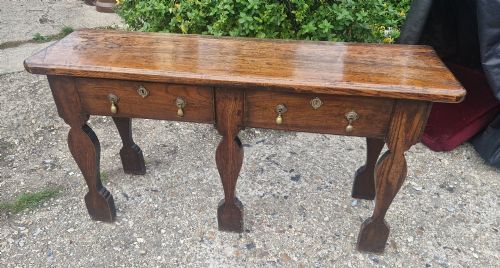
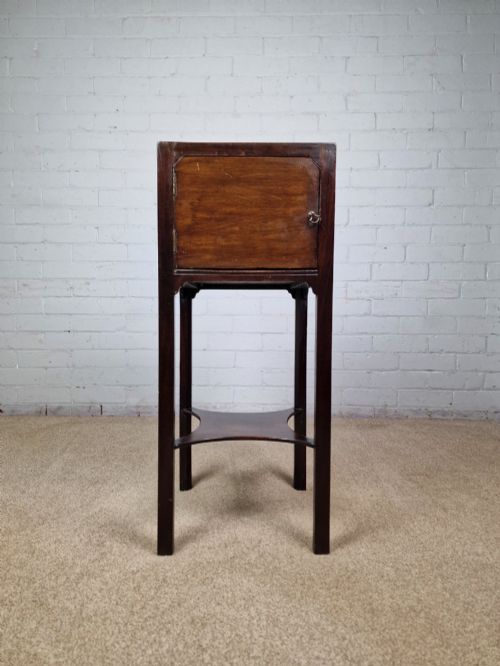
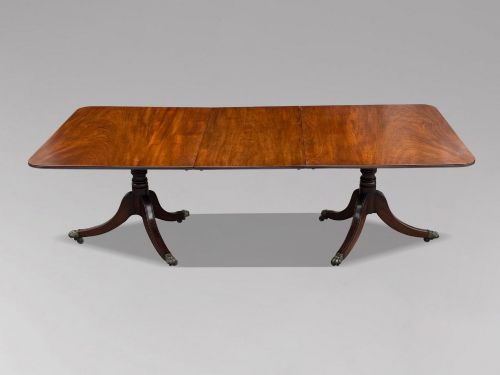
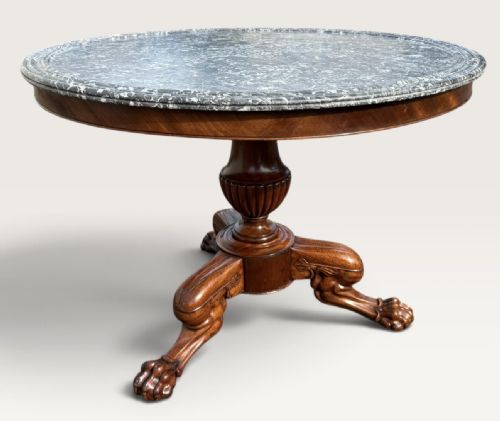
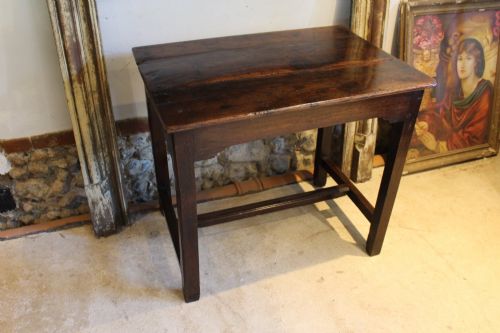
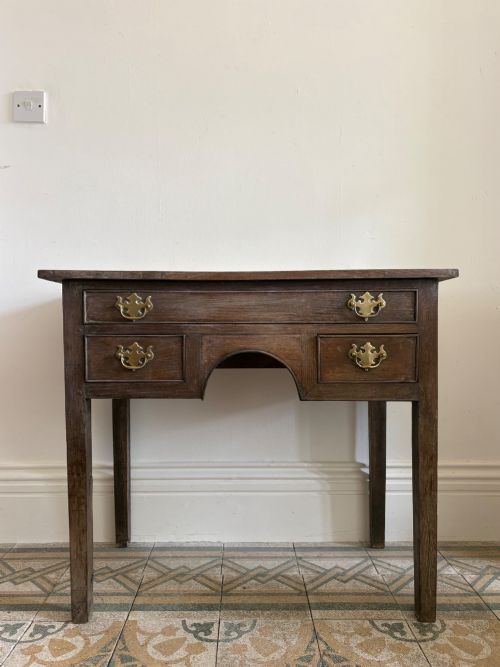
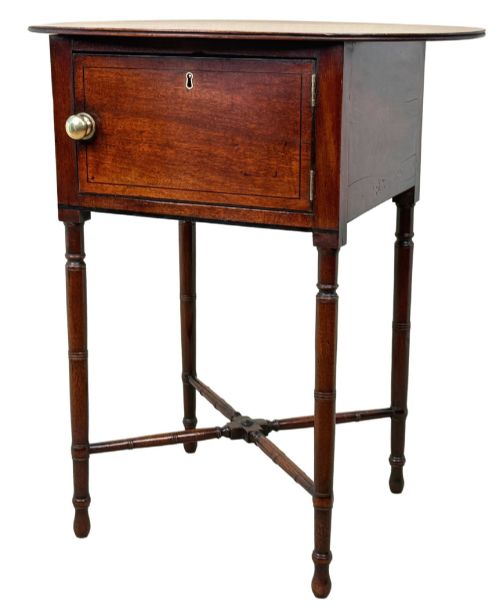
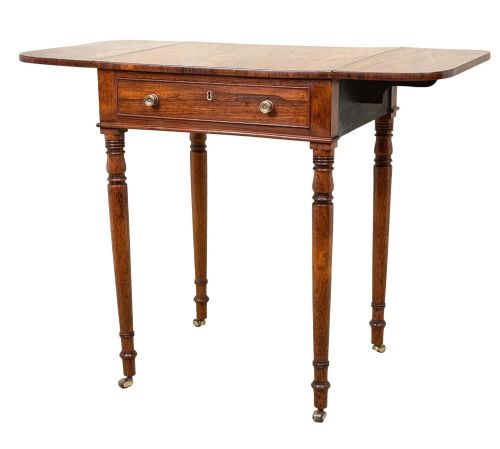
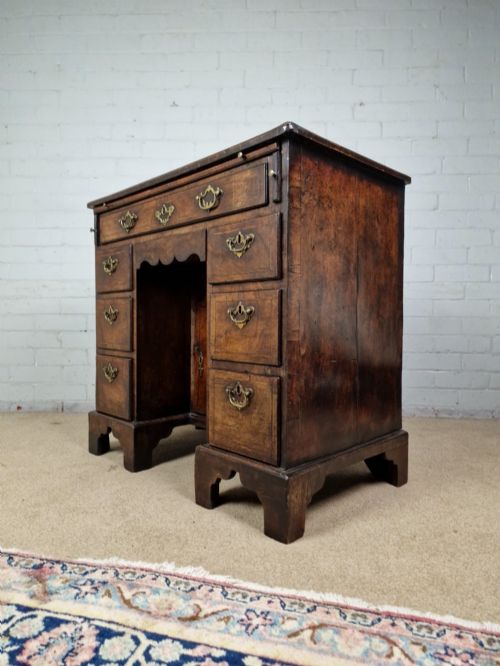
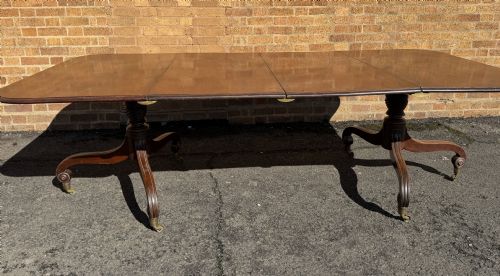
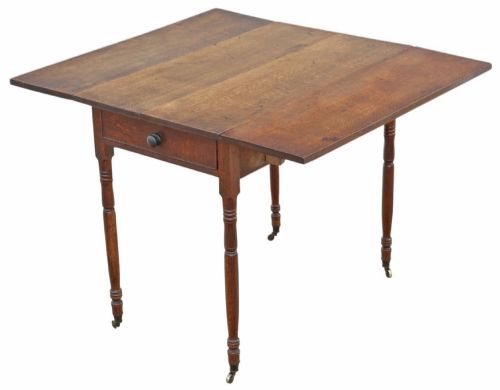
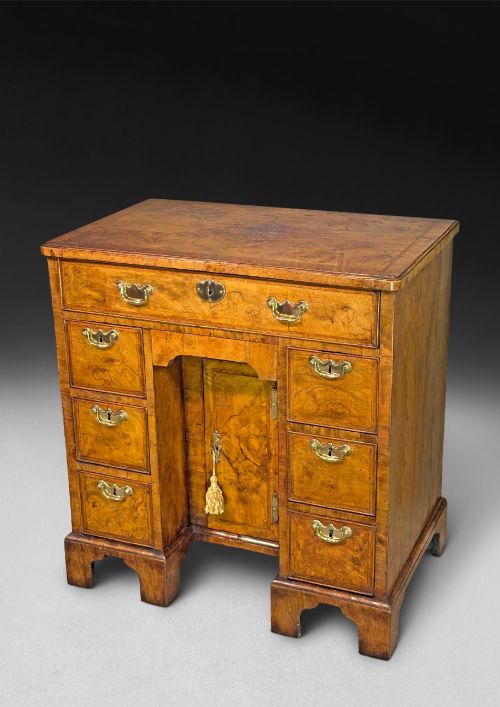
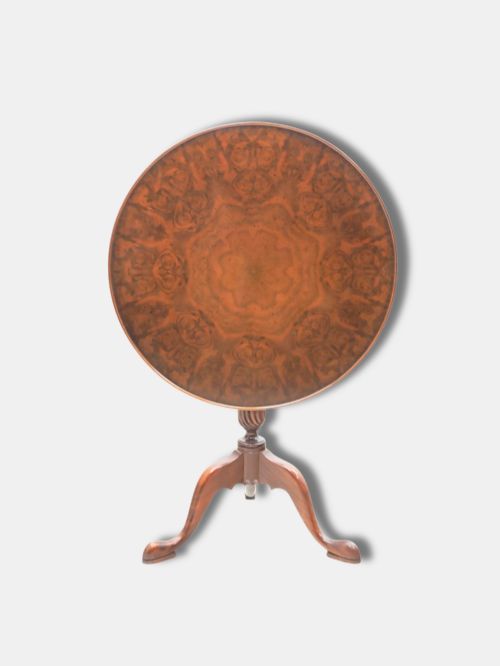
An early georgian table encompasses formats ranging from oak side tables and walnut lowboys to mahogany drop-leaf dining pieces and tripod candlestands.
The selections span the eighteenth century alongside related pieces, with oak and walnut dominating the earliest examples and mahogany becoming prevalent as the period progresses.
Buyers frequently encounter side tables, gateleg tables, and occasional furniture designed for domestic utility and formal reception rooms alike.
Materials and Construction
Cabinetmakers utilised solid timbers including native oak, imported mahogany, and figured walnut, often pairing secondary softwoods like pine for internal framing.
Construction techniques involve traditional joinery such as mortise and tenon joints, dovetailing on drawer construction, and turned or cabriole legs terminating in pad or claw-and-ball feet.
Listings feature eighteenth-century periods alongside oak, walnut, and mahogany timbers formed into side tables, lowboys, and tripod bases.
Evaluating Standards
The hierarchy of quality depends upon the selection of timber figure, such as highly grained walnut or dense Cuban mahogany, and the crispness of carved details.
Original brass hardware, uncompromised timber patina, and structural integrity without extensive replacement elements distinguish superior examples from heavily restored alternatives.
The Early Georgian Table Glossary
- Lowboy
- A small dressing table or side table featuring one or more rows of drawers beneath a flat top, typically raised on slender cabriole legs.
- Gateleg table
- A drop-leaf table featuring hinged flaps supported by hinged legs that swing out like a gate to bear the weight.
- Tripod table
- A small occasional table supported by a central pillar resting on three spreading feet, often with a tilt-top mechanism.
- Patina
- The surface sheen and mellow colour developed by wood over centuries of handling, exposure, and polishing.
Early Georgian Table: Frequently Asked Questions
What defines an early georgian table?
These pieces date primarily from the reigns of George I and George II, characterised by robust proportions, restrained ornamentation, and architectural symmetry.
Craftsmen focused on the natural grain of woods like walnut and oak before mahogany gained widespread adoption later in the century.
How do I care for antique wood?
Maintain stable indoor humidity levels and keep wooden surfaces away from direct heat sources to prevent timber splitting and shrinkage.
Apply traditional beeswax periodically to nourish the grain and preserve the historic surface sheen without harsh chemical cleaners.
Were these tables used for dining?
Larger formats such as gateleg and drop-leaf tables served communal dining functions in country houses and town residences.
Smaller examples functioned as tea tables, side tables, or writing desks depending on the household requirements of the period.
How do I distinguish walnut from mahogany?
Walnut displays a rich, warm brown colour often marked by distinctive darker figuring and feather patterns popular in the early eighteenth century.
Mahogany exhibits a denser, reddish-brown tone that became the dominant material for fine cabinetmaking as global trade routes expanded.