
Early Georgian Side Chairs
Early georgian side chairs are sought after for their robust walnut frames and refined proportions, bringing understated period character to any room.
Early Georgian Side Chairs
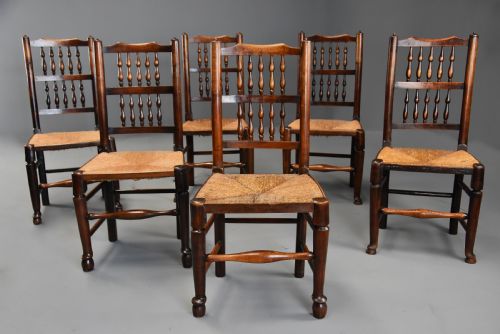
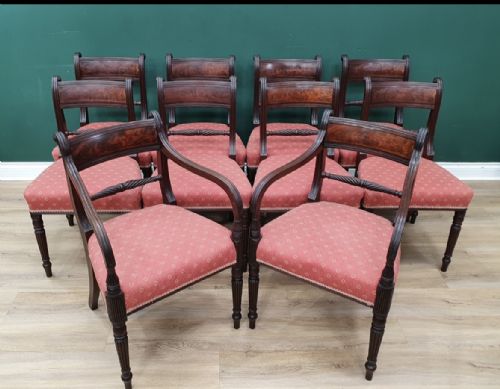
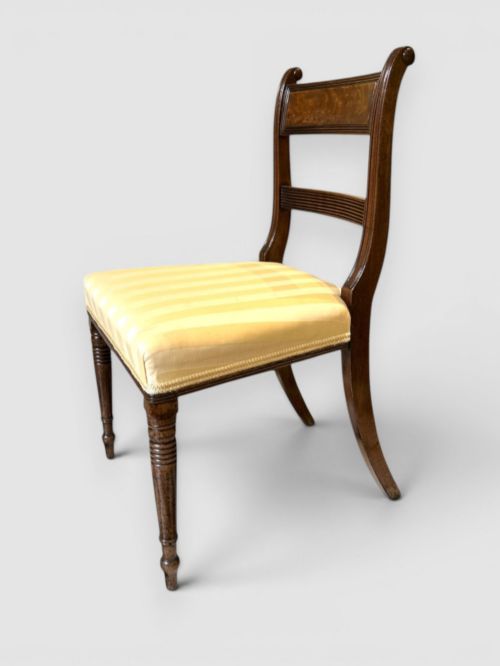
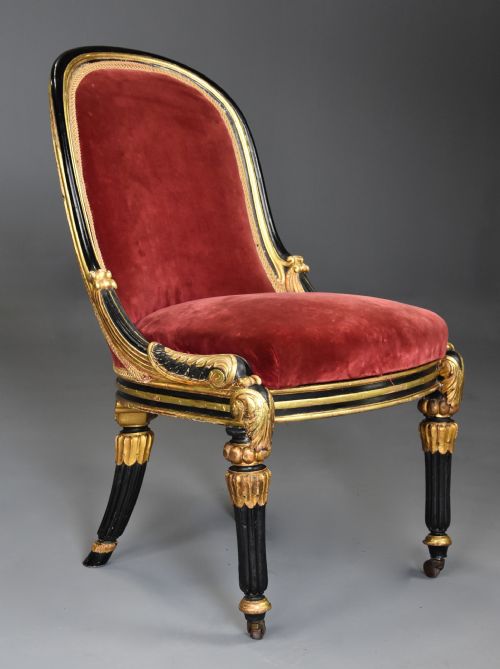
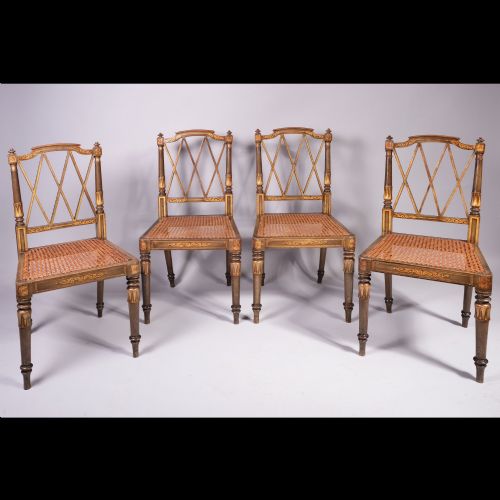
Early georgian side chairs encompass pieces constructed primarily during the eighteenth century, drawing from georgian, queen anne, and early nineteenth century influences. You will frequently encounter walnut and mahogany examples alongside elm, oak, and fruitwood country variants.
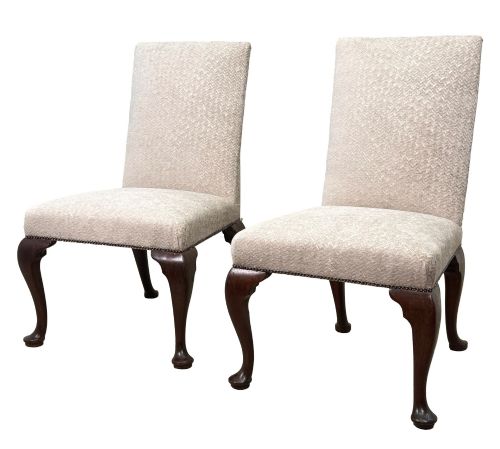
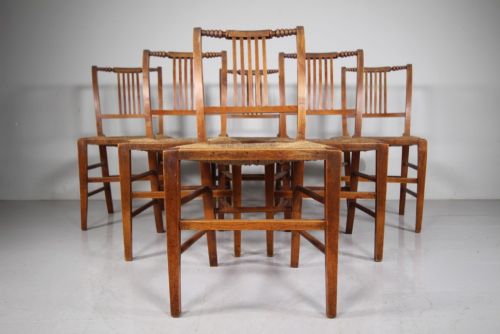
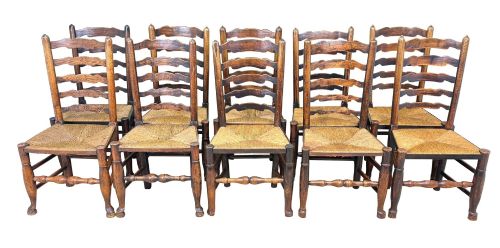
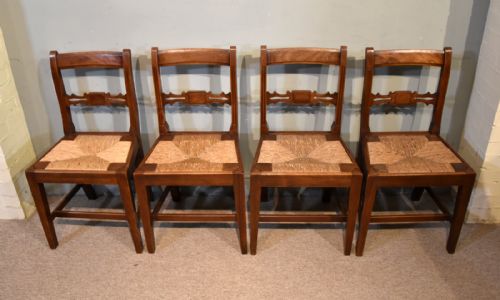
The selection ranges from pairs of upholstered walnut seating to sets of regional ladderback and spindle back dining chairs. Side chairs serve as versatile seating that functions equally well grouped around a dining table or placed independently in a hallway.
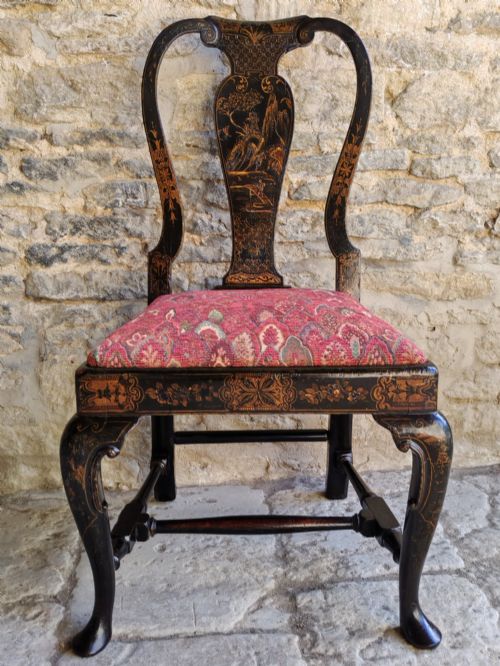
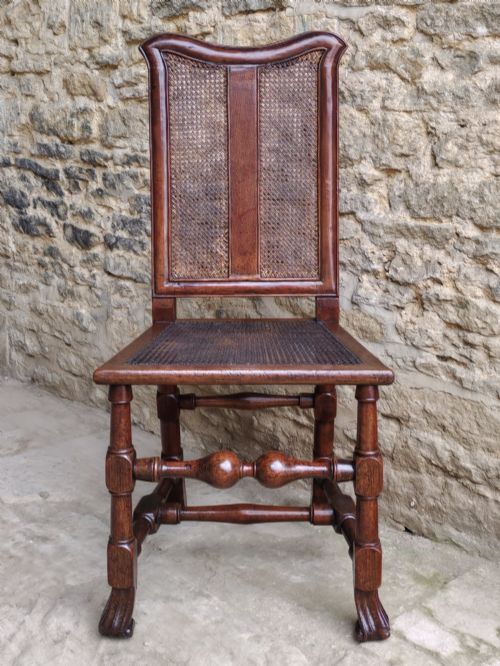
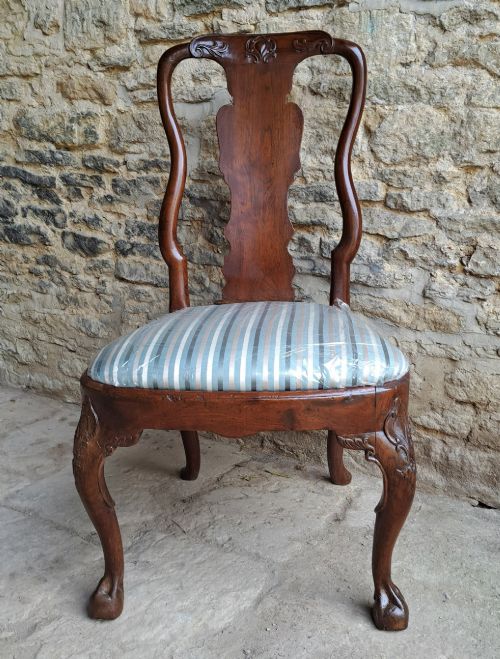
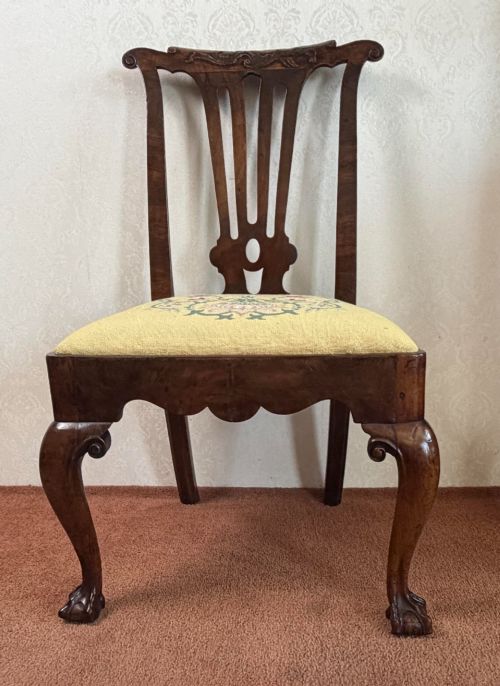
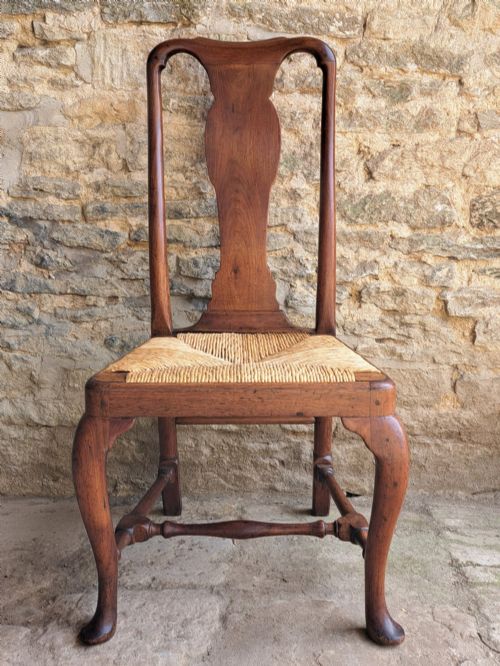
While formal examples display carved details and cabriole legs, simpler country vernacular versions utilise rush and wood seats with straightforward turned supports. Examining the listed pieces reveals both urban formal designs and robust rural interpretations.
Assessing Quality
Quality depends upon the crispness of carved details on the knees and splats, the integrity of the original timber grain, and the retention of period upholstery methods. Superior examples maintain uncompromised joinery and patination acquired through centuries of use.
Proportion and stance separate standard provincial items from master cabinetmaker productions, where the curve of a cabriole leg or the rake of a back flows without hesitation. Modifications or replaced seat frames alter the original balance of the piece.
Some chairs retain wool work seats stitched by hands long forgotten, turning a simple dining seat into a textile time capsule.
The Early Georgian Side Chairs Glossary
- Cabriole leg
- A furniture leg that bends outward at the knee and tapers inward toward the ankle, mimicking animal limbs. This form is common in eighteenth century seating.
- Drop-in seat
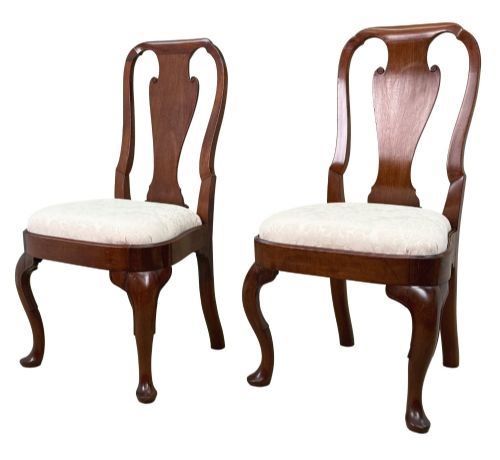
- A removable wooden frame upholstered separately and dropped into a recess in the chair seat rail. It allows for easier recovering of the textile.
- Splats
- The vertical wooden strip down the centre of a chair back that provides lumbar support. They often take vase or fiddle shapes in walnut and mahogany examples.
- Vernacular
- Objects made by regional craftsmen following local traditions rather than metropolitan high styles. These pieces often employ elm, oak, or fruitwood.
- Patina
- The surface sheen and mellowed appearance acquired by wood over long periods of handling and waxing. It indicates age and careful maintenance.
Early Georgian Side Chairs: Frequently Asked Questions
How do I spot a true eighteenth century chair?
Examine the timber shrinkage, joinery methods, and tool marks visible on the undersides of the seat rails. Eighteenth century frames exhibit hand-cut joints and consistent wear patterns appropriate to their age.
Compare the proportions and wood species against documented examples from the same period. Genuine pieces display natural patination that modern reproductions cannot replicate.
Can I use these chairs for daily dining?
Many sturdy mahogany and elm chairs remain structurally sound for regular use around a dining table. Checking the stability of the frame and joints ensures safe daily seating.
Consider having a conservator secure loose joints before putting antique chairs into heavy service. Protecting delicate upholstered or silk seats with appropriate care prolongs their lifespan.
What is the difference between a side chair and a hall chair?
Side chairs are movable seats designed for dining rooms, parlours, or bedrooms, often featuring upholstered or drop-in seats. They prioritize comfort and refined stylistic details.
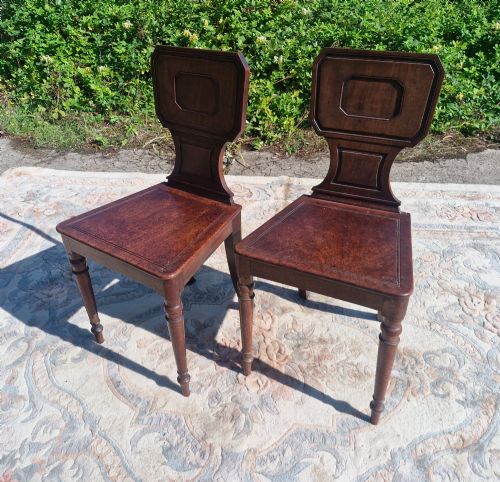
Hall chairs generally feature solid wood seats without upholstery and were placed in entrance halls for brief seating. They frequently display painted crests or carved wooden backs.
Why do wood types vary so much?
Makers utilised available regional timbers, meaning metropolitan workshops favoured imported mahogany and walnut while rural artisans relied on local elm, oak, and fruitwood. Geography and trade access dictated the material used.
Wealthier urban households commissioned fashionable walnut and mahogany furniture from city cabinetmakers. Country workshops adapted these high-style forms into sturdy local vernacular timbers.