

Traditional Elm Wood Chairs
Traditional elm wood chairs are sturdy vernacular seating pieces built for everyday utility, offering robust construction and distinct regional character.
Traditional Elm Wood Chairs
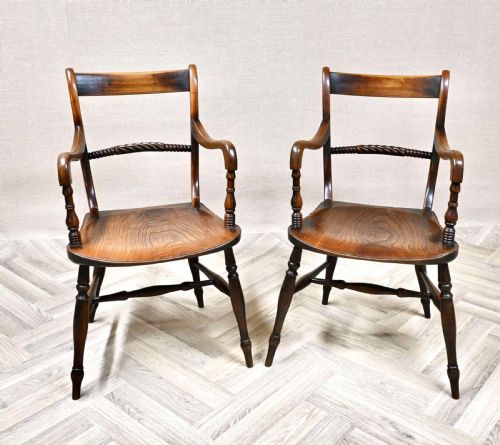
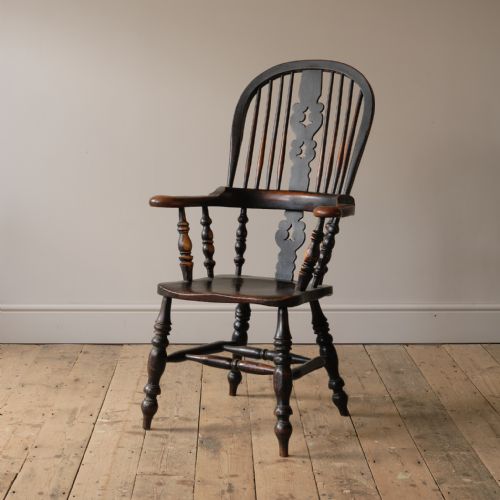
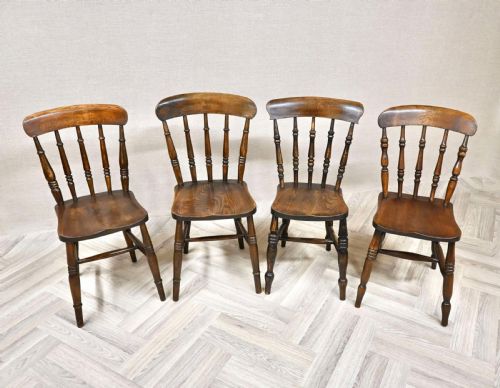
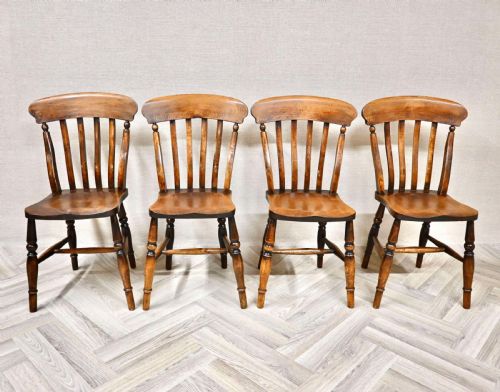
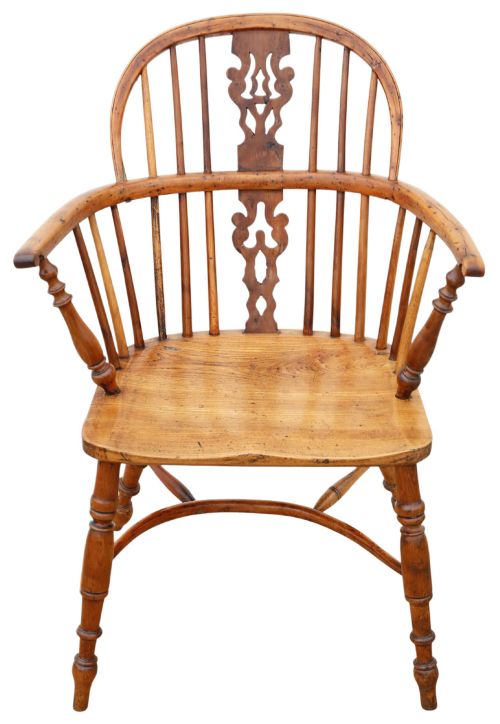
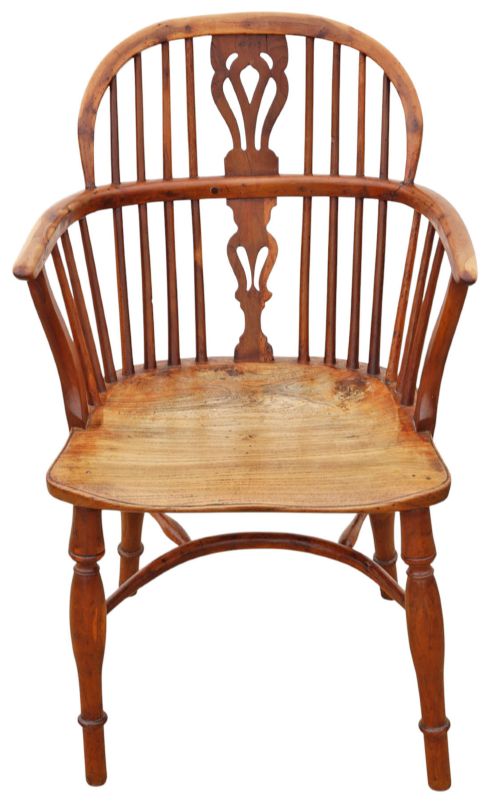
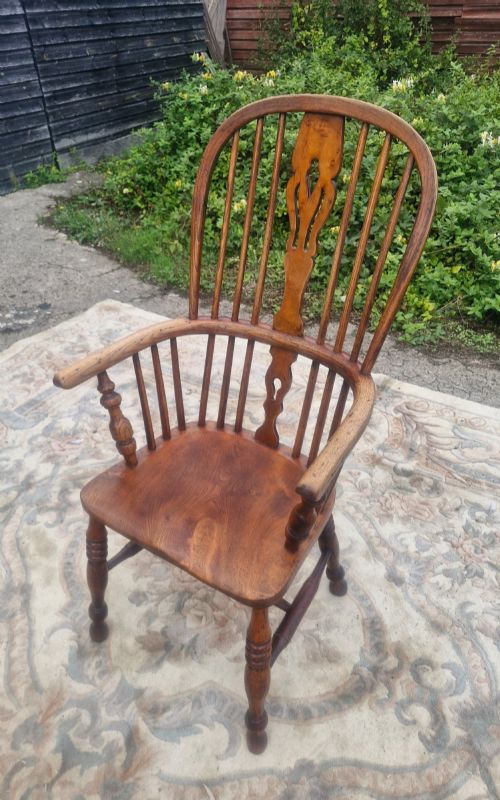
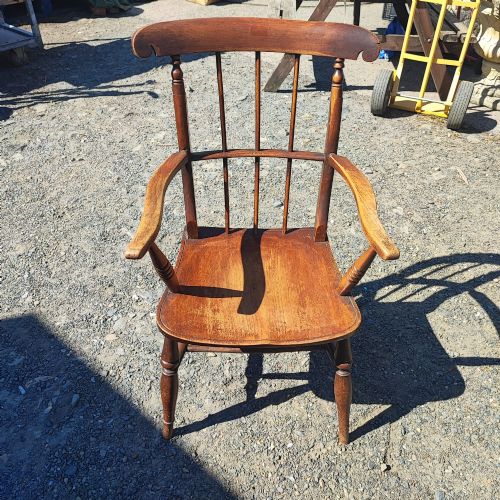
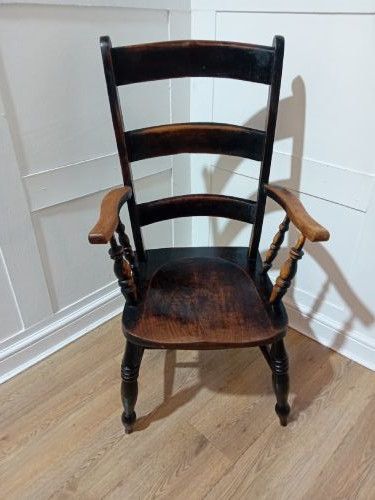
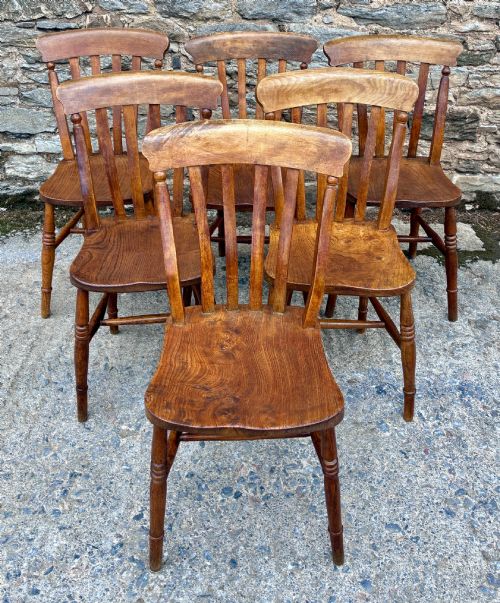
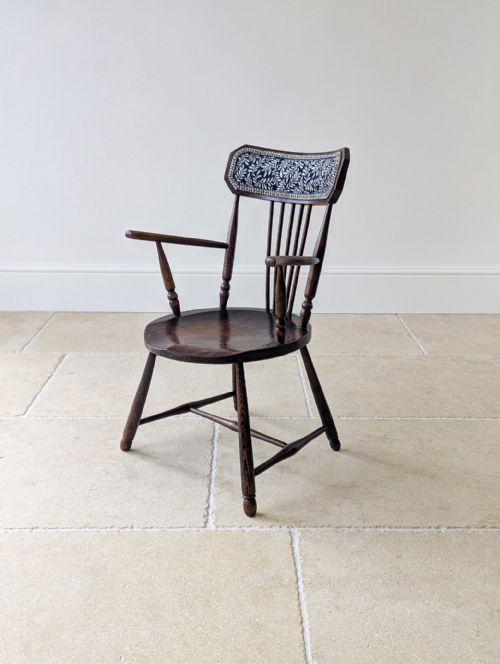
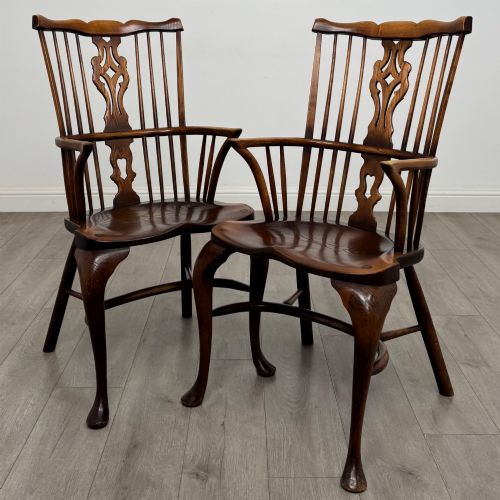
Traditional elm wood chairs encompass a wide variety of country seating forms, most frequently appearing as Windsor armchairs, farmhouse kitchen chairs, and low spindle-back dining sets. These pieces originate across the 18th century, the Victorian era, and the 19th century, bearing the practical hallmarks of English country and vernacular design.
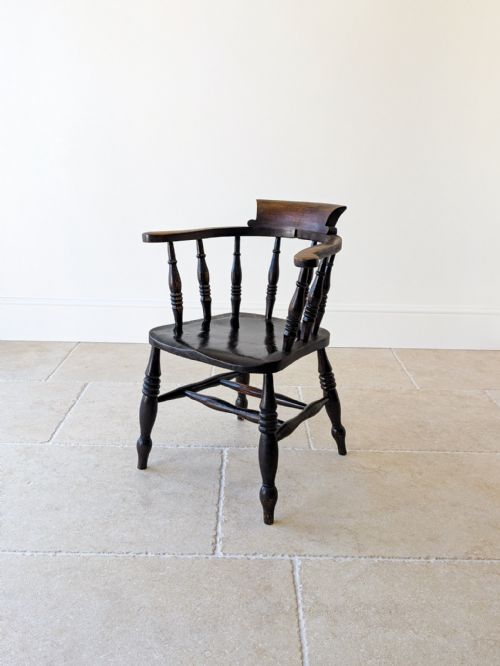
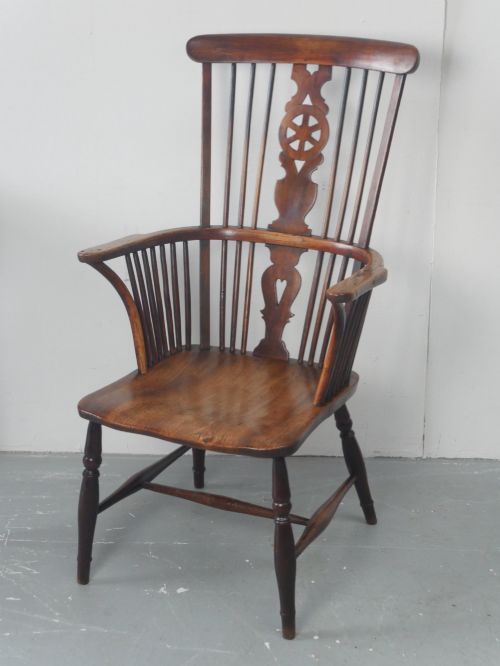
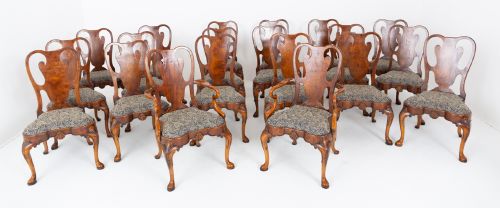
Buyers seeking these traditional elm wood chairs encounter forms designed for heavy domestic service, including captain's chairs, smokers' bows, and high-comb back armchairs. The selection also contains smaller children's chairs and larger dining sets fashioned from regional timbers.
How traditional elm wood chairs were made
Makers utilised elm for its interlocking, resistant grain, which prevented splitting when subjected to the stress of seating. This primary timber was typically combined with ash for flexible spindles or bent bows, and beech or yew for structural turnings.
Construction relied on solid plank seats into which legs and back-staves were wedged and tenoned directly. Artisans shaped the saddle seats using adzes and scorps to create ergonomic hollows, then finished the surfaces with traditional oils or waxes.
Several listings feature diminutive children's chairs scaled down entirely for domestic juniors.
What varies in quality
The degree of articulation in the turning of spindles and legs distinguishes standard kitchen seating from finer workshop productions. Sharply defined turnings and balanced proportions indicate greater care by the maker.
Timber selection and grain figure also separate examples, with richly grained yew-and-elm combinations or deeply figured elm seats commanding greater visual presence than plain utility pieces.
J Spencer
The Traditional Elm Wood Chairs Glossary
- Windsor chair
- A chair built with a solid wooden seat into which the legs and back-staves are independently inserted. This construction method provides high durability and structural independence.
- Comb back
- A Windsor chair variant where the central spindles extend upward into a horizontal headpiece resembling a hair comb. It provides solid upper back support.
- Wheelback
- A chair back featuring an ornamental pierced wooden disc shaped like a spoked wheel inserted into the splat. This decorative motif gained popularity during the 19th century.
- Vernacular
- Objects designed by local makers for everyday utility rather than following strict academic architectural rules. Such pieces rely on regional materials and traditional local methods.
- Saddle seat
- A thick wooden seat base scooped and carved into a concave shape to fit the human form. This shaping adds comfort to solid wood seating.
Traditional Elm Wood Chairs: Frequently Asked Questions
What is an elm Windsor chair?
An elm Windsor chair is a traditional seat built with a solid wooden plank base that holds the legs underneath and the back spindles above. Elm is chosen for the seat because its tangled grain resists cracking under daily pressure.
These chairs developed distinct regional variations across the countryside, ranging from low kitchen seating to tall comb-back armchairs meant for fireside use.
How do I identify a 19th century chair?
Nineteenth-century chairs show hand-turned spindles and components shaped with drawknives and lathes before factory mass production fully took over. Tool marks and slight irregularities in the wood indicate individual workshop construction.
Matching sets from this era often display subtle variations in turning details because each spindle was worked by hand rather than stamped out identically.
Are these chairs comfortable for daily use?
Solid wood country chairs provide robust support through their deeply carved saddle seats, which distribute weight naturally. Adding a loose cushion makes them suitable for long periods at a desk or dining table.
Their rigid wooden construction lacks padding, but the ergonomic shaping of the seats and backs offers solid posture support.
What woods are mixed with elm?
Maker traditions combined elm seats with ash for flexible bentwood bows and spindles, and beech for sturdy turned legs. Yew wood also appears frequently in finer country armchairs, providing rich contrasting grain patterns.
Using different timbers for specific parts allowed makers to utilise the physical properties of each wood where it was needed most.