







Early Georgian Oak Chest
An early georgian oak chest brings solid timber grain and centuries of domestic utility straight into a modern hallway or bedroom.
Early Georgian Oak Chest
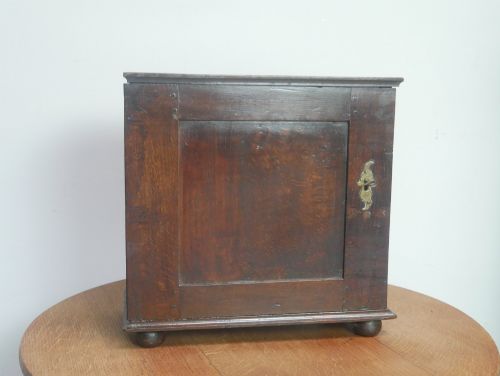
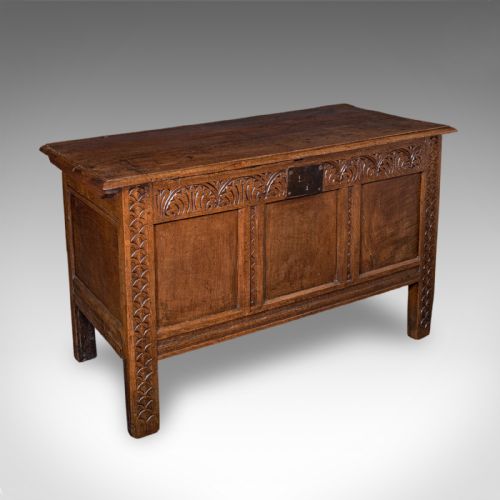
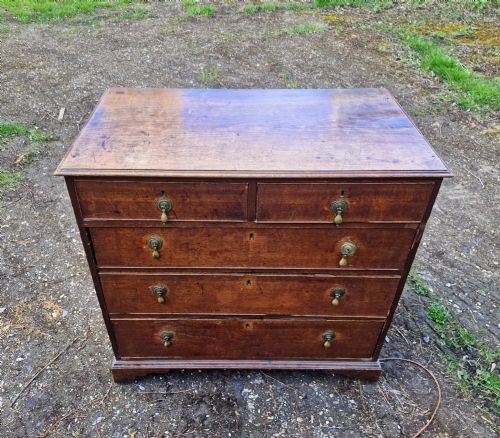
When searching for an early georgian oak chest, buyers encounter utilitarian storage forms spanning coffers, mule chests, chests on stands, and drawer units from the eighteenth century. These pieces originate from periods such as the seventeenth and eighteenth centuries, reflecting vernacular English country workshops and formal George I styling.
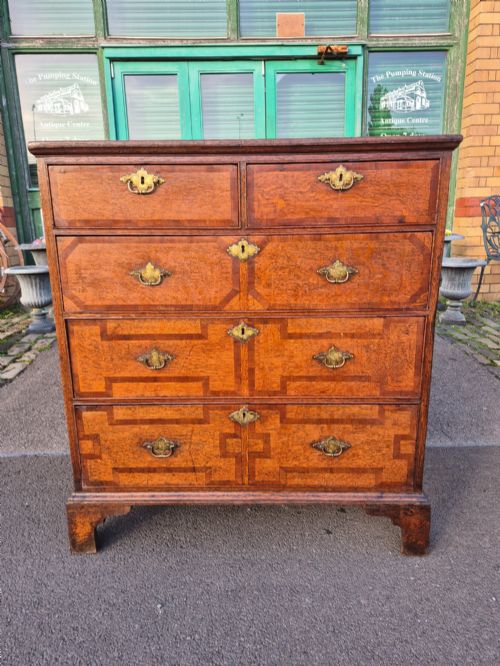
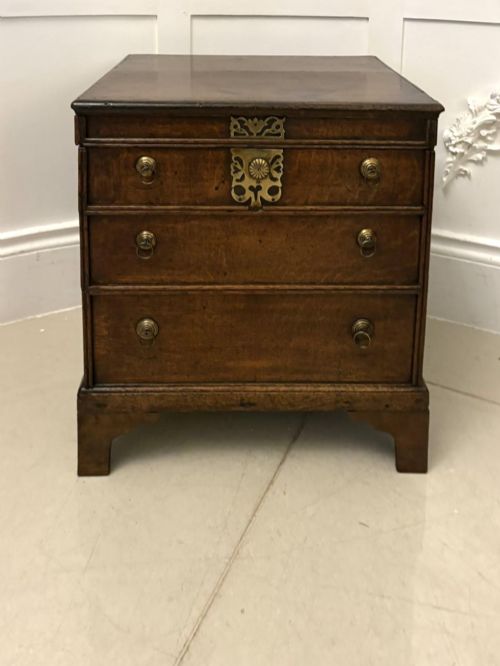
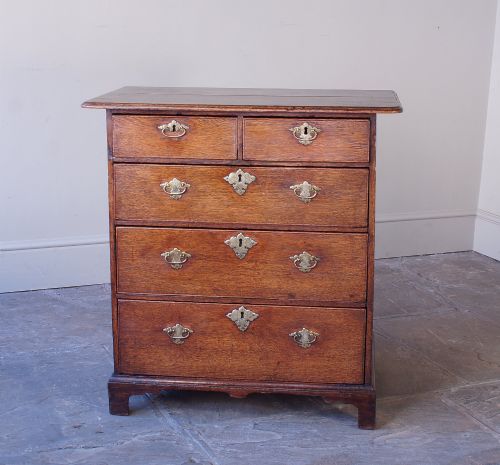
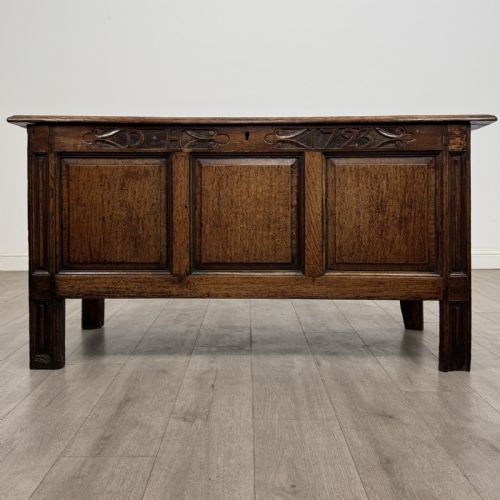
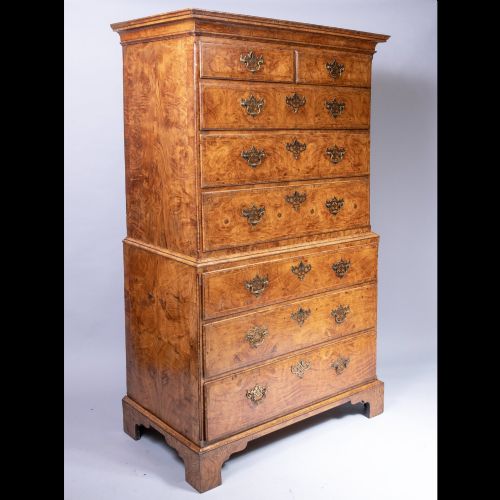
The most frequent items on this page are chests of drawers, coffers, and storage chests built from robust native timber. Examples range from simple panelled storage boxes to elevated chests on stands and tallboys incorporating walnut, elm, and fruitwood inlay.
Materials and construction methods
Cabinet makers utilised solid oak as the primary timber, often framing panels with pegged joints to allow for natural wood movement. Secondary materials like elm, burr elm, and walnut appear in veneers and drawer fronts, while fruitwood inlay adds contrast to surfaces.
Hardware consists of forged iron hinges and brass drop handles or escutcheons secured to timber frames. Some pieces retain original painted finishes or surface treatments applied directly to the bare wood.
Early Georgian Oak Chest Retail Price Guide 2026
Typical asking prices for early georgian oak chest among the pieces listed under this phrase on Sellingantiques today, from the lower quarter to the upper quarter. They describe what is for sale here now, not the wider market.
Current listings feature seventeenth and eighteenth century dates alongside regional variations including Welsh low press cupboards and coaching trunks.
Assessing quality in early pieces
The degree of hand-craftsmanship in the timber joints and raised panelling sets superior examples apart from standard utilitarian boxes. Original brass hardware, untrimmed feet, and uncompromised structural timber define the upper tier of surviving pieces.
Surface patination develops naturally over centuries through handling and wax polishing, distinguishing pieces with continuous history from heavily restored or later altered examples.
The Early Georgian Oak Chest Glossary
- Coffer
- A large wooden chest traditionally used for storing valuables, linen, or documents. These heavy storage boxes often feature hinged lids and front panel construction.
- Chest on stand
- A cabinet or set of drawers elevated upon a separate table frame with legs. This form lifts storage off damp floors and provides slender proportions.
- Mule chest
- A storage chest fitted with one or more drawers at the base beneath the main compartment. It bridges the design gap between a standard coffer and a full chest of drawers.
- Raised panel
- A wooden panel with bevelled edges fitted into a grooved frame. This technique allows the timber to expand and contract without splitting.
- Tallboy
- A tall chest of drawers made by stacking one cabinet on top of another. The format maximises vertical storage capacity while occupying a compact floor footprint.
Early Georgian Oak Chest: Frequently Asked Questions
What is an early georgian oak chest used for?
These pieces function primarily as practical storage furniture for blankets, linens, and household goods. Their sturdy construction also allows them to serve surface purposes in living spaces.
Historically, households relied on them as secure repositories for valuable documents, clothing, and domestic provisions.
How do I care for antique oak furniture?
Maintain stable indoor humidity levels and keep wooden surfaces away from direct heat sources and strong sunlight. Regular application of traditional beeswax helps nourish the timber.
Avoid modern liquid polishes containing silicone, which can penetrate porous grain and damage the historic surface patina.
How can I tell a genuine eighteenth century piece?
Examine the construction joints for hand-cut pegging, irregular dovetails, and tool marks left by period hand planes. Timber shrinkage patterns and natural surface wear should align with age.
Hardware placement, timber species selection, and interior construction methods provide further indicators of period origin.
What is the difference between a coffer and a chest?
A coffer traditionally describes a heavy storage box with a hinged lid accessed from the top. A chest of drawers incorporates vertically stacked sliding compartments accessed from the front.
Some transitional forms, such as mule chests, combine both top-opening compartments and lower drawer storage.