

Early Georgian Mirrors
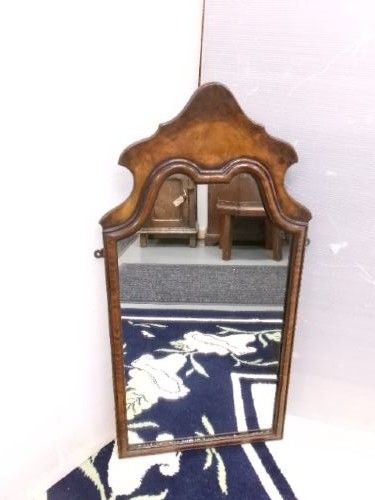
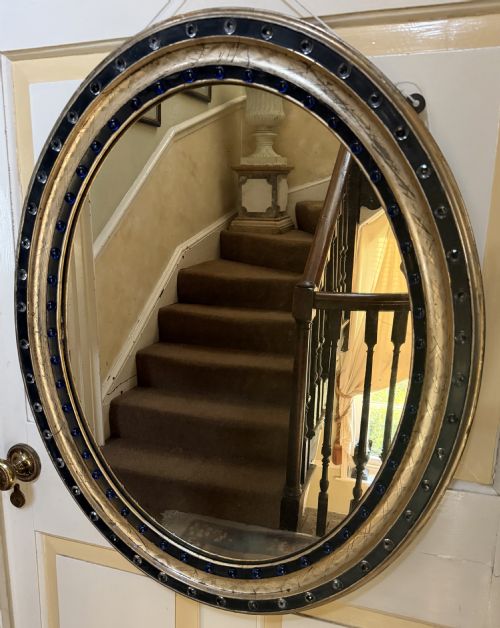
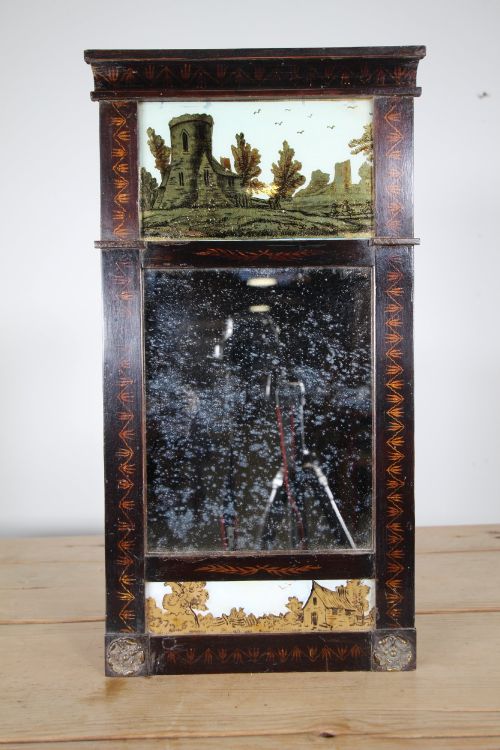
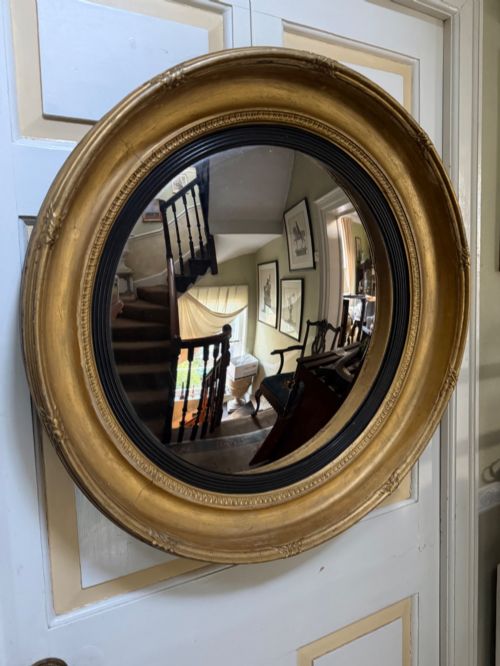
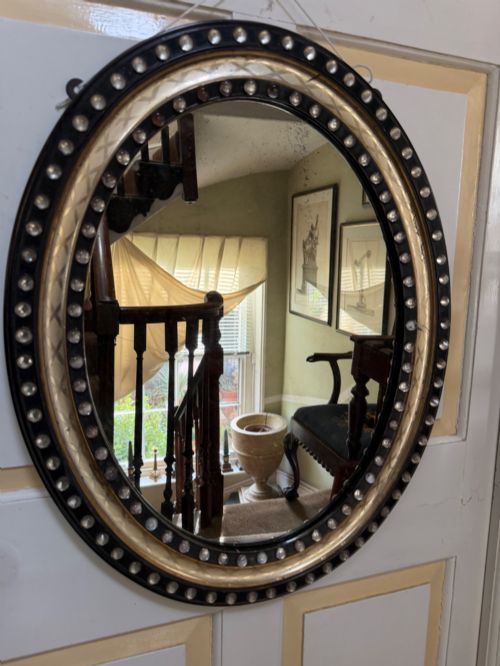
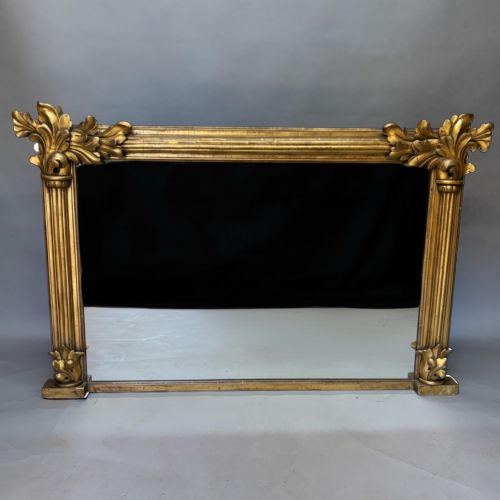
Early georgian mirrors bring distinct eighteenth-century craftsmanship into a room, combining figured walnut veneers, carved giltwood, and original glass plates.
Early Georgian Mirrors
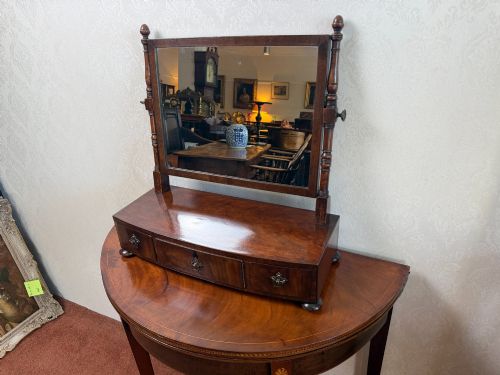
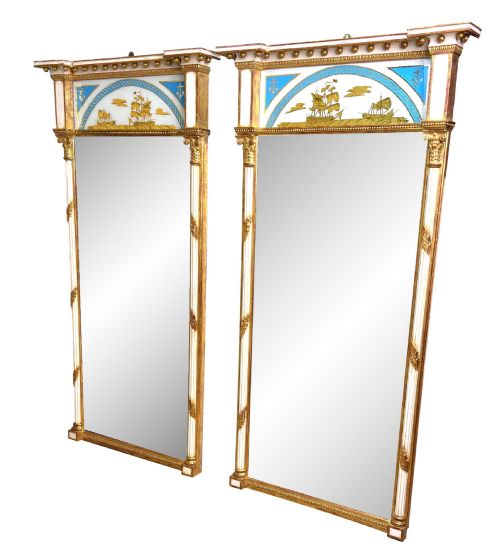
When searching for early georgian mirrors, collectors encounter wall-hanging plates, pier glasses designed for spaces between windows, and table dressing mirrors. The pieces span the reigns of George I and George II, alongside later revivals taking inspiration from the same period.
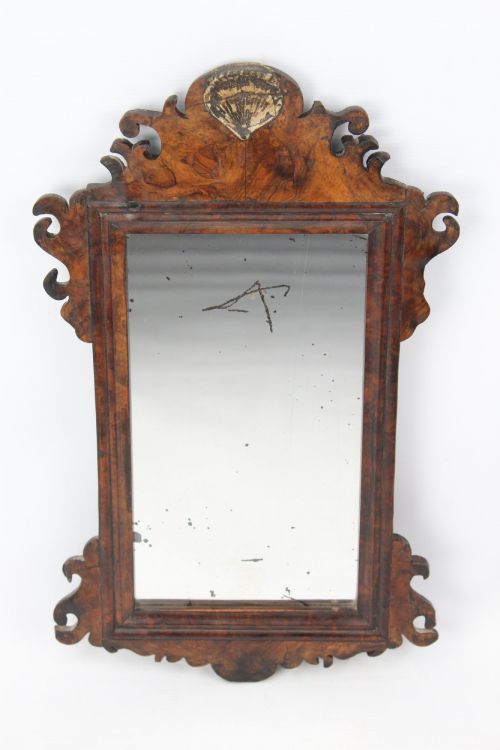
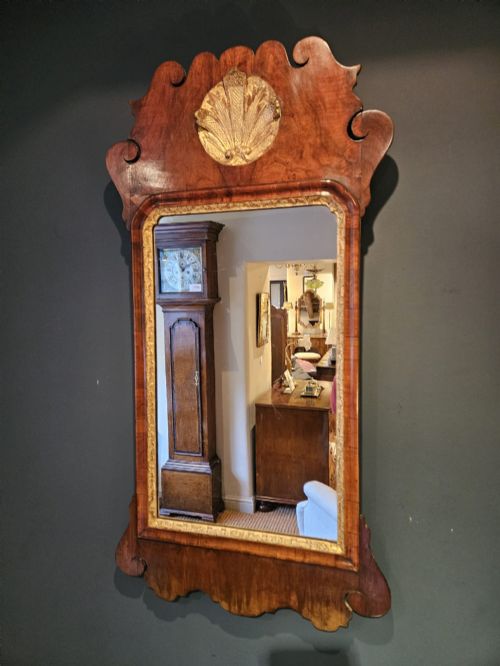
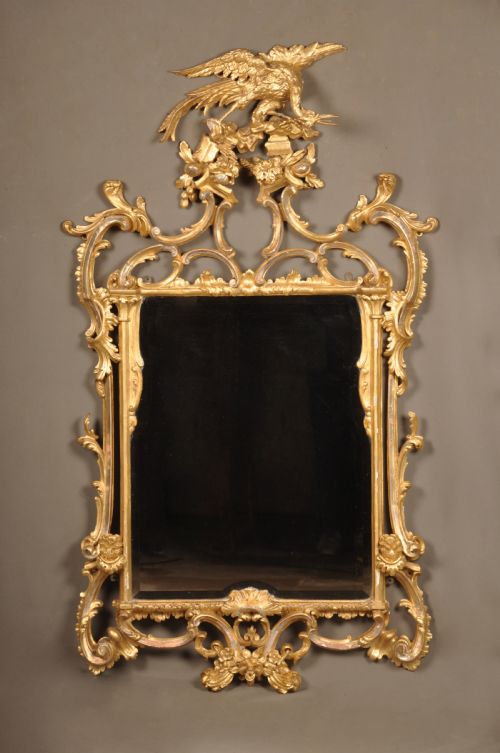
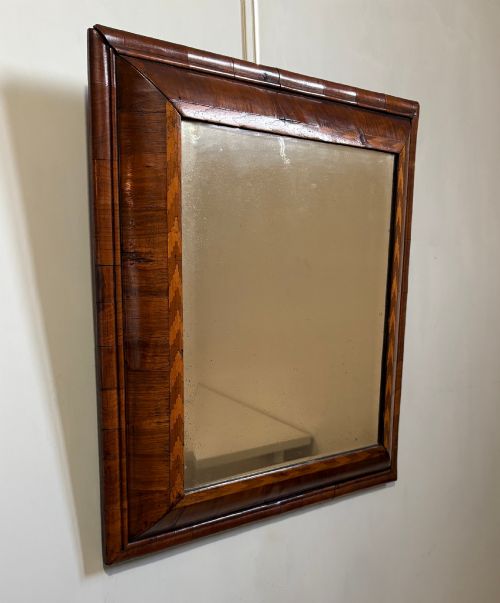
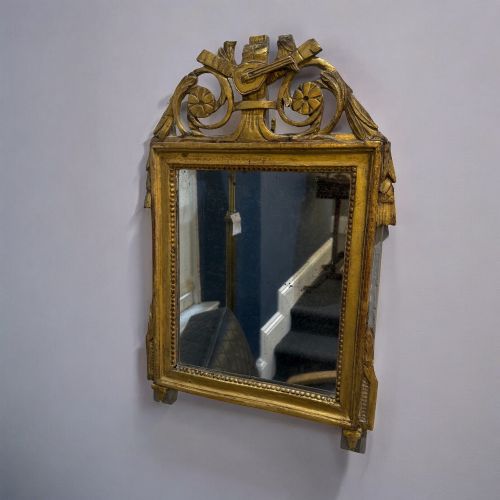
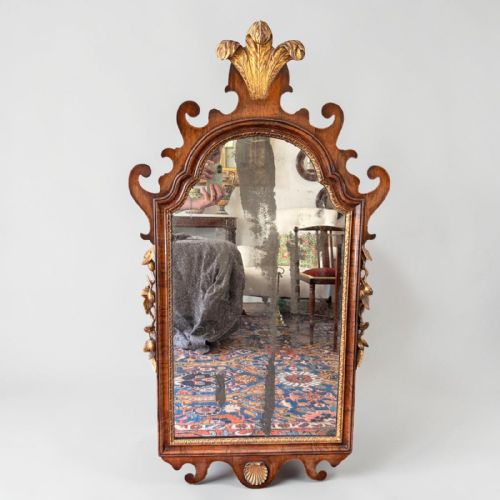
The walnut examples often display fretwork crests, burr veneers, and gilded shell motifs upon the pediment. Other forms utilise carved giltwood frames influenced by the growing taste for rococo ornamentation during the mid-eighteenth century.
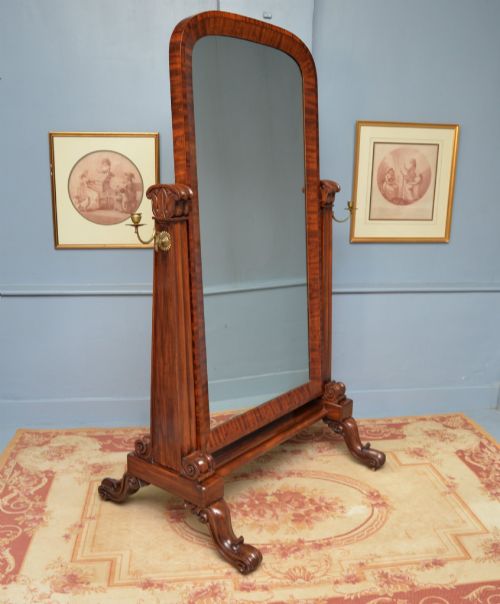
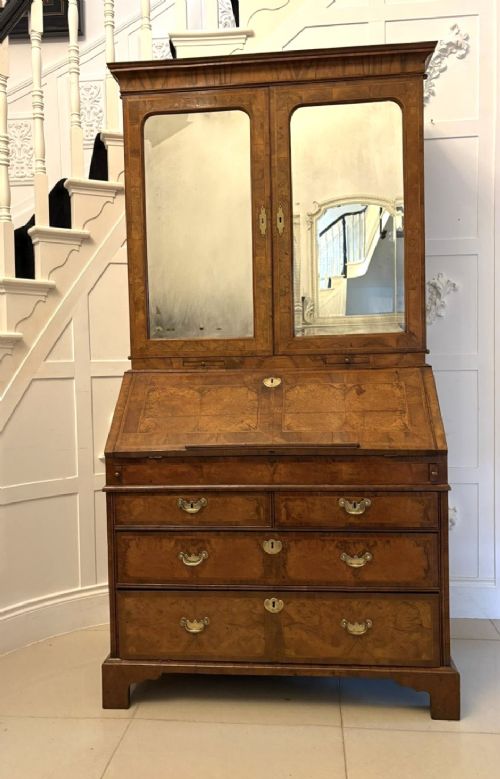
Beyond standard wall mirrors, the selection includes bureau bookcases incorporating mirrored doors and cheval mirrors designed for standing use. These domestic objects reflect the refined interior aesthetics of the Georgian era.
How they were made
Makers constructed the primary frames using solid timber foundations of walnut, mahogany, or softwoods intended for heavy gilding. Cabinetmakers applied figured walnut veneers in carefully arranged patterns, occasionally incorporating parcel-gilt details to highlight carved enrichments.
Giltwood pieces relied upon layers of gesso applied over carved wood bases before receiving thin applications of gold leaf. Mirrors of this era frequently house original mercury plates, identifiable by their slight surface irregularities and depth of reflection.
Early Georgian Mirrors Retail Price Guide 2026
Typical asking prices for early georgian mirrors among the pieces listed under this phrase on Sellingantiques today, from the lower quarter to the upper quarter. They describe what is for sale here now, not the wider market.
What varies in quality
The refinement of the carving dictates the distinction between standard production and exceptional examples, particularly on giltwood scrollwork and walnut fret-cut pediments. Pierced details display crisp edges and deliberate depth on better workshops' output.
Survival of original materials heavily influences standing within the market, specifically original mercury mirror glass plates and untouched surface finishes. Frames retaining their initial gilding or unblemished veneer grain command greater appreciation than those subject to extensive restoration.
John Belchier·Gillingtons of Dublin
The Early Georgian Mirrors Glossary
- Gesso
- A plaster-based material applied to wooden frames as a smooth base for subsequent gilding. This mixture allowed artisans to carve intricate relief decoration before applying gold leaf.
- Pier glass
- A tall mirror specifically constructed to hang on the narrow wall space between two windows. These pieces frequently stood above console tables.
- Mercury plate
- A mirror glass manufactured using a tin and mercury amalgam backing before twentieth-century silvering methods replaced the technique. It produces a characteristic deep, warm reflection.
- Fretwork
- Thin wood panels cut into decorative geometric or openwork patterns using a fretsaw. This technique defined the crests of many mid-eighteenth-century walnut wall mirrors.
Early Georgian Mirrors: Frequently Asked Questions
What defines an early georgian mirror?
These pieces date primarily from the reigns of George I and George II, characterised by walnut veneers, fretwork frames, and architectural pediments.
Craftsmen also utilised carved giltwood as rococo influences gained popularity during the middle of the eighteenth century.
Are original mirror plates common?
Many surviving pieces retain their original mercury glass plates, which display subtle surface variations and softer reflections than modern replacements.
Checking the backboards and frame construction helps confirm the historical relationship between the glass and the frame.
Where were pier mirrors hung?
Pier mirrors were specifically designed for the narrow wall space situated between two windows in formal rooms. They frequently partnered with matching console tables placed underneath.
Their vertical proportions maximised available light by reflecting it back into the interior space.
How do walnut and giltwood differ?
Walnut frames rely on figured wood grains, parcel-gilt highlights, and fret-cut silhouettes typical of earlier eighteenth-century interior taste. Giltwood versions utilise carved wooden foundations coated in gesso and gold leaf to achieve ornate sculptural forms.