





Early Georgian Candlesticks
These early georgian candlesticks bring genuine period weight to a table, combining simple domestic utility with solid metal casting that lasts centuries.
Early Georgian Candlesticks
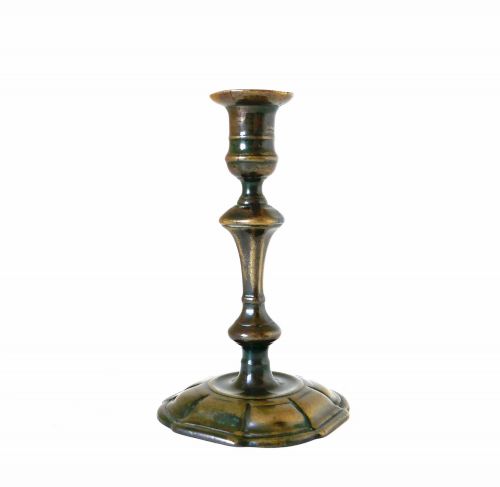
When you search for early georgian candlesticks, you encounter sturdy brass lighting pieces dating predominantly from the eighteenth century, including the reigns of George II. The most common examples on this page are heavy cast brass pairs featuring octagonal bases, scalloped edges, or seamed bell metal construction.
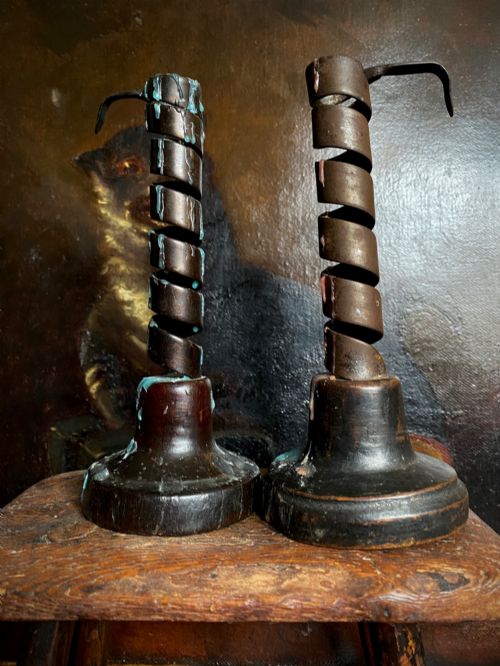
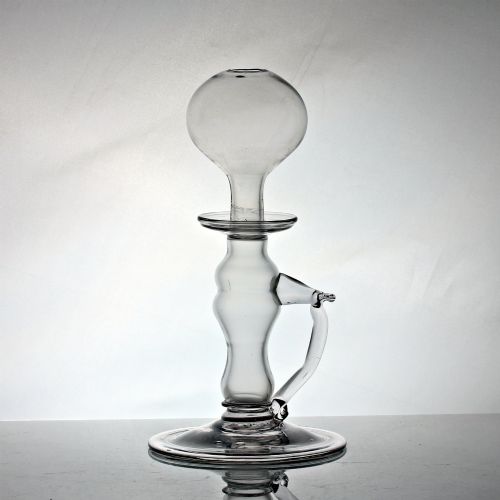
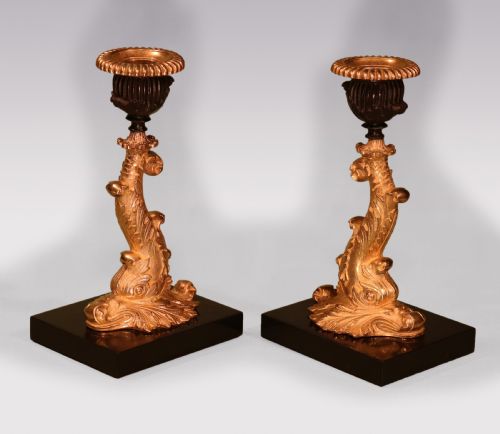
Beyond standard table examples, the selection occasionally reaches into earlier wrought iron rushlights or stretches forward into Regency bronze, ormolu, and silver plated chamber sticks. Most pieces reflect domestic interiors of the seventeen-forties, maintaining original patination and clear socket forms designed for taper candles.
What varies in quality
The distinction between ordinary and superior specimens rests on the crispness of the casting and the retention of original surface skin. Pieces retaining their factory-turned tool marks and deep, untouched patination stand well apart from those stripped by aggressive cleaning.
Proportion and weight also dictate worth, as heavy cast brass or bell metal examples demonstrate superior substance compared to lighter alternatives. Completeness of matching pairs and retention of ejector mechanisms further elevate specific examples.
Early Georgian Candlesticks Retail Price Guide 2026
Typical asking prices for early georgian candlesticks among the pieces listed under this phrase on Sellingantiques today, from the lower quarter to the upper quarter. They describe what is for sale here now, not the wider market.
Several examples feature tiny side levers designed solely to eject stubborn wax stubs without burning fingers.
James Dixon & Sons·Minton
The Early Georgian Candlesticks Glossary
- Bell metal
- An alloy of copper and tin traditionally used for church bells, which produced a resonant, hard material suited for crisp casting in domestic lighting.
- Chamberstick
- A low candlestick fitted with a saucer base and a handle, designed for carrying bedroom lighting safely down corridors.
- Rushlight
- An early lighting holder utilising a spring tension arm of wrought iron to grip dried rushes dipped in animal fat.
- Ormolu
- Finely ground high-carat gold dust suspended in a mercury amalgam, applied to bronze mounts to create a rich golden decorative surface.
Early Georgian Candlesticks: Frequently Asked Questions
How do I clean antique brass candlesticks?
Maintenance requires only a soft dry cloth to remove dust and preserve the historic surface skin. Modern metal polishes strip away aged patination and should be avoided entirely.
Keeping them away from direct moisture protects the underlying metal structure. Gentle care ensures the original finish remains intact for decades.
Were these used for dining tables?
These items served principally to illuminate rooms before gas lighting and electricity became widespread in homes. They sat on mantelpieces, side tables, and dining surfaces to provide portable illumination.
Households moved them from room to room as daylight faded. Chamber sticks specifically accompanied residents up the stairs at bedtime.
How can I tell eighteenth century brass from later copies?
Early pieces display casting irregularities, seamed construction lines, and hand-finished lathe marks on the interior surfaces. Modern reproductions often exhibit uniform machine thickness and lack genuine surface patination.
Handling multiple examples reveals the distinct heft and material density of period brass. Examination under magnification helps identify authentic tool work.
Do these pieces hold standard candle sizes?
Sockets on eighteenth century examples typically accommodate smaller taper candles rather than modern household widths. Owners often utilise thin beeswax tapers or gently pare the base of standard candles to fit.
Some specimens include side ejector mechanisms designed to push out remaining wax stubs. This functional detail reflects the practical domestic demands of the period.