

Early English Table
An early english table anchors a room with centuries of timber grain, honest construction and daily utility.
Early English Table
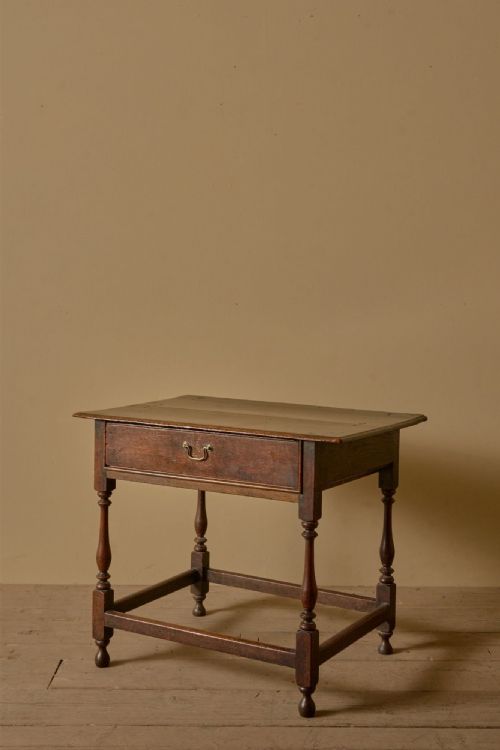
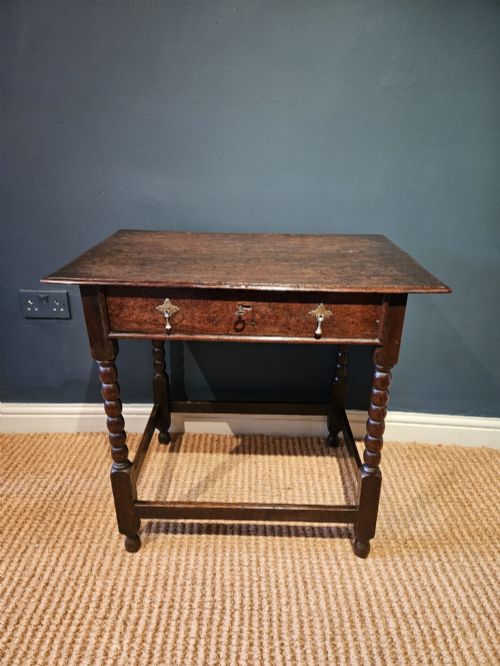
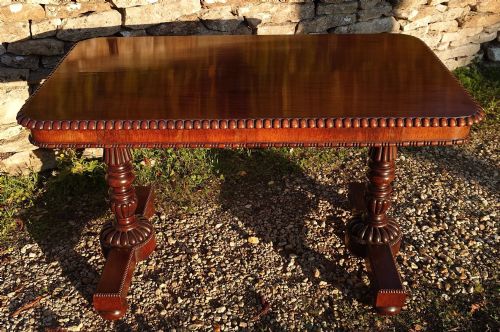
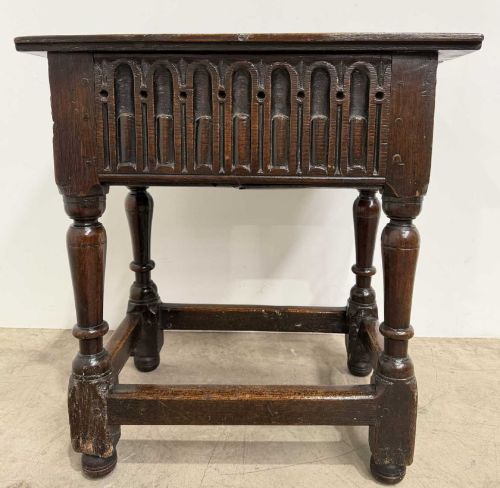
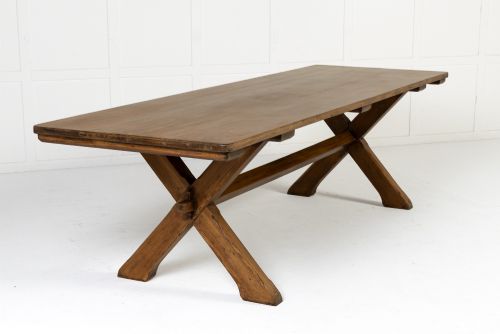
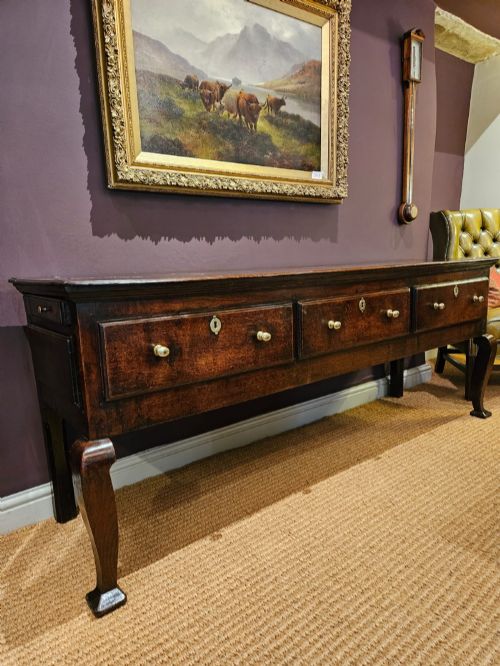
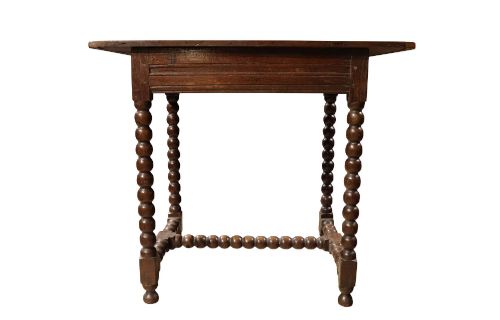
When searching for an early english table, buyers encounter forms ranging from heavy seventeenth-century oak refectory and joint construction to lighter eighteenth-century mahogany, walnut and elm dining, tea and side tables.
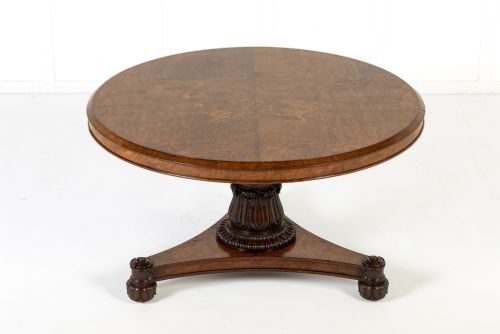
The material palette shifts across centuries from local timbers like oak, pine and elm to imported hardwoods such as mahogany and burr oak during the Georgian and Regency periods.
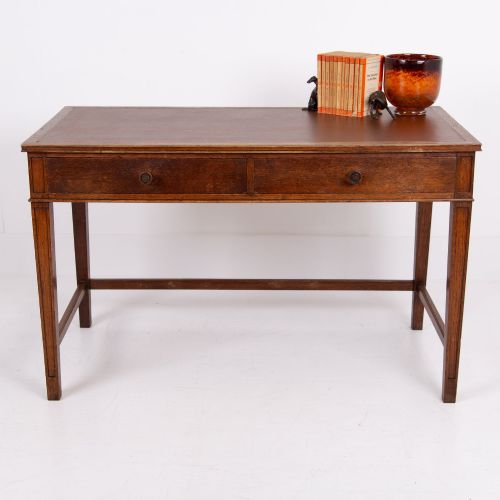
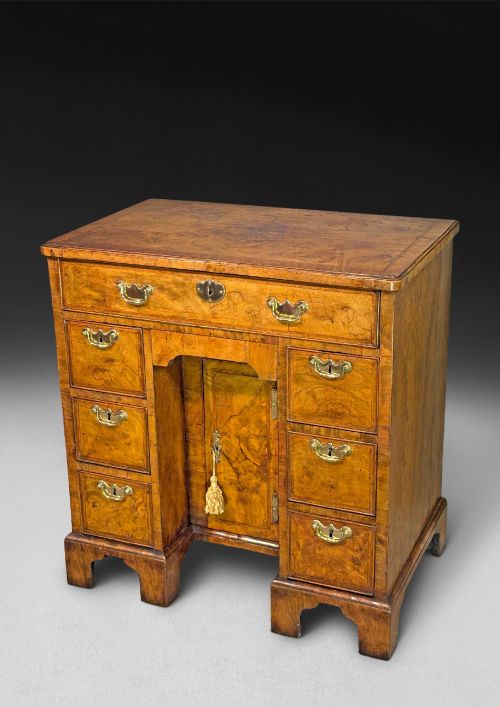
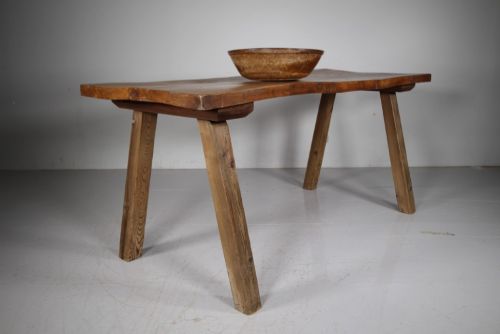
Domestic routines dictate the surviving forms, which include tavern tables, drop-leaf gateleg designs, writing desks and lowboys intended for correspondence or serving.
Materials and construction
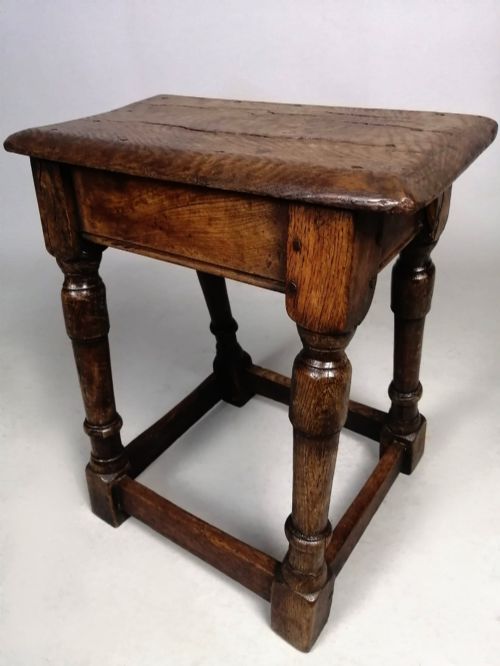
Joiners relied on solid native oak, elm and pine braced by pegged mortise and tenon joints in seventeenth and early eighteenth-century pieces, creating rigid frames built to endure.
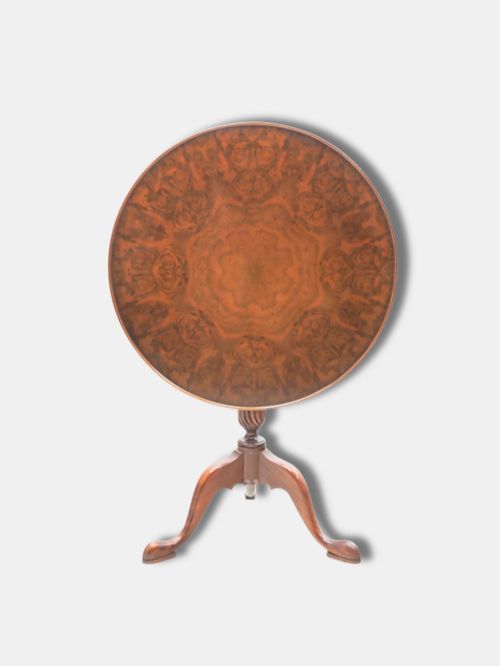
As cabinetmaking advanced into the Georgian and Regency eras, craftsmen utilised figured walnut and mahogany veneers, incorporating turnings, brass hinges and leather inserts into writing and dining surfaces.
Early English Table Retail Price Guide 2026
Typical asking prices for early english table among the pieces listed under this phrase on Sellingantiques today, from the lower quarter to the upper quarter. They describe what is for sale here now, not the wider market.
The listings span oak, pine, mahogany, walnut and elm across the seventeenth, eighteenth, nineteenth and early twentieth centuries.
Judging quality and proportion
Superior examples display timber selection with matched grain patterns and natural fading that reveals the figure of the wood rather than applied dark stains.
Structural integrity depends on original framing timbers, minimal timber replacement in secondary woods, and hardware that corresponds to the period of manufacture.
Andrew Archer·WAS Benson·Gillows Lancaster·Heals of London
The Early English Table Glossary
- Refectory table
- A long dining board raised on sturdy trestles or four-legged frames joined by stretchers. These large timbers typically originate in seventeenth-century oak traditions.
- Gateleg table
- A drop-leaf table with hinged flaps supported by swing legs that pull out like a gate. This mechanism allows the surface area to expand or contract.
- Lowboy
- A small table with one or more drawers, standing on four legs, used in the eighteenth century as a dressing table or writing desk.
- Joint stool
- A low wooden stool constructed with pegged mortise and tenon joinery rather than turned legs. They served diverse seating and small side table duties in early interiors.
- Kneehole desk
- A writing desk featuring a recessed central cupboard flanked by pedestals of small drawers. Walnut and mahogany versions appeared frequently during the Georgian period.
Early English Table: Frequently Asked Questions
How do I date an oak table?
Examine the timber colour, tool marks and construction methods visible beneath the top. Pegged joints and heavy boards indicate seventeenth or early eighteenth-century origins.
Later adaptations often feature machine-cut elements or secondary woods that differ from the primary oak surface.
Where were drop leaf tables used?
Drop leaf tables provided versatile surfaces in smaller parlours and dining rooms where floor space shifted between meals and entertaining.
Folding the leaves allowed them to sit against walls until needed for dining or writing.
What is burr oak?
Burr oak refers to timber taken from abnormal tree growths containing swirling, knotted grain patterns. Cabinetmakers sliced these sections into decorative veneers for table tops and fronts.
This figured wood created striking visual movement across Georgian and Regency furniture surfaces.
How do I care for antique timber?
Protect antique wood surfaces from direct sunlight and extreme humidity fluctuations that cause timber to shrink or split. Apply natural wax sparingly to maintain the dry finish and patina.
Avoid silicone polishes that build up sticky residues over the historic surface finish.