

Early Century Watercolour
An early century watercolour brings domestic interiors and landscapes to life through delicate pigment on paper.
Early Century Watercolour
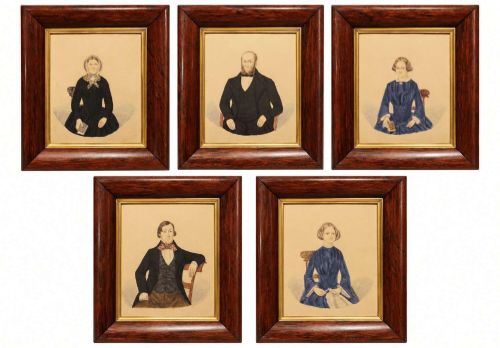
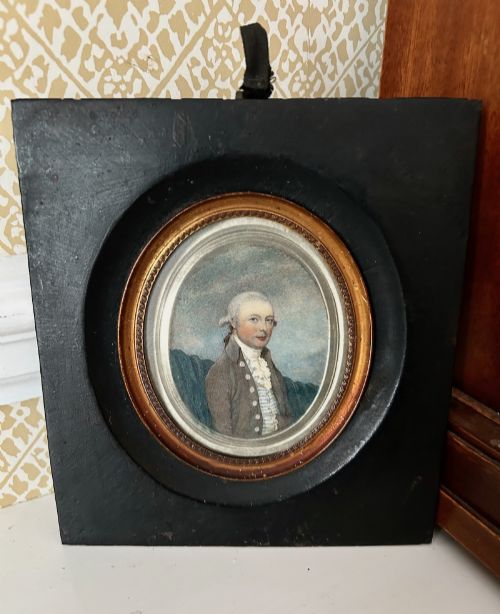
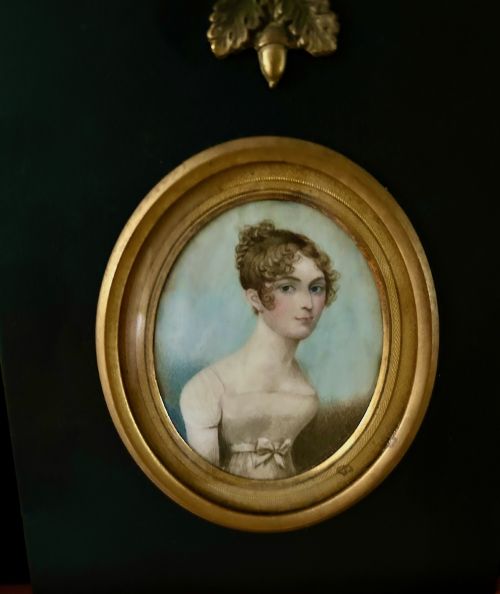
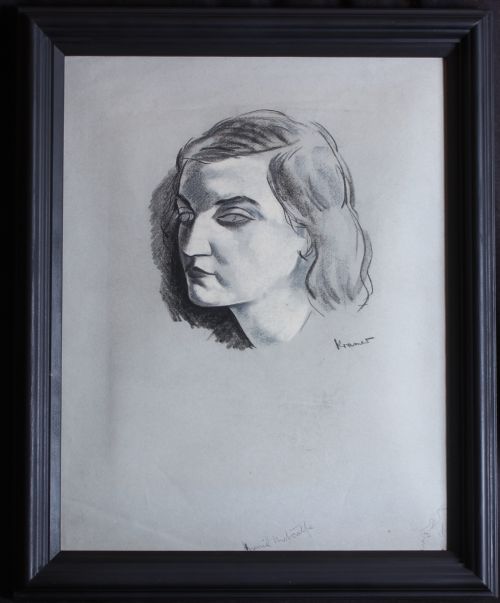
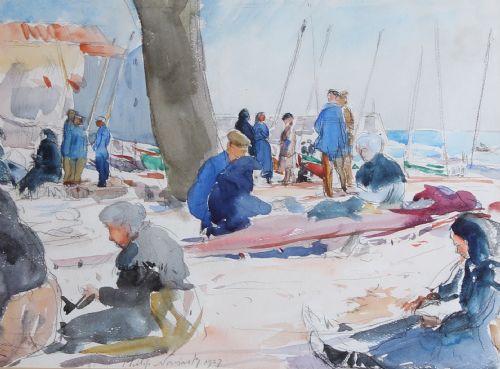
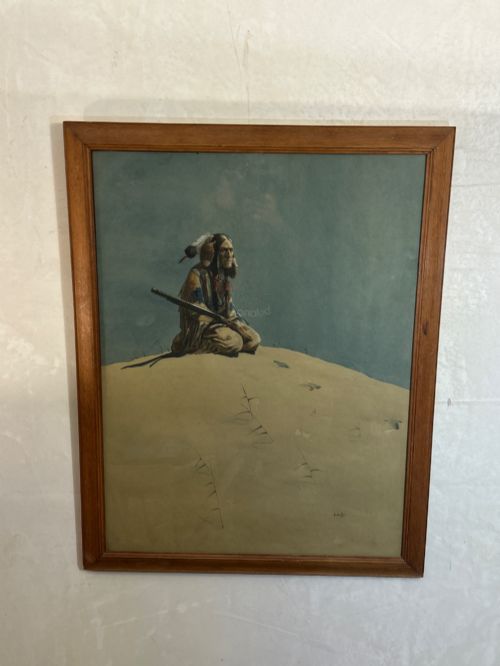
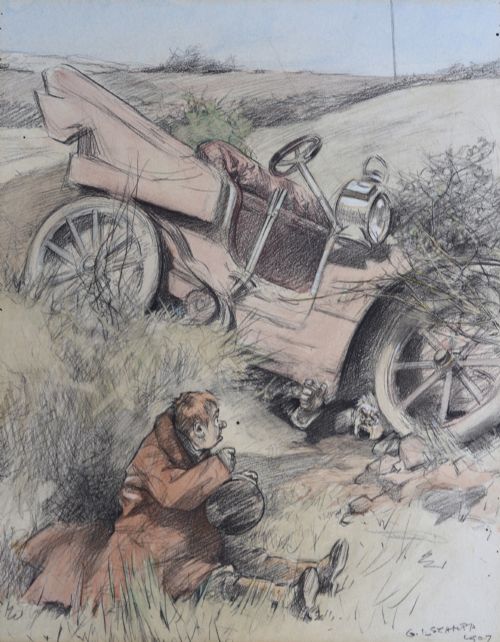
An early century watercolour comprises paintings, portrait miniatures, and framed artworks executed on paper. The selection spans the Georgian, Regency, Victorian, and Edwardian periods up to the early twentieth century.
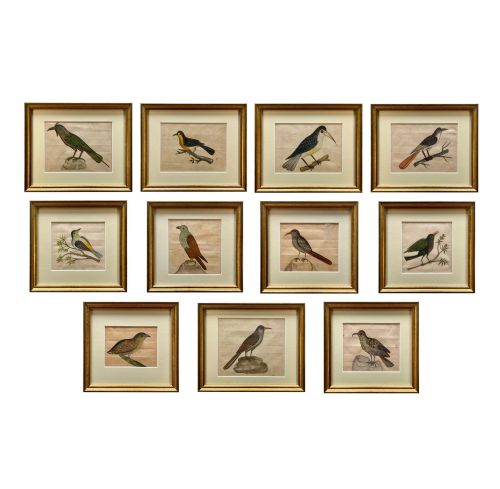
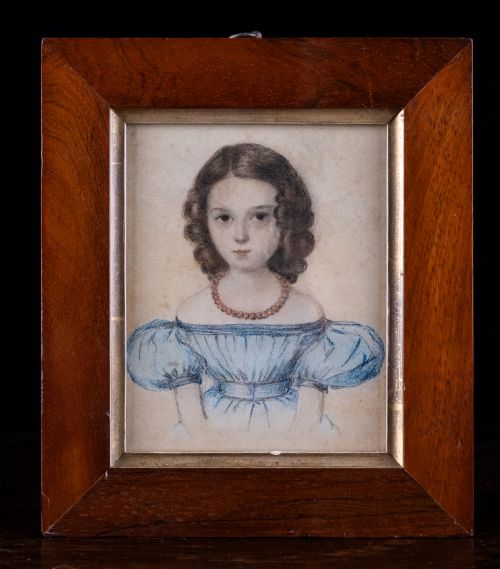
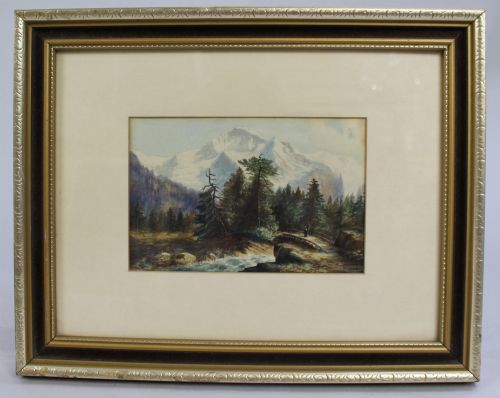
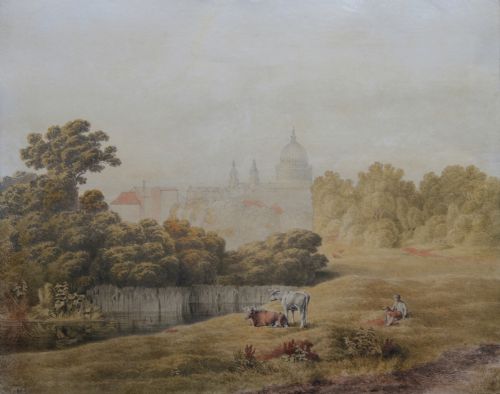
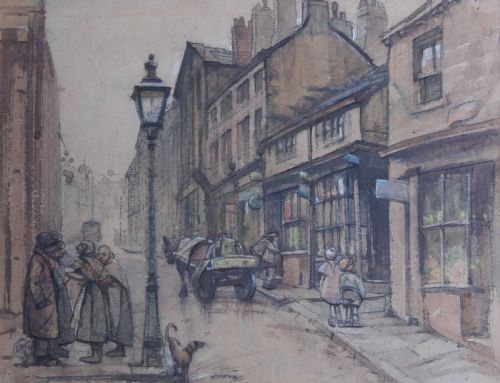
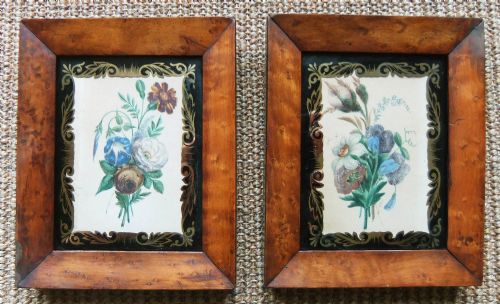
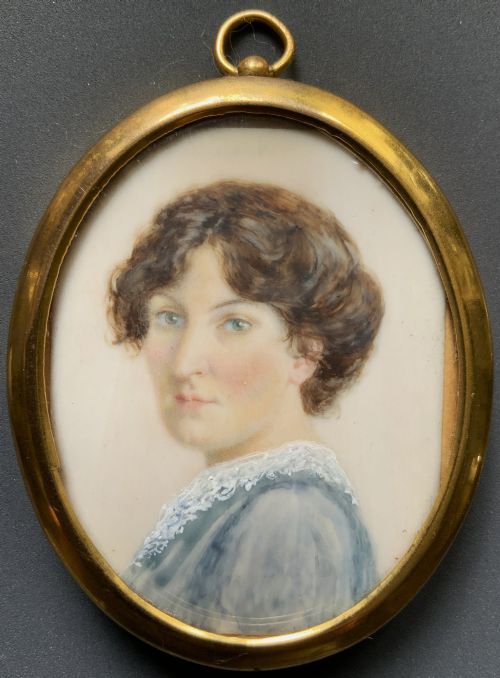
Buyers encounter landscape views, coastal marines, townscapes, and intimate portrait miniatures. Botanical studies and narrative scenes also appear frequently across the collection.
How they were made
Artists applied water-soluble pigments onto paper, sometimes combining watercolour with ink, gouache, or cut paper silhouettes. Works are mounted behind glass within wooden frames, occasionally utilising ebonised wood or gilt wood moulding.
Support materials range from standard artist paper to specialised sheets prepared for miniature portraiture, where pigment is applied with fine brushes to achieve detailed likenesses.
Early Century Watercolour Retail Price Guide 2026
Typical asking prices for early century watercolour among the pieces listed under this phrase on Sellingantiques today, from the lower quarter to the upper quarter. They describe what is for sale here now, not the wider market.
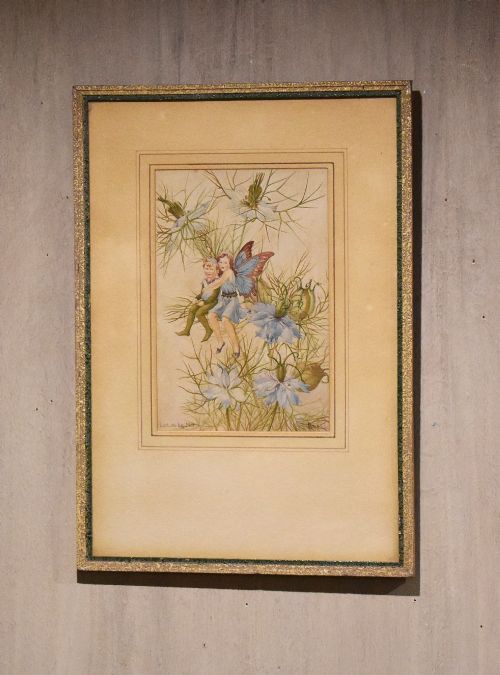
Amidst the grand landscapes and formal portraits hide playful depictions of flower fairies and games of battledore and shuttlecock.
What varies in quality
Quality rests upon the artist's draftsmanship, brushwork control, and the preservation of pigment vibrancy against fading. Skilled works capture light and atmosphere with precision, whereas weaker examples lack depth in composition.
The choice of framing and mounting contributes to the overall integrity of the piece, with period frames providing appropriate context for the artwork.
Frederick Buck·William James Hubard·John Hassall·Warwick Goble
The Early Century Watercolour Glossary
- Watercolour
- A painting method where the paints are made of pigments suspended in a water-based solution. This technique allows for transparent washes of colour that let the texture of the paper show through.
- Portrait Miniature
- A small, highly detailed painting depicting a person. These works often measure only a few inches across and required exceptional miniature painting skill.
- Gouache
- An opaque water-based paint method often combined with watercolour. It provides solid blocks of colour and allows for highlights that stand out against transparent washes.
- Ebonised Wood
- Timber treated to resemble ebony wood through a staining or finishing process. It creates a dark, uniform border commonly found on nineteenth-century frames.
Early Century Watercolour: Frequently Asked Questions
How should I hang early watercolours?
Watercolours are sensitive to bright light and direct sunshine. Position them away from windows to prevent the pigments from fading over time.
Ensure rooms maintain stable humidity levels to protect the paper support and the wooden frame from warping.
What subjects do these paintings show?
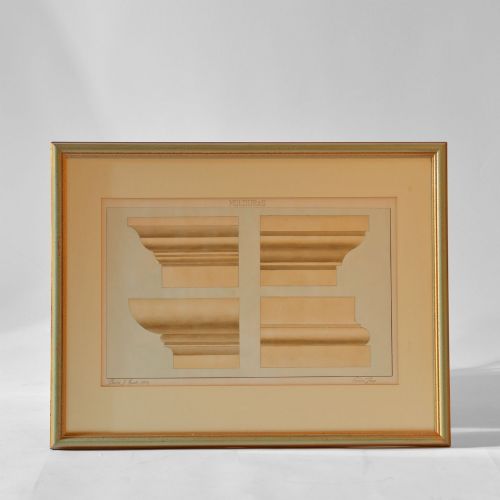
The works depict diverse subjects ranging from sweeping coastal marines and pastoral landscapes to detailed architectural drawings. Portrait miniatures capture individual sitters with intimate precision.
Botanical studies and narrative scenes also feature prominently among the available paintings.
How do I date an antique watercolour?
Dating relies on stylistic markers, costume details in portraits, and framing materials. Signatures and dates inscribed by the artist provide direct evidence.
Comparative analysis with documented works from specific periods helps narrow down the timeframe of creation.
Are these works always framed?
Most pieces come presented in period frames, often featuring wood, ebonised finishes, or gilt detailing. These enclosures protect the delicate paper surface from physical damage.
Some works retain their original glazing and backing papers, offering further historical context.