


Early Century Sofa
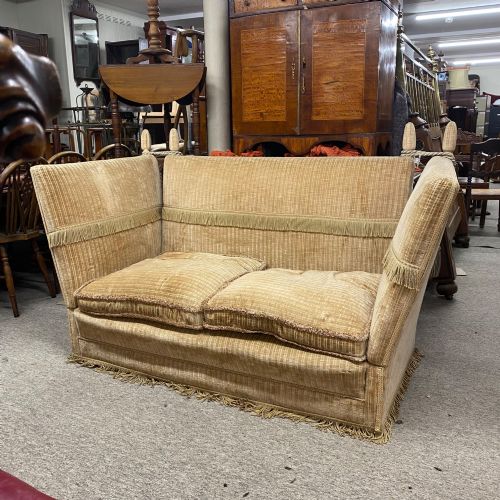
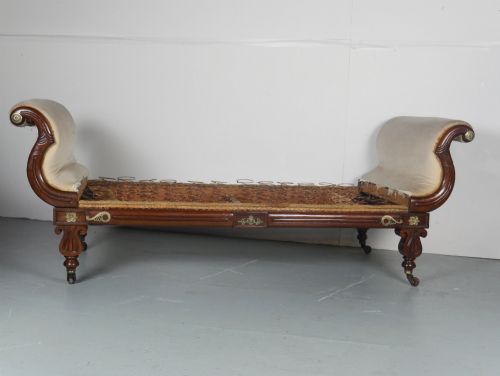
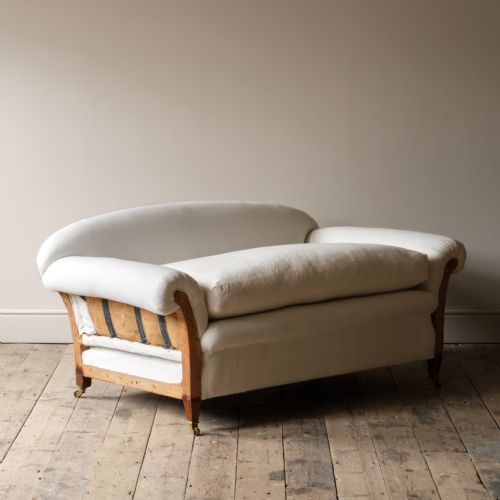
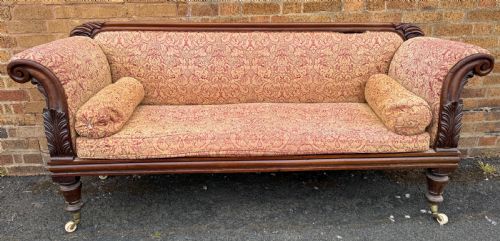
An early century sofa brings heavy mahogany frames, deep scroll ends, and rich velvet upholstery into a room.
Early Century Sofa
When you search for an early century sofa, you enter a field defined by nineteenth and early twentieth century seating. These pieces span Regency, William IV, Early Victorian, and Edwardian periods, crossing into revival styles like Empire and Jacobean.
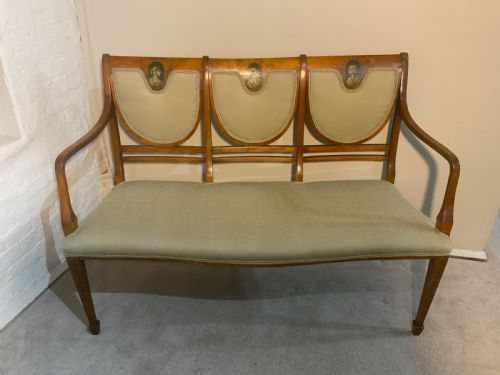
The most frequent forms met here are substantial mahogany or rosewood framed settees, scroll-end sofas, and deep-seated country house designs. Alongside traditional British frames, items range from Italian Venetian polychrome pieces to Chinese export benches inlaid with mother of pearl.
Makers and workshops of the period utilised varied timbers and upholstery methods, creating seating intended for formal reception rooms and libraries alike. Each piece carries the distinct structural markers of its decade, from Regency elegance to Edwardian comfort.
How they were made
Carpenters and cabinet makers constructed these frames using solid hardwoods like mahogany, rosewood, oak, and walnut, often enhanced with finely figured veneers. Structural strength relied on traditional joinery, supported by carved scroll ends and detailed mouldings.
Upholstered items incorporated traditional interior fillings such as horsehair, paired with hand-dyed leather, woven fabric, or velvet coverings. Decorative embellishments included brass inlays, carved woodwork, and mother of pearl details set directly into the timber.
Early Century Sofa Retail Price Guide 2026
Typical asking prices for early century sofa among the pieces listed under this phrase on Sellingantiques today, from the lower quarter to the upper quarter. They describe what is for sale here now, not the wider market.
Some nineteenth century sofas hide remarkably stubborn horsehair stuffing that outlives every modern cushion.
What varies in quality
The standard of a piece rests heavily on the crispness of its woodwork carving and the integrity of its timber. Superior examples display carefully chosen veneers, symmetrical scrollwork, and solid framing that holds its lines through decades of use.
Upholstery work and internal stuffing dictate the physical presence of the seating, separating standard commercial output from pieces produced by notable makers. Original surface patination and untouched timber finishes elevate certain examples above standard restored items.
Gillows of Lancaster and London·Williams and Gibton·Jean-Joseph Chapuis·Andrew Thomson and Sons
The Early Century Sofa Glossary
- Scroll-end sofa
- A seating form featuring outward-curving wooden arms that echo classical scroll motifs, prominent in Regency and William IV furniture.
- Settee
- A medium-length upholstered bench with a back and arms, designed to seat multiple people.
- Chesterfield sofa
- A deep-tufted or buttoned upholstered couch traditionally finished in hand-dyed leather.
- Regency period
- The British design era spanning the early nineteenth century, characterised by classical revival motifs and refined cabinet work.
- Horsehair gilled
- An upholstery method utilising stiff horsehair stuffing to maintain the internal shape and resilience of a seat.
Early Century Sofa: Frequently Asked Questions
What is an early century sofa?
An early century sofa refers to nineteenth or early twentieth century seating, encompassing Regency, Victorian, and Edwardian periods. These pieces include mahogany framed settees, scroll-end sofas, and deep-seated country house designs.
They reflect the shifting domestic tastes and cabinet-making standards of their respective decades, using hardwoods and traditional upholstery methods.
How do I identify a Regency sofa?
Regency sofas typically display classical architectural lines, scroll ends, and dark hardwoods such as mahogany or rosewood. They often feature carved wooden frames and restrained classical ornamentation.
Craftsmen of this period drew inspiration from classical antiquity, resulting in balanced proportions and structured seating forms.
What materials were used in these sofas?
Cabinet makers utilised solid hardwoods including mahogany, rosewood, oak, and walnut for the structural frames. Surfaces were frequently decorated with veneers, brass details, or carved elements.
Upholstered components relied on horsehair filling covered in leather, velvet, or woven fabrics to achieve durability and comfort.
How do I care for an antique leather sofa?
Antique leather requires gentle cleaning and regular conditioning to prevent the hide from drying out. Avoid placing the furniture in direct sunlight or near heat sources.
Maintaining a stable room temperature helps preserve the natural patination and structural integrity of both the leather and the underlying wooden frame.