



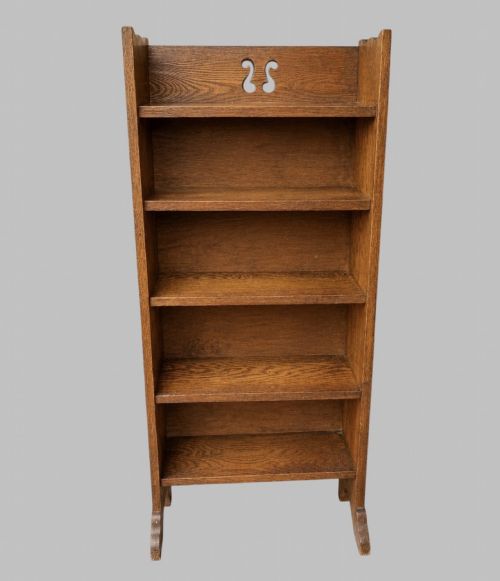
Early Century Oak Bookcase
An early century oak bookcase brings dependable utility and character to a room, offering sturdy timber storage for volumes of every size.
Early Century Oak Bookcase
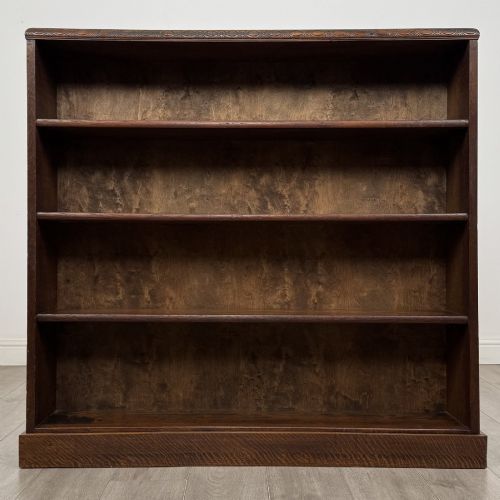
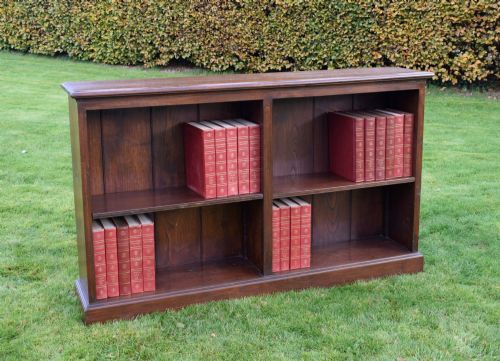
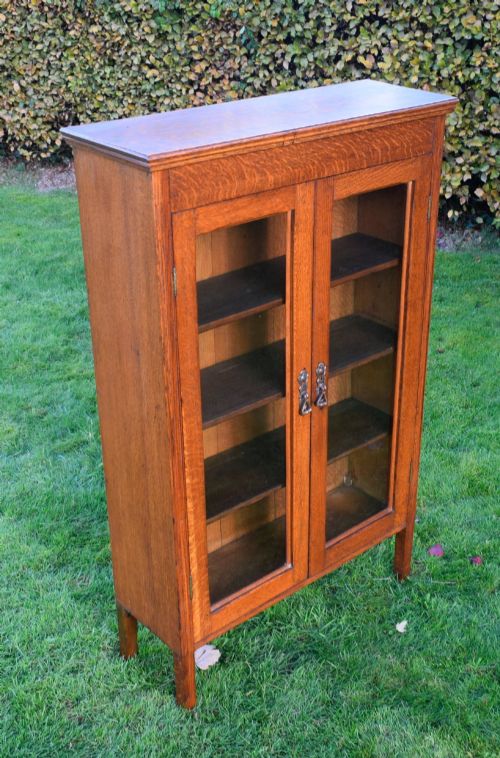
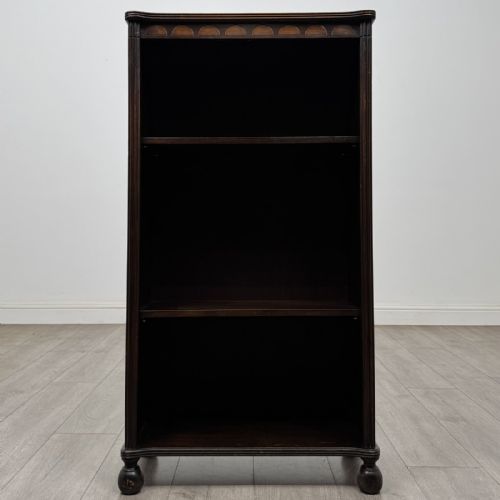
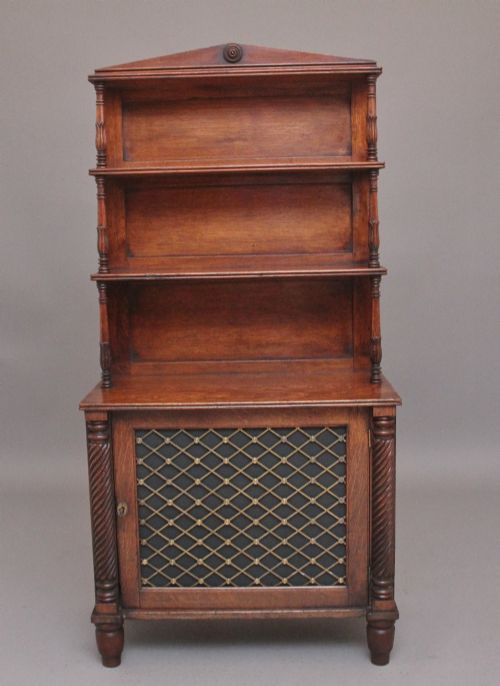
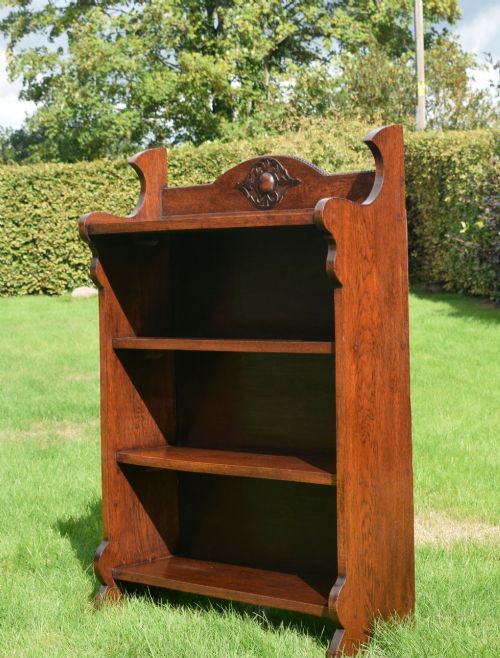
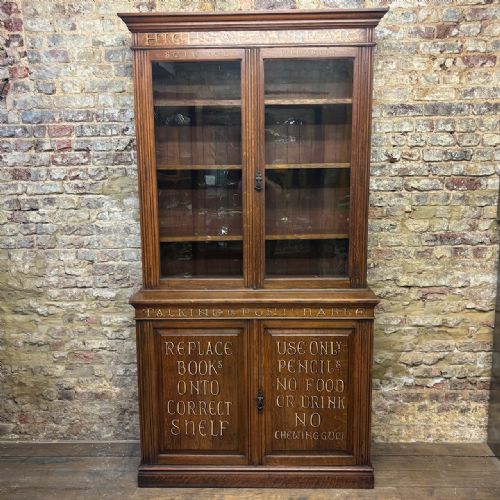
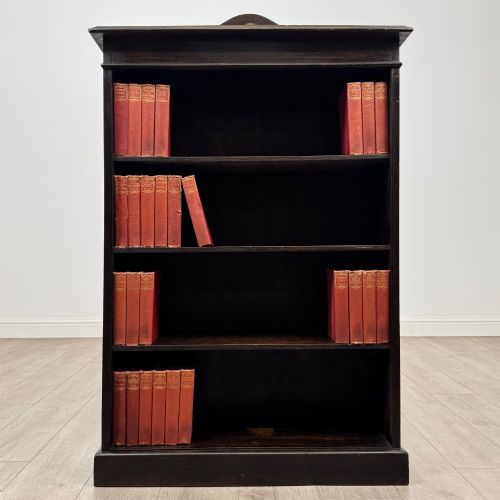
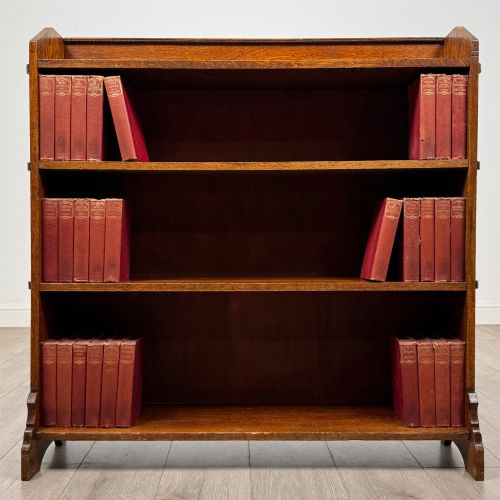
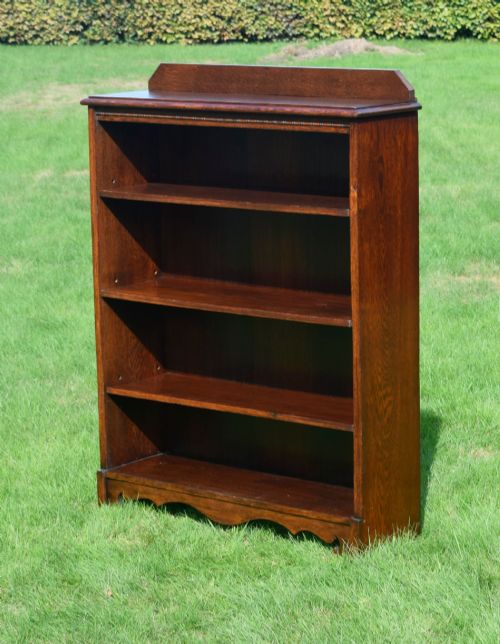
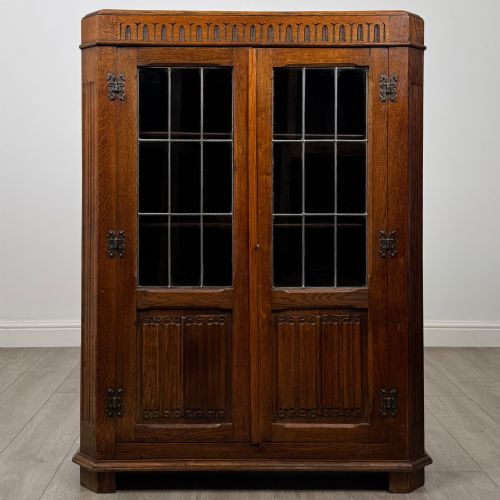
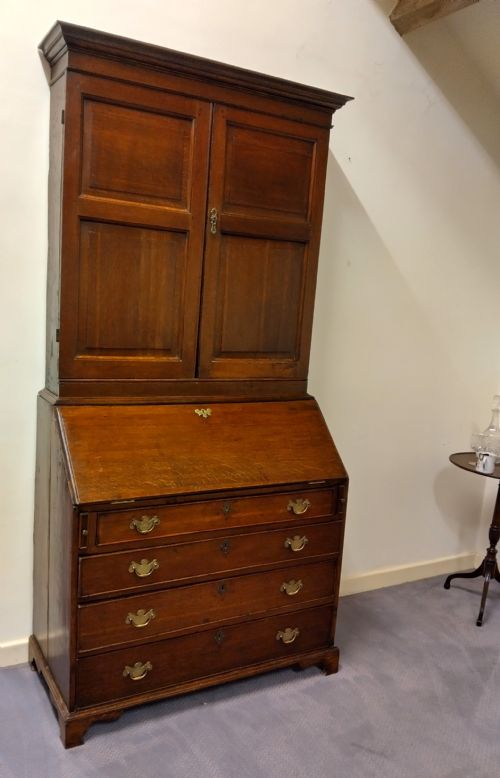
An early century oak bookcase encompasses practical open shelving units, glazed display cabinets, and fitted bureau bookcases designed for domestic or institutional use. The selections span from the seventeenth century through the Edwardian era and the early decades of the twentieth century, with twentieth-century iterations appearing most frequently.
Makers and manufacturers produced these items in various formats, ranging from simple open-front shelves and school library pieces to modular sectional barrister designs and elaborate George I dome top cabinets. Oak serves as the primary timber, complemented by occasional decorative accents in pollard oak, ebony, and brass fittings.
Materials and construction methods
Cabinet makers utilised solid oak and golden oak veneers, joining structural elements with traditional joinery while incorporating brass hardware, iron brackets, and leaded glass panes in glazed doors. Sectional stacking designs utilised internal metal mechanisms to allow individual glass-fronted tiers to lift and slide.
Surface treatments included carved decorative elements, decorative cut-outs associated with Arts and Crafts ideals, and polished finishes that highlighted the natural grain of the timber.
Early Century Oak Bookcase Retail Price Guide 2026
Typical asking prices for early century oak bookcase among the pieces listed under this phrase on Sellingantiques today, from the lower quarter to the upper quarter. They describe what is for sale here now, not the wider market.
Some nineteenth-century oak bureau bookcases have found retirement careers housing modern television screens instead of leather-bound folios.
Distinctions in craftsmanship and condition
Quality separates standard utilitarian shelving from finer fitted bureau bookcases and sectional stacking systems through the precision of the joinery, the selection of figured timber such as pollard oak, and the integrity of original glass panels. Retaining maker signatures or hardware identity plates elevates an example above anonymous production.
Alterations, such as adaptations for television housing, modify the original utility of seventeenth-century pieces, whereas intact sectional tiers and working mechanical doors maintain the operational standard expected in modular library furniture.
Albert Gilles·Heals
The Early Century Oak Bookcase Glossary
- Globe Wernicke
- A sectional barrister bookcase comprising stackable tiers with glass-fronted doors that lift and slide into the cabinet. This modular format gained popularity in offices and libraries during the early twentieth century.
- Bureau Bookcase
- A combination furniture form featuring a sloping fall-front writing desk below a bookcase or cabinet. These pieces often incorporate internal pigeon holes and drawers.
- Pollard Oak
- Timber taken from trees that were pollarded, producing a highly figured wood grain with dense clusters of knots. Cabinet makers utilised this decorative veneer on select panels.
- Arts and Crafts
- A design movement prioritising traditional craftsmanship, visible construction, and simple forms over mass-produced ornamentation. Pieces from this style often feature hand-carved details or decorative cut-outs.
Early Century Oak Bookcase: Frequently Asked Questions
What is a barrister bookcase?
A barrister bookcase is a stackable modular unit featuring glass doors that lift upward and slide inside the shelf space. This design protected law books from dust while allowing multiple tiers to stack together.
Such modular systems became common in offices and studies during the early twentieth century.
How do I identify an Edwardian oak bookcase?
Edwardian oak bookcases often feature lighter golden oak tones, simpler open shelving, or glazed cabinet doors without heavy Victorian ornamentation. They reflect the domestic interior trends of the early twentieth century.
Many examples include adjustable wooden shelves and straightforward bracket feet.
Are these bookcases suitable for modern homes?
These bookcases accommodate contemporary books, display items, and household storage while adding traditional timber warmth to a room. Open front styles provide quick access, whereas glazed doors protect valuable volumes.
Sectional and slim variants fit comfortably into smaller living spaces or studies.
What is a bureau bookcase used for?
A bureau bookcase combines a writing surface with overhead shelving for a dual-purpose study unit. The drop-front flap folds down to create a desk with internal compartments for stationery.
Upper cabinet sections store reference volumes behind wooden or glass doors.