

Early Century Dresser
When you search for an early century dresser, you enter a world of practical storage and display spanning oak, pine, and walnut from the eighteenth and nineteenth centuries.
Early Century Dresser
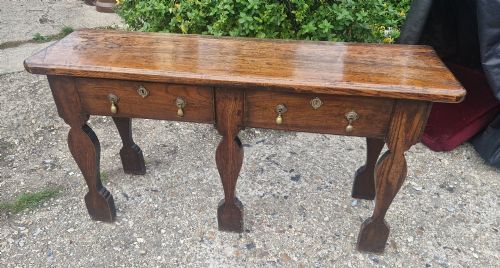
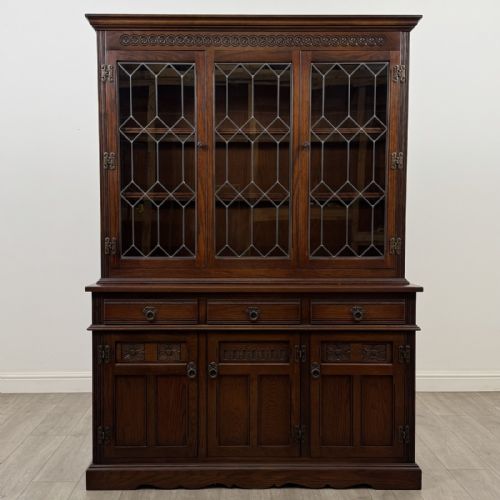
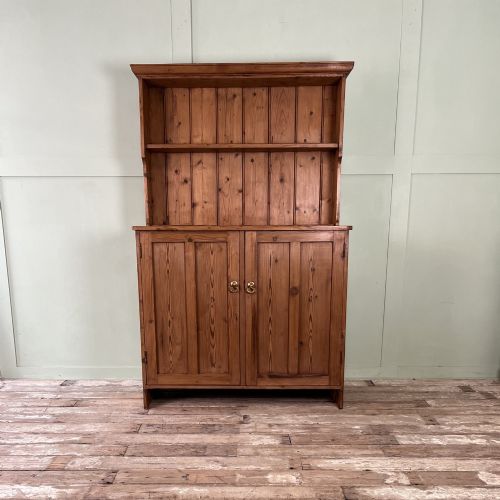
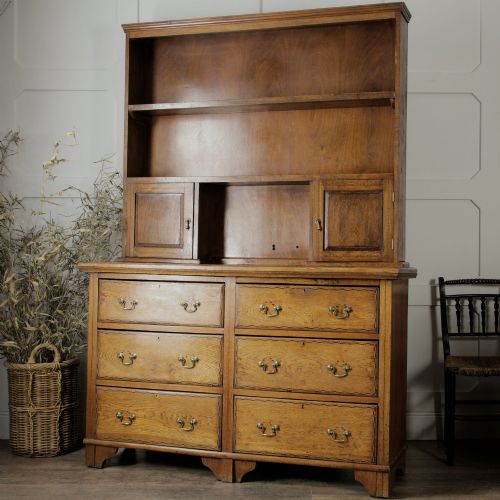
An early century dresser brings together kitchen dressers, dresser bases, and Welsh dressers featuring open plate racks or enclosed shelving. These forms serve as traditional utility furniture designed for holding tableware, linen, and dry goods.
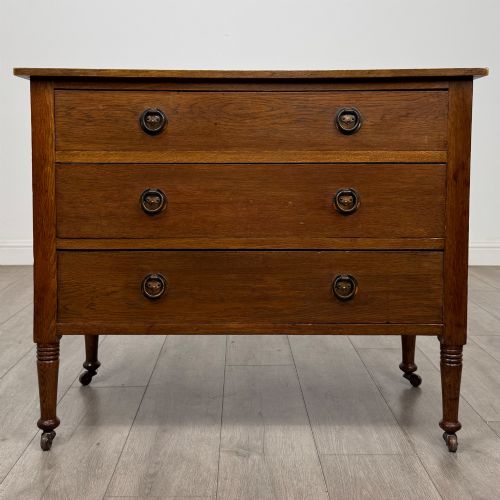
The pieces on this page span the eighteenth, nineteenth, and early twentieth centuries, drawing from English country, Welsh, and French provincial workshops. Oak and pine dominate the vernacular examples, while formal pieces utilise walnut and mahogany.
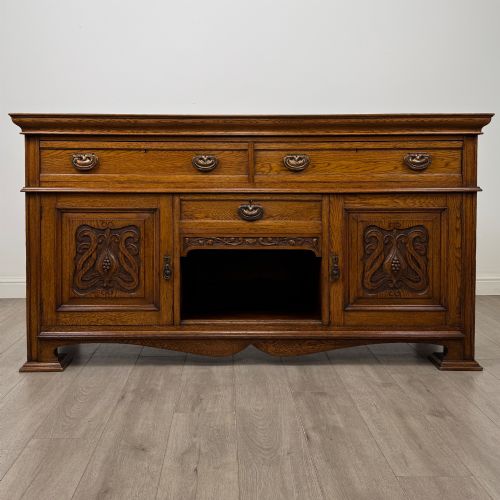
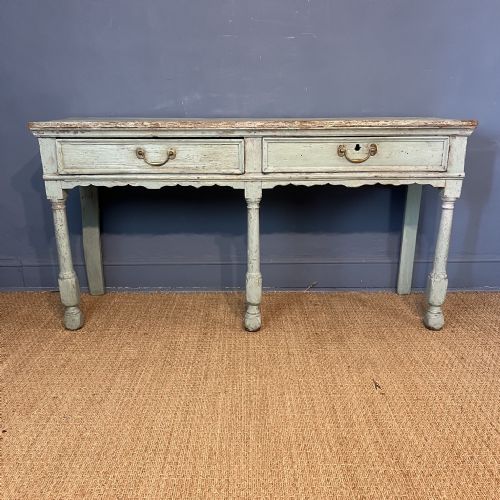
Buyers encounter everything from low dresser bases and pot board dressers to two-part cottage dressers with geometric front panels or hand-carved doors. Each variant reflects the regional traditions and domestic habits of its period of origin.
How they were made
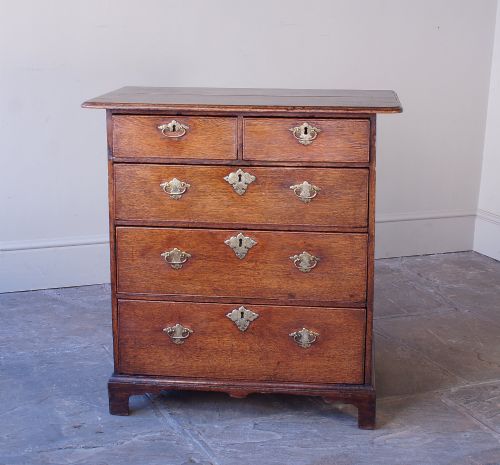
Makers built these pieces using solid timbers like oak, pine, elm, and chestnut, frequently employing frame-and-panel construction to accommodate the natural movement of wood. Drawer fronts often feature hand-cut dovetails, while structural joints rely on pegged mortise and tenon construction.
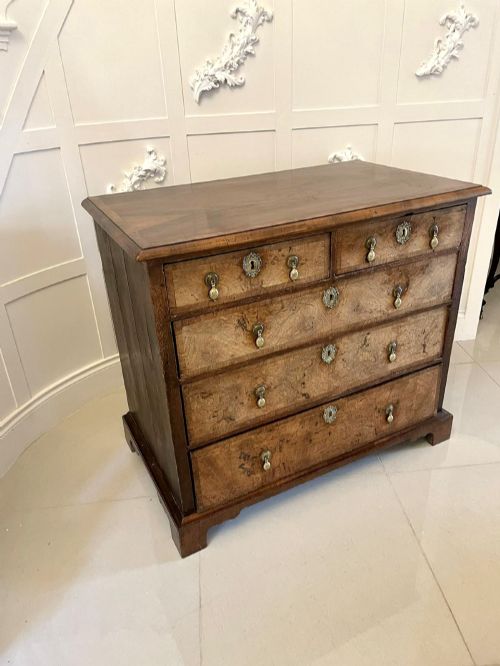
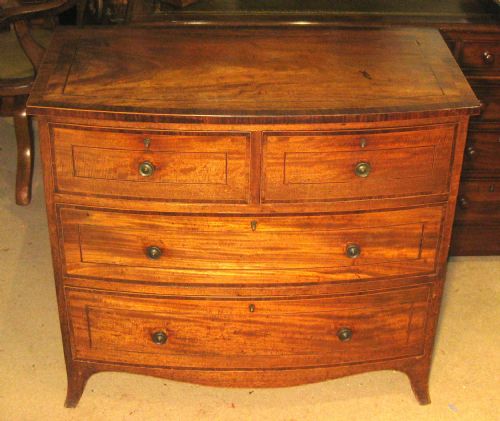
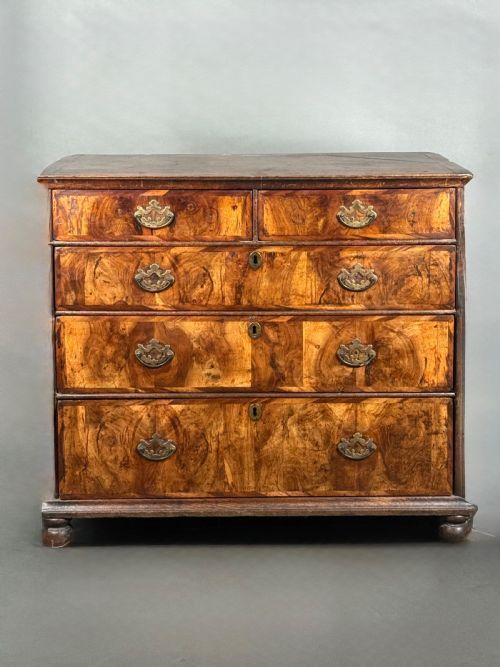
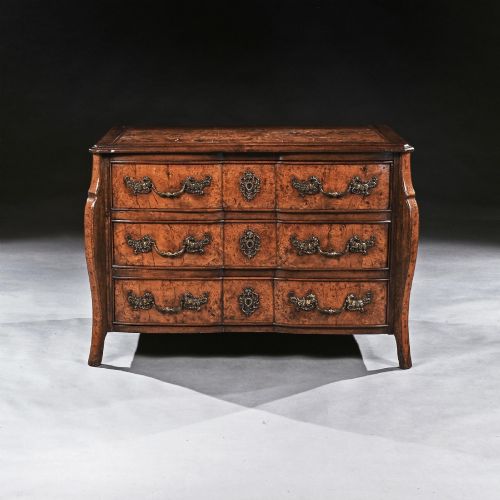
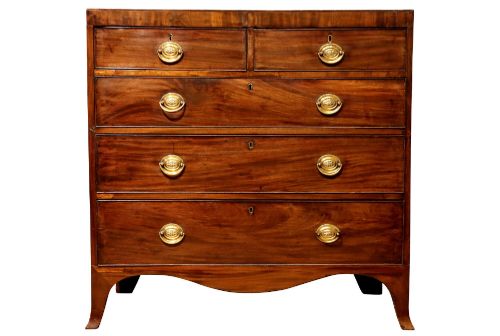
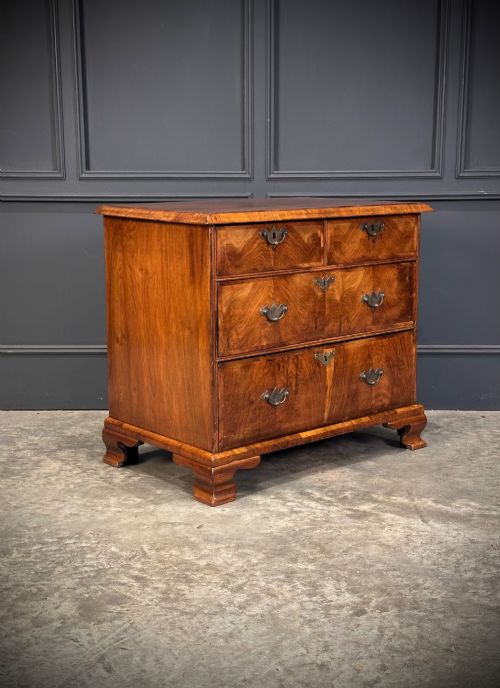
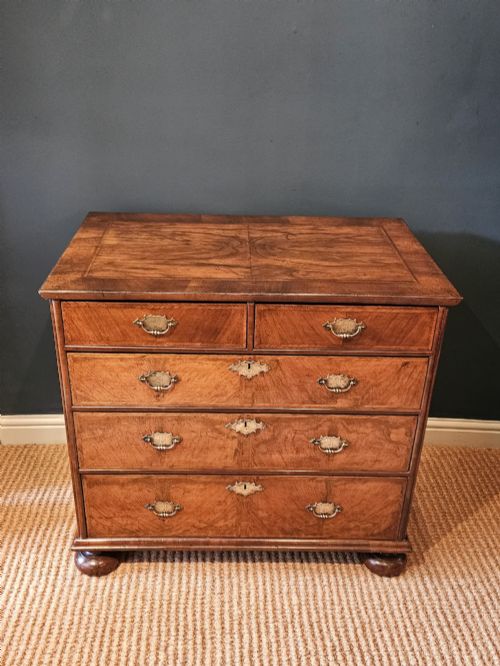
Finer formal items incorporate flame mahogany veneer, burr elm, or walnut banded with herringbone inlay, accented with brass drawer pulls and escutcheons. Regional vernacular pieces rely on simpler iron hardware and straightforward pegged joints built to withstand heavy daily use.
Regional variations include Welsh pot board dressers, French provincial commodes, and English country dressers.
What varies in quality
The distinction between standard utility furniture and superior examples lies in the selection of timber, such as highly figured walnut or well-matched oak boards. Refined pieces show careful attention to proportion, crisp geometric mouldings, and intact period hardware.
Construction details also separate the tiers, including the depth of drawer linings, the neatness of dovetailing, and the survival of original plate racks on regional dressers. Alterations to hardware or replaced timber elements alter the standing of a piece within the range.
Thomas Hache of Grenoble·August Ungethüm
The Early Century Dresser Glossary
- Dresser base
- A low sideboard or cupboard unit without the upper plate rack, used for storage and serving.
- Pot board
- An open lower shelf fitted between the legs of a Welsh dresser, traditionally used for storing pots and pans.
- Welsh dresser
- A regional cabinet comprising a base section of drawers and cupboards surmounted by a plate rack with open shelves.
- Dovetail
- A joint formed by interlocking wedge-shaped fingers, commonly used in drawer construction to secure corners.
- Herringbone banding
- An inlay technique arranging small strips of veneer in a V-shaped pattern around the borders of drawer fronts.
Early Century Dresser: Frequently Asked Questions
How do I style an old dresser?
An early century dresser anchors a room when placed against a plain wall, allowing the timber grain and colour to stand out.
Display everyday ceramics, pewter, or glassware on the plate rack while keeping heavy items stored securely within the base cupboards.
What is a Welsh dresser?
A Welsh dresser combines a lower storage unit of drawers and cupboards with an upper set of open shelves for displaying plates.
These two-part pieces were central to farmhouse kitchens for organising and exhibiting household tableware.
How should I clean wood furniture?
Maintain timber surfaces by dusting regularly with a soft, dry cloth and applying natural beeswax periodically to nourish the grain.
Avoid chemical polishes and keep pieces away from direct heat sources and strong sunlight to prevent the timber from drying out.