


Early 20th Century Shade
When you search for an early 20th century shade, you are looking at period light fittings that bring authentic character to historic and contemporary interiors.
Early 20th Century Shade
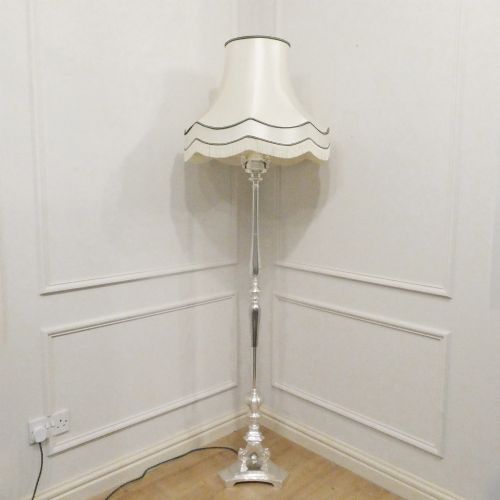
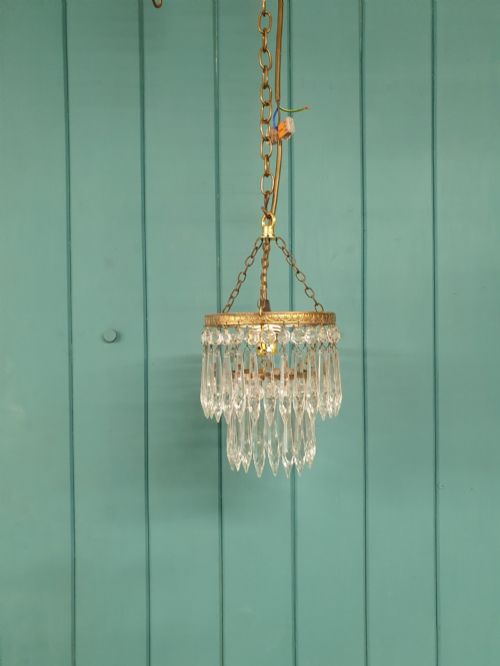
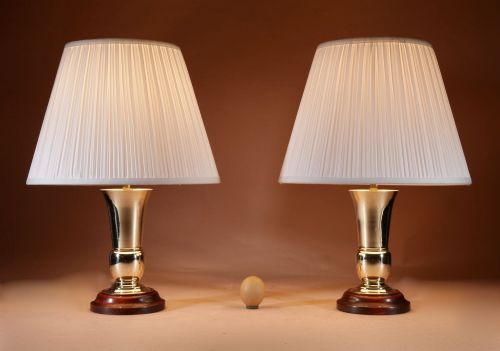
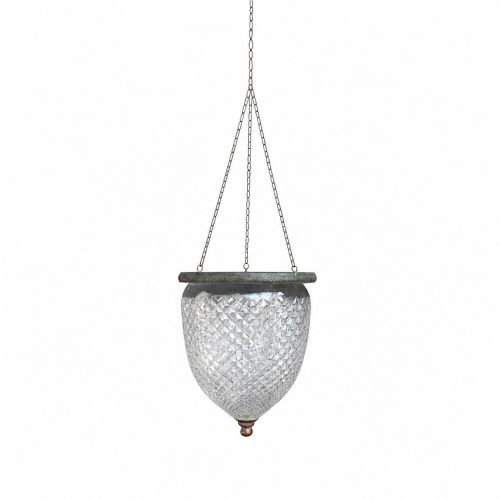
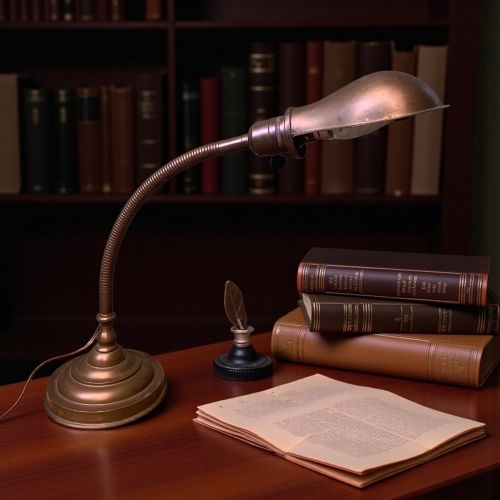
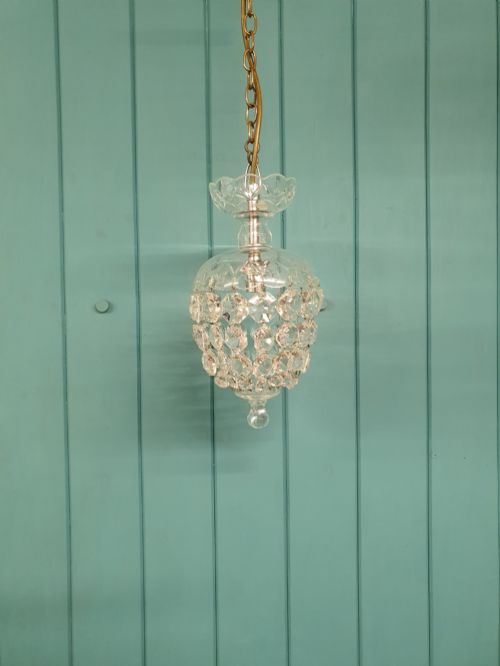
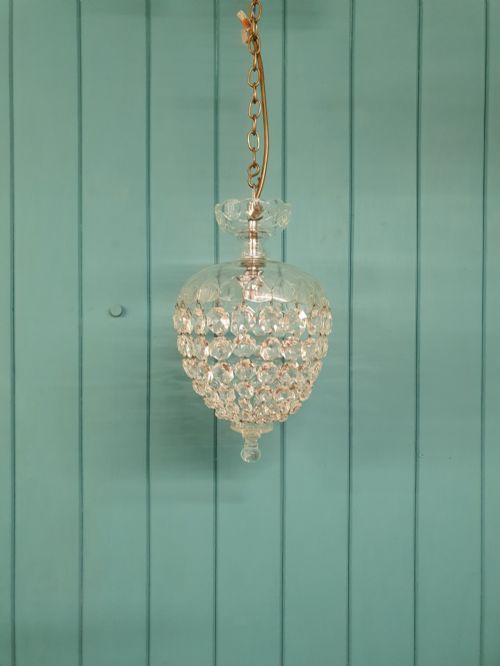
An early 20th century shade encompasses a diverse selection of lighting components and complete fixtures originating from the Edwardian era through the interwar years of the 1930s. Buyers encountering this search phrase will find everything from small decorative chandeliers and porch lanterns to individual glass pendants designed for ceiling, wall or table placement.
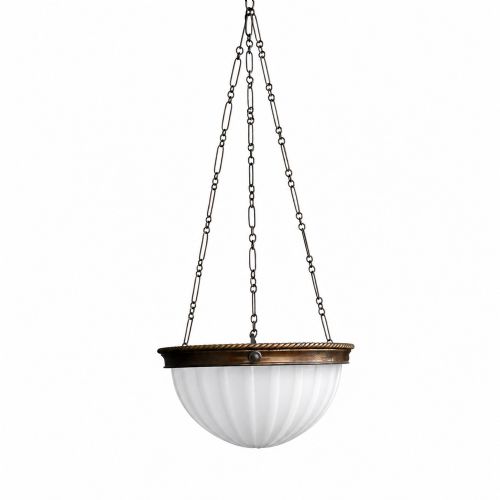
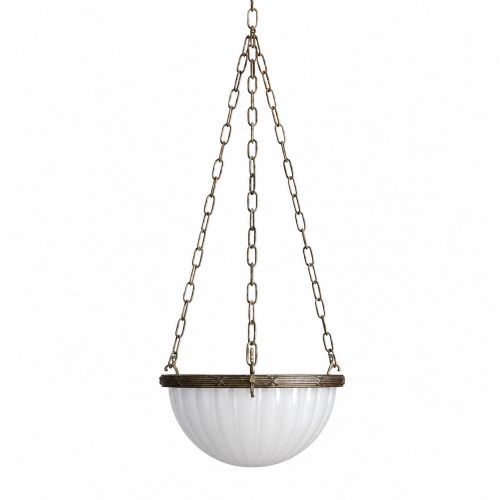
The objects frequently appear paired with brass, bronze or copper mounts, reflecting the prevalent manufacturing standards of the period. Many examples integrate specialised optical glass elements such as Holophane ribbing or opaline surfaces designed to diffuse light effectively across a room.
Origins span English, French and Italian workshops, bringing distinct regional styles into the selection. Whether attached to a multi-armed chandelier or suspended from an original chain, these shades retain the functional utility of their original domestic contexts.
How they were made
Makers of the period utilised heavy cast brass, bronze and silver plate for structural galleries, fitter rings and support chains. Metal components were frequently spun, stamped or patinated to achieve specific industrial or classical finishes.
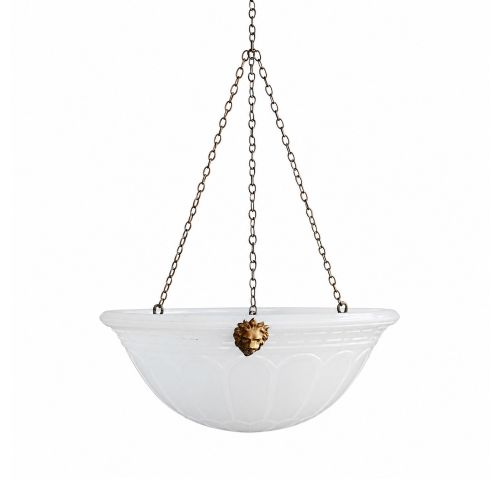
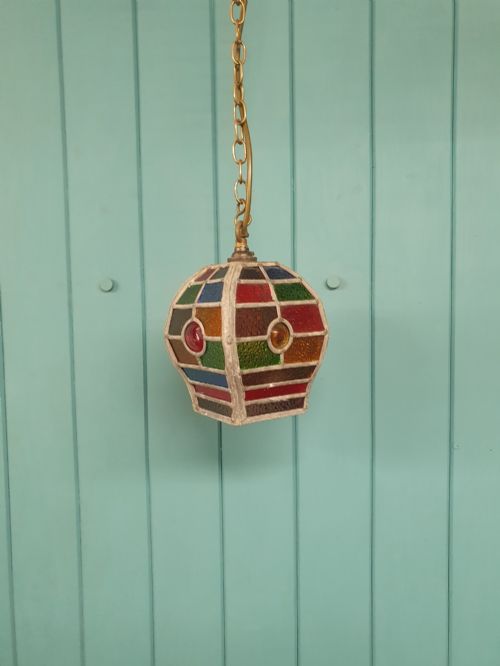
Glass elements were cast, moulded or cut to create directional prisms, opaline diffusers and textured shades like those seen in Holophane designs. Alabaster, marble-effect stone and leaded stained glass were also shaped to form solid decorative bowls and panels.
Assembly relied on threaded brass fittings, screws and galleries that secured the glass safely within its metal framework. Electrical adaptations, where present, incorporated woven corded flex and standard internal holders suited to domestic circuits.
The listings show materials ranging from raw alabaster and opaline glass to heavy cast brass, nickel plate, and leaded stained glass.
What varies in quality
Quality reveals itself in the weight and substance of the metalwork, where thick cast brass and finely chased bronze outlast lighter stamped alternatives. The precision of the casting and the crispness of decorative motifs distinguish standard production items from finer workshop pieces.
In glass components, the depth of the cut, the clarity of the crystal and the absence of heavy moulding seams separate superior optical shades from basic pressed glass. Intact original galleries, matched sets of prisms and authentic hanging chains add further coherence to a piece.
The Early 20th Century Shade Glossary
- Plafonnier
- A ceiling-mounted light fixture designed to sit flush or very close to the ceiling surface. These typically feature a shallow glass bowl secured within a metal rim.
- Holophane
- A brand of scientific prismatic glass engineered to direct and diffuse light efficiently while reducing glare. It is instantly recognisable by its distinctive external ribs.
- Opaline glass
- A milky, semi-translucent white glass popular for diffusing light softly without total transparency. It frequently appears in pendant shades from the early decades of the twentieth century.
- Gallery
- The metal ring or collar designed to hold a glass shade securely in place by means of tightening screws. Galleries often feature decorative pierced patterns characteristic of their period.
- Prism
- A cut or moulded piece of glass suspended from a chandelier or light fitting to refract light into spectral colours. These hang in various shapes, including spikes and drops.
Early 20th Century Shade: Frequently Asked Questions
How do I clean an antique glass shade?
Wash the glass gently in warm, soapy water using a soft cloth, avoiding abrasive pads that can scratch historic surfaces. Ensure all metal galleries and electrical components are kept completely dry during the process.
Allow every part to dry thoroughly before reassembling or rehanging the light fitting. Delicate leaded panels or fragile alabaster require dry dusting rather than immersion.
What is an opaline shade?
Opaline is a translucent milky-white glass developed to soften harsh glare from early electric bulbs while maintaining high light transmission. It imparts a clean, diffused glow suited to domestic spaces.
These shades appear in various forms, from simple dome pendants to multi-light fittings. Their understated finish complements both traditional and minimalist interiors.
How can I tell Edwardian lighting from later styles?
Edwardian fixtures often favour classical revival motifs, polished brass, and delicate cut glass or crystal drops. The lines tend to reflect ornate neoclassical or early art nouveau influences.
By contrast, pieces from the 1920s and 1930s frequently incorporate simpler geometric forms, industrial enamels, or Amsterdam School patinated copper. Examining the metalwork finish and the profile of the glass helps clarify the decade of manufacture.