



Early 20th Century Furniture
Early 20th century furniture brings together diverse revival styles and utilitarian forms from an era of shifting domestic design.
Early 20th Century Furniture
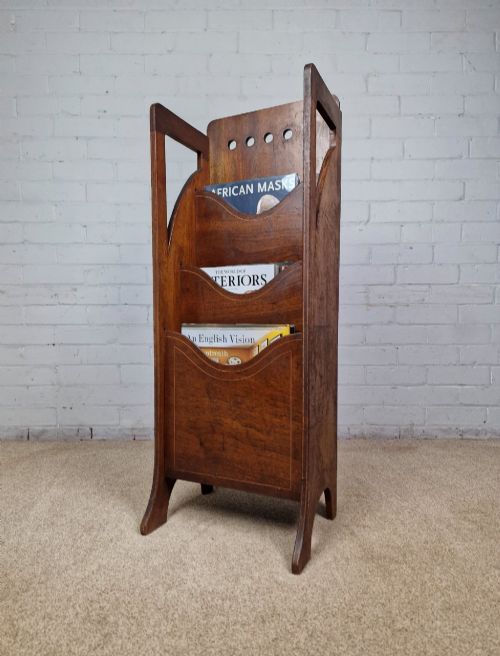
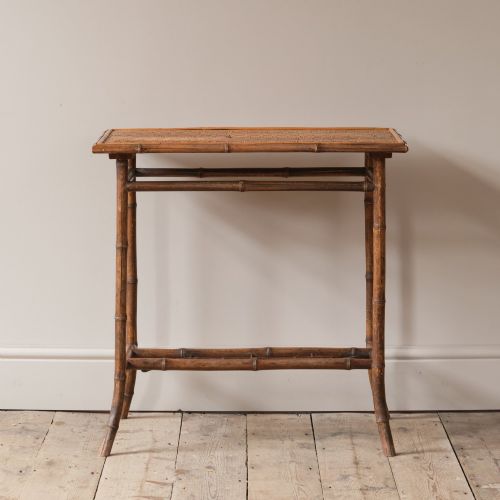
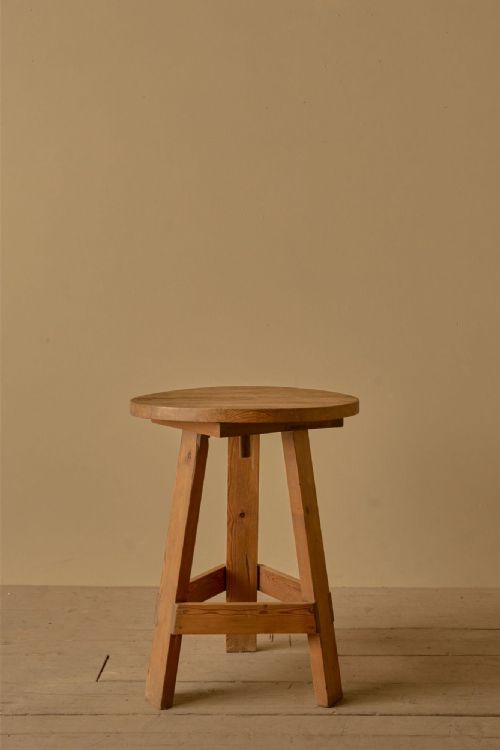
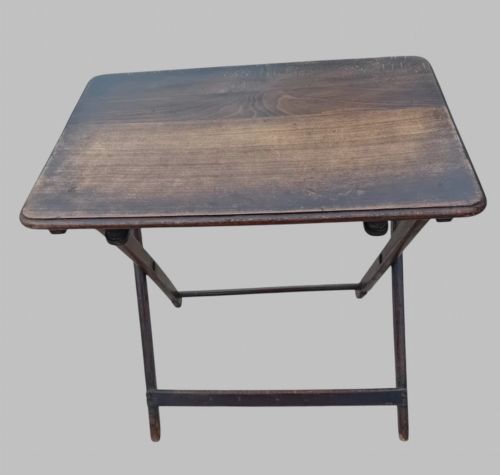
Early 20th century furniture encompasses a wide array of domestic items, ranging from practical storage pieces such as chests of drawers and bookcases to occasional tables and armchairs. Buyers exploring this category encounter pieces that bridge traditional craftsmanship with emerging modern utility, reflecting the changing interior tastes of the period.
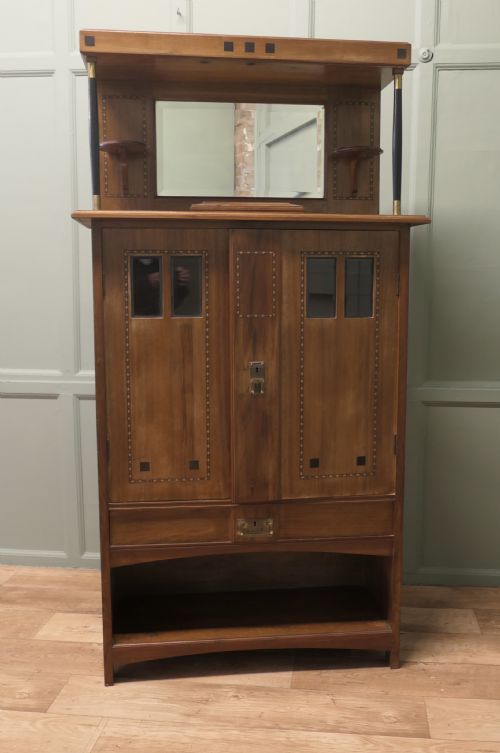
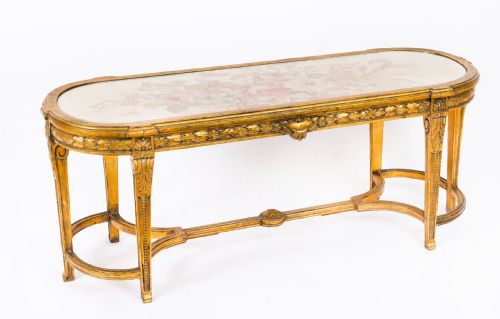
The selection includes specific forms like side tables, display cabinets, desks, and sideboards. These items frequently draw upon historical motifs, displaying influences from Edwardian elegance to Jacobean Revival and Arts and Crafts principles.
Materials and Construction
Makers utilised a variety of timbers including oak, mahogany, walnut, pine, and beech, often selecting them for both structural durability and decorative grain figure. Hardwoods like oak and walnut frequently appeared in solid forms or as finely cut veneers on case pieces and desks.
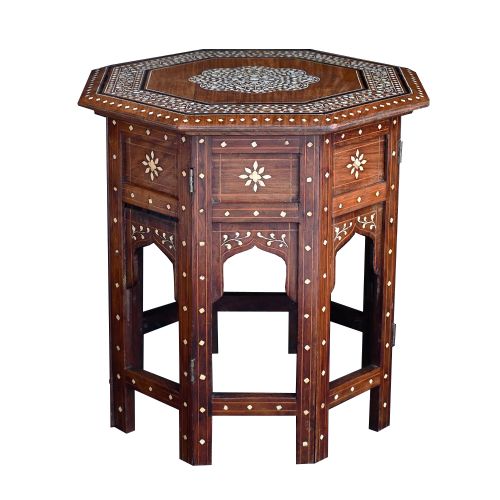
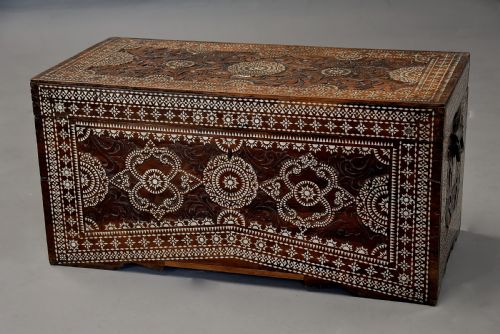
Decorative techniques recorded across the listings include elaborate mother of pearl inlay, hand-painted Chinoiserie lacquer, and brass mountings. Joinery methods combined traditional hand-tool work with early mechanised production to achieve both sturdy everyday utility and ornate surface decoration.
Early 20th Century Furniture Retail Price Guide 2026
Typical asking prices for early 20th century furniture among the pieces listed under this phrase on Sellingantiques today, from the lower quarter to the upper quarter. They describe what is for sale here now, not the wider market.
Domestic inventories include a shop's advertising chair for matchless soap alongside parlour gramophones and pigeon holes.
Judging Quality
Quality in early 20th century furniture rests on the integrity of the timber selection, the precision of the joinery, and the execution of decorative details. Pieces featuring figured walnut veneers or intricate inlay work demonstrate a higher level of artisan skill than simpler utilitarian forms.
The distinction between standard commercial output and superior workshop pieces is evident in how drawer linings, hardware, and structural joints are finished. Sustained stability and crispness in carved or applied ornamentation separate the better examples from standard production.
Finnigans·Wylie & Lochhead Glasgow·August Ungethüm·Émile Gallé·Watsons Matchless Soap·U Phone of Leeds·Sormani
The Early 20th Century Furniture Glossary
- Chinoiserie
- European interpretation of Chinese and East Asian artistic traditions, frequently expressed through lacquered finishes and painted motifs. This decorative style appeared on cabinets, desks, and tables during the period.
- Jacobean Revival
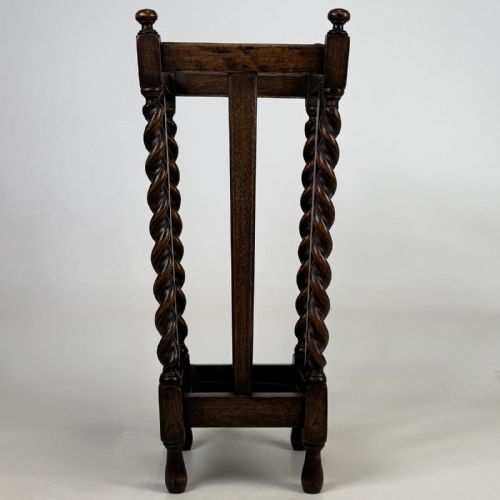
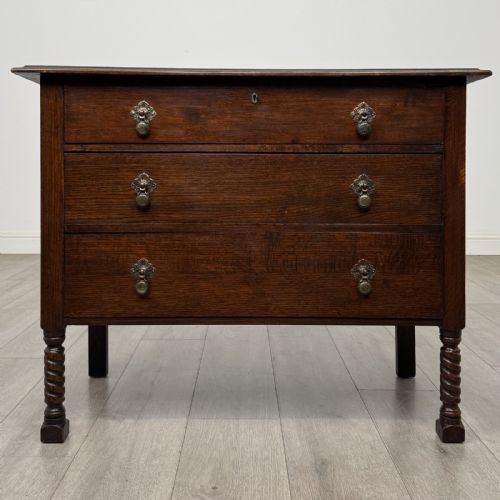
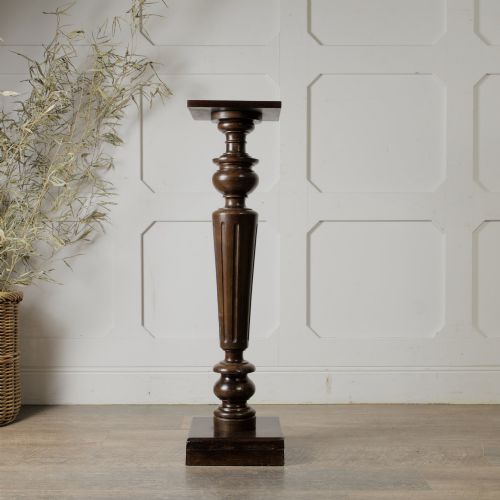
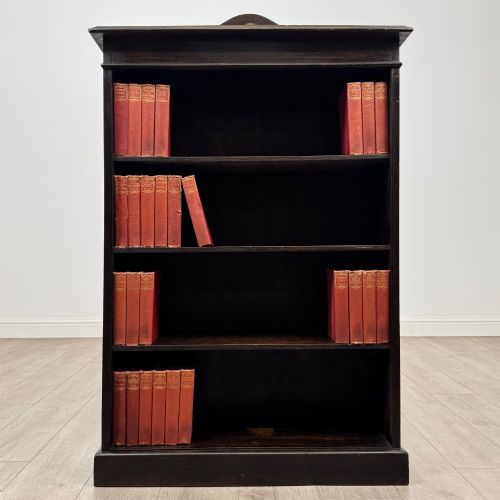
- A style drawing inspiration from 17th-century English furniture design, characterised by heavy proportions and turned woodwork. It frequently manifested in dark oak side tables and bookcases.
- Arts and Crafts
- A design movement prioritising traditional craftsmanship, simple forms, and visible construction methods over mass-produced ornamentation. It guided the creation of functional oak furniture and shelving.
- Tambour
- A flexible door or shutter constructed from narrow strips of wood glued to a canvas backing, allowing it to slide along a track. This mechanism is typically found on specialised storage cabinets and desks.
- Secessionist
- A Central European offshoot of Art Nouveau that favoured geometric clarity alongside organic lines. This aesthetic influenced the clean yet decorative lines of period display cabinets.
Early 20th Century Furniture: Frequently Asked Questions
How do I identify early 20th century furniture?
Look for a combination of traditional timber construction and design markers from specific revivals such as Edwardian, Arts and Crafts, or Jacobean styles. Hardware, drawer linings, and structural framing often provide clues to the manufacturing decade.
Examination of maker marks, labels, or stamps can also assist in confirming the period of origin. Comparing the joinery techniques to known styles helps verify whether a piece dates from this era.
Is early 20th century furniture suitable for daily use?
Most items from this era were built to withstand robust everyday domestic demands. Solid timber tables, bookcases, and chests remain structurally capable of serving functional roles in modern homes.
Careful placement away from direct heat sources and moisture helps preserve the polished surfaces and structural integrity. Regular maintenance ensures these functional antiques endure continued practical use.
How should I care for lacquered and inlaid surfaces?
Lacquered items and pieces with mother of pearl inlay require gentle dusting with a soft, dry cloth. Avoid chemical cleaning agents that might degrade painted finishes or loosen delicate surface inlays.
Maintaining stable indoor humidity levels prevents timber movement beneath decorative surfaces. Protective pads beneath objects placed on tabletops help safeguard vulnerable finishes from scratches.
What is the difference between Edwardian and Jacobean Revival pieces?
Edwardian items often feature lighter proportions, satinwood or mahogany timbers, and refined inlay work suited to drawing rooms. They reflect a transitional elegance preceding the First World War.
In contrast, Jacobean Revival pieces utilise darker oak, heavier turned legs, and robust framing that mimic 17th-century aesthetics. These contrasting approaches offer distinct visual weights for interior styling.