






Early 20th Century Etching
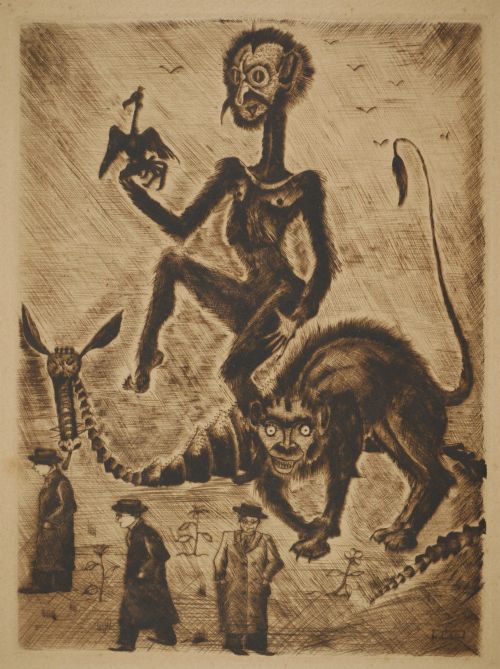
An early 20th century etching captures the distinct draughtsmanship of the era on paper using ink.
Early 20th Century Etching
An early 20th century etching brings together fine art prints and framed works produced across decades spanning the Victorian and Edwardian periods through to the 1930s. Buyers searching this phrase encounter original works on paper, drypoint plates, and pencil-signed prints depicting subjects from city bridges to harvest fields.
The selection ranges from detailed architectural studies of London and provincial locations to portraiture and surreal compositions. Many bear signatures by listed artists and provenance labels from established galleries.
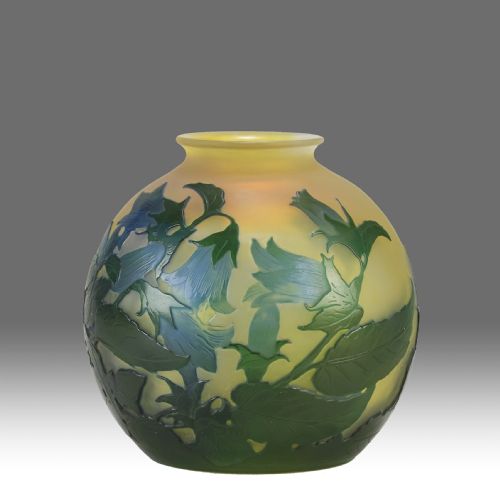
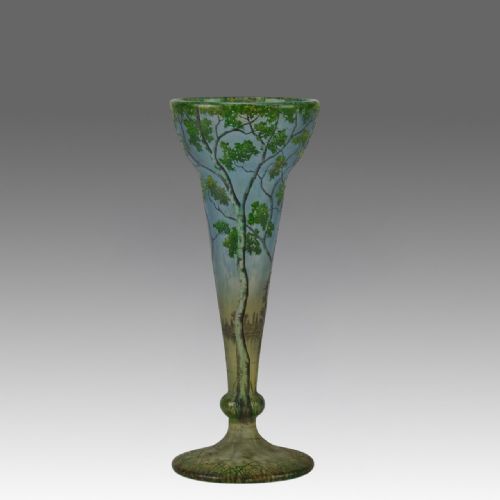
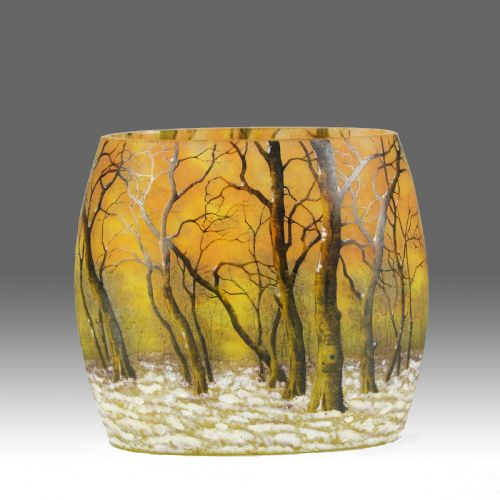
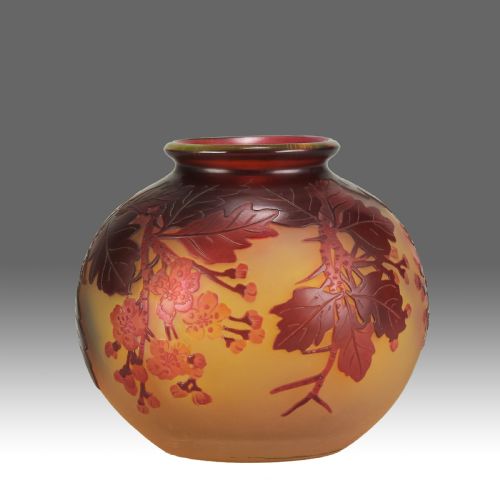
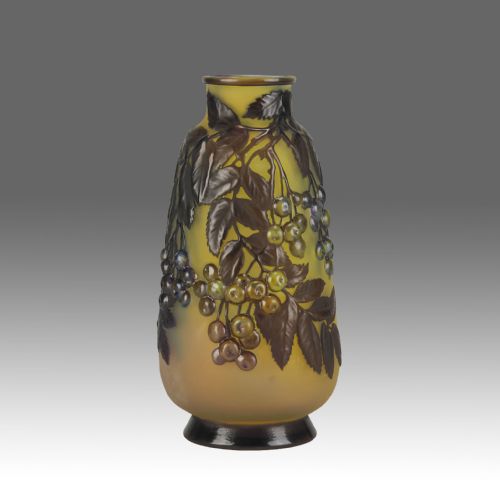
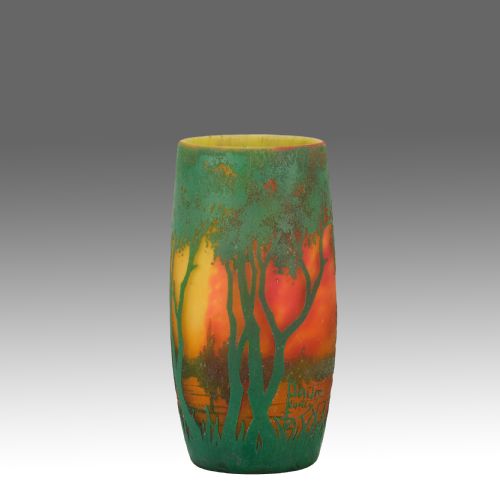
Alongside works on paper, the physical record shows that acid-etched glass and cameo glass vessels frequently share this designation. Vases and decorative objects from this period utilise chemical processes to create floral and landscape motifs.
Materials and technique
Works on paper rely on ink applied to etched or drypoint metal plates before transfer. Artists such as Francis Dodd and Edgar J. Maybery utilised these intaglio methods to achieve fine line work, often signing their impressions in pencil.
Glass objects achieve their decoration through acid-etching or cameo carving. Makers applied acid to multi-layered glass or carved away surface material to reveal contrasting colours beneath, as seen in pieces by Emile Gallé and Daum Frères.
Among the glass and paper works, a miniature suit of armour stands ready for action.
Judging quality
Quality rests upon the clarity of the impression and the precision of the plate execution. Stronger prints show crisp lines without blurring or ink bleeding, while glass pieces demonstrate controlled depth in the acid-etching and well-defined contours.
The presence of a pencil signature by the artist elevates a print, as does documented gallery provenance. For glass vessels, the complexity of the multi-layered cameo work and the prominence of the maker signature separate standard items from finer examples.
Kurt Lorein Victor Peiser·Emile Gallé·Daum Frères·Augustus Edwin John·Francis Dodd·Edgar J. Maybery·John Fullwoode·Featherstone Robson·Reginald Green
The Early 20th Century Etching Glossary
- Etching
- A printmaking process where acid bites lines into a metal plate to hold ink. This technique allows for intricate detail and expressive line work on paper.
- Drypoint
- A printmaking method where the artist scratches directly into the metal plate with a sharp needle. This raises a burr of metal that yields a rich, velvety line when inked.
- Cameo Glass
- Glass vessels formed with multiple layers of different colours, then carved or acid-etched to create relief designs. This technique was widely utilised during the Art Nouveau period.
- Provenance
- The documented history of ownership and exhibition for an artwork. Labels on the reverse often record past galleries and exhibitions.
- Plate Mark
- The indentation left on paper by the pressure of the metal plate during printing. Its presence confirms an original hand-pulled impression.
Early 20th Century Etching: Frequently Asked Questions
What is a drypoint etching?
A drypoint etching is created when an artist scratches lines directly into a metal plate using a sharp tool rather than relying on acid. The resulting prints feature a characteristic soft line caused by the metal burr holding excess ink.
Francis Dodd and Edgar J. Maybery utilised this technique to produce detailed bridge and architectural views.
How do I identify a signed print?
Signed prints typically feature the artist signature written in pencil in the lower margin beneath the image area. This indicates the creator inspected and approved the individual impression.
Artists such as Augustus Edwin John and Reginald Green signed their works in this manner.
Are cameo glass vases considered etchings?
Acid-etched cameo glass shares a chemical manufacturing process with printmaking, using acid baths to eat away surface layers and form designs. Makers like Emile Gallé and Daum Frères employed these methods for vases.
Listings often group these glass objects alongside works on paper under the broader historical search term.
How should I display works on paper?
Works on paper require conservation-grade framing with acid-free mounts to prevent yellowing and degradation over time. Keeping framed prints away from direct sunlight protects the ink and paper integrity.
Archival backing preserves the physical condition and any gallery provenance labels on the reverse.