
Early 20th Century Brass Light
An early 20th century brass light brings period character and warm metallic lustre to a room.
Early 20th Century Brass Light
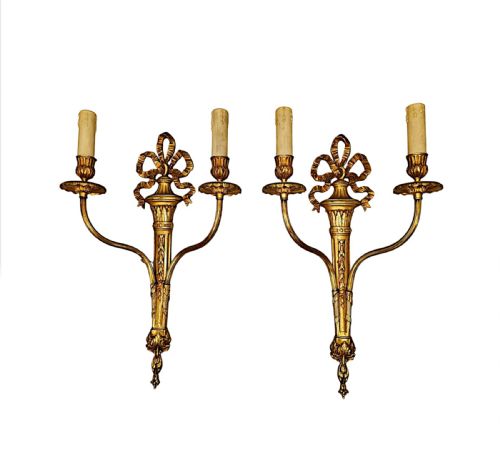
When buyers search for an early 20th century brass light, they encounter a broad category of domestic and commercial illumination spanning Edwardian, Art Deco, and Arts & Crafts sensibilities. These pieces range from substantial multi-armed chandeliers and hall lanterns to functional desk lamps, wall sconces, and plafonnier ceiling fixtures.
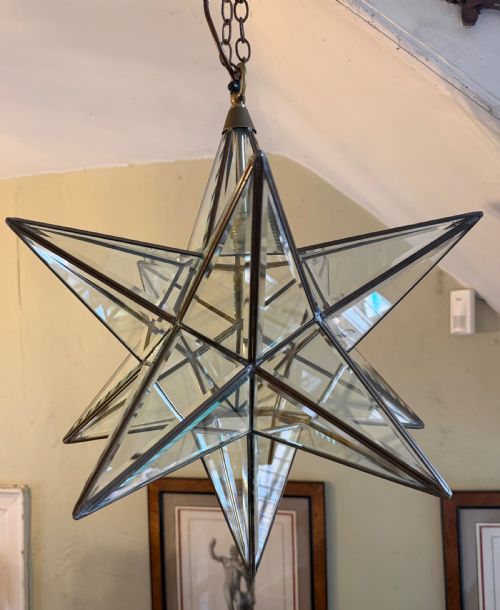
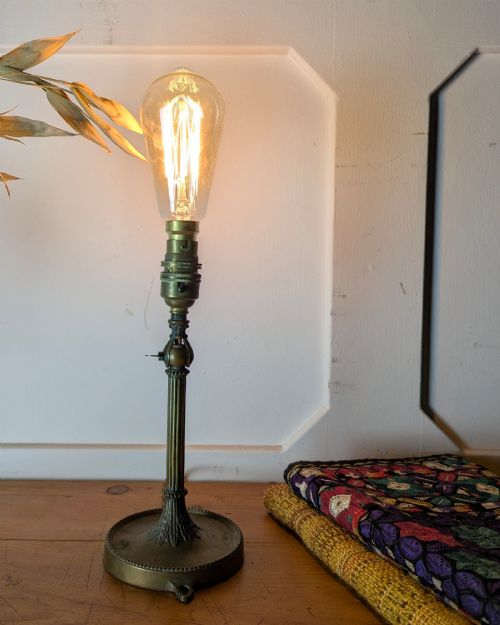
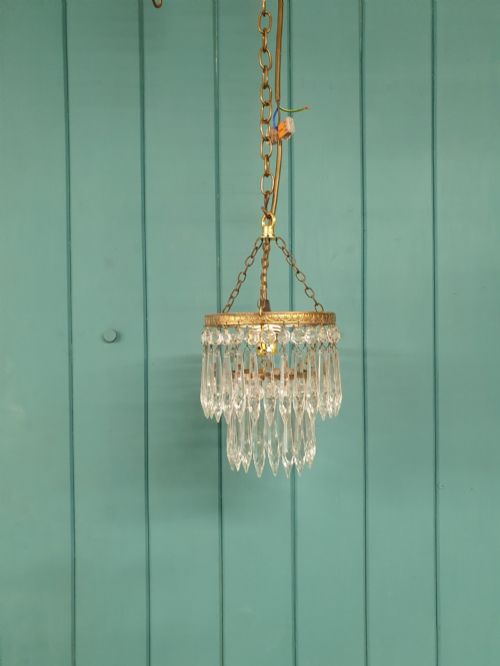
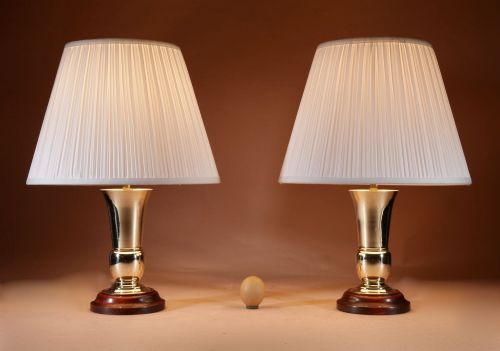
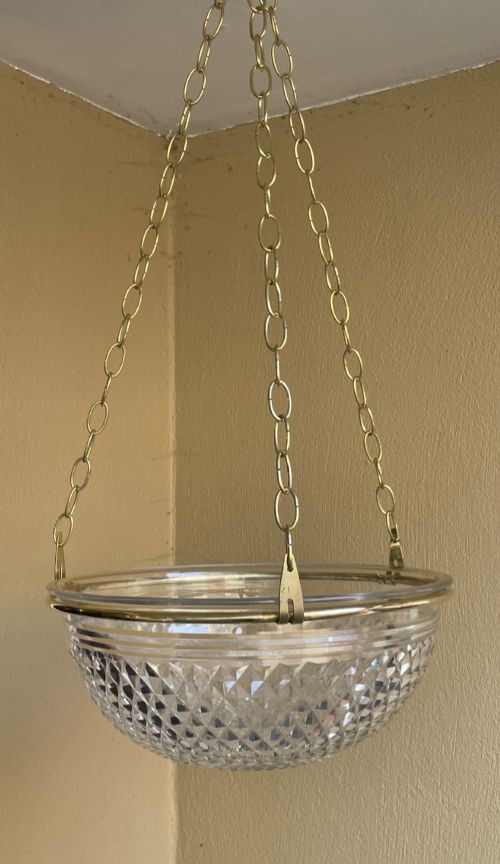
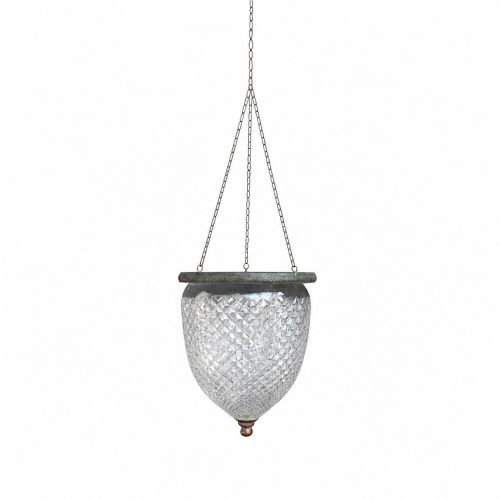
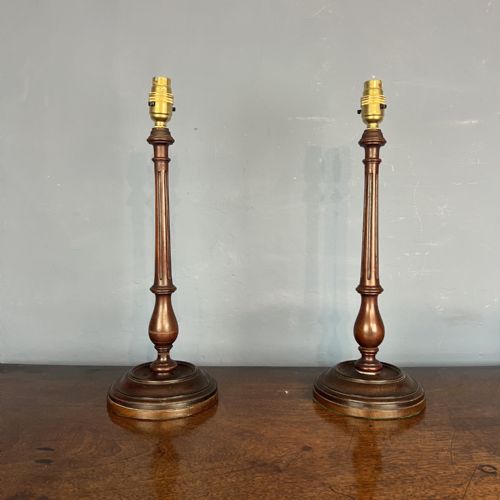
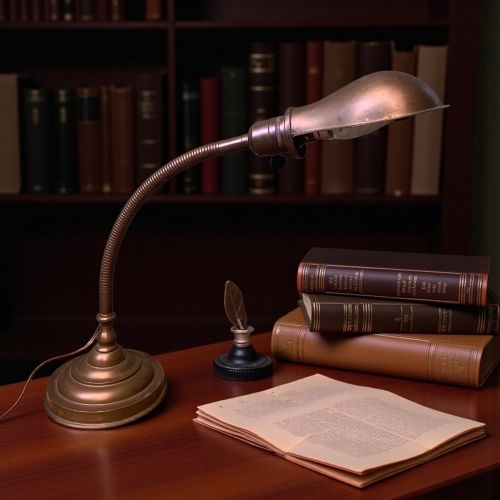
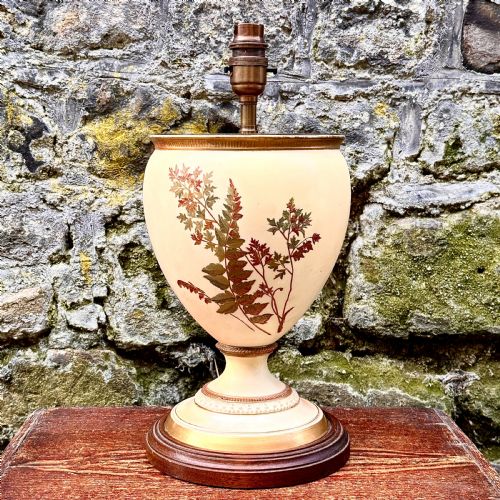
The version most commonly met on this page is the brass-framed ceiling lantern or small glass-adorned chandelier, frequently paired with cut glass, crystal, or moonstone shades. Table lamps and adjustable desk lights also appear regularly, reflecting the period's shift toward task-specific domestic lighting.
Originating from British, French, Italian, and Dutch workshops, these fixtures incorporate diverse stylistic revivals, including Louis XVI, Neoclassical, and Amsterdam School designs. The category thus bridges utilitarian industrial metalwork and decorative interior ornamentation.
How they were made
Makers utilised cast, spun, and sheet brass combined with structural iron frames to build these lamps and chandeliers, often finishing the surfaces with gilding, patination, or polished lacquer. Metal components were joined through casting, riveting, or soldering before being fitted with electrical mechanisms or burner assemblies.
Glass elements, including prismatic crystals, bevelled panels, moulded shades, and moonstone globes, were mouth-blown, pressed, or cut to refract light through the metal framework. Fabric cords, beaded fringes, and leaded stained glass sections were incorporated into specific decorative lanterns and table lamps.
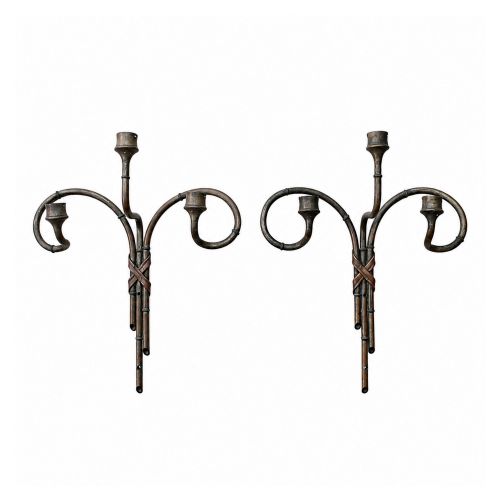
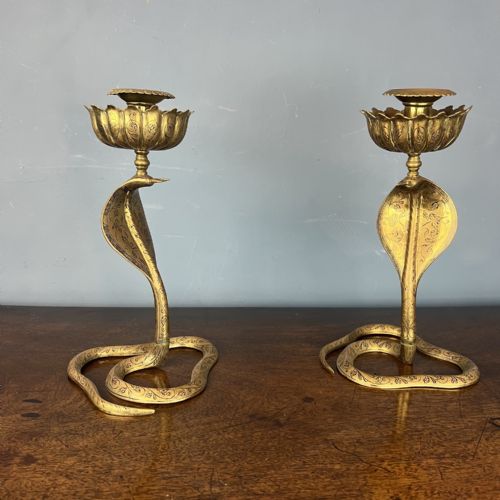
Specialised regional techniques emerge across the selections, such as Indian Bidri ware ornamentation on metal candlesticks or the geometric copper and brass construction typical of Amsterdam School pieces.
A few brass creatures linger in the metalwork, including coiled snakes and hidden garden acorns.
What varies in quality
The distinction between standard commercial production and finer workshops lies in the weight of the cast brass, the crispness of chased leaf or acorn detailing, and the depth of the metal patination. Superior examples employ heavy-gauge brass frameworks and hand-cut crystal prisms rather than light stamped metal and moulded plastic substitutes.
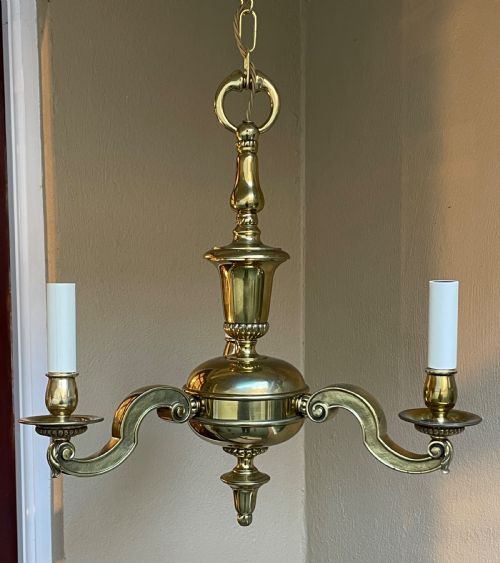
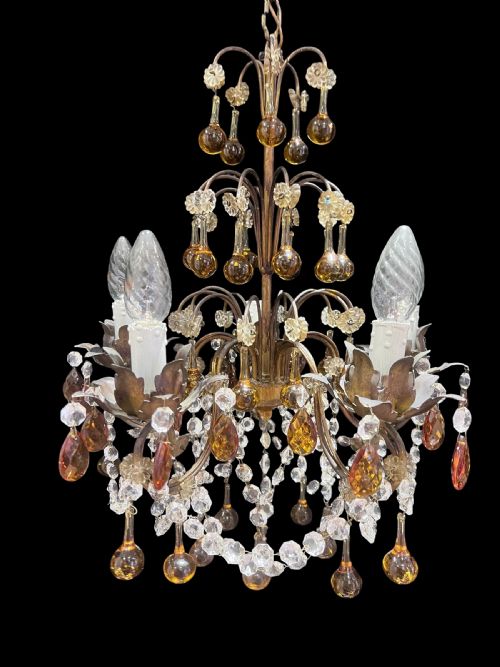
Design integrity separates ordinary lighting from exceptional specimens, visible in the balanced proportions of multi-arm chandeliers, the precision of bevelled glass star lanterns, and the mechanical fluidity of articulated desk lamps. The integration of high-grade components, such as heavy moulded glass shades and thick coloured crystals, elevates the overall execution.
The Early 20th Century Brass Light Glossary
- Plafonnier
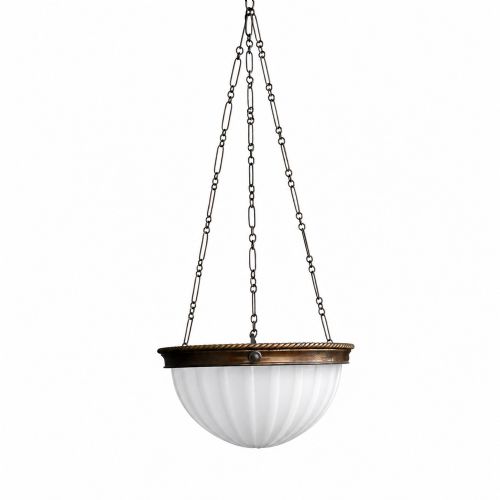
- A shallow bowl-shaped ceiling light mounted directly against the ceiling rather than suspended by a chain or cord. These fixtures typically feature frosted, cut, or moulded glass held by a metal rim.
- Bidri ware
- An inlaid metal handicraft originating from India, characterised by a dark blackened alloy surface contrasted with engraved designs in silver, brass, or copper. Pieces featuring this technique include decorative candlesticks.
- Moonstone glass
- An opaque, milky-white glass developed to diffuse light softly without harsh glare. It appears frequently in spherical or dome-shaped shades from the early decades of the twentieth century.
- Ormolu
- A metallic technique of applying finely ground high-carat gold to a bronze or brass base object using a mercury amalgamation process. This finish provides a rich golden appearance on decorative mounts and table lamps.
- Bag chandelier
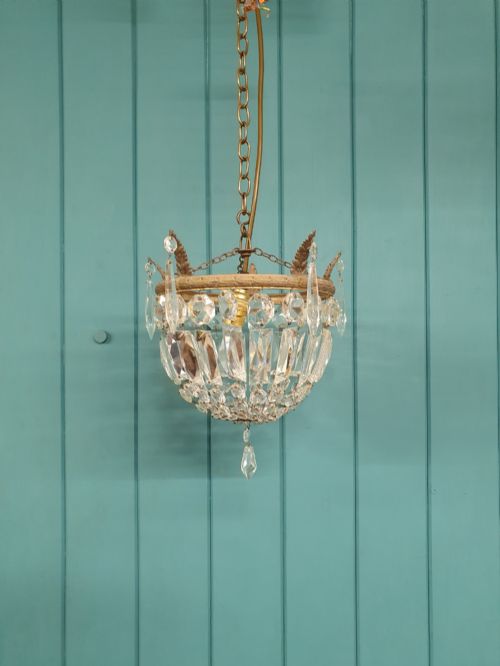
- A compact light fixture featuring a tapered or basket-shaped arrangement of glass beads and hanging crystal prisms suspended beneath a brass corona. They were designed to maximise sparkle in smaller spaces.
Early 20th Century Brass Light: Frequently Asked Questions
Are these lights compatible with modern wiring?
Many surviving fixtures have been adapted or rewired over time to function with contemporary electrical standards. It is standard practice to inspect the internal wiring and consult a qualified electrician prior to installation.
Original sockets and cords may require updates to meet current safety codes while retaining external period appearance. Modern LED bulbs can often be utilised if they match the required wattage and fitting size.
How do I distinguish Edwardian lighting from Art Deco pieces?
Edwardian fixtures generally display softer, organic motifs such as floral garlands, leaf patterns, and neoclassical revival styling executed in cast brass and cut crystal. They lean toward ornate, traditional ornamentation.
Art Deco examples favour geometric lines, streamlined angles, and functional articulation, particularly in desk lamps and wall sconces. Materials in later pieces often incorporate patinated metals and simplified glass shades.
Where should I hang a hall lantern?
Hall lanterns suit entranceways, corridors, and stairwells where their enclosed glass panels can project filtered illumination across a compact space. Their vertical proportions work well in high-ceilinged vestibules.
Ensure adequate clearance beneath the fixture for foot traffic and door swings. Hanging height should balance practical illumination with the architectural scale of the room.