
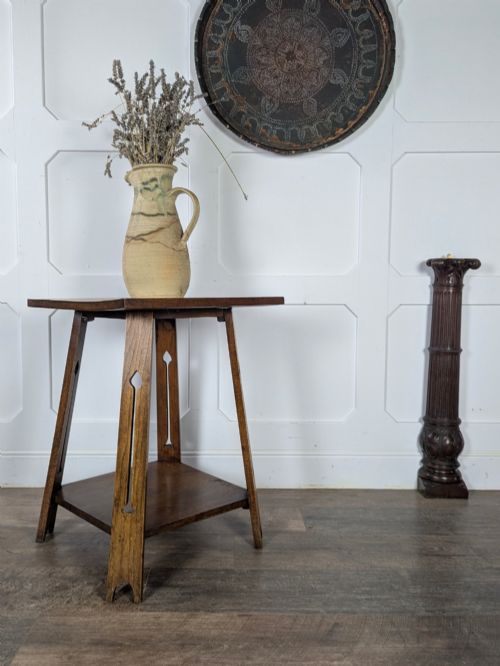




Early 20th Century Accent Table
An early 20th century accent table brings versatile historic charm to a room, serving smaller spaces with distinct period character.
Early 20th Century Accent Table
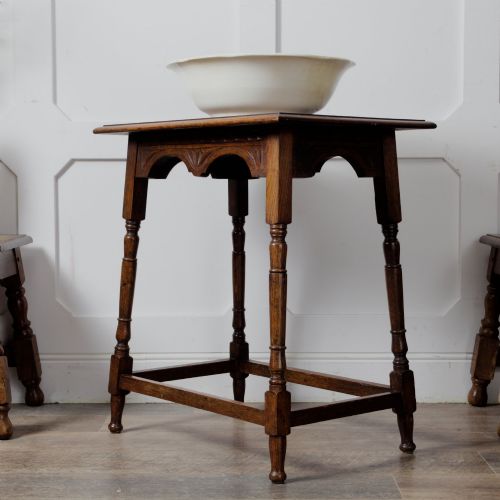
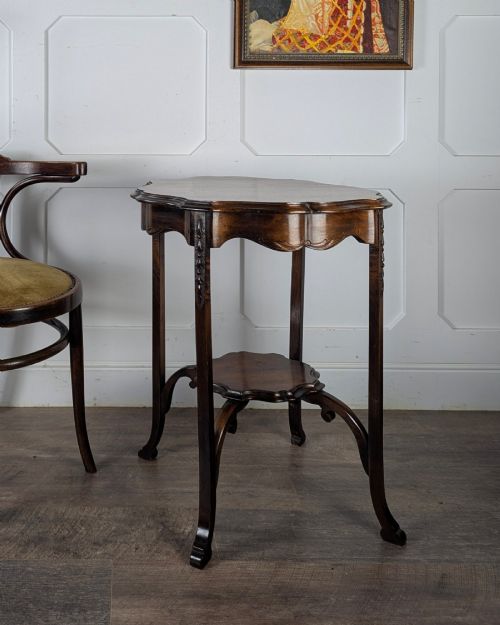
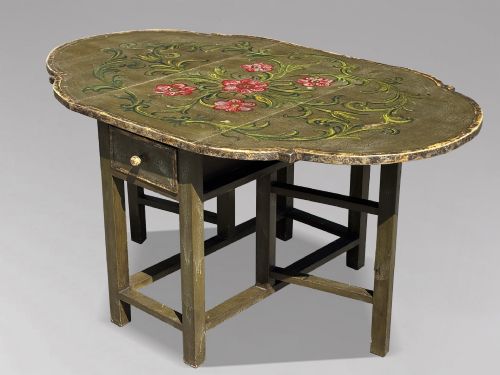
An early 20th century accent table encompasses a diverse variety of small-scale furniture designed to fit versatile domestic spaces. Buyers encountering this selection will find side tables, occasional tables, nests of tables, drop-leaf pieces, and plant stands spanning several decades from the late Victorian period through the interwar years.
The materials and construction reflect both British craftsmanship and continental influences, ranging from solid oak and carved mahogany to bamboo, teak, and walnut. Many examples adopt historic revivals such as Chippendale, Jacobean, and Louis XVI styles, alongside Art Nouveau curves and regional items like Swedish birch or Kashmiri tables.
Materials and Construction
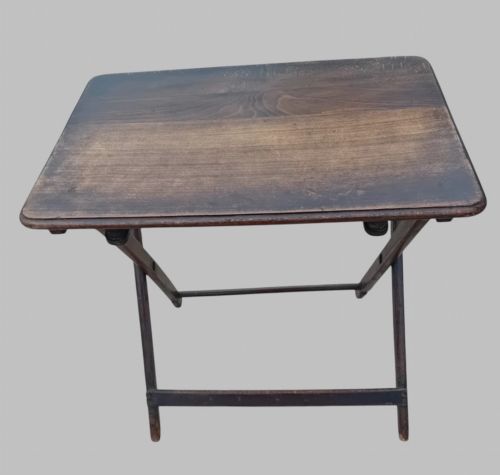
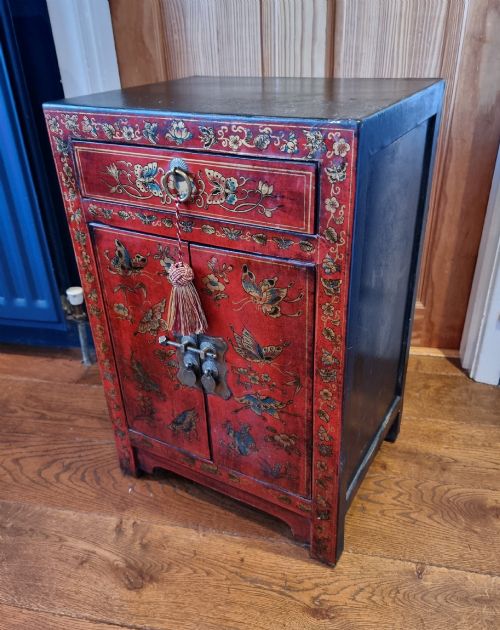
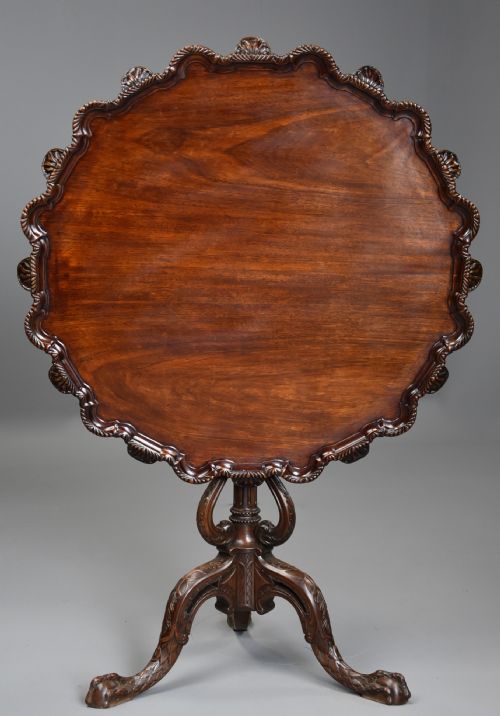
Cabinetmakers utilised robust timbers including mahogany, walnut, oak, and beech, often shaped into tilt-top tripods, gateleg frames, or folding campaign structures. Surface decoration frequently involved intricate marquetry inlay, rich lacquering, or hand-painted Chinoiserie finishes applied to birch and pine carcasses.
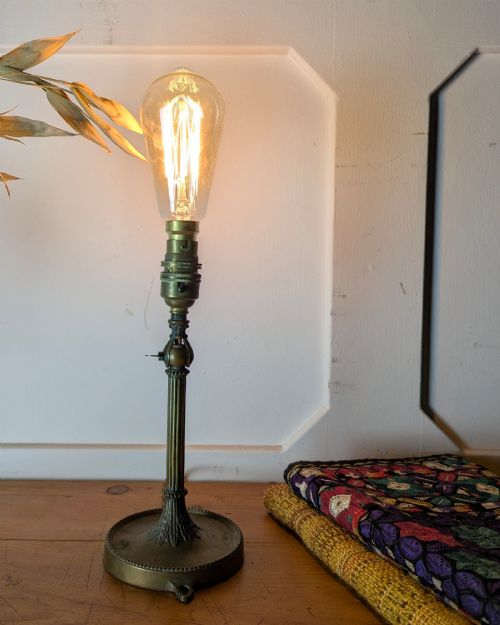
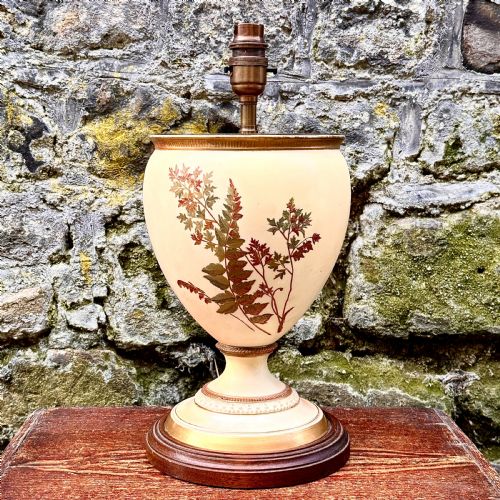
Stoneware, marble, and brass elements appear frequently across the selection, providing durable tops and structural fittings for occasional tables and lamps. Joinery techniques varied from traditional solid wood carving to collapsible folding mechanisms intended for portable convenience.
Assessing Execution and Materials
Quality in these pieces is dictated by the selection of timbers and the precision of decorative details, such as hand-carved mouldings versus cast substitutes. Finer examples display meticulous marquetry inlay, stable joints, and high-grade marble or alabaster inserts rather than simpler painted or stained softwood.
The integrity of secondary elements like brass hinges, folding mechanisms, and applied lacquered finishes separates standard utility items from superior artistic commissions. Original surfaces that retain their intended patina and structural firmness command greater consideration among collectors.
Émile Gallé·Haentgos Freres, Paris·Royal Worcester·Baccarat
The Early 20th Century Accent Table Glossary
- Gateleg table
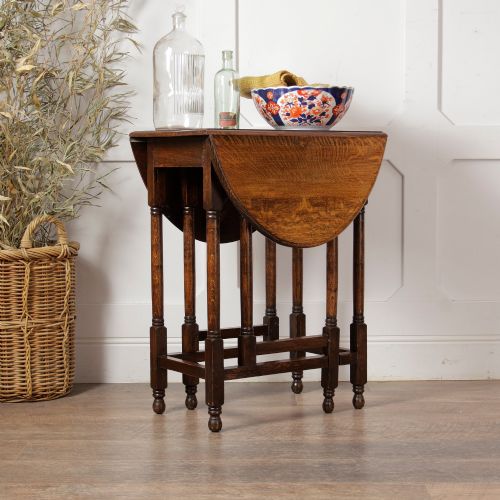
- A drop-leaf table with hinged legs that swing out to support the opened leaves. This clever design allows the surface to expand for use and fold flat for compact storage.
- Marquetry
- The art of applying decorative veneer pieces to a structure to form intricate pictorial designs. Craftsmen use various coloured woods and natural materials to create elaborate surface patterns.
- Gueridon
- A small decorative stand or table, originating in seventeenth-century France. These pieces typically feature a circular top supported by a central column or figures.
- Tilt-top table
- A table with a hinged top that pivots into a vertical position when not in use. This mechanism allowed tables to be stored against walls to save floor space.
- Quartetto nest
- A set of four graduating tables designed to slide neatly underneath one another. Originating in the nineteenth century, this form became particularly popular for entertaining.
Early 20th Century Accent Table: Frequently Asked Questions
What defines an early 20th century accent table?
An early 20th century accent table is a small, movable piece of furniture designed for occasional use, such as holding lamps, drinks, or decorative items.
These pieces typically date from the Edwardian era through the 1930s, incorporating various historic revival styles and regional timbers.
How were occasional tables used historically?
These tables served flexible domestic functions in drawing rooms, parlours, and bedrooms as portable surfaces for tea, reading materials, or lighting.
Designs like nesting tables and folding campaign pieces allowed households to reconfigure living spaces easily as social needs changed.
How do I care for a wood and marble table?
Wooden surfaces benefit from occasional waxing with natural beeswax to nourish the timber and maintain a soft sheen without building up heavy residues.
Marble tops require prompt cleaning of spills to prevent staining, using mild soap and water rather than acidic household cleaners.
How can I tell different period styles apart?
Edwardian and early century pieces often feature lighter woods, marquetry inlay, and refined proportions inspired by Georgian or Louis XVI revivals.
Pieces leaning towards the 1930s introduce bolder painted finishes, Chinoiserie details, or streamlined forms reflecting changing interwar tastes.