




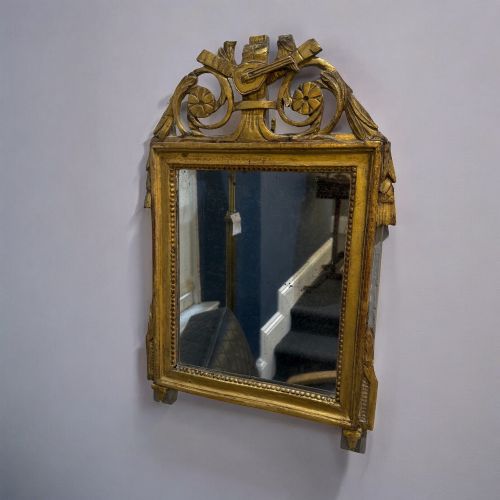
Early 19th Century Carving
Early 19th century carving encompasses sculptural wooden furniture, decorative panels, and classical plaques prized for their distinct period craftsmanship and tactile surface detail.
Early 19th Century Carving
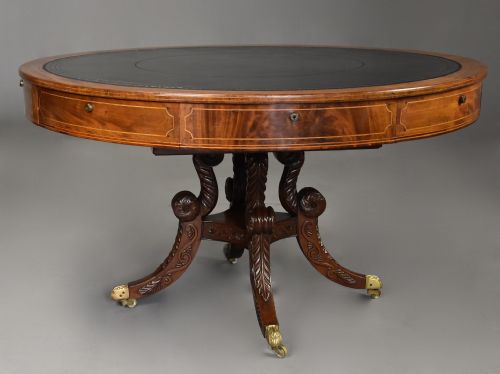
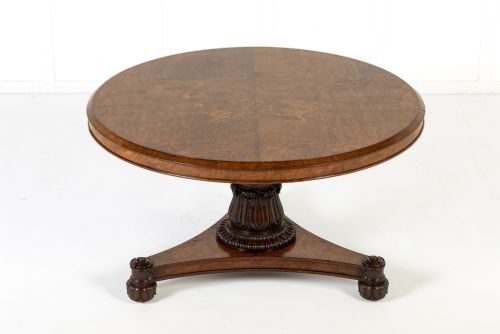
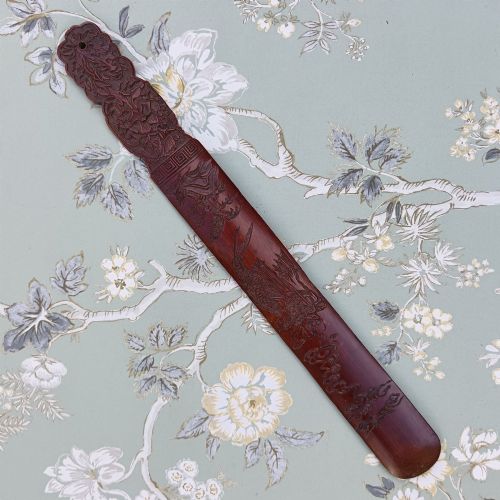
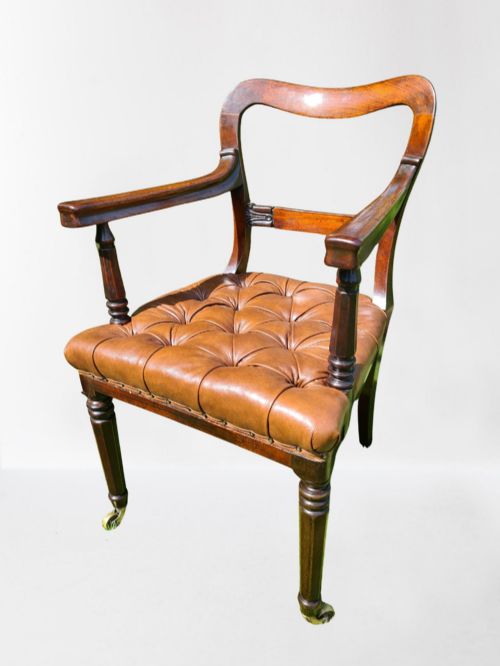
Early 19th century carving brings together utilitarian furniture and purely decorative objects shaped by hand during the Regency and early Victorian eras. A buyer searching this phrase encounters architectural panels, figural groups, seating frames, and mirrors adorned with period motifs.
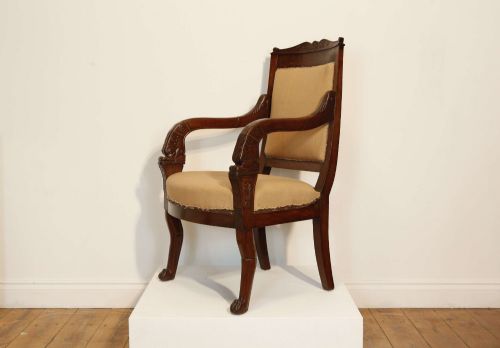
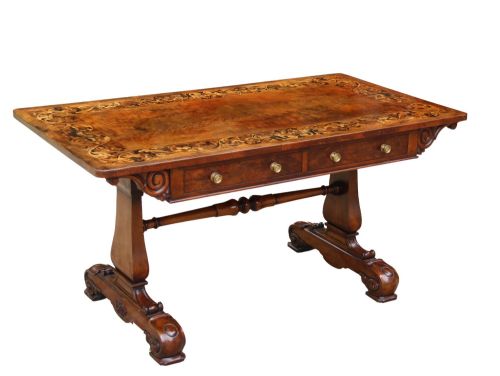
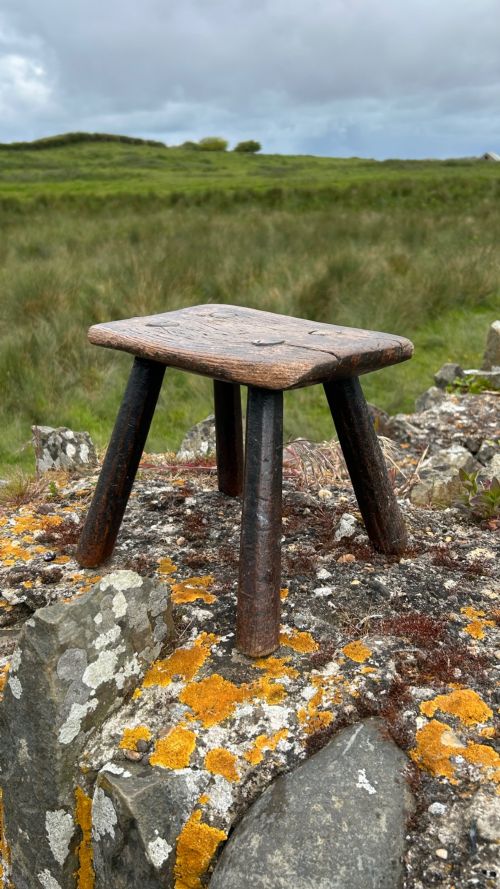
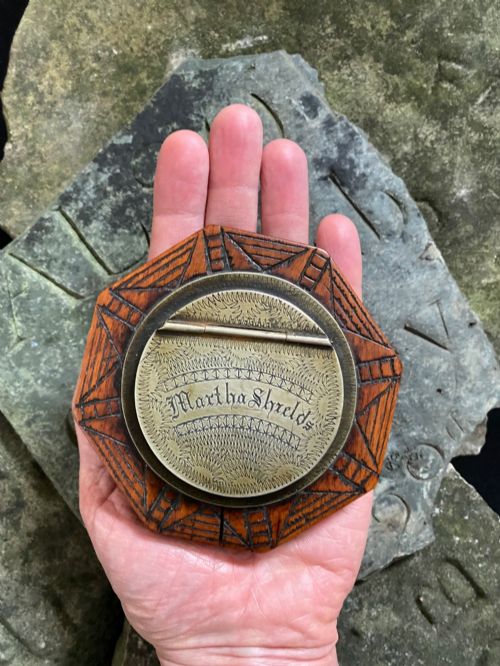
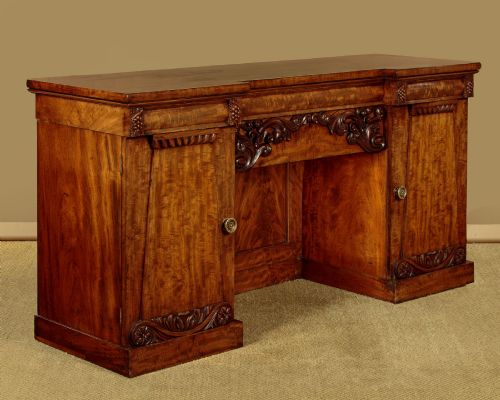
The selection on this page leans heavily toward solid timber forms like oak, mahogany, and fruitwood, alongside gilded gesso wall mirrors and marble sculptures. Pieces range from large window seats and console tables to small treen items and ivory portrait plaques.
Originating across England, France, Italy, and Asia, these items reflect the varied neoclassical, Gothic revival, and regional styles of their respective makers. They serve practical domestic functions while displaying the sculptural ambitions of the period.
Materials and construction techniques
Makers utilised dense native and exotic hardwoods such as oak, mahogany, walnut, and fruitwood, carving them directly to achieve high relief and deep undercut details. Timber selection dictated the sharpness achievable in foliage, heraldic motifs, and figural elements.
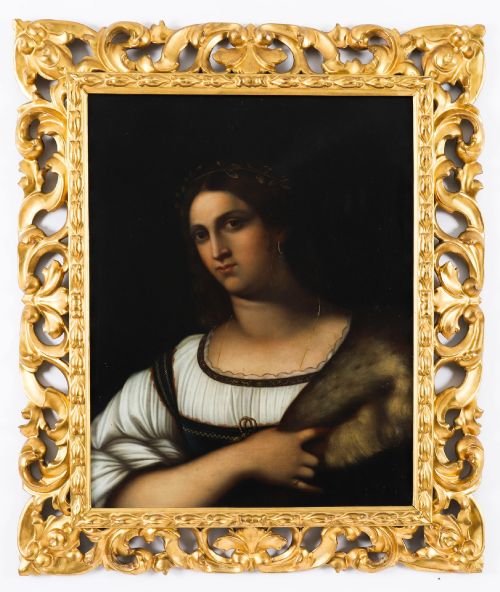
Gilded gesso over wooden frames defined decorative wall mirrors and overmantels, requiring meticulous layering of chalk paste before application of gold leaf. Marble and ivory served for sculptural busts and classical plaques, shaped through chiselling and abrasive polishing.
Early 19th Century Carving Retail Price Guide 2026
Typical asking prices for early 19th century carving among the pieces listed under this phrase on Sellingantiques today, from the lower quarter to the upper quarter. They describe what is for sale here now, not the wider market.
A fisherman's penknife carved entirely from fruitwood into the exact shape of a fish brings a smile to the shelf.
Distinctions in execution and depth
Quality rests in the crispness of the chisel work and the depth of the relief, distinguishing confident hand-carved execution from mechanical or shallow replication. Superior pieces show deliberate undercutting, fluid curves in foliage or drapery, and a clear understanding of human or animal anatomy.
The choice of material and how well it has aged dictate the overall visual weight of an object. Dense timbers that retain sharp edges without splintering, and gilt surfaces that maintain their original burnished warmth, sit at the upper end of the scale.
The Early 19th Century Carving Glossary
- Giltwood
- Timber coated in a thin layer of gold leaf over a prepared gesso ground. This finish catches light in grand interior settings.
- Treen
- Small handmade wooden domestic objects produced from fruitwood and other tight-grained timbers. Items include carved pipes, lidded cups, and knitting sheaths.
- Gesso
- A plaster mixture applied to wooden frames as a smooth base for gilding. It allows intricate moulded or carved ornament to hold a bright metallic finish.
- Apotropaic
- Intended to ward off evil or bad luck. Such protective marks appear on early domestic woodwork and hearth furniture.
- Chiffonier
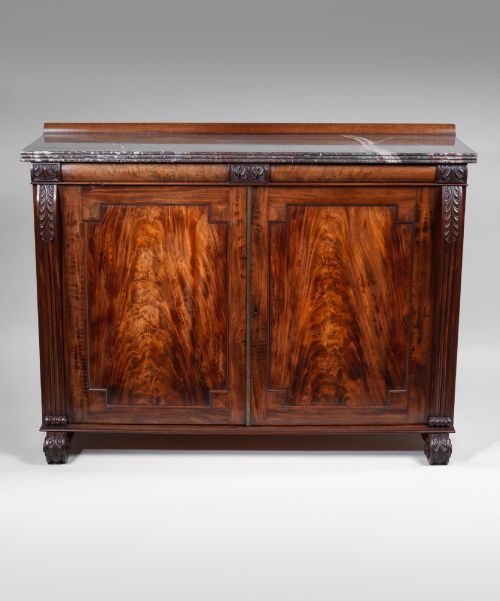
- A low cabinet with shelves or drawers, developed during the Regency and early Victorian periods. They often feature carved pilasters and panel doors.
Early 19th Century Carving: Frequently Asked Questions
How do I identify a Regency carved mirror?
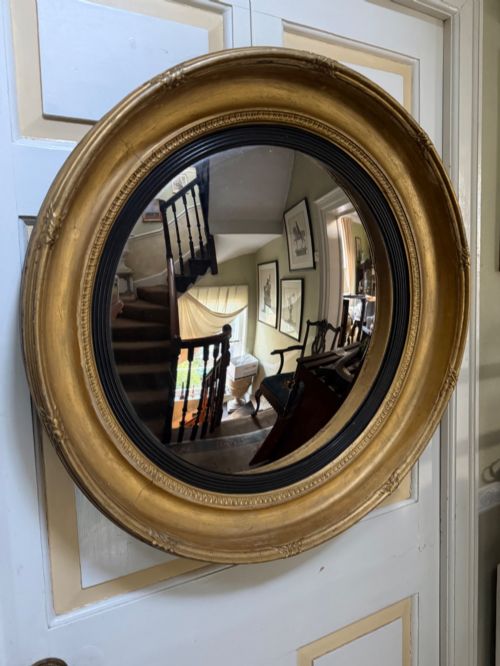
Regency mirrors typically display neoclassical motifs such as ball accents, reeded columns, and eagle surmounts atop circular convex or rectangular giltwood frames.
The carving is usually executed in gesso over wood, exhibiting sharp definition in the classical foliage and bird ornaments characteristic of the early nineteenth century.
What is fruitwood used for in early carvings?
Fruitwoods such as apple, pear, and boxwood provided dense, fine-grained material ideal for small treen objects, inkstands, and intricate domestic implements.
Because these timbers do not splinter easily, artisans could carve delicate punchwork, incised lines, and miniature figural details with precision.
Are these items strictly English in origin?
The listings span multiple regions, including French Charles X consoles, Italian marble figures, Chinese jade and coral carvings, and Spanish Colonial benches alongside English oak furniture.
Each geographic origin brings distinct regional woods, aesthetic preferences, and carving traditions to the broader early nineteenth-century timeline.
How should I care for carved wooden furniture?
Maintain stable indoor humidity levels to prevent timber from splitting and to protect delicate gesso and gilt surfaces from flaking.
Dust gently with a dry, soft cloth and avoid modern silicone polishes, which can build up on the hand-carved recesses over time.