
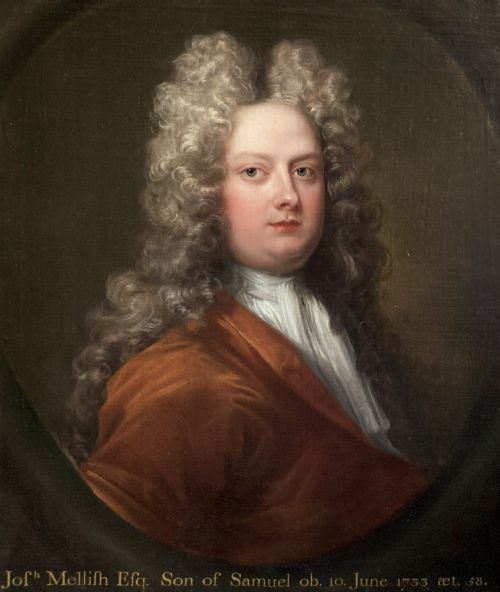
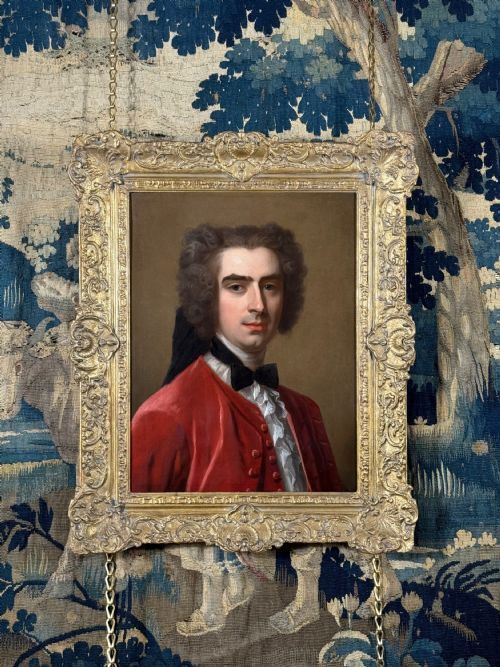
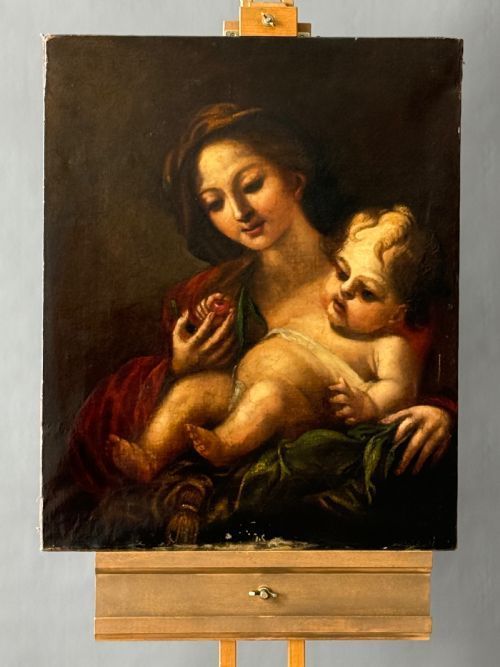
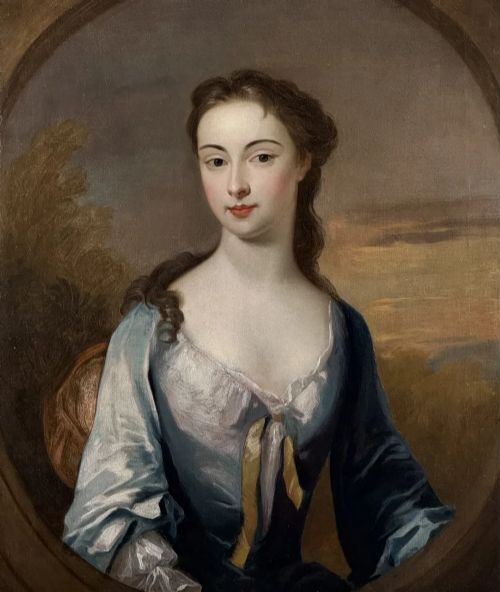

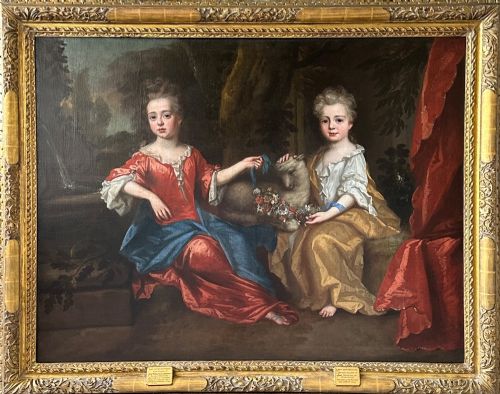
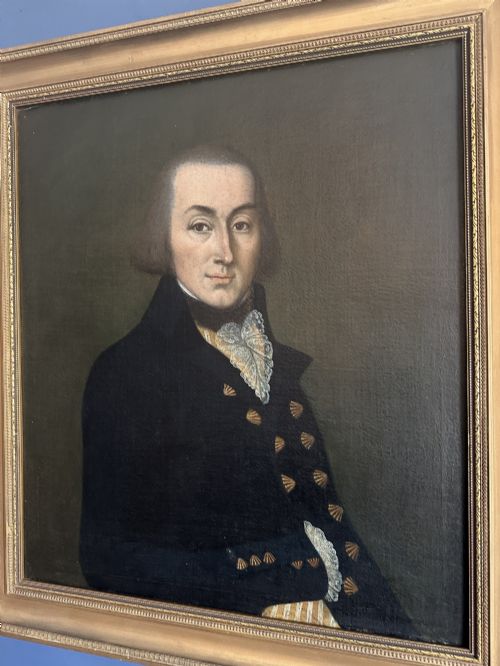

Early 18th Century Oil
Early 18th century oil paintings bring the direct gaze and muted palettes of the Georgian era into a room.
Early 18th Century Oil
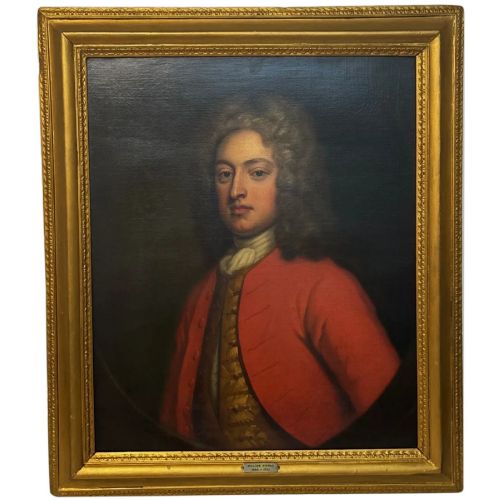
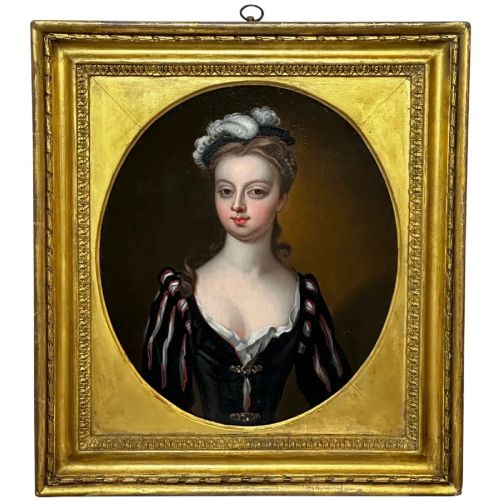
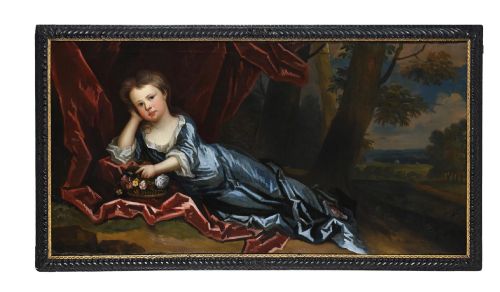
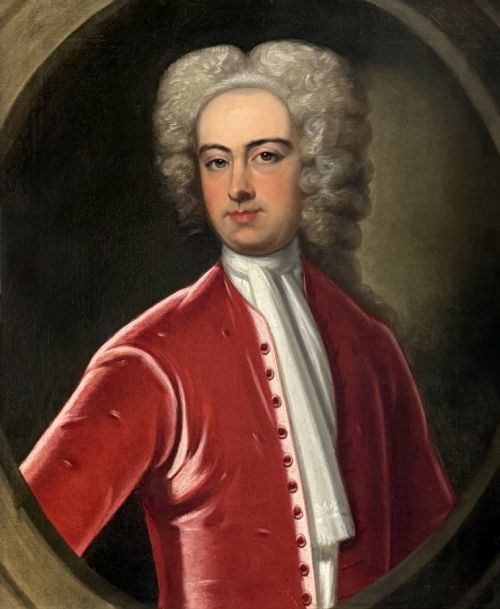
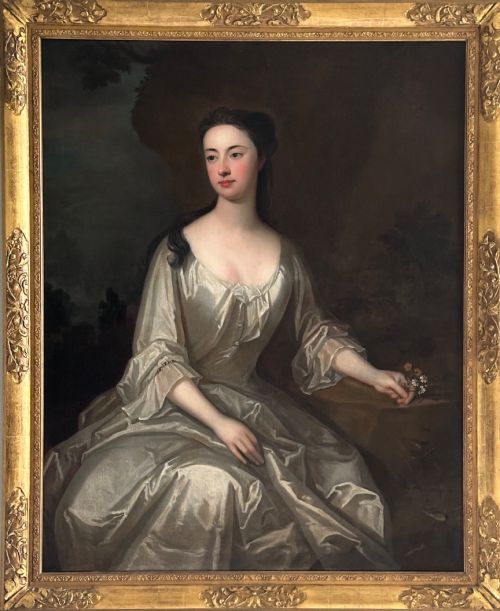
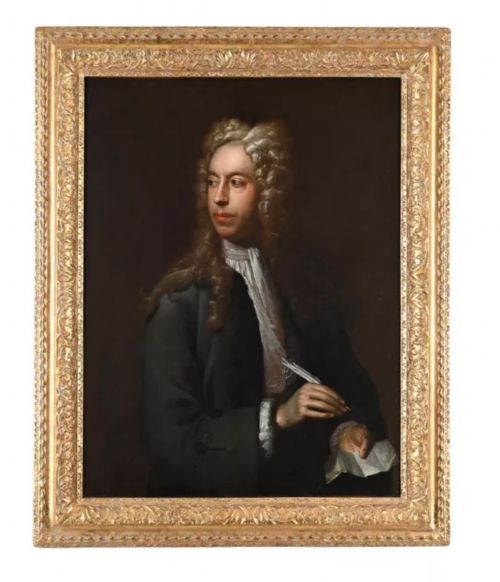
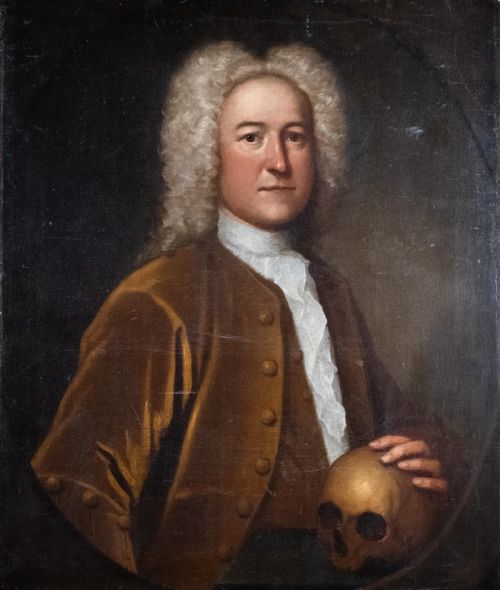
When you search for early 18th century oil, you encounter historical canvases spanning portraiture, landscape, and religious subjects created across Britain and continental Europe. The selection is dominated by oil on canvas portrait paintings depicting sitters in formal garments, alongside occasional genre scenes and Italian old masters.
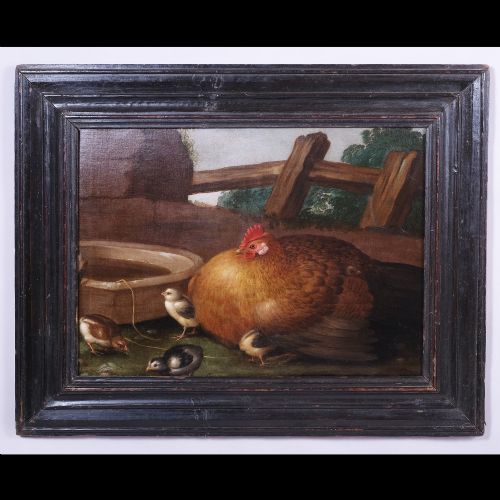
Works originate from various European traditions including English, Flemish, French, and Italian schools. While portraiture forms the core of the available pieces, pastoral landscapes and devotional subjects also appear from the same decades.
How they were made
These works utilise oil paint applied to woven canvas stretched over wooden frames, occasionally supplemented by panels or giltwood surrounds. Artists built up compositions using traditional layering techniques characteristic of European studio practices from the period.
Framing often involves carved gilded wood, which complements the heavy pigments and varnishes characteristic of early 18th century works.
Several portraits preserve the likenesses of long-forgotten family pets, including vigilant greyhounds and faithful farm dogs standing beside their owners.
What varies in quality
Quality rests upon the handling of anatomy, fabric folds, and facial expression by the artist or workshop. Works by named masters or their immediate circle demonstrate superior brushwork and psychological depth compared to anonymous regional school pieces.
The survival of the original surface texture and the preservation of the canvas tension also influence the standing of an individual painting.
Charles Jervas·Jean-Baptiste Van Loo·John Vanderbank·Charles D'Agar·Robert Byng·Adriana Verelst·Michael Dahl·James Maubert·Joseph Highmore·Richard Waitt·Sir Godfrey Kneller·Hans Hysing·Enoch Seeman·Bartholomeus Van Burgindis·James Latham·Thomas Gibson·Jonathan Richardson·George Webster
The Early 18th Century Oil Glossary
- Oil on canvas
- Pigments bound in drying oil applied to a woven fabric support. This technique allowed artists to achieve rich tones and subtle gradations of light.
- Circle of
- A designation indicating the work was produced by an artist closely associated with a master, working in a shared style. It denotes proximity to a major hand without direct attribution.
- Giltwood
- Wood that has been coated with a thin layer of gold leaf or powder. It frequently surrounds canvas works of this period in ornate, carved profiles.
- Old Master
- A term for a European artist of high skill working before about 1800. These painters set the standards for academic composition and technique.
Early 18th Century Oil: Frequently Asked Questions
How do I identify an early 18th century canvas?
Examination of the canvas weave, stretcher construction, and pigment composition helps determine the age of a painting. Stylistic cues in clothing and hair also point to specific decades between 1700 and 1740.
Signatures or inscriptions on the reverse of the stretcher often provide additional clues regarding the artist or sitter's identity.
Where should I hang an antique oil painting?
These works require stable indoor environments away from direct sunlight and excessive humidity. Placing them on interior walls protects the canvas and original pigments from temperature fluctuations.
asegurando proper clearance from heat sources preserves both the canvas and any period giltwood frame.
What is the difference between an artist and their circle?
A painting by a named master is executed by the hand of that specific painter. Works from the circle of an artist are created by contemporaries influenced by that master's style.
Both categories originate from the same workshops and periods, reflecting shared aesthetic values.
How do I care for an oil painting on canvas?
Dust accumulates gently on canvas surfaces over time and requires removal with a soft, dry brush. Professional conservators should handle any deeper cleaning or varnish removal.
Avoiding moisture and harsh cleaning agents preserves the integrity of the oil paint layer.