


Early 18th Century Carving
Early 18th century carving encompasses sculptural figures, architectural elements, and ornamented furniture crafted from timber, stone, and jade during a period of refined design.
Early 18th Century Carving
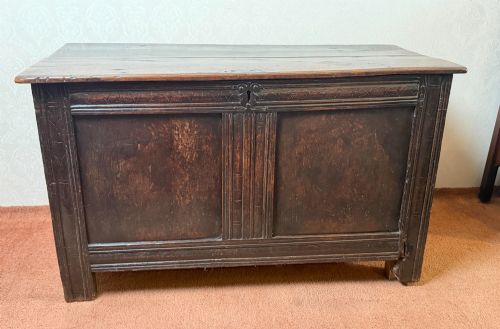
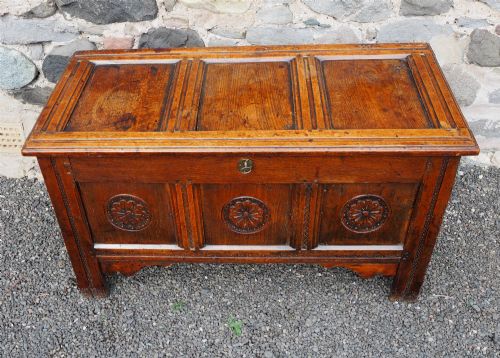
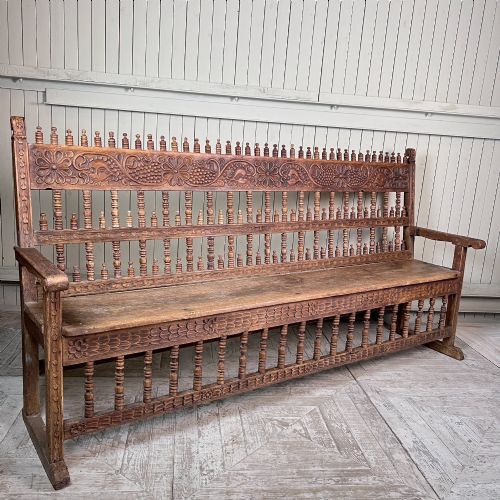
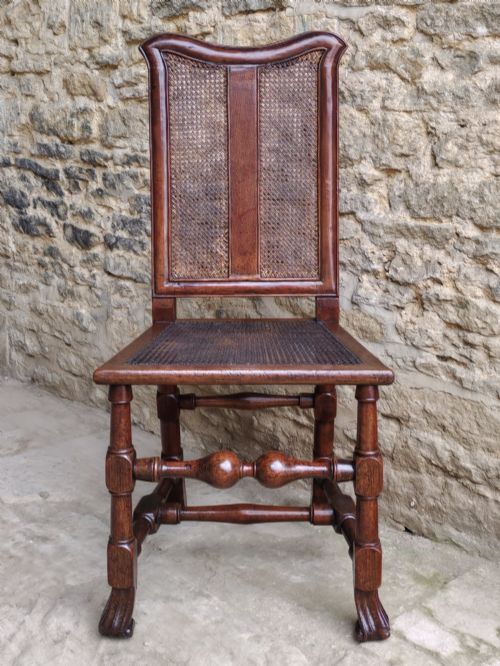
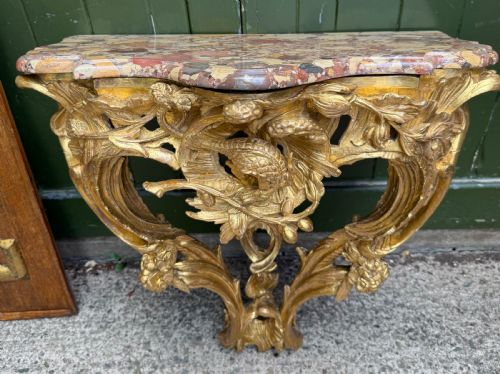
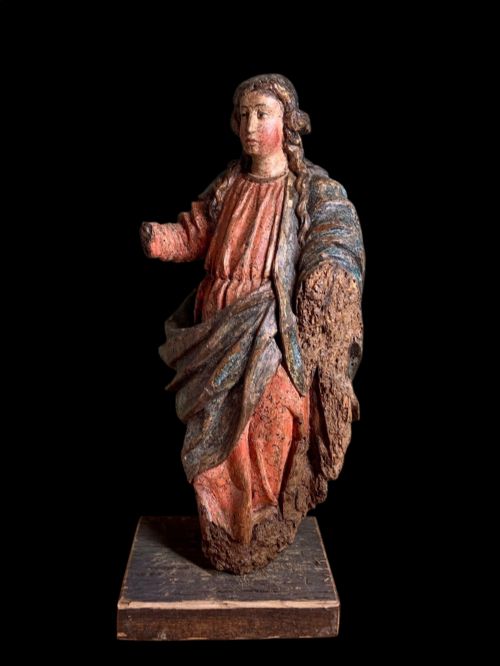
Early 18th century carving appears primarily on structural furniture, small devotional figures, and decorative wall pieces originating across Britain, France, Spain, and Asia. Collectors seeking these items encounter oak coffers, walnut chairs, and giltwood mirrors embellished with hand-tooled surface enrichment.
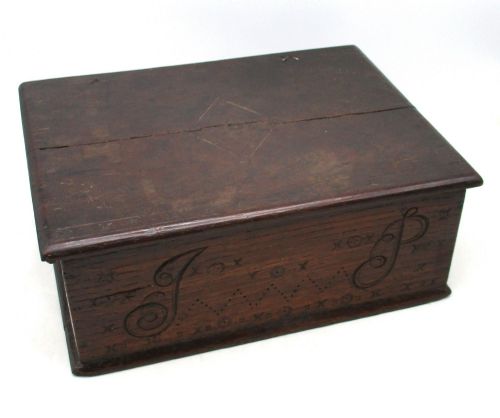
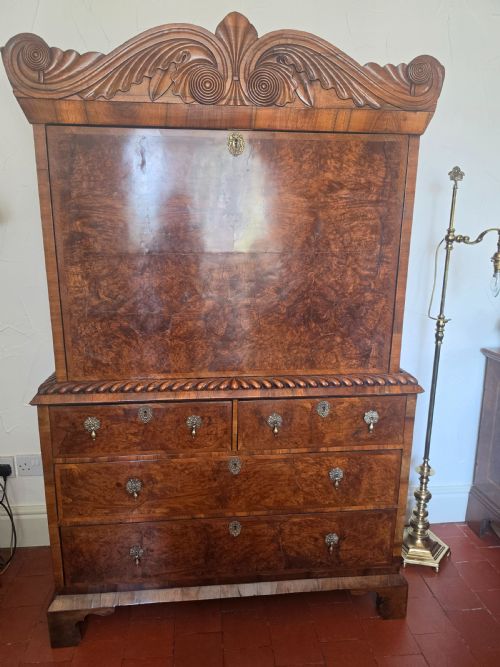
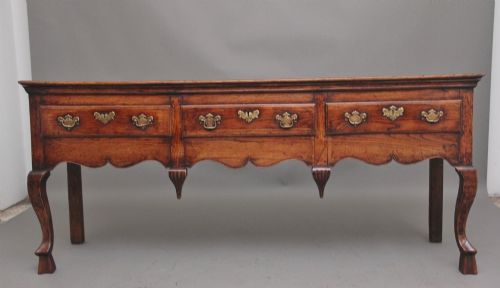
The objects span practical domestic forms such as oak document boxes, dressers, and writing desks alongside purely artistic representations like putti, saints, and mythical beasts. Regional variations reflect distinct local timbers and aesthetic preferences from the Georgian era through to French provincial workshops.
Makers of the period applied chisel and gouge directly to dense hardwoods and softwoods to create relief panels, scrollwork, and freestanding sculptures. These items retain the direct physical evidence of early hand-tool work before mechanised production altered workshop practices.
Materials and construction methods
Oak, walnut, elm, and yew serve as the primary structural timbers for these items, shaped using traditional hand planes, saws, and chisels. Craftsmen selected dense native hardwoods that could accept crisp, deep incisions without fracturing along the grain.
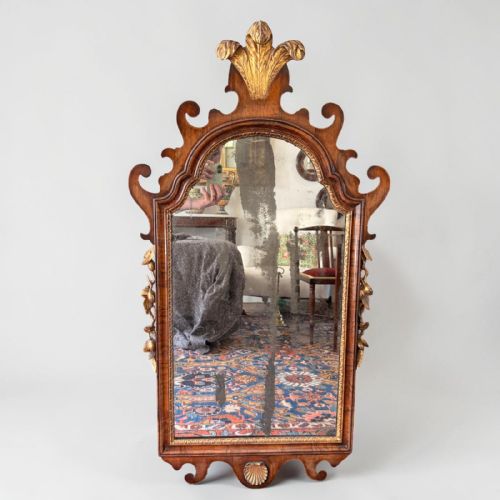
Surface ornamentation frequently incorporates applied gesso, polychrome paint layers, silvering, or mercury glass plates set within carved wooden frames. Specialised pieces combine carved timber with wrought iron mounts, brass hardware, or inlaid jade elements.
Joinery methods rely on mortise and tenon joints secured with wooden pegs, while decorative carvings emerge entirely from solid stock rather than applied mouldings. Carvers utilised specialised gouges to achieve the characteristic depth and undercut profiles seen on panels and mirror frames.
The recorded forms include wall mirrors, side chairs, longcase clocks, coffers, commodes, and figurative sculptures.
Markers of quality
Quality rests upon the crispness of the chisel work and the depth of the relief, where confident, fluid lines distinguish master carvers from naive artisans. The retention of original surface finishes, such as early polychrome paint, untouched gilding, or patinated walnut, preserves the integrity of the piece.
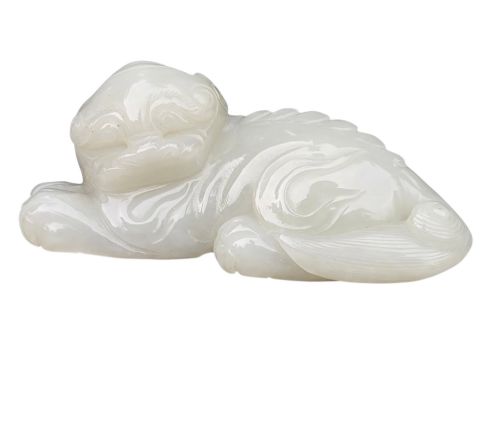
The selection of timber significantly influences the tier of an object, with dense burr elm, finely figured walnut, and unblemished white jade demanding superior raw material handling. Structural balance and the harmonious integration of carved details into the overall form separate accomplished cabinet work from basic utilitarian items.
Jeremiah Davison·Simon Troger
The Early 18th Century Carving Glossary
- Putto
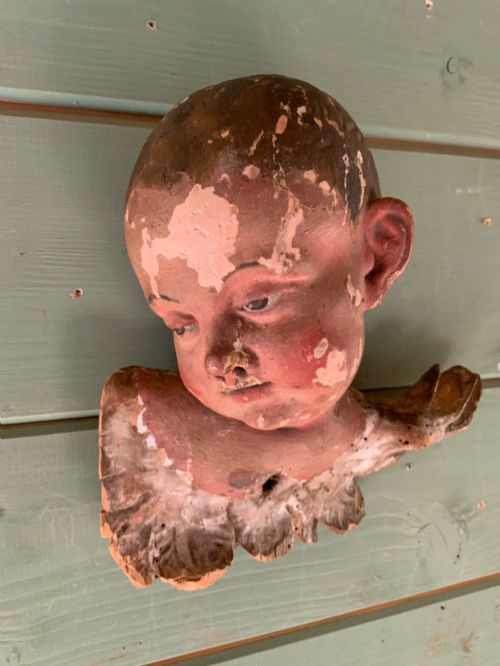
- A representation of a chubby infant, frequently winged, carved in wood or stone during the period. These figures appear frequently as decorative motifs on architectural woodwork and independent sculptures.
- Giltwood
- Timber that has been coated with a thin layer of gold leaf over a prepared gesso ground. This finish provides a reflective, opulent surface characteristic of formal mirrors and console tables.
- Coffer
- A large heavy wooden chest used for storage, often strengthened with iron mounts and decorated with carved front panels. Early examples utilise substantial oak boards joined with pegged mortises.
- Polychrome
- The practice of decorating wooden sculptures or architectural elements with multiple paint colours. Surviving pigment layers offer direct insight into the original appearance of religious and decorative figures.
- Commode
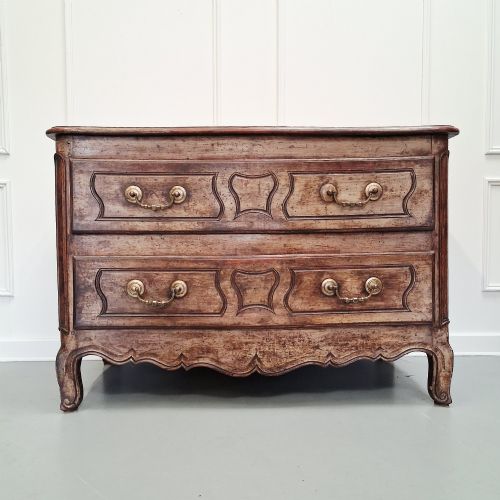
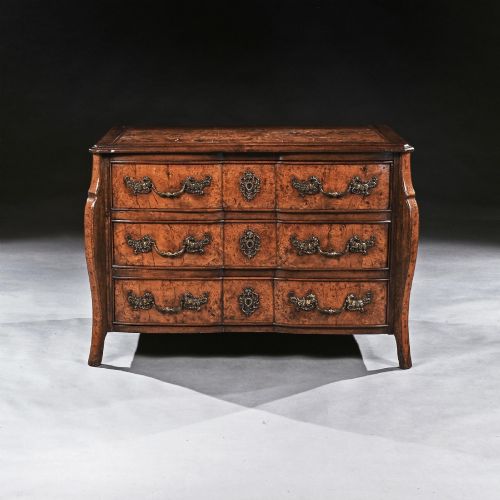
- A low chest of drawers introduced from French workshop traditions, often featuring curved facades and elaborate veneer work. These pieces combine functional storage with decorative surface carving.
- Escritoire
- A tall writing desk fitted with a fall-front flap and internal compartments for papers. These large case pieces demonstrate sophisticated internal joinery alongside exterior carved details.
Early 18th Century Carving: Frequently Asked Questions
How do I identify early 18th century oak?
Early 18th century oak displays distinctive medullary rays, visible as silver flecks or flecked figuring across the timber surface. This slow-grown British or European timber carries deep patination developed through centuries of handling and wax polishing.
Makers of this era joined boards using handmade iron nails or wooden pegs rather than modern screws. The weight and density of the wood typically exceed those of later reproduction furniture.
Where were carved figures placed?
Carved wooden figures of putti, saints, or animals served as devotional objects in private chapels or as architectural ornaments within wealthy domestic interiors. Many smaller carvings originated as components of larger altarpieces, furniture cornices, or cabinet doors.
Religious sculptures often retain traces of original polychrome paint or gesso layers applied prior to installation. Secular animal figures and toy horses functioned as decorative ornaments on table surfaces.
What is a mercury mirror plate?
A mercury mirror plate refers to early glass manufacturing where a tin and mercury amalgam was applied to the rear of the glass sheet. This process creates a slightly uneven, warm reflective quality distinct from modern aluminium-backed mirrors.
These delicate plates are typically held within carved giltwood or walnut frames secured by original wooden backs. Bubbles and minor distortions within the glass surface confirm the early production date.
How should I clean carved wooden surfaces?
Carved wooden surfaces require gentle dusting with a soft, dry natural bristle brush to remove debris from deep crevices and undercuts. Avoid using modern chemical polishes, wet cloths, or silicone sprays that can penetrate porous historic timbers and soften old wax.
Occasional application of microcrystalline wax helps protect exposed walnut or oak grain without altering the dry historic patina. Maintaining stable indoor humidity prevents timber shrinkage and subsequent splitting of carved panels.