

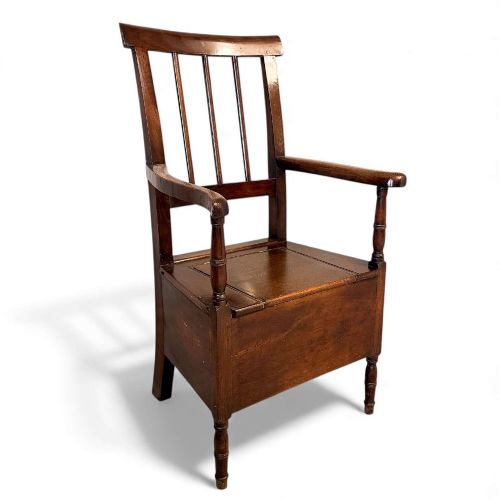
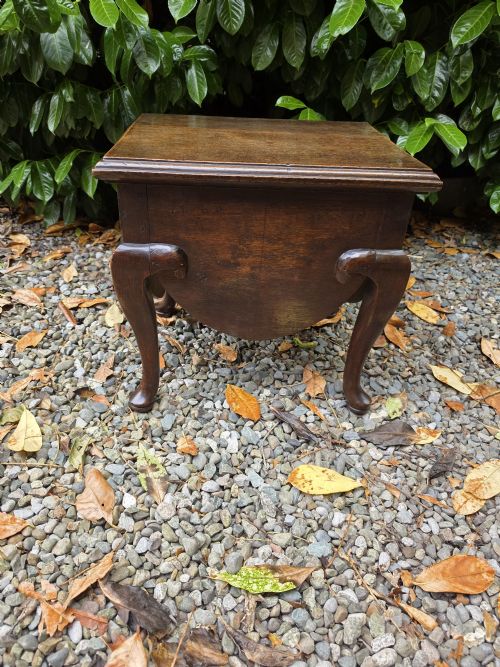
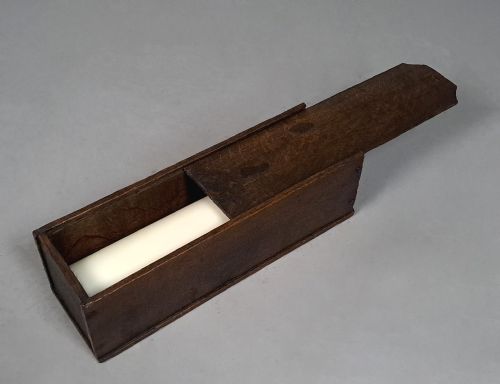


Early 18th Century Box
An early 18th century box holds documents, spice, or currency, offering tactile connection to Georgian domestic life.
Early 18th Century Box
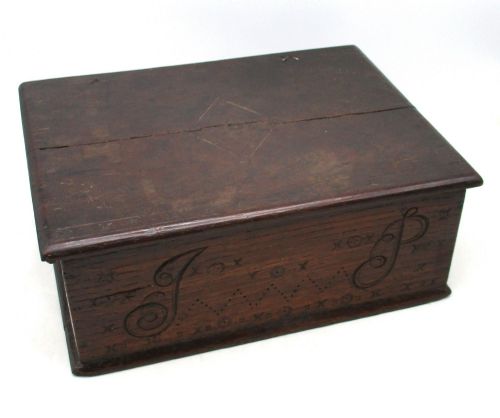
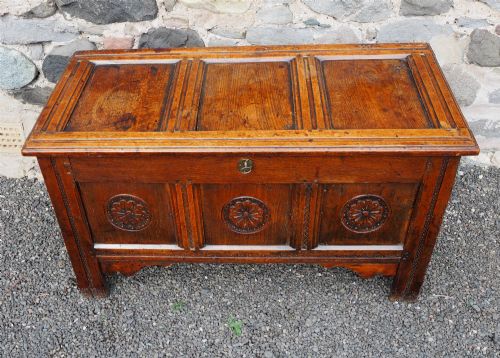
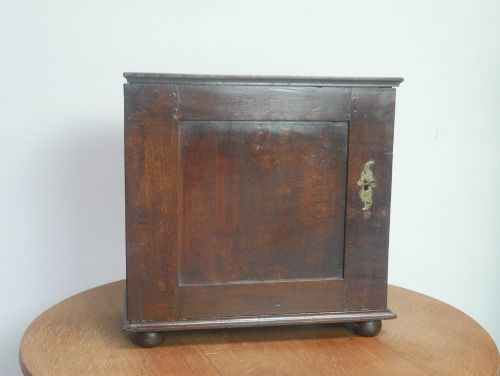
When you search for an early 18th century box, you encounter small personal caskets alongside larger oak coffers and deed chests. The items on this page span table-top spice cupboards, Bible boxes, and dressing table mirrors fitted with storage compartments.
Most surviving pieces originate from English and Welsh workshops, though continental examples in walnut, brass, and iron appear frequently. These receptacles served practical purposes in domestic and estate administration before evolving into decorative collectors' items.
Materials and Construction
Joiners relied heavily on native oak and walnut, constructing panels with pegged mortise and tenon joints designed to accommodate seasonal wood movement. Surfaces often display hand-carved decoration, oyster-veneered geometric patterns, or japanned finishes applied over softer woods like pine.
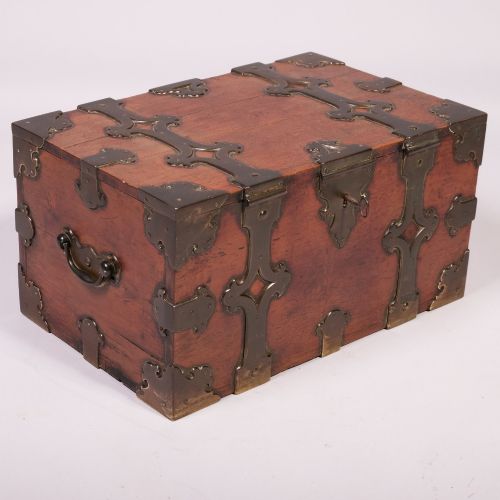
Hardware played a functional role in construction, utilising heavy brass hinges, iron locks, and studded leather or deer skin coverings. Metalwork on these pieces includes engraved brass mounts and reinforced iron strapping for strongboxes.
Some past boxes double as miniature chests of drawers or footwear-shaped snuff containers.
Evaluating the Pieces
Quality rests upon the integrity of the timber and the crispness of the original carved or veneered surfaces. Pieces retaining their uncompromised drawer linings, original brass furniture, and undisturbed surface patination stand apart from heavily restored equivalents.
The sophistication of the joinery and the restraint of the decoration dictate the hierarchy of these objects. Simpler country-made items contrast with sophisticated urban walnut cabinets that demonstrate advanced cabinet-making techniques of the period.
Pietro Bracci·Deme Joman
The Early 18th Century Box Glossary
- Coffer
- A large wooden chest traditionally used for storing valuables, linens, or documents. These sturdy containers often feature hinged lids and raised panel construction.
- Bible box
- A sloping-lidded desktop container originally designed to house household religious texts and writing materials. Many sit upon matching stands or tables.
- Oyster veneer
- Slices of branch wood cut transversely to produce circular or oval patterns resembling oyster shells. Cabinet-makers arranged these meticulously across walnut surfaces during the early Georgian era.
- Japanning
- A European imitation of East Asian lacquerwork created using resin varnishes and metallic dust. Artisans built up layers to produce glossy, decorated surfaces on cabinets and boxes.
- Spice cupboard
- A small wall-hung or table-top cabinet enclosing numerous tiny internal drawers. They kept valuable culinary seasonings secure in wealthy households.
Early 18th Century Box: Frequently Asked Questions
What were early 18th century boxes used for?
These containers served specific domestic administrative roles, safeguarding family Bibles, legal deeds, correspondence, and precious commodities like tea or spices. Wealthier households utilised small caskets for jewellery and tobacco.
Larger variations functioned as portable desks or rent boxes fitted with coin slots and multiple locks for estate management. Their sturdy construction ensured valuable items remained secure from theft and dampness.
How do I care for an antique wooden box?
Maintain stable indoor humidity and temperature levels to prevent the timber and veneer from splitting or warping. Keep the box away from direct sunlight and radiators.
Apply occasional applications of traditional beeswax polish to nourish the antique surface finish. Avoid modern liquid cleaners that strip away historic wax build-up and patination.
How can I tell the period of a wooden box?
Examine the construction methods visible on the interior and underside, looking for hand-cut dovetails, pit-sawn boards, and pegged joints. Iron and brass hardware should show appropriate hand-forging techniques rather than modern machine stamping.
Wood selection offers another chronological indicator, as native oak dominated the earlier decades before walnut and mahogany gained prominence. Tool marks left by adzes and saws help confirm the period of manufacture.
Did these boxes travel with their owners?
Many smaller caskets, writing boxes, and deed chests were constructed for travel on horseback or in carriages. Iron strongboxes and brass-mounted camphor chests were built robustly to endure maritime journeys.
Document boxes featured recessed carrying handles to facilitate movement between rooms or different properties. Their heavy locks provided necessary security whilst away from permanent residences.