





Early 17th Century Art
Early 17th century art brings enduring historical presence into a room through oil paintings, tapestries, maps, and carved woodwork.
Early 17th Century Art
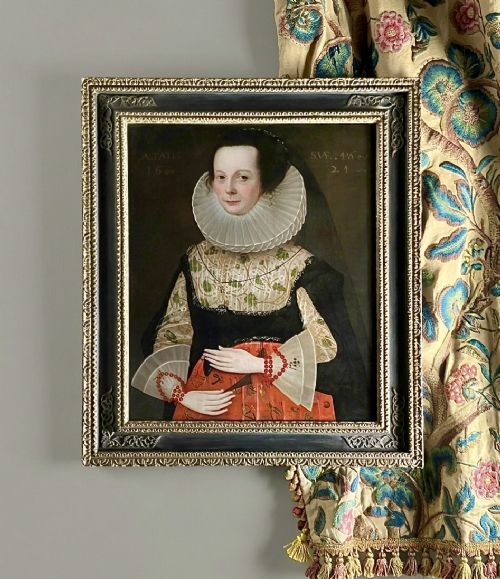
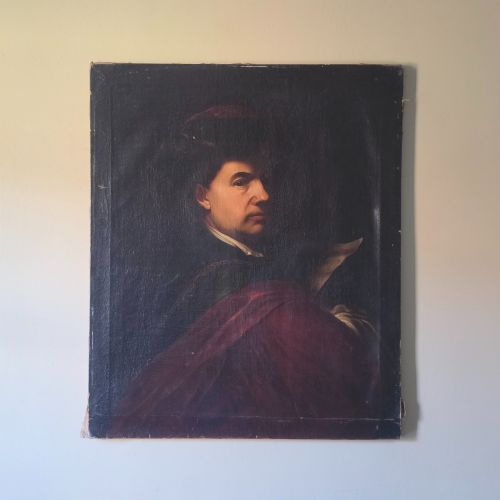
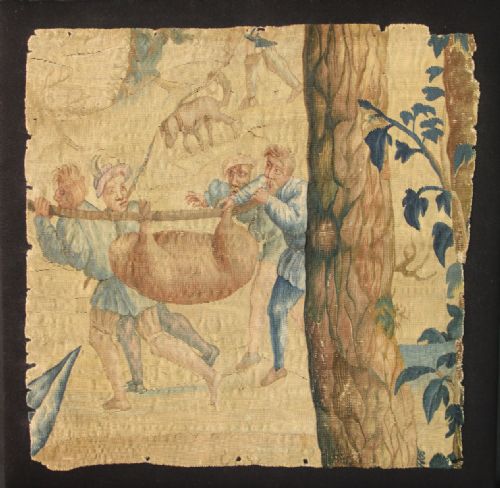
Early 17th century art encompasses diverse works including oil paintings, tapestries, maps, needlework, and carved wood objects from European workshops. Buyers exploring early 17th century art encounter portraits of ladies, gentlemen, and composers alongside religious scenes and game park tapestries.
The material forms range from Flemish tapestry fragments and band samplers to Dutch cartography and English oak panels. These pieces reflect the aesthetic priorities of the Renaissance, Jacobean, Stuart, and Baroque periods across England, Flanders, Germany, and the Netherlands.
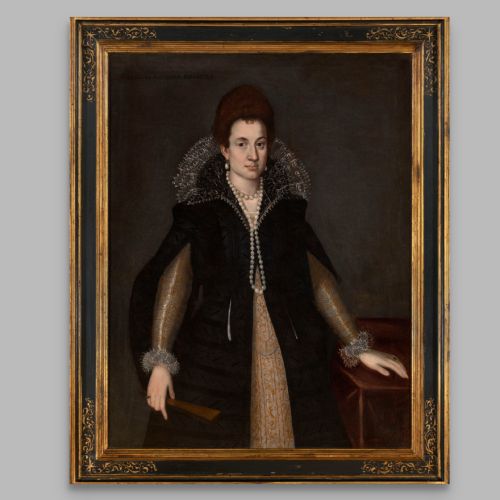
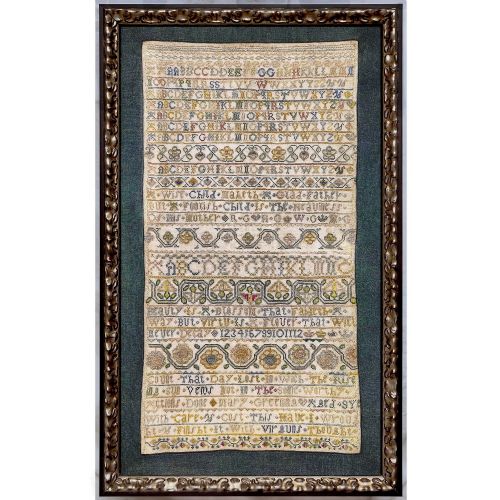
Oil paintings on canvas and panel dominate the selection, frequently depicting subjects in ruffs or formal attire. Alongside these, textile arts such as needlework and tapestry cushion covers demonstrate domestic and decorative output from the era.
Assessing quality and execution
Material preservation distinguishes masterworks from secondary pieces, particularly in textiles where wool and silk retain their original dyed palette. Crispness in chip-carved oak and clarity in engraved map lines further elevate an object's execution.
Attribution and documentation play a role in distinguishing workshop output, with works linked to specific schools or named painters carrying distinct artistic weight. The integrity of the ground material, whether canvas, panel, or linen, underpins the longevity of the piece.
Early 17th Century Art Retail Price Guide 2026
Typical asking prices for early 17th century art among the pieces listed under this phrase on Sellingantiques today, from the lower quarter to the upper quarter. They describe what is for sale here now, not the wider market.
Materials represented in current works include oil on canvas, woven wool and silk, chip-carved oak, and antique paper maps.
Pietro Fachetti·Johannes Janssonius
The Early 17th Century Art Glossary
- Baroque
- A style of European architecture, music, and art of the 17th and 18th centuries that followed Mannerism and is characterised by ornate detail. It appears in dynamic oil paintings and rich Flemish textiles.
- Ruff
- A projected starched collar worn by men and women in the European Renaissance and Baroque periods. This circular pleated garment helps date portraits securely to the early decades of the 17th century.
- Band sampler
- A narrow piece of linen embroidered with various stitch patterns and alphabets. These textiles demonstrate the needlework skill of makers from the period.
- Mangle board
- A carved wooden board used with a roller to smooth linen and clothes. Dutch examples often feature chip carving and specific dates.
- Cartography
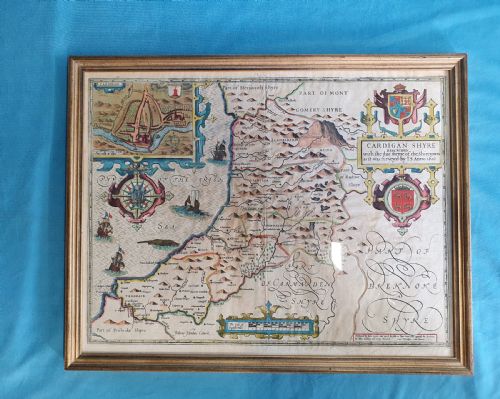
- The science or practice of drawing maps, such as engraved maps of Bohemia or Cardiganshire from the early 17th century. These works combine geographical record with decorative framing.
Early 17th Century Art: Frequently Asked Questions
What subjects appear in early 17th century paintings?
Portraits of individuals make up a significant portion of the painted works, often depicting ladies, gentlemen wearing ruffs, and composers. Religious subjects and school-attributed compositions also feature in the selection.
Artists captured these figures with formal gravity, reflecting the cultural priorities of the period across English, Dutch, and Italian traditions.
How were tapestries used during this period?
Large tapestries provided insulation and decoration for stone walls in grand houses and game parks. Smaller textile pieces served as cushion covers or domestic furnishings.
These woven wool and silk items brought colour and texture into daily living spaces while displaying intricate landscape and figural designs.
How do you identify a 17th century map?
Early 17th century maps typically feature hand-coloured engraved cartography on paper, often bearing contemporary Latin text and decorative cartouches. Makers like Johannes Janssonius produced regional maps dated within this era.
Framed examples display the distinctive paper texture and plate marks associated with early printing techniques.
What is a chip carved mangle board?
A mangle board is a carved wooden domestic implement used alongside a wooden roller to press linens smooth. Dutch examples from the mid-17th century often feature detailed chip carving and specific production dates.
These functional objects doubled as betrothal gifts, displaying intricate geometric and figurative carving on sturdy oak.