

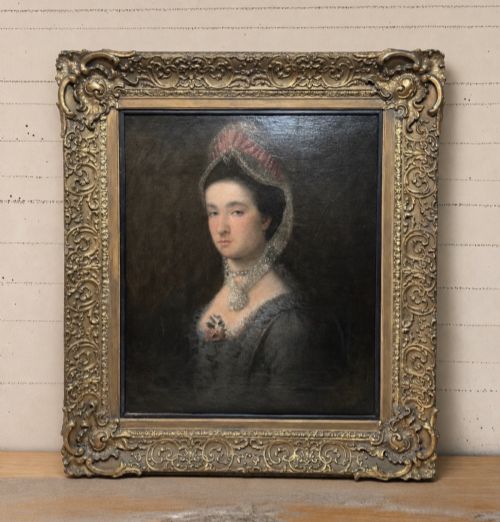
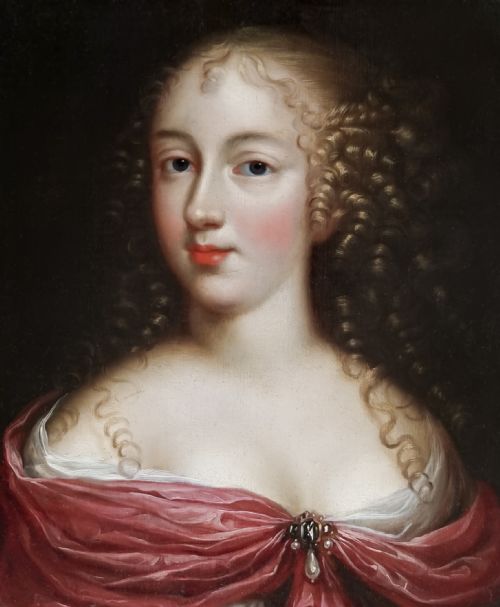
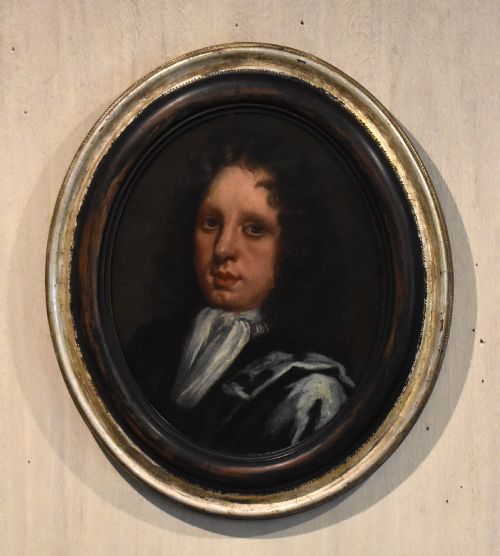
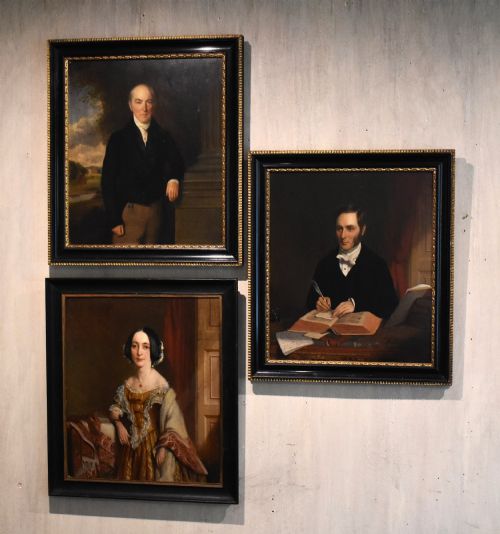
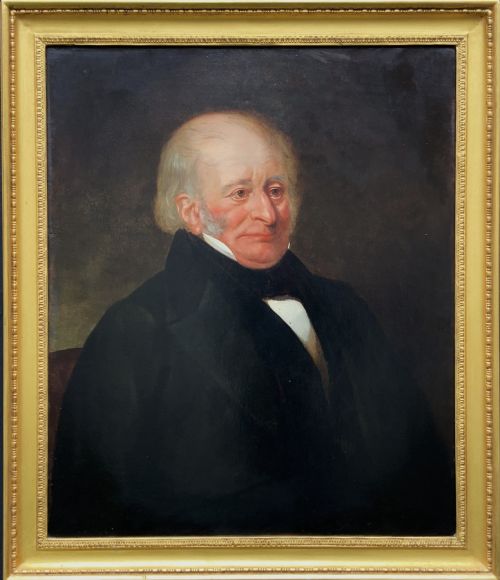
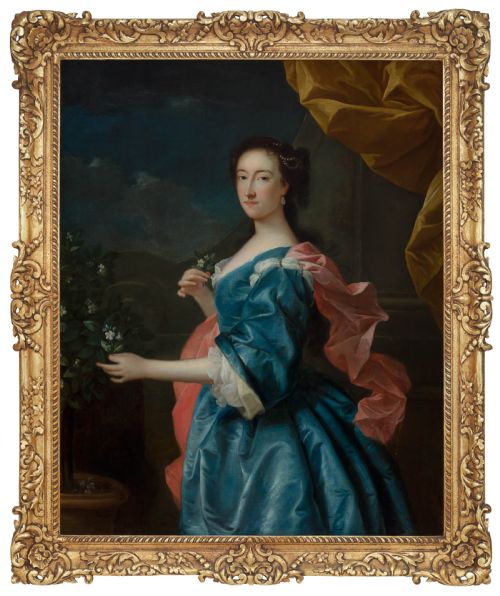
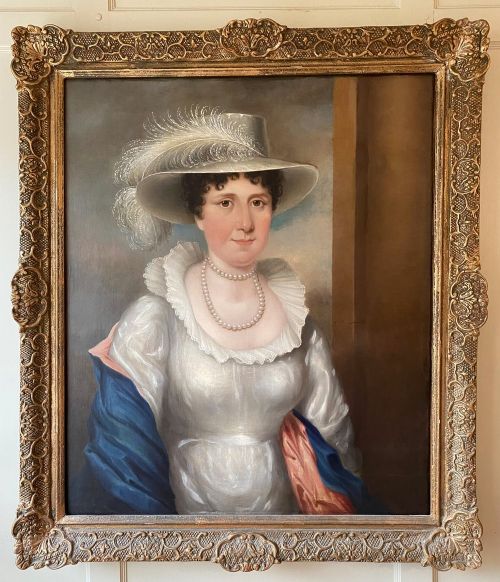
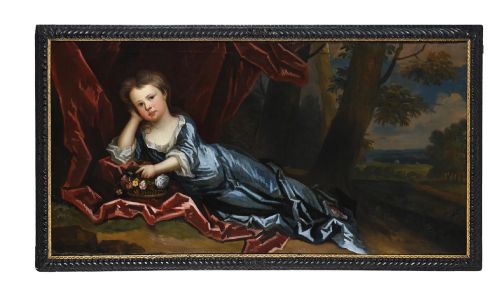
Fine Portrait Oil Painting
A fine portrait oil painting captures the likeness of a sitter through pigment applied directly to canvas or wood.
Fine Portrait Oil Painting
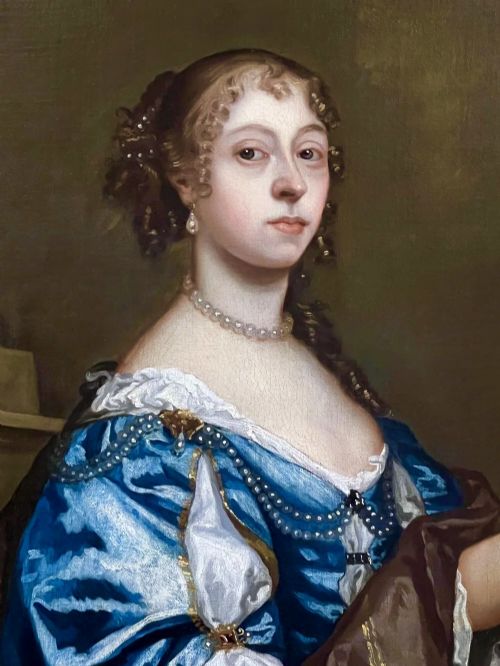
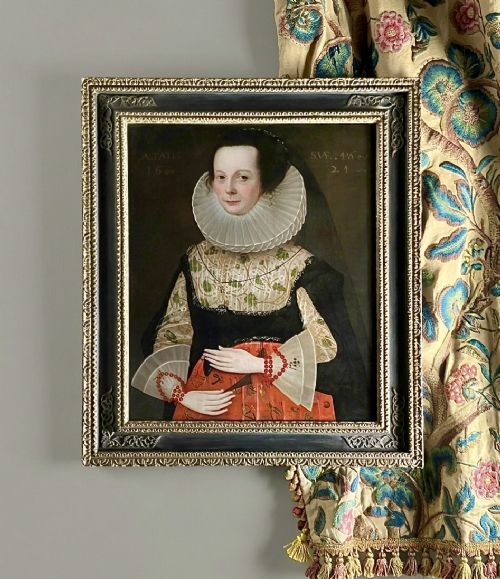
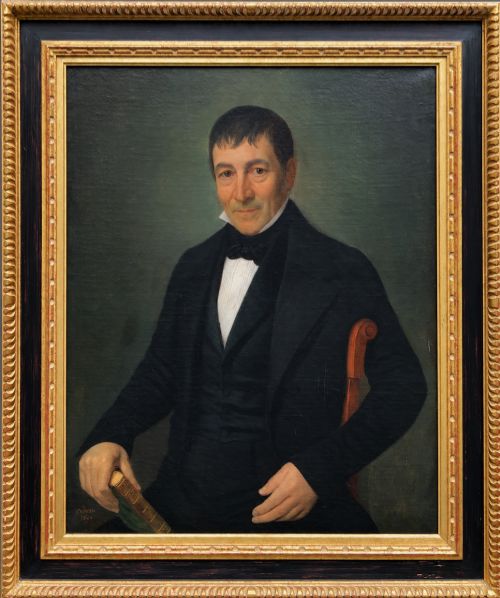
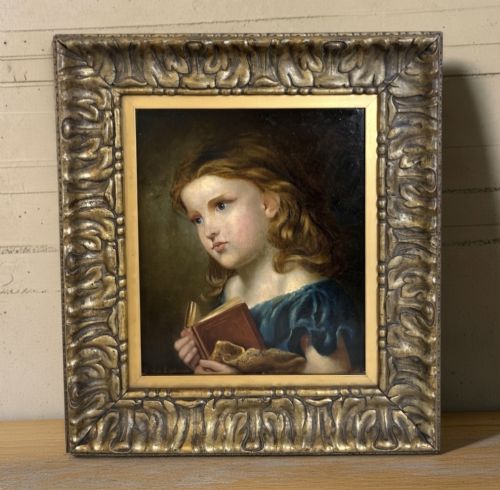
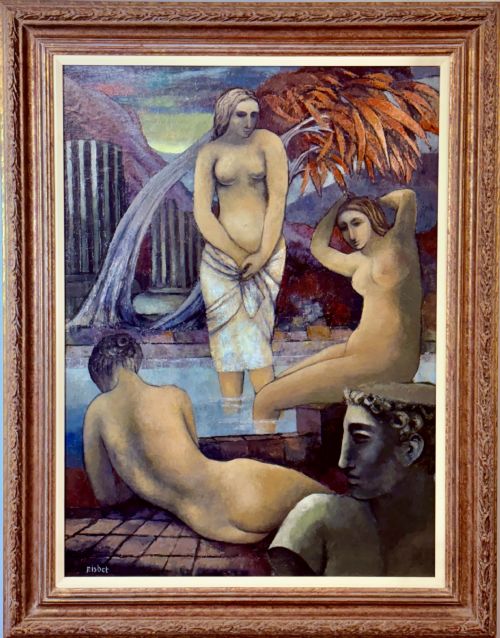
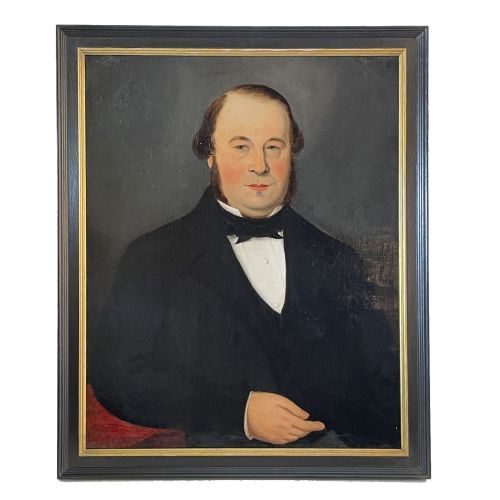
A fine portrait oil painting represents an individual sitter, ranging from aristocratic figures in armour to children and animals depicted across centuries. These works record personal history, social standing, and likeness through the skilled hand of named artists or regional schools.
The versions most commonly met on this page span the seventeenth, eighteenth, and nineteenth centuries, alongside later examples from the twentieth century. Canvases appear both unframed and within period giltwood surrounds, presenting subjects either as single figures or in double portraits.
Materials and Technique
Pigments mixed with oil are applied to woven canvas stretched over wooden frames, or directly onto prepared wood panels. This medium allows artists to blend tones smoothly and build translucent layers of colour known as glazes.
Many historical examples are housed in frames constructed from wood and finished with gold leaf or giltwood. The combination of oil paint on canvas secured within these decorative surrounds forms the standard physical structure of the works.
Fine Portrait Oil Painting Retail Price Guide 2026
Typical asking prices for fine portrait oil painting among the pieces listed under this phrase on Sellingantiques today, from the lower quarter to the upper quarter. They describe what is for sale here now, not the wider market.
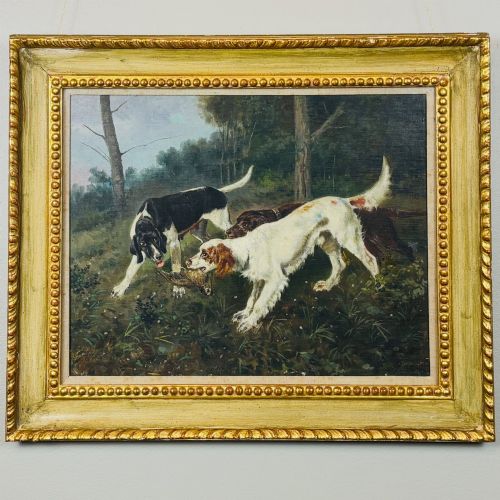
Several canine sitters appear alongside their human counterparts, including hunting dogs with prey and Persian cats sharing the canvas.
Judging Quality
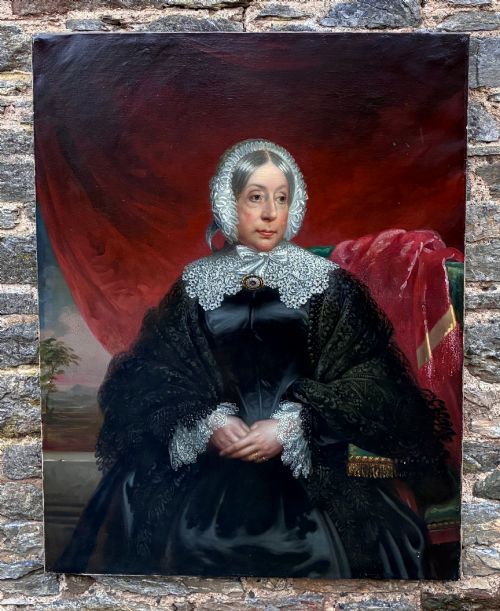
Quality rests upon the anatomical accuracy of the hands and face, the depth achieved in clothing fabrics such as velvet or lace, and the psychological presence conveyed by the sitter's expression. Master painters capture light across skin and textiles with distinct conviction.
The handling of the background elements and the preservation of the original paint surface also divide works. Pieces retaining their early stretchers and untouched pigment layers demonstrate greater integrity than those with extensive later overpainting.
Pieter Borsseler·René Cadeau·George Tomlinson·Erskine Nicol·Sir Godfrey Kneller·Anna Tonelli·Emily Eyres·Louis Reid Deuchars·Wright Barker·Joseph Vivienne·Thomas Murray·Thomas Hudson·Joseph Highmore·Cornelius Johnson·Francis Lindo·Charles Skinner·Agnes Augusta Talboys·Charles Jervas·Michael Dahl
The Fine Portrait Oil Painting Glossary
- Canvas
- A heavy woven fabric, typically linen or hemp, stretched across a wooden frame to serve as a support for oil painting.
- Giltwood
- Wood carved and coated with a thin layer of gold leaf or gold paint, frequently used for traditional picture frames.
- School
- A group of artists working in a particular region or following the style of a master, often used in attributions when a specific individual is unknown.
- Periwig
- A voluminous artificial hairstyle worn by men in the seventeenth and eighteenth centuries, frequently seen in formal portraits from that era.
- Attributed to
- A term used by dealers and scholars to indicate that a work is likely by a named artist based on stylistic evidence, though lacking definitive documentation.
Fine Portrait Oil Painting: Frequently Asked Questions
How do I identify the period of a portrait?
Clothing, hairstyles, and framing styles provide the clearest indicators for dating an artwork. Lace collars, wigs, and specific civilian or military attire generally correspond to the fashion of the sitter's lifetime.
Paint preparation and the stretcher construction at the reverse of the canvas offer further physical clues to the century of creation.
Where should I hang an oil portrait?
These works require stable indoor environments away from direct sunlight and excessive humidity. Walls with moderate, consistent ambient light allow the dark tones and glazed colours to remain visible without risking pigment degradation.
Placement should also consider eye level so the viewer can properly engage with the subject's gaze and facial expression.
What does 'after' an artist mean?
This designation indicates that the painting is a later copy executed by an unknown hand after an original composition by the named master. Such works were frequently produced as study pieces or to record famous portraits.
They reflect the enduring popularity of the primary composition rather than originating from the artist's own studio.
How are antique oil paintings cleaned?
Surface dust is gently removed with a soft, dry brush by specialists. Varnish layers that have darkened over decades are preserved or carefully reduced by professional conservators to restore original colour harmonies.
Attempting domestic cleaning without expert training risks removing the delicate top layers of the artist's pigment.