

Black Gilt Framed Painting
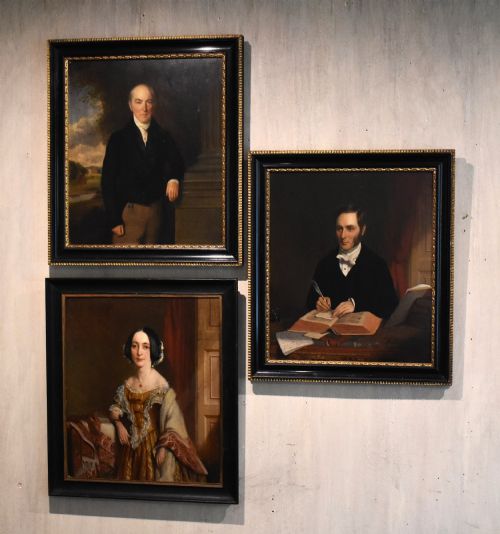
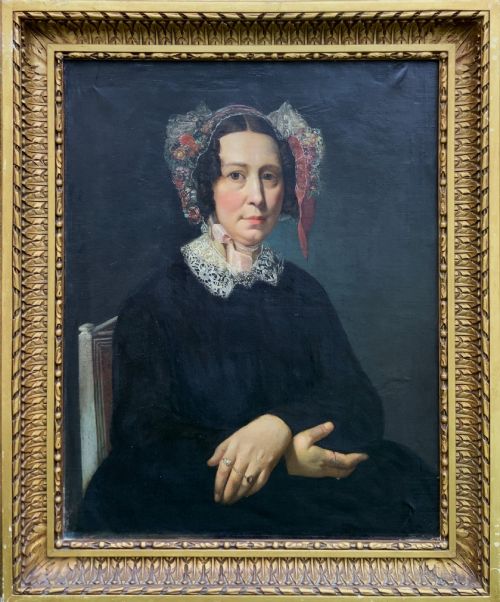
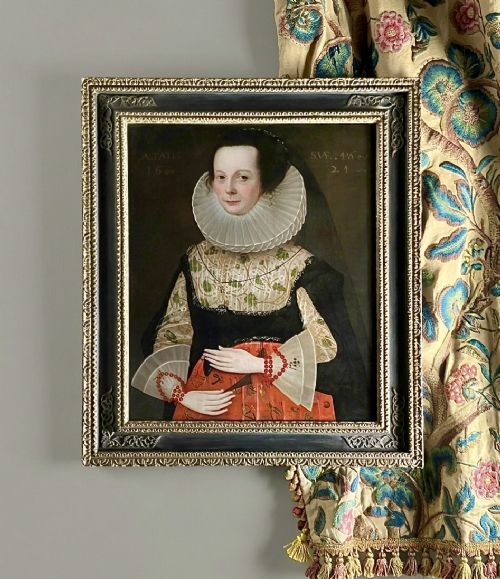
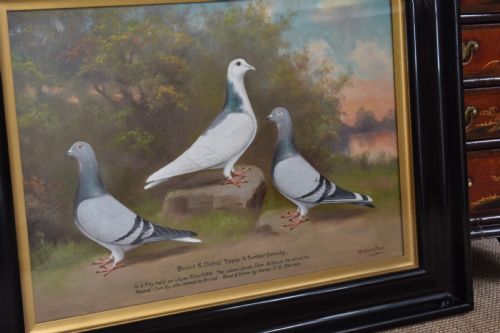
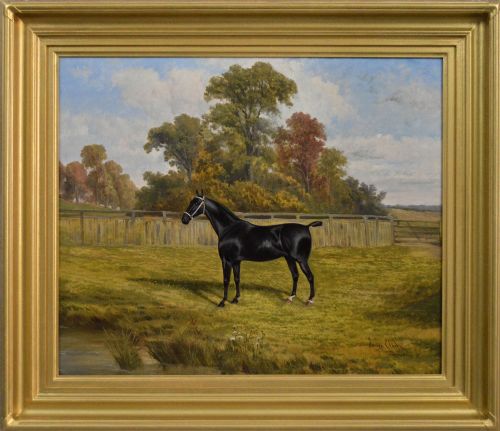
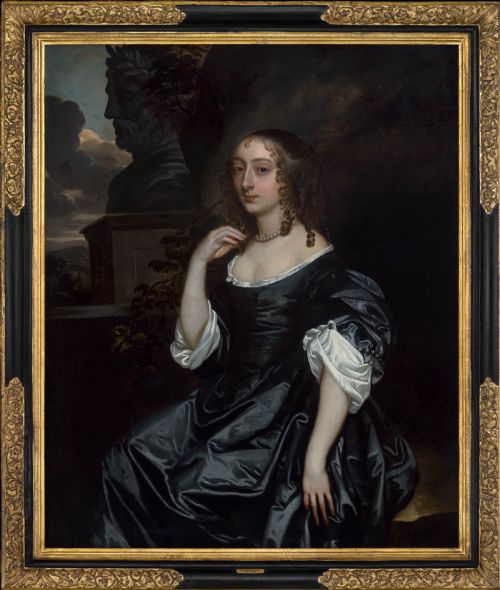
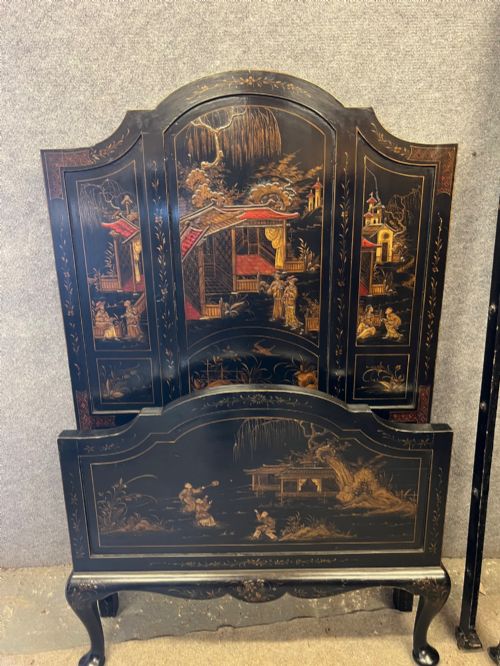
A black gilt framed painting brings together dark painted timber and gleaming gold leaf to hold centuries of portraiture and landscape.
Black Gilt Framed Painting
A black gilt framed painting encompasses centuries of artistry, stretching from the seventeenth century through the Victorian era and into the early twentieth century.
The objects span oil on canvas, oil on copper, watercolours, and panel works, often housed within ebonised and parcel gilt surrounds.
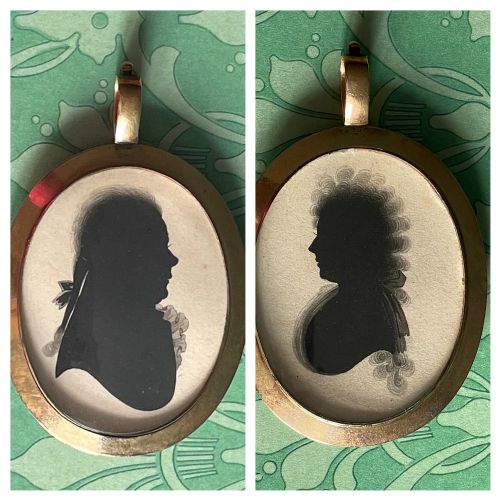
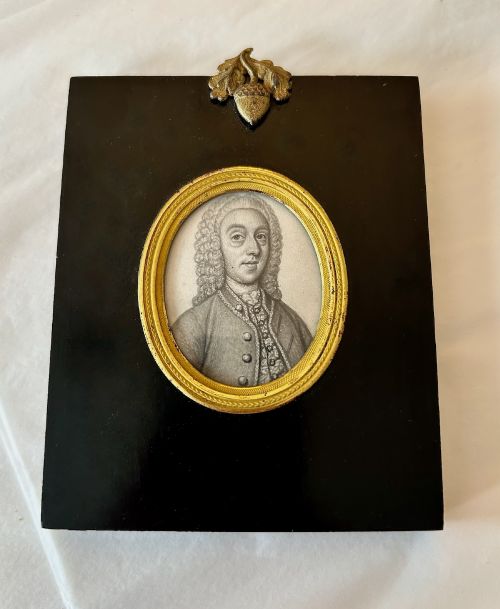
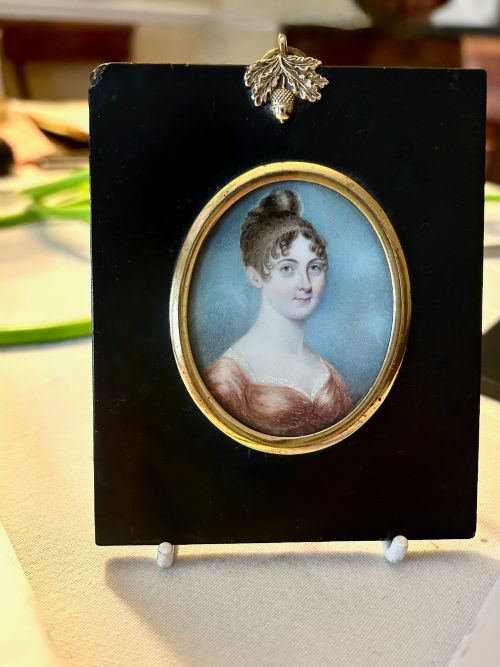
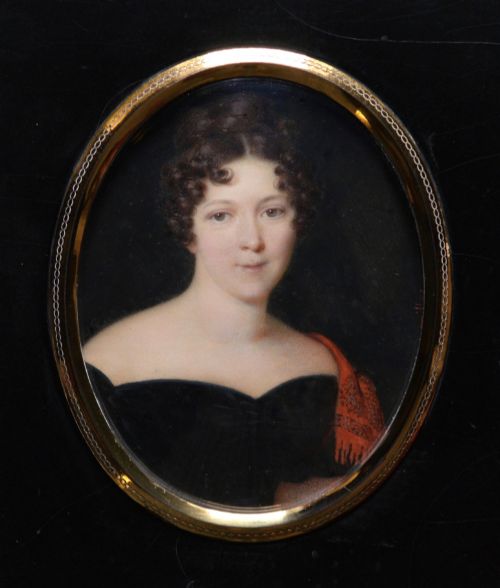
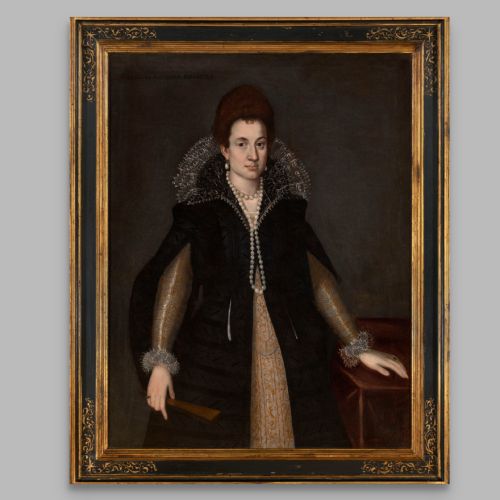
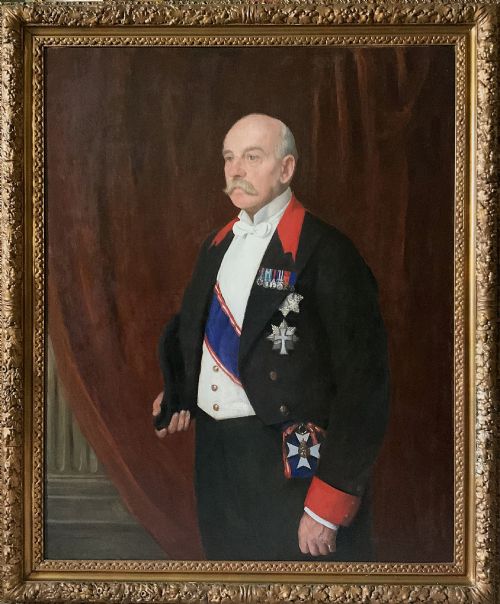
Portraiture dominates the selection, ranging from detailed depictions of ladies and gentlemen to animal studies and miniatures.
Materials and Construction
Makers utilised wood, glass, and paper as substrates for oils, watercolours, and silhouettes.
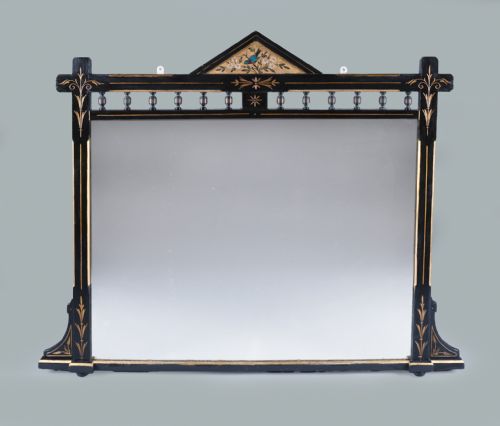
Gold leaf and gesso were applied to ebonised wood to create the distinct dark and metallic framing seen across these works.
Black Gilt Framed Painting Retail Price Guide 2026
Typical asking prices for black gilt framed painting among the pieces listed under this phrase on Sellingantiques today, from the lower quarter to the upper quarter. They describe what is for sale here now, not the wider market.
Listings span periods from the 17th century to the 1920s, employing glass, wood, brass, and oil on canvas.
Assessing the Work
The fineness of the brushwork in the central artwork and the crispness of the gilt detailing on the dark frame define the upper tier of these pieces.
Depth is added by the preservation of original ebonised surfaces and the hand-applied gold leaf rather than later overpainting.
James Albert Clark·Houghton and Bruce·Andrew Beer·Sir Peter Lely·James Ferguson·B A Howe·John Frederick Herring Senior·William Barraud·Raoul Millais·Richard Phillips·Alfred Darbyshire·John Miers·Sir Edwin Landseer
The Black Gilt Framed Painting Glossary
- Ebonised Wood
- Timber treated to resemble ebony, providing a deep black finish commonly found on nineteenth-century frames.
- Parcel Gilt
- A decorative technique where only specific portions of an object, such as frame mouldings, are gilded with gold leaf.
- Oil on Canvas
- Pigment bound in a drying oil applied to stretched fabric, a medium central to many historical portrait paintings.
- Gesso
- A plaster-like mixture applied to wood surfaces to prepare them for gilding and painting.
Black Gilt Framed Painting: Frequently Asked Questions
How do I date a black gilt framed painting?
Dating relies on examining the construction of the frame, the backing materials, and the pigments used in the artwork itself.
Changes in wood preparation and framing styles from the seventeenth century to the Victorian period offer clear chronological clues.
What subjects appear in these works?
Human portraits dominate the offerings, including historical figures, ladies, gentlemen, and children.
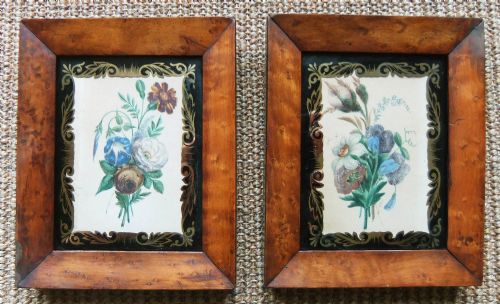
Animal portraits, particularly dogs and horses in landscapes, also feature prominently alongside silhouettes and botanical studies.
How were these frames constructed?
Frames were typically built from wood, treated with an ebonising process to achieve a dark finish, and accented with gold leaf.
Gesso was often applied beneath the gold leaf to create raised decorative details.
Where should I hang a framed oil painting?
These pieces suit principal rooms where traditional decor allows the dark wood and gold leaf to stand out against the wall.
Direct sunlight and damp environments should be avoided to protect both the canvas and the gilded frame.