


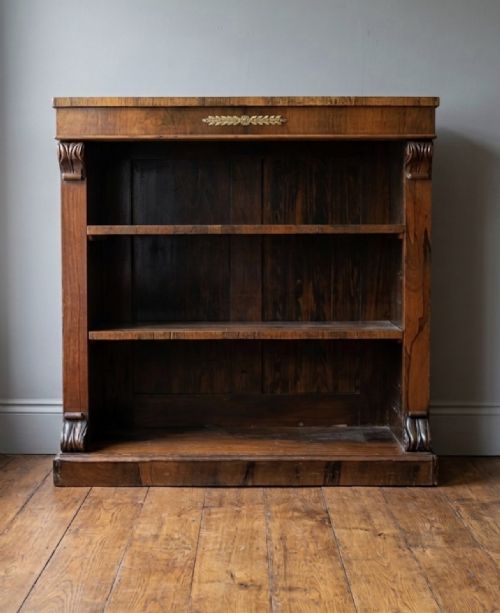


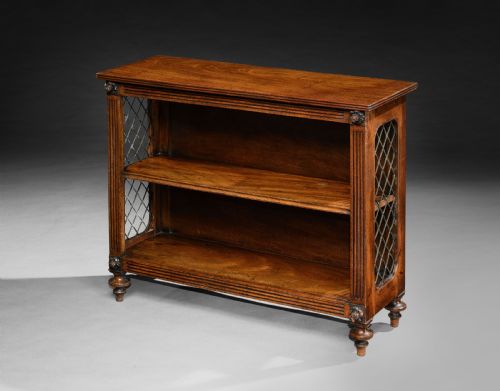


Dwarf Open Bookcase
A dwarf open bookcase provides low-level display and accessible shelving for libraries and sitting rooms.
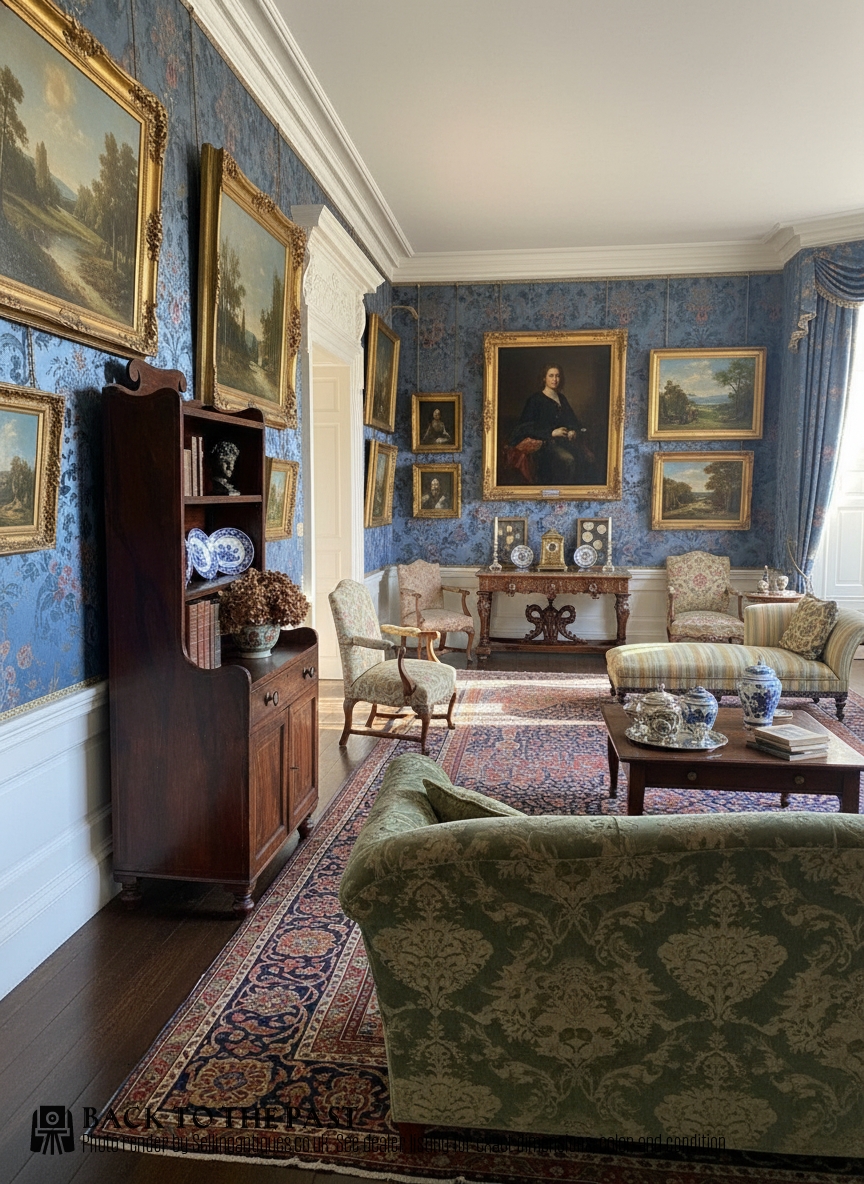
Dwarf Open Bookcase
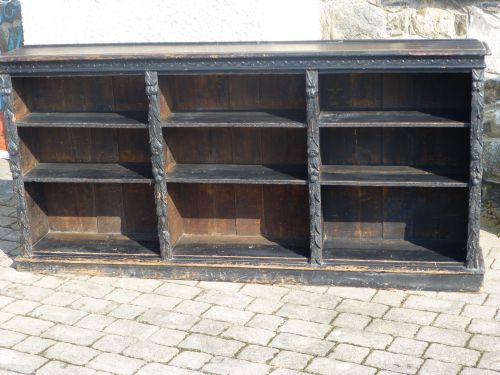
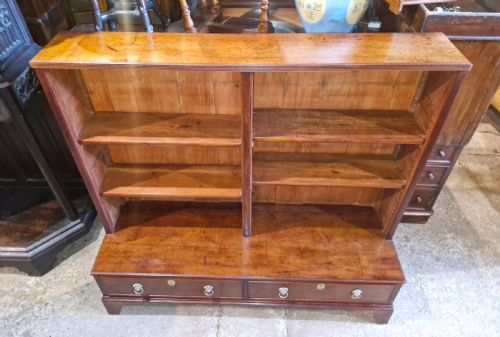
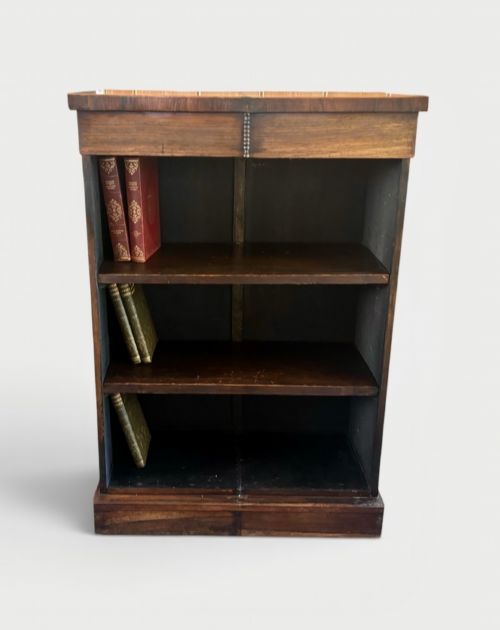
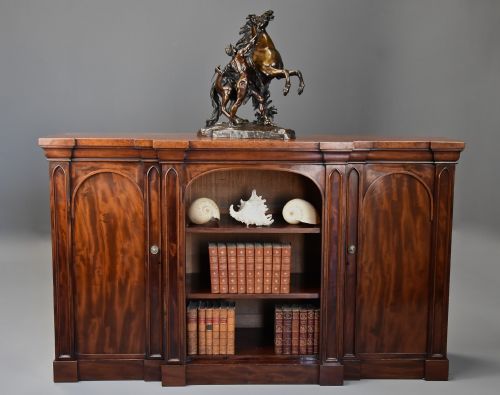
A dwarf open bookcase is a low timber shelving unit designed to sit beneath dado height, keeping books within arm's reach without dominating the wall space of a room. You will frequently meet mahogany and rosewood examples originating from the Regency and Victorian periods, often taking simple rectangular forms or more ambitious breakfront configurations.
Many of these low pieces incorporate adjustable shelves or side cupboards, while others take the form of specialised waterfall designs with graduated tiers for smaller volumes. Walnut, oak, and exotic timbers such as goncalo alves also appear across the selection, reflecting the evolving tastes of nineteenth-century cabinet makers.
How they were made
Timbers like mahogany, rosewood, and walnut form the primary structural carcasses, frequently utilised as fine veneers over stable secondary woods to create richly figured surfaces. Workshops employed traditional joinery techniques alongside decorative embellishments such as brass inlay, ormolu mounts, and carved details including green man motifs or Gothic influences.
Surface finishing ranged from polished grains to original grained painted treatments, while some specialised designs integrated contrasting marble tops or fabric-backed interiors to elevate the visual weight of the piece.
Listings feature mahogany, rosewood, and walnut timbers spanning the Georgian, Regency, and Victorian periods.
What varies in quality
The degree of refinement in the timber selection and veneer matching defines the baseline distinction between standard and superior pieces. Figures in the wood grain, from bold flame mahogany to richly swirled rosewood and goncalo alves, dictate the visual presence of the furniture.
The sophistication of the secondary detailing marks the upper tier of execution, seen in crisp brass inlay, finely chased ormolu mounts, and architectural breakfront proportions. Integral elements such as working adjustable shelf mechanisms and robust structural joinery further separate simpler utilitarian items from grander library furnishings.
Shoolbred and Co·Gillows
The Dwarf Open Bookcase Glossary
- Breakfront
- A cabinet design where the central section projects forward from the flanking wings. This architectural arrangement creates depth and shadow across the front elevation.
- Goncalo Alves
- A dense exotic hardwood prized for its striking contrasting grain patterns. It imparts a highly decorative and dramatic finish to nineteenth-century cabinet work.
- Waterfall bookcase
- A shelving unit featuring graduated tiers that step back as they rise. This form typically accommodates smaller volumes near the top.
- Ormolu
- Gilded bronze applied as decorative mounts onto furniture surfaces. It adds metallic contrast to dark cabinet timbers.
- Ebonised
- Timber treated with a dark finish to imitate ebony. This technique gained popularity during the nineteenth century for accentuating carved details.
Dwarf Open Bookcase: Frequently Asked Questions
What is a dwarf open bookcase?
A dwarf open bookcase is a low-standing piece of furniture designed to hold books without doors enclosing the shelves. These units typically sit below window or picture rail height.
Cabinet makers produced them in various timbers throughout the Georgian, Regency, and Victorian eras for use in studies, libraries, and drawing rooms.
How do I style a low bookcase?
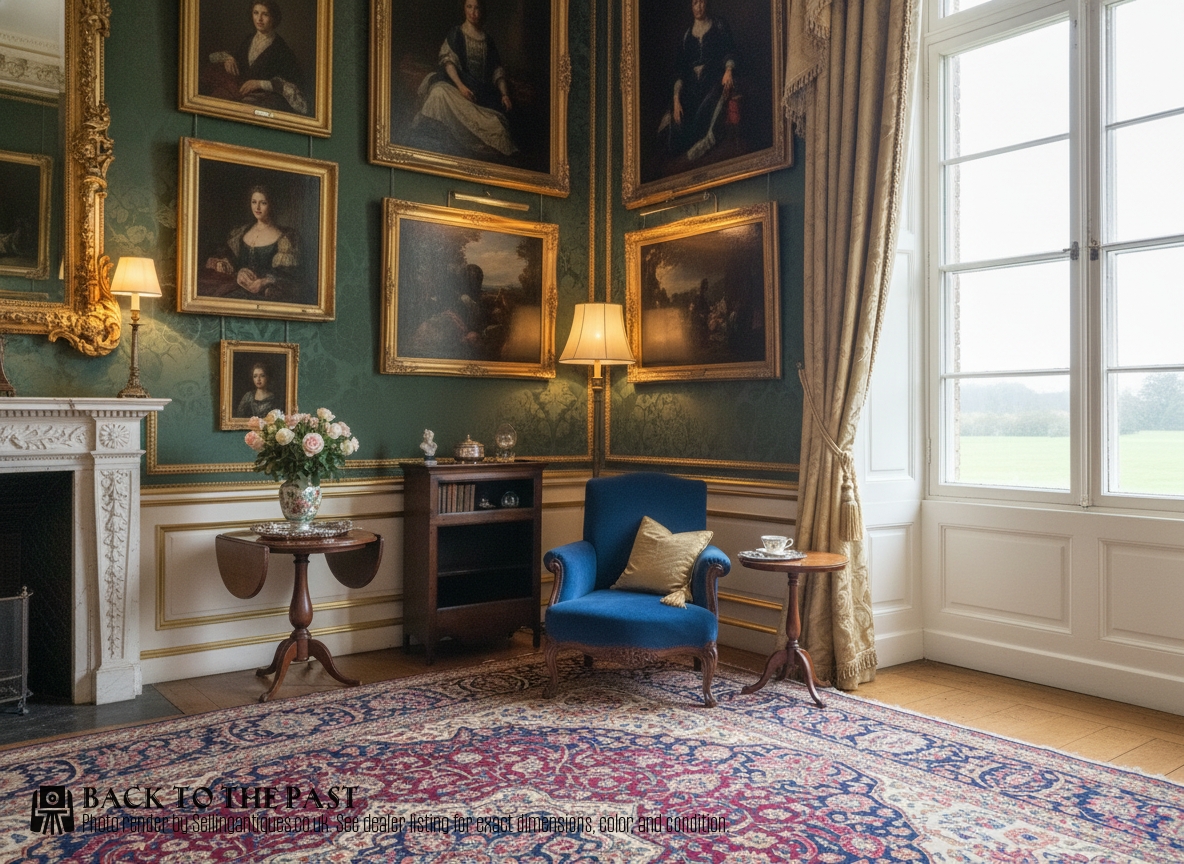
The flat top surface provides an ideal platform for displaying decorative objects, lamps, or small sculptures alongside the books housed below. Their low profile ensures windows remain unobstructed and walls retain an open feel.
Grouping pairs together or placing them beneath artwork creates a balanced layout in a traditional or contemporary interior.
Are the shelves adjustable?
Many examples feature adjustable shelving supported by traditional wooden racks or metal pins. This allows the internal height to be altered for different book sizes.
Fixed shelves also appear frequently, particularly in simpler vernacular pieces from the nineteenth century.
What woods were used?
Mahogany and rosewood dominate the surviving examples, often selected for their deep colour and pronounced grain figures. Walnut, oak, and exotic timbers such as goncalo alves also appear across the selection.
Craftsmen frequently matched these primary woods with decorative crossbanding and brass or ormolu mounts.