



French Country Open Shelves
French country open shelves bring practical rustic charm to interiors through traditional European forms.
French Country Open Shelves
French country open shelves encompass utilitarian storage furniture designed for domestic use in rural properties across France. When you search for French country open shelves, you encounter diverse forms ranging from wall-hung display units to tall bookcases and kitchen dressers.
The pieces on this page span the eighteenth, nineteenth, and early twentieth centuries, capturing centuries of provincial cabinet-making traditions. You will frequently see regional variations executed in solid timber, reflecting the local woods available to provincial artisans.
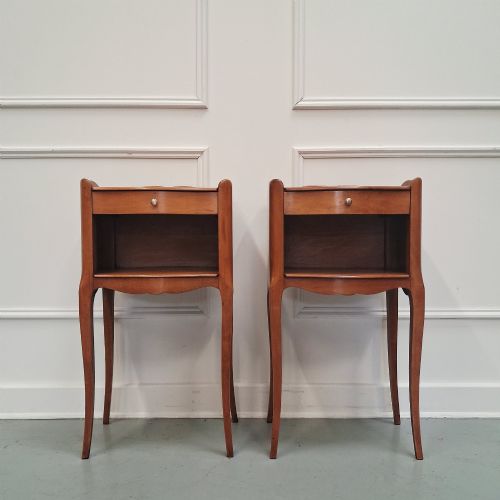
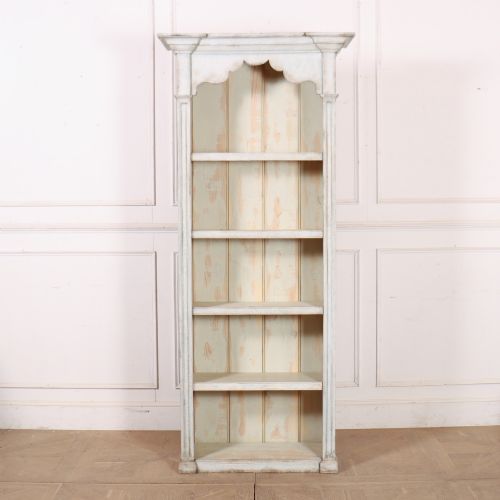
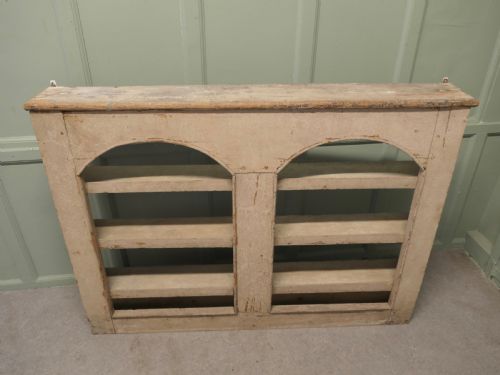
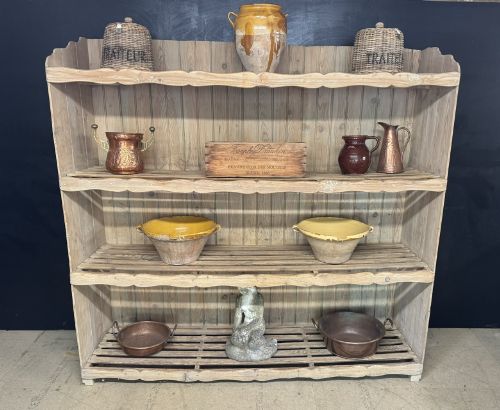
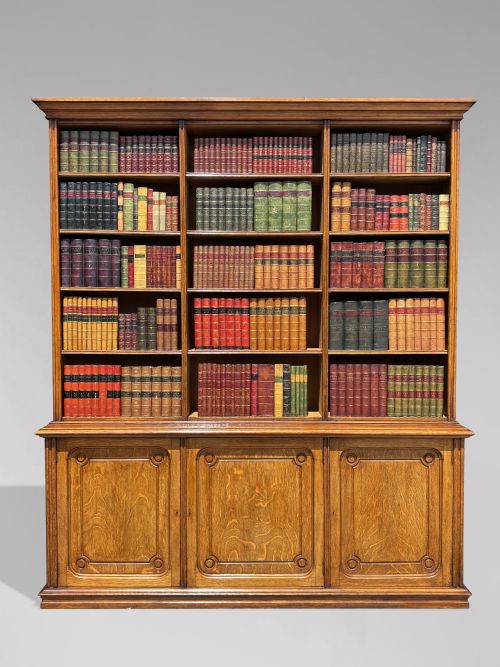
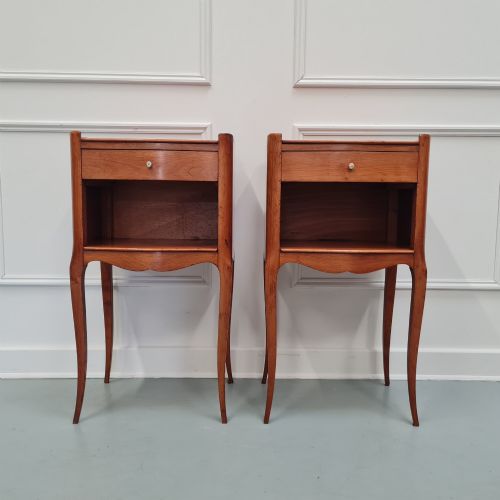
Forms include bookcases, bedside tables, alcove shelving, bakers racks, and large dressers featuring open display areas alongside enclosed storage compartments. Each piece serves as a functional storage solution while displaying the natural grain or historic painted finishes characteristic of the style.
How they were made
Carpenters constructed these shelves using regional timbers such as pine, cherry wood, fruitwood, oak, and walnut, selecting woods suited to the local geography. Boards were joined using traditional framing techniques to ensure stability across seasonal temperature shifts in rural homes.
Surfaces often received historic coats of paint or were left as exposed timber, sometimes showing the bleached effects of age. Brass hardware such as hinges and handles appeared on cupboard sections, while decorative elements relied on hand carving rather than applied factory mouldings.
Several items retain enough historic flour dust in their corners to remind you they once lived near French bread.
What varies in quality
Quality rests upon the selection of timber and the integrity of the original construction rather than surface ornamentation alone. Pieces fashioned from dense hardwoods like oak or finely figured cherry wood demonstrate superior durability compared to simpler utilitarian pine constructions.
The harmony of proportions and the subtlety of hand-carved details distinguish finer examples from standard workshop output. Original painted surfaces that have aged naturally without excessive modern intervention command greater appreciation among collectors of provincial furniture.
The French Country Open Shelves Glossary
- Pine
- A softwood commonly utilised in provincial cabinet-making for carcass construction and secondary elements due to its widespread availability.
- Fruitwood
- A dense timber sourced from fruit-bearing trees, valued by rural joiners for its fine grain and warm tone.
- Vaisselier
- A traditional dresser form featuring open upper shelves designed for displaying ceramics and tableware above a lower storage base.
- Bakers rack
- A sturdy metal or timber shelving unit originally utilised for cooling baked goods, now adapted for general interior display.
- Alcove shelving
- Custom-fitted or freestanding units designed to occupy architectural wall recesses efficiently.
French Country Open Shelves: Frequently Asked Questions
Where were these shelves used?
These pieces originated in rural French homes, farmhouses, and chateaux where open storage was essential for daily provisions and kitchenware.
They functioned in kitchens, living spaces, and bedrooms to keep household items accessible.
How do I date a piece?
Dating relies on examining construction methods, tool marks, timber selection, and the wear patterns on painted or polished surfaces.
Eighteenth-century examples typically display hand-riven boards and pegged joints, whereas nineteenth-century pieces incorporate later mechanical sawing techniques.
Are painted finishes original?
Many pieces retain historic layers of paint that have worn down naturally over decades of domestic use and cleaning.
Distinguishing original or early surface treatments from later decorative painting requires close inspection of crackle patterns and pigment integration into the wood.
How do I style them today?
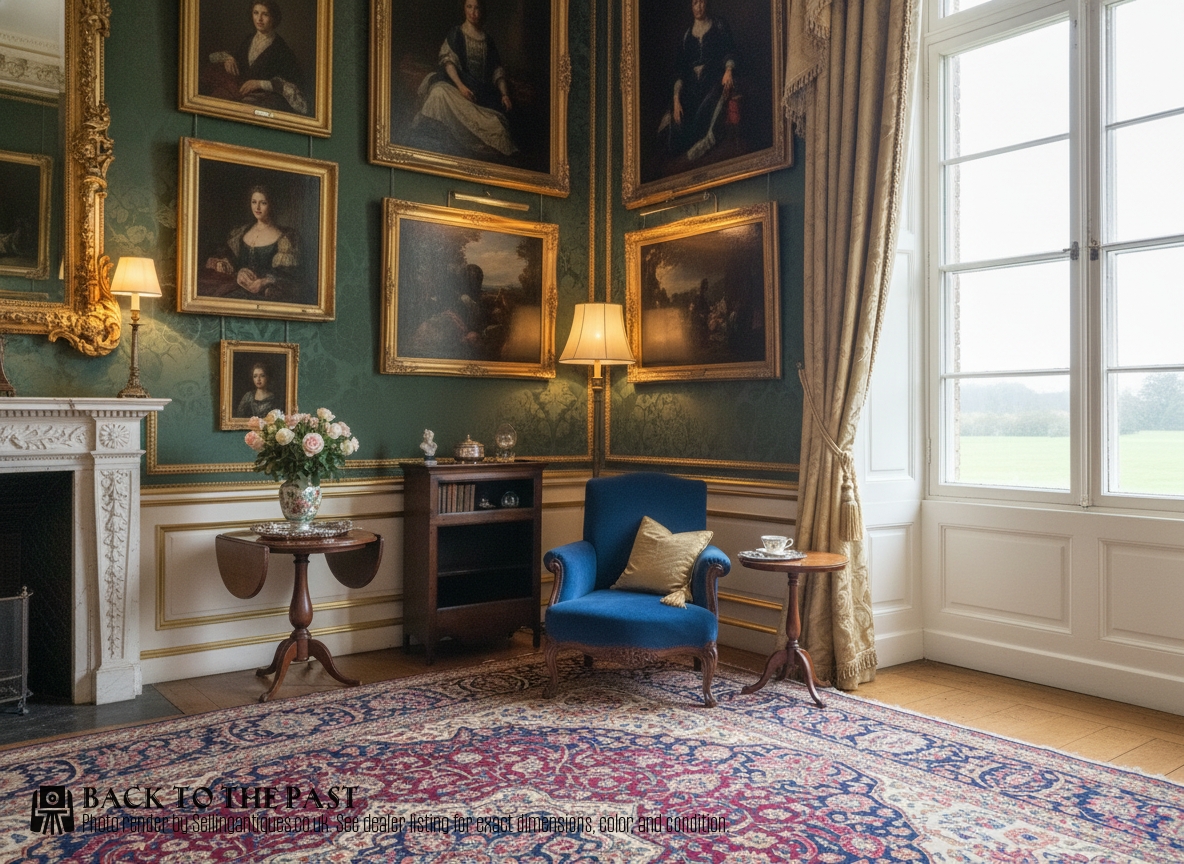
These versatile units integrate easily into contemporary interiors by providing functional display space for books, ceramics, and personal collections.
Their rustic character softens modern architectural spaces while maintaining practical utility.