
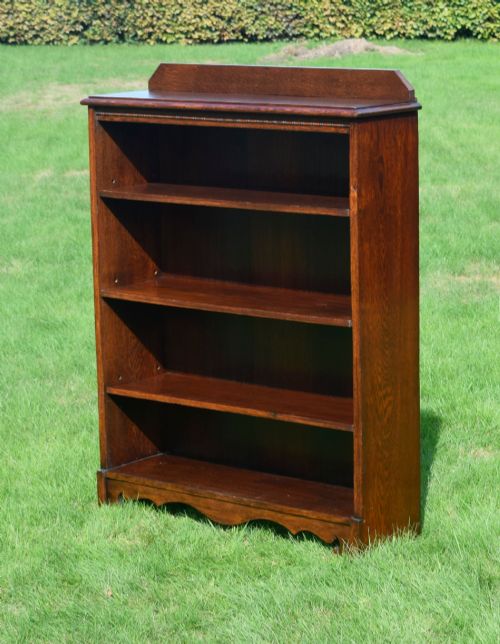
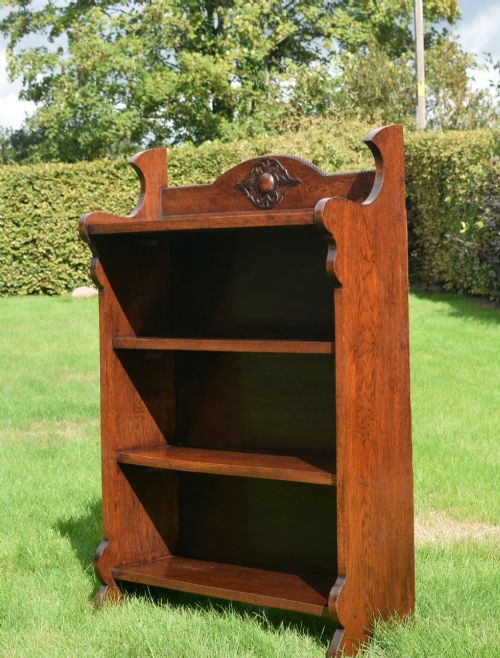
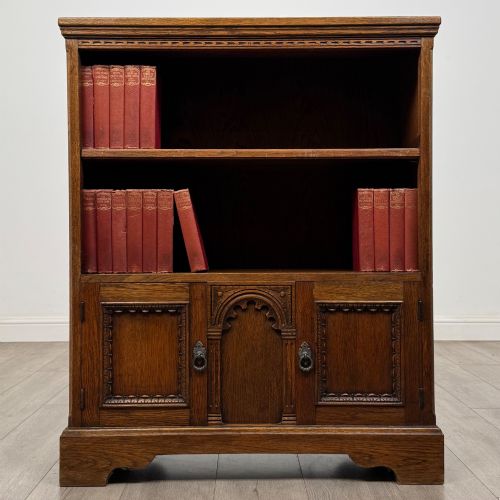
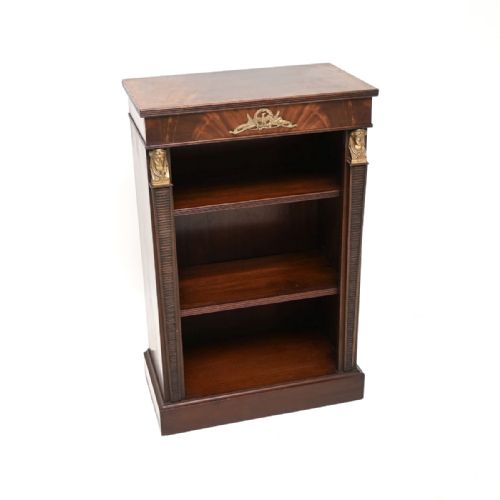
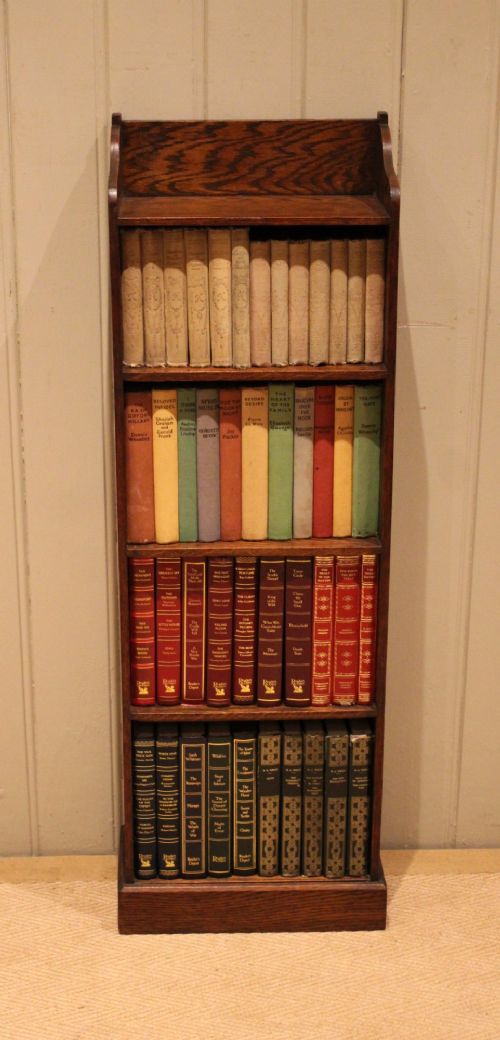
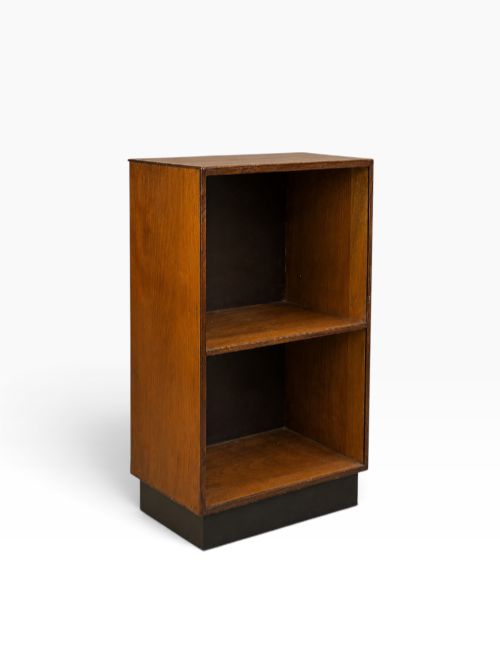
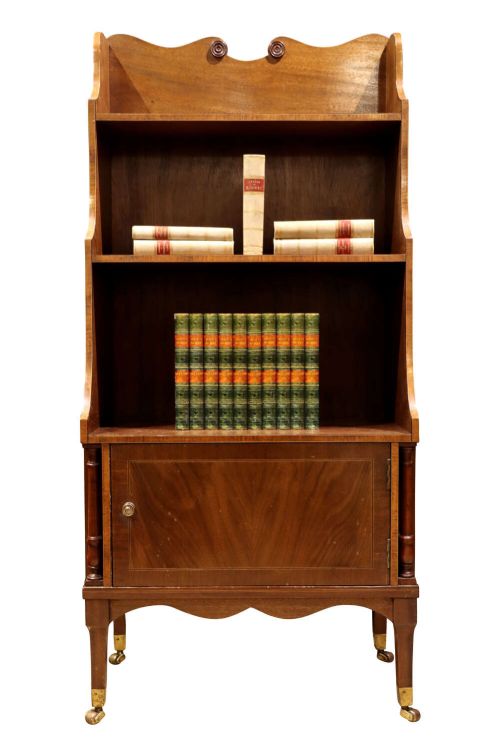
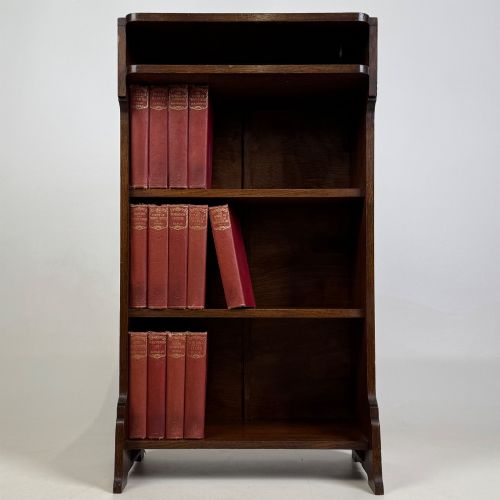
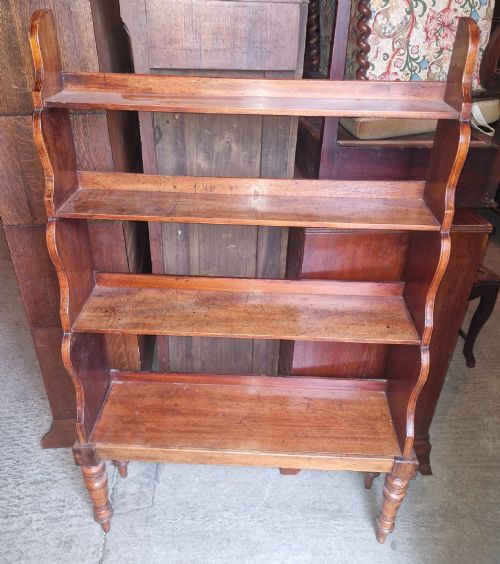
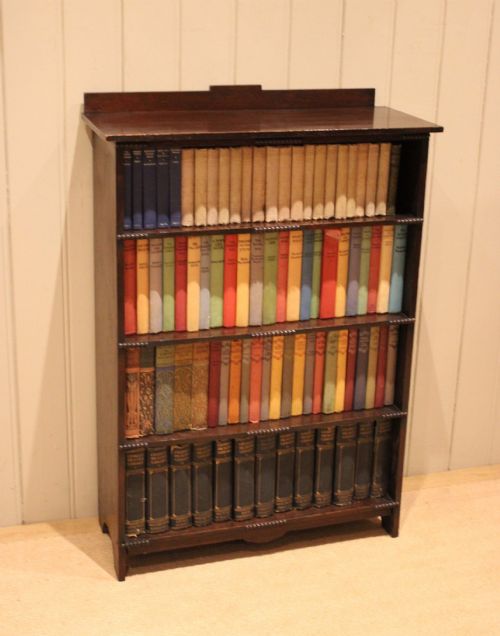
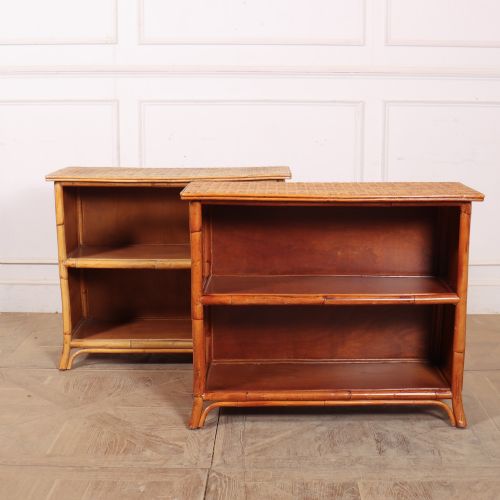
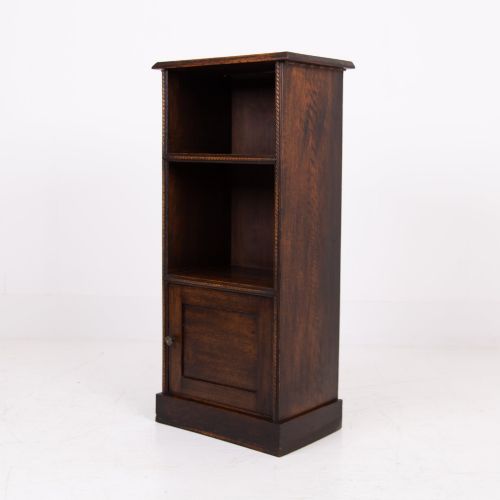
Small Open Shelving Unit
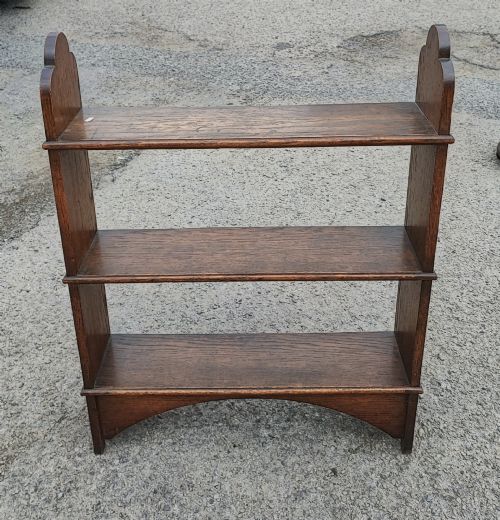
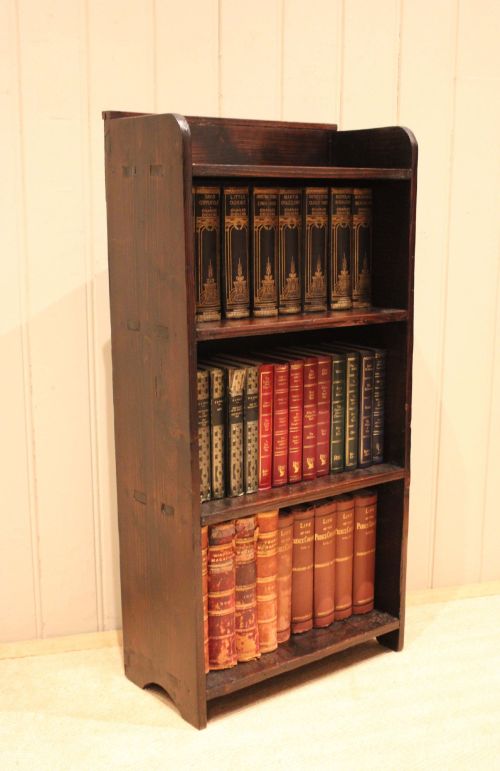
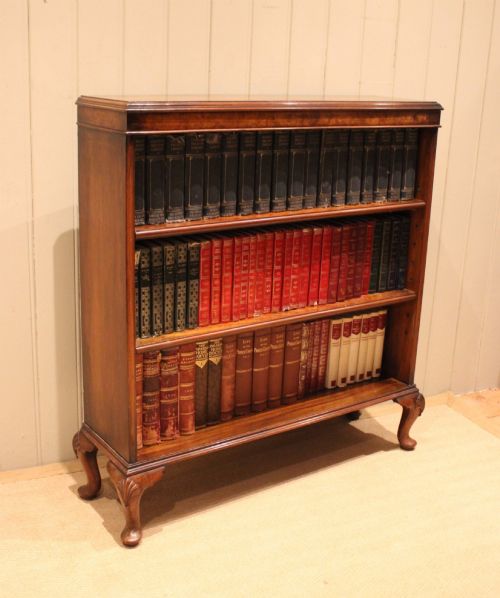
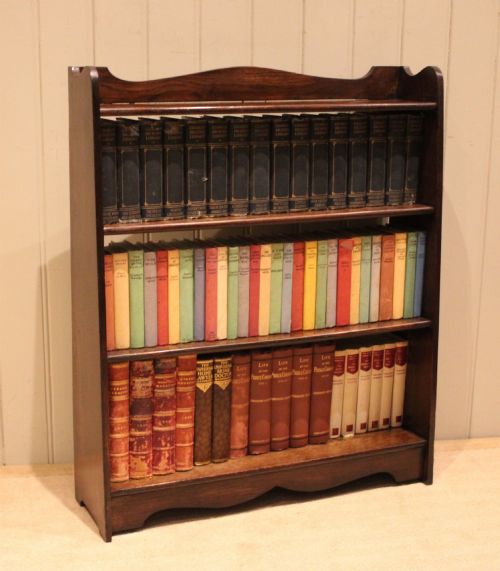
These small open shelving unit pieces offer practical display and storage, bringing compact character to any room.
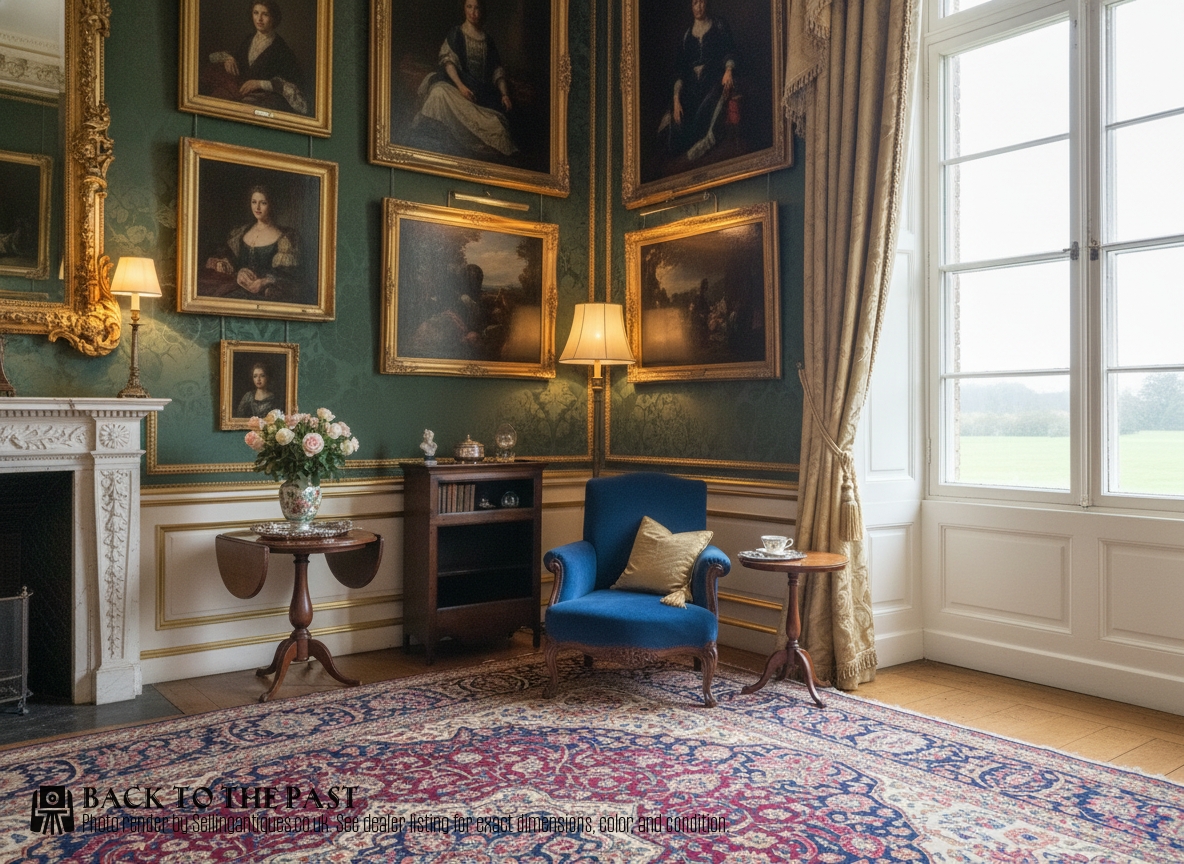
Small Open Shelving Unit
A small open shelving unit provides accessible storage and display surfaces without the visual weight of glazed doors or heavy cupboards. Buyers seeking a small open shelving unit will encounter compact bookcases, tiered étagères, and wall-mounted shelves spanning the Victorian, Edwardian, and Art Deco periods.
Oak and mahogany dominate the offerings, often appearing alongside walnut, satinwood, and rosewood within styles ranging from Arts and Crafts to Regency Revival. These versatile pieces function effectively as bedside furniture, alcove book storage, or display stands for ornaments.
The selection leans heavily towards early twentieth-century examples in solid oak, alongside refined late nineteenth-century mahogany pieces featuring adjustable shelves or cascading tiers. Such variety ensures these items adapt easily to contemporary domestic interiors while retaining period charm.
Distinctions in Quality
Quality rests upon the selection of timber figures, the precision of cabinet joinery, and the subtlety of decorative inlays or carved mouldings. Superior examples display thoughtful proportions, harmonious grain alignment, and original brass hardware or castors.
Simpler vernacular pieces rely on utilitarian sturdiness, whereas high-end workshops demonstrate exceptional craftsmanship in stepped profiles, tiered waterfall designs, or specialist timber pairings like satinwood and rosewood.
Listings feature oak, mahogany, walnut, satinwood, and rosewood across Victorian, Edwardian, and Art Deco periods.
Heals·Gillows·Betty Joel
The Small Open Shelving Unit Glossary
- Waterfall Bookcase
- A set of open shelves diminishing in depth from bottom to top, often featuring tiered compartments. This form emerged during the nineteenth century to display books and small ornaments gracefully.
- Étagère
- A piece of furniture consisting of open shelves for displaying ornaments, supported by slender columns or uprights. These items became popular during the Victorian era for drawing room display.
- Whatnot
- A multi-shelved open cabinet used for holding bric-a-brac, books, or writing materials. They appear in various woods including mahogany, walnut, and satinwood.
- Inlay
- A decorative technique where contrasting woods or materials are inserted into recessed portions of the base timber. Examples include geometric lines or neoclassical motifs found on Edwardian and Victorian pieces.
- Frieze
- The wide horizontal band situated immediately beneath the top cornice of a bookcase or cabinet. This area frequently showcases decorative wood veneers or inlaid patterns.
Small Open Shelving Unit: Frequently Asked Questions
Where should I place a small open shelving unit?
These compact pieces fit comfortably into alcoves, beside seating, or along narrow hallways where floor space is limited. Their open design keeps rooms feeling light while providing functional storage.
Positioning them away from direct heat sources protects the timber joints and polished surfaces from drying out or splitting over time.
How do I care for antique timber shelving?
Dust the surfaces regularly with a soft, dry cloth to prevent particulate buildup in carved details and joins. Occasional application of a suitable beeswax preserves the natural lustre of the wood.
Avoid using modern silicone sprays or placing the furniture in damp environments, which can damage antique polishes and warp the timber.
What is the difference between an étagère and a bookcase?
An étagère is primarily designed for the decorative display of ornaments and curiosities across multiple open tiers. A bookcase focuses specifically on the vertical storage of books.
Many period pieces blur these lines by combining book storage with tiered display shelves or small lower cupboards.
Can these shelves hold heavy books?
Solid oak and mahogany constructions offer robust support for standard volumes, particularly those with fixed or sturdy adjustable shelving. Heavier collections distribute well across shorter shelf spans.
Checking the stability of the uprights and shelf supports ensures the piece remains secure under regular everyday use.